


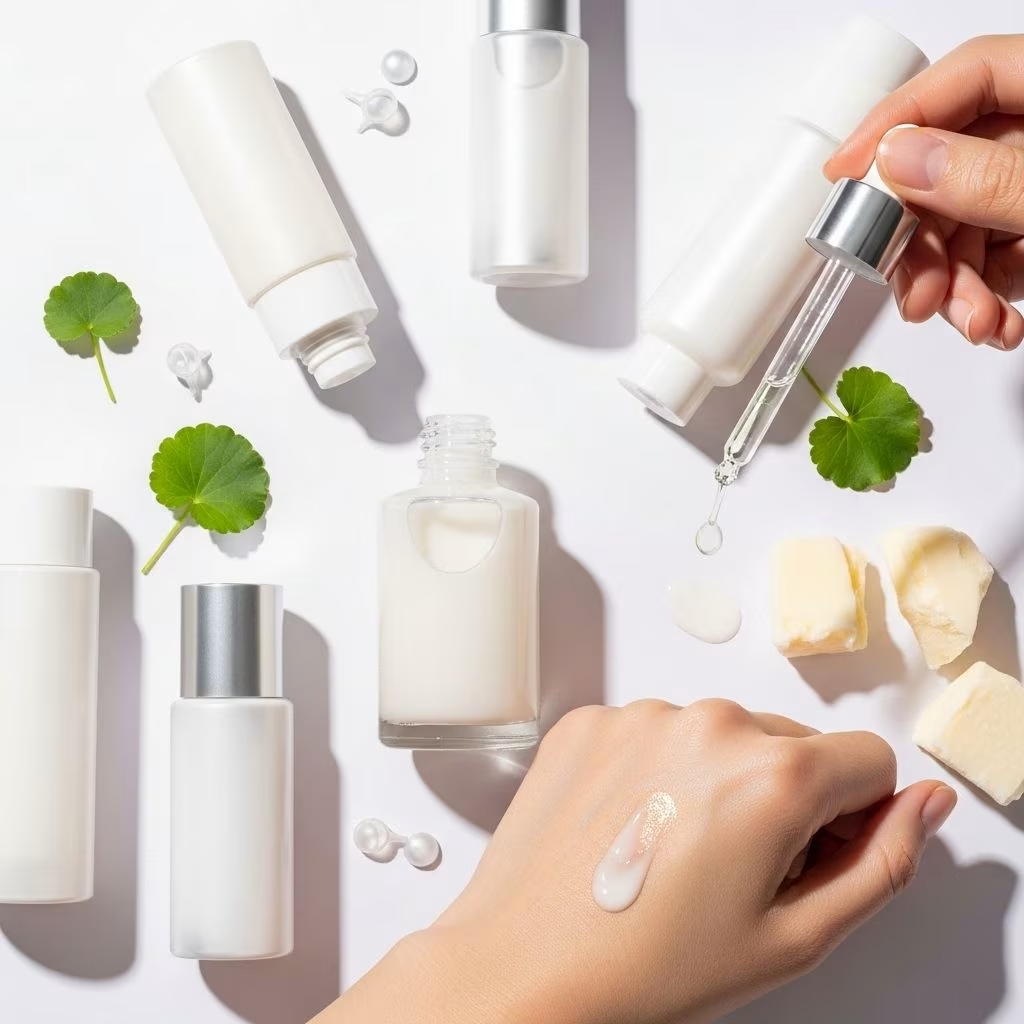
The Korean beauty industry has revolutionized skincare with innovative formulations that prioritize skin health above all else. Among these breakthrough products, thick toners, often called essence toners or skin treatments, have emerged as powerful allies in repairing and maintaining the skin barrier. Unlike traditional Western toners that can strip the skin, K-Beauty thick toners deliver concentrated hydration and barrier-supporting ingredients in viscous, nourishing formulas that transform compromised skin.
A damaged skin barrier manifests through various uncomfortable symptoms including persistent dryness, heightened sensitivity, redness, inflammation, and an uncomfortable tight feeling after cleansing. When your protective barrier is compromised, moisture escapes more readily while irritants gain easier access to deeper skin layers, creating a cycle of discomfort and reactivity. Korean skincare brands have developed thick toners specifically formulated to interrupt this cycle and restore barrier integrity through targeted hydration and soothing botanical extracts.
Understanding Your Skin Barrier and Why It Matters
Your skin barrier, scientifically known as the stratum corneum, functions as your body’s first line of defense against environmental aggressors, pollutants, and pathogens. This outermost layer consists of skin cells held together by lipids, creating a protective shield that simultaneously prevents water loss and blocks harmful substances from penetrating deeper. When functioning optimally, your barrier maintains proper hydration levels, regulates inflammation, and keeps your skin looking healthy and resilient.
However, numerous factors can compromise this delicate balance. Over-exfoliation ranks among the most common culprits, as excessive use of physical scrubs or chemical exfoliants strips away the protective lipid layer faster than your skin can regenerate it. Harsh cleansers containing sulfates and high pH formulations disrupt the skin’s natural acid mantle, leaving it vulnerable and depleted. Environmental stressors including extreme weather conditions, low humidity, pollution, and UV radiation continuously challenge barrier function, while lifestyle factors such as stress, poor sleep, and inadequate nutrition further weaken your skin’s defenses.
Korean skincare philosophy recognizes that repairing a damaged barrier requires more than temporary relief. True restoration demands products formulated with barrier-identical lipids, humectants that draw moisture into the skin, and anti-inflammatory compounds that calm reactive responses. Thick toners excel in this role because their concentrated, viscous textures deliver high concentrations of these beneficial ingredients while creating an immediate protective cushion on the skin surface.
Why Thick Toners Excel at Barrier Repair
The consistency of thick toners represents a deliberate formulation choice designed to maximize barrier repair benefits. These products typically contain higher concentrations of humectants like glycerin and hyaluronic acid, which attract and bind water molecules to the skin. The viscous texture itself creates a temporary occlusive layer that reduces transepidermal water loss, giving your barrier time to recover while maintaining optimal hydration levels necessary for the enzymatic processes that rebuild barrier structure.
Korean thick toners distinguish themselves through their inclusion of skin-soothing botanical extracts that address the inflammation often accompanying barrier damage. Rice extract, featured prominently in many formulations, contains rich concentrations of hydrating and anti-inflammatory compounds that calm irritated skin while delivering essential moisture. These extracts help mediate the inflammatory response that causes redness, sensitivity, and discomfort, breaking the cycle that perpetuates barrier dysfunction.
The formulation philosophy behind K-Beauty thick toners prioritizes gentleness without sacrificing efficacy. These products avoid common irritants like alcohol, artificial fragrances, and harsh preservatives that could further compromise sensitive, damaged skin. Instead, they focus on skin-identical ingredients and naturally derived compounds that support rather than challenge barrier recovery. This approach allows even the most reactive skin to tolerate and benefit from concentrated hydration and treatment ingredients.
Top K-Beauty Thick Toners for Barrier Repair
Hada Labo Gokujyun Premium Lotion
The Hada Labo Gokujyun Premium Lotion stands as a cult favorite among skincare enthusiasts seeking intense hydration and barrier support. Despite its name, this Japanese product follows the K-Beauty essence toner philosophy with its remarkably thick, almost gel-like consistency. The formulation features multiple molecular weights of hyaluronic acid, allowing it to hydrate different levels of the skin simultaneously while creating a moisture-locking cushion on the surface.
This toner excels for sensitive skin types because it maintains a minimal ingredient list free from fragrance, alcohol, parabens, sulfates, and phthalates. The thick texture requires a gentle patting application rather than swiping with cotton, which helps avoid unnecessary friction on compromised skin. Users consistently report that this product provides immediate relief from tightness and dryness while supporting long-term barrier improvement with continued use. The viscosity means a little product goes a long way, making it economical despite regular application.
Beauty of Joseon Ginseng Essence Water
The Beauty of Joseon Ginseng Essence Water has maintained consistent popularity for years thanks to its effective yet gentle formulation centered around ginseng extract. This essence toner offers a watery texture with notable slip and bounce, positioning it as slightly less viscous than some competitors but still delivering substantial hydration. The ginseng root water base provides antioxidant protection while supporting skin’s natural resilience and recovery processes.
While this toner provides mild to moderate hydration rather than the intense moisture of thicker formulations, it works exceptionally well when layered multiple times or combined with other hydrating products. The lightweight feel makes it suitable for those who find extremely thick toners uncomfortable, particularly during warmer months or for combination skin types. The formulation includes niacinamide for brightening benefits alongside barrier support, making it a multitasking option for those addressing both damage and uneven tone.
Numbuzin Number Three Super Glowing Essence
The Numbuzin Number Three Super Glowing Essence gained significant attention for its thick, viscous texture that delivers concentrated hydration and barrier repair benefits. This product works particularly well for normal to dry skin types or combination-dry skin experiencing barrier damage. The rich consistency provides immediate comfort to tight, irritated skin while supporting the healing process for compromised barriers.
The formulation proves especially beneficial for addressing dehydration-related skin concerns alongside barrier damage. When skin barrier is severely compromised, this essence toner can be incorporated even during summer months despite its heavier texture, though those with very oily skin may prefer to reserve it for winter use or times of acute barrier distress. The product works synergistically with barrier-repairing moisturizers to accelerate recovery and restore comfort to sensitive, damaged skin.
I’m From Rice Toner
The I’m From Rice Toner harnesses the skin-soothing and hydrating properties of rice extract, delivering 77.78 percent rice extract in its formulation. Rice extract contains natural ceramides, amino acids, and minerals that directly support barrier repair while providing intense hydration. The milky texture offers moderate viscosity, falling between truly thick essence toners and lighter hydrating toners, making it comfortable for various skin types.
This toner addresses multiple barrier-related concerns simultaneously, including redness, sensitivity, dehydration, and rough texture. The rice extract works to calm inflammation that exacerbates barrier damage while delivering moisture that supports the enzymatic processes necessary for barrier reconstruction. Users dealing with acne marks alongside barrier issues particularly appreciate this toner because it helps fade post-inflammatory hyperpigmentation while healing the underlying barrier dysfunction that often accompanies acne-prone skin.
Dr. Jart+ Ceramidin Liquid
The Dr. Jart+ Ceramidin Liquid takes a direct approach to barrier repair by incorporating skin-identical ceramides into its formulation. Ceramides represent crucial lipid components of the skin barrier, and topical application helps replenish depleted stores when barrier function is compromised. This toner combines five different types of ceramides with hyaluronic acid to simultaneously rebuild barrier structure and maintain optimal hydration.
The liquid texture flows easily across the skin despite containing concentrated barrier-repairing ingredients, making it suitable for all skin types including those who find extremely thick textures uncomfortable. The dermatological approach to formulation means this product undergoes rigorous testing for safety and efficacy, providing confidence for those with highly reactive or sensitized skin. Regular use helps reduce redness, strengthen resilience against environmental stressors, and restore the comfortable, healthy feel of balanced skin.
Key Ingredients for Barrier Repair in Thick Toners
Hyaluronic Acid and Glycerin
Hyaluronic acid functions as a powerful humectant capable of holding up to 1,000 times its weight in water, making it essential for rehydrating compromised skin barriers. Korean thick toners often incorporate multiple molecular weights of hyaluronic acid to ensure hydration reaches different depths of the skin. Low molecular weight hyaluronic acid penetrates deeper to hydrate from within, while high molecular weight versions remain on the surface to prevent moisture loss and create a protective cushion.
Glycerin represents another crucial humectant frequently featured in barrier-repairing thick toners. This ingredient not only attracts moisture to the skin but also supports the natural moisturizing factor that maintains barrier hydration. Glycerin helps plump the skin surface, smoothing the appearance of fine lines caused by dehydration while creating optimal conditions for barrier recovery. The hydrating properties of glycerin prove particularly valuable because barrier-maintaining enzymes require adequate water content to function effectively in rebuilding compromised structure.
Ceramides and Fatty Acids
Ceramides constitute approximately 50 percent of the lipids in your skin barrier, making them essential for proper barrier function. When barrier damage occurs, ceramide levels become depleted, contributing to increased water loss and heightened sensitivity. Korean skincare brands increasingly incorporate ceramides into thick toner formulations, recognizing that replenishing these vital lipids accelerates barrier recovery and prevents future damage.
Fatty acids work alongside ceramides to rebuild the lipid matrix that holds skin cells together in the barrier layer. Ingredients like sunflower seed oil provide essential fatty acids while offering additional antioxidant protection through vitamin E content. These lipid-rich ingredients help restore the barrier’s ability to prevent water loss and block irritants, addressing the fundamental structural issues that cause barrier dysfunction symptoms.
Botanical Extracts and Soothing Compounds
Rice extract emerges as a star ingredient in Korean barrier-repair toners thanks to its rich composition of amino acids, vitamins, and minerals that support skin health. The natural ceramides present in rice extract directly contribute to barrier rebuilding, while its anti-inflammatory properties calm the redness and sensitivity that accompany barrier damage. Rice extract also provides antioxidant protection, helping shield recovering skin from environmental stressors that could impede healing.
Centella asiatica, also known as cica, represents another botanical powerhouse in K-Beauty barrier repair formulations. This plant extract contains madecassoside and asiaticoside, compounds with proven wound-healing and anti-inflammatory properties. Centella helps reduce irritation and redness while supporting the skin’s natural repair processes, making it invaluable for severely compromised barriers. Ginseng extract provides similar benefits through different mechanisms, offering antioxidant protection and supporting skin resilience while delivering mild brightening effects.
How to Apply Thick Toners for Maximum Benefit
The Patting Method
The patting method represents the gold standard for applying thick toners, particularly when dealing with sensitive, damaged skin barriers. After cleansing, dispense a small amount of toner into your palms and gently press it into your skin using light patting motions. This technique avoids the friction that swiping with cotton pads can create, preventing further irritation to compromised skin. The warmth from your hands also helps the product absorb more effectively while the gentle pressure stimulates circulation without causing trauma.
Continue patting until the toner fully absorbs, which may take longer with very thick formulations. This absorption time proves beneficial because it encourages you to be present with your skincare routine while ensuring the product properly penetrates rather than sitting on the surface. If the toner feels sticky initially, this sensation typically dissipates as absorption completes, leaving skin soft and hydrated rather than tacky.
The Seven Skins Method
The seven skins method involves applying multiple thin layers of hydrating toner to flood the skin with moisture and create optimal conditions for barrier repair. Start with a small amount of toner, pat it in until absorbed, then repeat the process up to seven times. This technique proves particularly valuable when barrier damage has caused severe dehydration, as it allows you to build hydration gradually without overwhelming the skin with a single heavy application.
While the traditional method suggests seven layers, you can adjust the number based on your skin’s needs and the time available. Even three to five layers provide significant hydration benefits, particularly when using thick toners that deliver concentrated moisture in each application. This method works especially well in the evening when you have more time for an extended routine and your skin can continue absorbing and benefiting from the hydration overnight.
Targeted Application for Problem Areas
For localized barrier damage or particularly dry patches, consider targeted application using cotton pads as mini sheet masks. Soak cotton pads in your thick toner and place them on dry or irritated areas for five to ten minutes. This concentrated treatment delivers intensive hydration where you need it most while allowing the rest of your face to benefit from regular application. The cotton pads prevent the toner from evaporating too quickly, maximizing contact time and absorption.
You can also apply a slightly thicker layer of toner to areas prone to dryness or sensitivity, such as the cheeks, around the nose, or along the jawline. This selective application allows you to customize hydration levels across your face, addressing the reality that barrier damage and moisture needs often vary by zone. Remember to extend application down your neck, as this area frequently experiences barrier issues but often gets neglected in skincare routines.
Building a Complete Barrier Repair Routine
Gentle Cleansing Foundation
Barrier repair begins with proper cleansing that removes impurities without stripping protective lipids. Korean skincare emphasizes the double cleanse method, starting with an oil-based cleanser to remove sunscreen and makeup, followed by a gentle, low-pH water-based cleanser. Oil cleansers with ingredients like sunflower seed oil and rice extract glide over skin without tugging, effectively dissolving impurities while supporting barrier health through nourishing fatty acids.
The second cleanse should use a non-foaming or minimally foaming cream cleanser that maintains the skin’s natural pH around 5.5. High-pH cleansers disrupt the acid mantle that protects your barrier, leading to increased sensitivity and moisture loss. When barrier damage is severe, you might consider cleansing only once daily in the evening, using just water or a hydrating toner on a cotton pad for morning cleansing to minimize disruption to recovering skin.
Layering Hydration and Treatment
After applying your thick toner, continue building hydration and barrier support through strategic layering. Follow with a hydrating serum containing additional humectants and barrier-repairing ingredients like niacinamide or peptides. These concentrated treatments penetrate deeply to address specific concerns while working synergistically with the hydration provided by your toner.
Next, apply a barrier-repair moisturizer containing ceramides, cholesterol, and fatty acids in ratios that mimic your skin’s natural lipid composition. This step seals in all the hydration from previous layers while providing the structural components necessary for barrier reconstruction. During severe barrier damage, consider adding a final occlusive layer using a product containing petrolatum, squalane, or plant oils that create a protective seal preventing moisture loss overnight.
Protection and Maintenance
Sunscreen represents a non-negotiable final step in any barrier repair routine, as UV radiation causes inflammation and free radical damage that impede healing. Korean sunscreens excel for compromised barriers because they combine excellent UV protection with moisturizing bases and barrier-supporting ingredients. Chemical sunscreen formulations from K-Beauty brands typically offer lightweight textures without the white cast or greasiness that might discourage consistent use.
Look for sunscreens formulated specifically for sensitive skin, avoiding formulations with alcohol or fragrance that could irritate damaged barriers. The moisturizing base of quality sunscreens contributes additional hydration while the UV protection prevents the inflammation and oxidative stress that would otherwise slow barrier recovery. Remember that sunscreen functions as both protection and treatment when dealing with barrier issues, supporting the healing process while preventing further damage.
Frequently Asked Questions
Q: How long does it take to repair a damaged skin barrier using thick toners?
A: Barrier repair timelines vary based on damage severity, but most people notice improvement within two to four weeks of consistent use. Mild barrier damage may show improvement within a few days, while severe compromise might require six to eight weeks of dedicated barrier-focused skincare. Consistency matters more than any single product, so maintain your routine even after symptoms improve to ensure complete recovery and prevent relapse.
Q: Can I use thick toners if I have oily or acne-prone skin?
A: Yes, oily and acne-prone skin types can benefit from thick toners, especially when experiencing barrier damage that often accompanies acne. Choose lightweight thick toners or apply thin layers rather than heavy amounts. Barrier damage can actually trigger increased oil production as your skin attempts to compensate for moisture loss, so proper hydration may help regulate sebum production over time. Look for non-comedogenic formulations that won’t clog pores.
Q: Should I avoid all exfoliation while repairing my skin barrier?
A: When actively repairing severe barrier damage, temporarily suspending all exfoliation allows your skin to recover without additional stress. Once barrier function improves and sensitivity decreases, you can gradually reintroduce gentle exfoliation at reduced frequencies. Start with once weekly application of mild chemical exfoliants like lactic acid or PHA, monitoring your skin’s response carefully before increasing frequency.
Q: Can I layer multiple thick toners together?
A: Layering multiple toners works well if they serve different purposes and have compatible formulations. You might use a lighter essence toner first for basic hydration, followed by a thicker barrier-repair toner for concentrated treatment. Apply products from thinnest to thickest consistency, allowing each layer to absorb before adding the next. However, if one thick toner meets your needs, additional layers may provide diminishing returns.
Q: What is the difference between essence, toner, and skin in Korean skincare?
A: In Korean skincare terminology, these products occupy similar roles with slight textural differences. Toners tend to be the most watery, essences offer moderate viscosity with concentrated ingredients, and skin refers to thick, viscous formulations that blur the line between toner and serum. All three prepare skin after cleansing while delivering hydration and treatment ingredients, so focus on formulation and ingredients rather than naming conventions when selecting products.
Q: Will thick toners make my skin produce less natural oil?
A: Thick toners don’t reduce your skin’s natural oil production, but they can help normalize it when dehydration was triggering overproduction. Proper hydration signals to your skin that it doesn’t need to produce excess sebum to compensate for moisture loss. Over time, consistent hydration may help oily skin find better balance, though genetics largely determine natural sebum production levels.
Q: Do I need to refrigerate thick toners to preserve them?
A: Refrigeration isn’t necessary for most thick toners unless specified by the manufacturer, but storing them in cool, dark places helps maintain stability and extends shelf life. Some people enjoy refrigerating toners for the cooling sensation upon application, which can feel soothing on irritated skin. However, ensure products return to room temperature before applying to avoid shocking sensitive skin with extreme cold.
Q: Can thick toners replace moisturizer in my routine?
A: While very thick toners provide substantial hydration, they typically shouldn’t completely replace moisturizer, especially during barrier repair. Toners excel at delivering water-based hydration and humectants, but moisturizers provide essential lipids and occlusives that seal in that hydration and support barrier structure. In very humid climates or for extremely oily skin, some people find thick toners sufficient, but most skin types benefit from both steps.


