


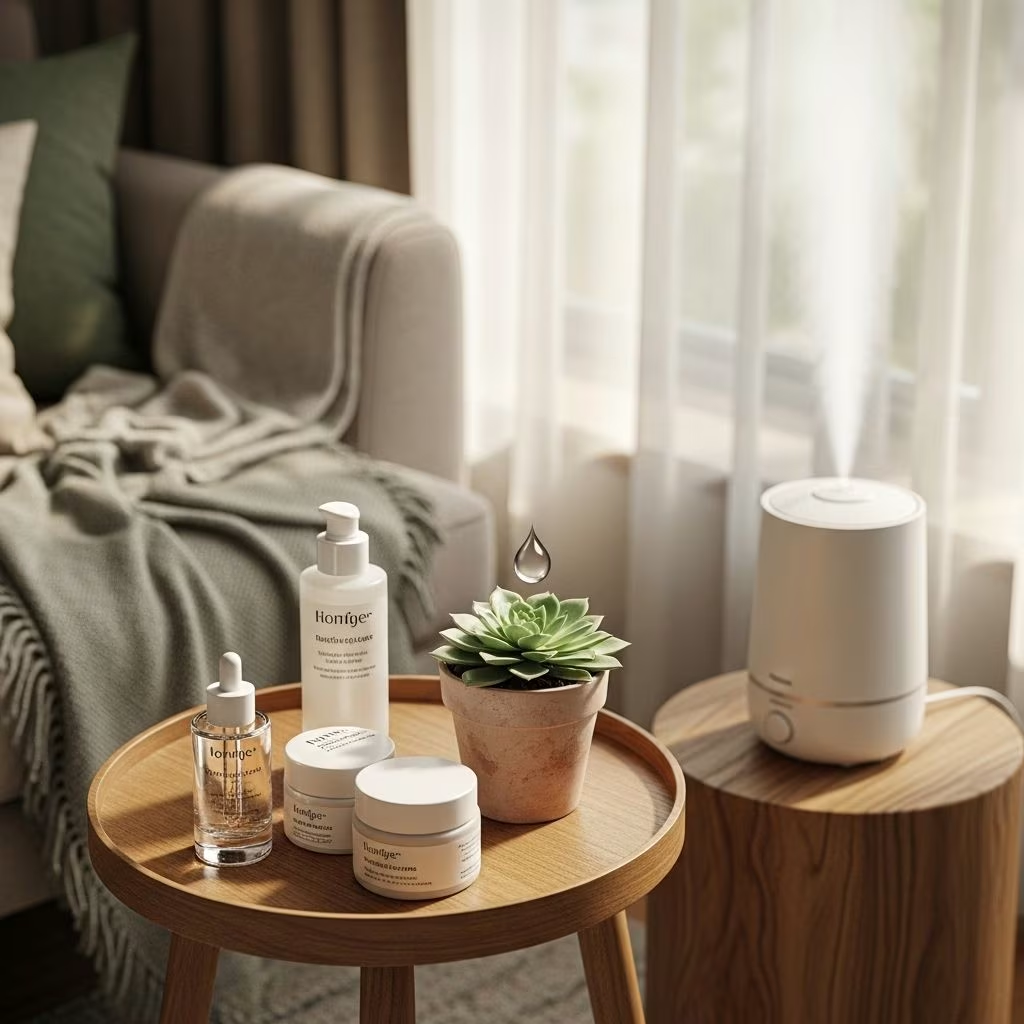
Indoor Climate & Skin: Heating vs AC Hydration Effects
Indoor climates significantly influence the health and appearance of skin. Modern environments are often defined by artificial heating in cold months and air conditioning during hotter times, but both can disrupt natural skin hydration and barrier function, contributing to issues like dryness, dehydration, and oiliness. Understanding these effects – and how to counter them – is essential for maintaining healthy skin year-round.
Introduction to Indoor Climate & Skin
Skin is the body’s largest organ and acts as a primary barrier against environmental stressors. Its hydration and comfort are influenced by both intrinsic genetic factors and external conditions, including indoor climate. While outdoor environments rapidly shift with seasons, most people spend a majority of time indoors where heating or air conditioning dominates the climate. These systems control temperature and – crucially – humidity levels, which play a decisive role in skin health.
Mechanisms of Skin Hydration
- Transepidermal water loss (TEWL): The process by which water evaporates from the skin into the air. Elevated TEWL indicates a compromised skin barrier, often resulting in dryness and irritation.
- Relative humidity: The moisture content in air directly affects TEWL. Low humidity escalates evaporation from skin, while high humidity can make skin oily or clammy.
- Skin barrier integrity: The lipid-rich surface layer regulates water retention and blocks external irritants. Climate stress can weaken this barrier.
Understanding how indoor climate interacts with these mechanisms helps connect specific symptoms – tightness, flakiness, excessive oil – to environmental changes.
Impact of Indoor Heating on Skin
During cold months, most indoor spaces rely on central heating, which often leads to a significant reduction in air humidity. This dry air pulls moisture from skin in several ways:
- Increased dryness: Low humidity created by heating accelerates TEWL, stripping water from the skin and causing flakiness, rough patches, and chapping.
- Barrier impairment: Dry indoor heat weakens skin barrier function, making it more susceptible to irritants and mechanical stress.
- Enhanced sensitivity: Skin reacts to rapid temperature and humidity changes by becoming more sensitive, often resulting in redness or stinging.
- Exacerbation of chronic conditions: Disorders like eczema and psoriasis can flare under these conditions, with symptoms worsened by dehydration and impaired barrier function.
In severe cases, repeated exposure to dry heat contributes to premature skin aging by promoting fine lines, loss of elasticity, and uneven skin tone through both dehydration and increased susceptibility to environmental insults.
Effects of Air Conditioning on Skin
Air conditioning, commonly used in warmer months, also impacts the microclimate around skin. While its cooling capabilities offer relief from heat, AC units often decrease humidity by condensing out moisture:
- Reduced humidity: Similar to heating, most AC systems lower indoor moisture content and can dry out the skin by increasing TEWL.
- Temperature extremes: Moving between hot outdoor and cool indoor spaces challenges the skin’s adaptation mechanisms and can trigger temporary imbalances, such as tightness or oiliness as the skin compensates for change.
- Clogged pores and sweat: In climates with high outdoor humidity, AC can reduce sweating, but abrupt changes sometimes stimulate oil production, which together with sweat and dead skin cells may clog pores.
- Barrier disruption for sensitive skin: Individuals prone to dermatitis or allergies may experience flares due to compromised hydration and exposure to allergens circulated by AC filters.
With prolonged exposure, AC-associated dryness can mimic winter skin conditions, highlighting the need for active skincare regardless of the season.
Humidity, Temperature, & Skin Health
| Climate Type | Humidity Effects | Skin Concerns |
|---|---|---|
| Dry, Heated Indoor | Low humidity, increased TEWL | Dryness, flakiness, sensitivity |
| Humid AC Indoor | Variable humidity, sometimes still dry | Oily skin, clogged pores or persistent dryness |
| Outdoor Cold/Wind | Very low humidity | Chapping, barrier breakdown, rosacea or eczema flares |
| Outdoor Hot/Humid | High humidity, increased sweat | Breakouts, sticky sensation, fungal risk |
The key takeaway is that both heating and air conditioning often undermine the ideal humidity levels needed for balanced skin health. Studies suggest that relative humidity around 40-60% is optimal for skin comfort and integrity.
Skin Barrier Function in Changing Indoor Climates
The skin barrier is crucial for retaining moisture and protecting against environmental threats. Under suboptimal indoor conditions:
- Low humidity impairs barrier function, causing increased water loss, irritation, and vulnerability to pollutants or microbes.
- Mechanical stress increases: Dry, heated air makes the skin more prone to damage from rubbing, scratching, or even routine washing.
- Oily skin doesn’t equal hydrated skin: In humid, air-conditioned spaces, oil production may go up, but underlying dehydration can still persist, resulting in simultaneous oiliness and tightness.
- Desquamation issues: Long-term low humidity alters skin shedding (desquamation), causing buildup of dead cells, roughness, or scaling.
Thus, supporting the barrier is vital, especially when indoor climate is being manipulated by heating or AC systems.
Common Skin Concerns in Heated vs Air-Conditioned Spaces
- Dryness: Most prevalent in heated, low-humidity environments. Manifests as tightness, scaling, discomfort, and exacerbation of eczema or psoriasis.
- Oily or congested skin: More typical in humid, air-conditioned environments or when humidity levels are variable. Leads to breakouts, sticky feeling, or fungal issues.
- Allergic reactions and irritation: Heating and AC can circulate allergens or pollutants, triggering dermatitis or other inflammatory responses.
- Premature aging: Chronic exposure to dehydration and temperature extremes accelerates fine lines, pigmentation, and loss of elasticity through both physical and biochemical pathways.
Awareness of these patterns allows for tailored preventative strategies.
Adaptive Skincare Strategies
- Humidifiers: Using a humidifier restores indoor moisture levels, curbing TEWL and helping skin retain hydration during heated or air-conditioned periods.
- Barrier-supportive moisturizers: Choose creams rich in ceramides, hyaluronic acid, or fatty acids to fortify the skin’s protective surface.
- Gentle cleansing: Use mild, non-foaming cleansers to avoid stripping natural oils, especially in dry conditions.
- Layered hydration: In dry indoor air, apply hydrating serums followed by occlusive moisturizers to lock in water.
- Monitor indoor humidity: Target maintaining 40–60% relative humidity for optimal comfort and resilience.
- Sun protection: Even indoors, UV and infrared exposure through glass and heating can damage skin. Use broad-spectrum SPF year-round.
- Adjust skincare with seasons: Revise product choices based on predominant indoor climate – heavier in winter, lighter during summer with AC.
- Improve air quality: Change AC filters, reduce indoor pollutants, and ventilate to minimize allergen and irritant build-up.
Sample Seasonal Skincare Routine Table
| Season/Indoor Climate | Routine Focus | Recommended Steps |
|---|---|---|
| Winter/Heating | Intense hydration & barrier repair | Gentle cleanse → Humidifier → Serum → Rich moisturizer → SPF |
| Summer/AC | Light hydration & oil control | Mild cleanse → Hydrating serum → Lightweight moisturizer → SPF |
| Transitional months | Flexible, adaptive approach | Monitor skin cues → Adjust weights of products → Add calming agents |
Frequently Asked Questions (FAQs)
Q: Why does my skin feel drier with heating or air conditioning?
A: Both heating and AC reduce indoor humidity, accelerating water loss from the skin, resulting in dryness, flakiness, and discomfort.
Q: Can humidifiers really help my skin?
A: Yes. By restoring air moisture to optimal levels (40–60%), humidifiers decrease transepidermal water loss and support the skin barrier.
Q: Is oily skin in AC rooms a sign of hydration?
A: Not necessarily. AC can cause the skin to overproduce oil while underlying dehydration persists, leading to simultaneous oiliness and tightness.
Q: What is the ideal indoor humidity range for healthy skin?
A: Between 40% and 60% relative humidity is typically optimal for comfort and hydration.
Q: How can I tell if my indoor climate is affecting my skin?
A: Notice patterns like increased dryness, breakouts, sensitivity, or redness during periods with heating or AC use. Tracking these symptoms helps refine skincare approaches.
Final Thoughts
Maintaining skin health in modern indoor climates requires attentive adaptation. Heating and air conditioning, while essential for comfort, often come at the hidden cost of disrupting natural skin hydration and barrier function. By understanding these impacts, routinely monitoring indoor humidity, and supporting the skin with tailored moisturizers and practices, individuals can safeguard their skin’s health and comfort year-round.
References
- https://www.stadlerform.com/en/health/humidify-air/how-does-humidity-affect-skin-care
- https://www.isdin.com/us/blog/skincare/how-climate-affects-your-skin/
- https://www.dermatologyandmohssurgery.com/how-climate-change-is-affecting-skin-health-in-medical-dermatology/
- https://colecosmeticskincare.com/blog/how-environmental-factors-impact-your-skin-health/
- https://pmc.ncbi.nlm.nih.gov/articles/PMC5916788/
- https://pourmoiskincare.com/blogs/beautyforecast/from-indoors-to-outdoors-how-to-keep-your-skin-healthy-in-changing-environments
- https://magazine.hms.harvard.edu/articles/how-warming-climate-wears-skin


