


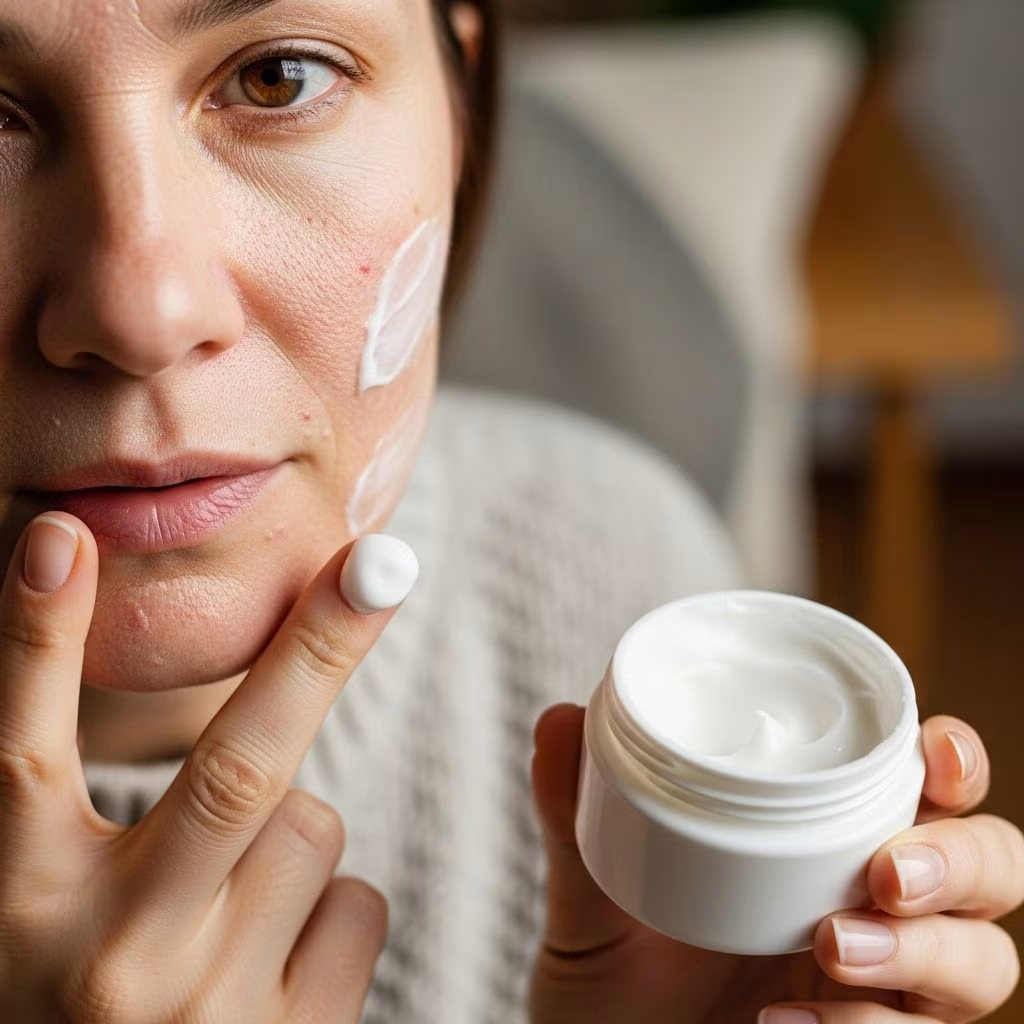
Winter can transform supple skin into a battlefield of dryness, flakes, and irritation almost overnight. Cold winds, low humidity, and cranked-up indoor heating join forces to sabotage your skin’s natural barrier, leading to tight, red, and uncomfortable complexions. If you’ve fallen victim to common winter skincare fails—or you want to outsmart them before flakes and cracks appear—this comprehensive guide will arm you with the knowledge and actionable fixes you need for a hydrated, healthy glow all season long.
Understanding Dry & Flaky Winter Skin
Dry, flaky skin in winter is much more than a seasonal inconvenience. The drop in temperatures and humidity disrupts your skin’s lipid barrier, causing increased water loss. Indoor heating further dehydrates the air, making it harder for skin to retain moisture. The result? Tightness, irritation, redness, and flaking—even for those who normally sail through summer with a dewy glow.
- Flakiness happens as dead skin cells accumulate without sloughing off easily.
- Tightness and redness are classic signals of a compromised skin barrier.
- Stinging or burning, especially after applying products, often means barrier disruption is severe.
Even oily or combination skin is susceptible to winter-induced dehydration, which can confuse the issue by triggering more oil production alongside visible dry patches.
Top Winter Skincare Fails Making Dryness Worse
Many well-intentioned habits can accentuate winter woes. Avoiding these pitfalls is key to quick recovery and long-term skin health.
- Hot Showers: Prolonged exposure strips away natural oils, worsening dryness.
- Skipping Sunscreen: UVA rays penetrate clouds and windows, contributing to dryness and premature aging even in winter.
- Over-Exfoliating: Trying to scrub away flakes every day can thin the protective barrier, leading to redness, itchiness, and more flaking.
- Using Harsh Cleansers: Foaming and alcohol-based cleansers deplete skin’s lipids, increasing irritation and dehydration.
- Ignoring Indoor Air Quality: Heated, dry air saps moisture from the skin; failing to use a humidifier is a classic winter fail.
- Under-Moisturizing: Lightweight lotions and gels may not suffice in winter when skin calls for richer, replenishing formulas.
- Neglecting Problem Areas: Elbows, knees, lips, and hands are often overlooked yet highly vulnerable to winter dryness.
Instant Fixes for Dry & Flaky Skin
Act fast when dryness strikes by implementing these dermatologist-backed solutions:
- Apply a rich moisturizer immediately after bathing: Lock in moisture while skin is still damp. Creams and ointments are more effective than lotions for trapping hydration.
- Switch to a creamy, non-foaming cleanser: Cleansing should maintain hydration, not strip it. Look for formulas with glycerin or ceramides.
- Use a hydrating facial mist: Mist skin throughout the day with a gentle, alcohol-free spray to refresh and relieve tightness without disrupting makeup or moisturizers.
- Overnight occlusive treatments: After applying your usual moisturizer, layer a thin film of petrolatum (like Vaseline) on stubborn dry patches to seal in moisture overnight.
- Humidify your environment: Run a humidifier in your bedroom, especially at night, to reduce water loss as you sleep.
- Quick lip repair: Use nourishing lip balms with shea butter or lanolin and reapply frequently.
Instant Relief Table: Dryness Problem Areas and Solutions
| Area | Typical Issue | Instant Fix |
|---|---|---|
| Face | Flakes, Redness, Tightness | Apply a cream with hyaluronic acid & ceramides; mist; overnight mask |
| Lips | Chapping, Cracking | Rich balm with lanolin or petroleum jelly; avoid licking lips |
| Hands & Knuckles | Cracking, Peeling Skin | Layer hand cream throughout the day; cotton gloves overnight |
| Elbows & Knees | Rough Patches | Soothe with thick ointment and mild exfoliation weekly |
| Body | Flaky, Itchy Skin | Apply body butter or oil when still damp from shower |
Best Skincare Ingredients for Winter Rescue
The right ingredients make all the difference in halting winter skin meltdowns. Top choices for dry, flaky, or irritated skin include:
- Hyaluronic Acid: A humectant legend, draws water into the skin and holds it there.
- Glycerin: Another powerful humectant that hydrates from deep within.
- Ceramides: Strengthen the skin barrier, preventing water loss and reducing irritation.
- Shea Butter & Squalane: Emollients that smooth, soften, and fill in cracks in the skin.
- Occlusives (Petrolatum, Lanolin, Dimethicone): Create a physical barrier to lock moisture in.
- Niacinamide: Calms redness, soothes irritation, and supports barrier repair.
- Fatty Oils (Coconut, Sweet Almond): Deeply moisturize and improve skin texture.
Pro Tip: Avoid alcohol-heavy formulations and strong fragrances, which can exacerbate dryness. Seek products labeled “fragrance-free” for sensitive or compromised skin.
The Ultimate Winter Skincare Routine Step-by-Step
Consistency is critical to keeping dryness and flakiness at bay. Build this routine around your unique skin type and needs:
- Gentle Cleanse: Use a creamy cleanser, avoiding hot water. Pat (don’t rub) skin dry.
- Hydrating Toner: Spritz or sweep on an alcohol-free, hydrating toner to prep skin for maximum absorption.
- Treatment Serum: Layer in a serum with hyaluronic acid or glycerin for deep hydration.
- Nourishing Moisturizer: Apply a thick, ceramide-rich moisturizer. Daytime picks may include SPF; night creams should replenish and repair.
- Targeted Treatments: Add overnight masks, balms for lips, or ointments for problem patches as needed.
- Body Care: After showering, use a rich cream or body butter within minutes to lock in moisture.
- Sunscreen: Don’t neglect SPF, even on overcast winter days.
Pro Strategies: Prevention and Long-Term Care
- Use a humidifier: Keep indoor humidity between 40-60% to reduce water loss from skin.
- Short, lukewarm showers: Limit to 5-10 minutes to preserve lipids in your skin’s barrier.
- Hydrate from within: Drink plenty of water and include healthy fats (avocado, salmon, olive oil) in your diet for skin elasticity.
- Wear gloves outdoors: Protect hands from chapping and excess heat loss, which worsens dryness.
- Avoid synthetic fabrics: When possible, stick with cotton or silk that won’t rub or irritate sensitive winter skin.
- Adapt your products: Consider switching up to richer creams or adding an oil during the cold months, then lightening up as weather warms.
Troubleshooting Persistent Problems
- Eczema flare-ups: Use fragrance-free, ointment-based moisturizers. See a dermatologist if you develop severe redness, itching, or scaly patches.
- Peeling, cracking, or bleeding skin: Consider short-term use of an over-the-counter hydrocortisone cream; follow up with a specialist if no improvement.
- Chronic rough spots: Gently exfoliate once per week with a mild AHA or enzyme-based exfoliant to remove dead skin, increase absorption of moisturizers, and smooth texture. Never use aggressive scrubs or daily acid exfoliants on dry, flaky skin.
- Persistent flakes around the nose, brows, or scalp: This could signal seborrheic dermatitis; consult a professional for recommended medicated treatments.
Frequently Asked Questions
Q: How often should I exfoliate my face during winter?
A: Limit exfoliation to once a week, using a gentle product to avoid barrier damage and increased dryness.
Q: Can I use oils instead of creams for my winter skincare?
A: Face oils (like squalane or jojoba) are excellent for sealing in hydration but should be layered after a humectant-based serum and not alone. Combine with a rich moisturizer for maximum benefit.
Q: What precautions should I take for sensitive or eczema-prone skin in winter?
A: Choose fragrance-free, hypoallergenic products, avoid foam cleansers, and moisturize multiple times daily. See your dermatologist for prescription options if flare-ups persist.
Q: My lips keep cracking—how can I heal them fast?
A: Avoid licking or biting lips. Use thick balms with lanolin or petrolatum and apply frequently. Apply a layer before bed for overnight repair.
Q: Why is my skin dry even though I’m drinking plenty of water?
A: Hydration from within is important, but external factors (dry air, harsh cleansers, inadequate moisturizers) contribute most to winter skin issues. Boost your barrier with appropriate products and use a humidifier for rapid improvement.
Q: Is sunscreen really necessary in winter?
A: Yes. UVA rays penetrate clouds and glass, accelerating dryness and aging. Apply broad-spectrum SPF daily, even on overcast winter days.
Final Thoughts
Winter doesn’t have to mean suffering with dry, flaky skin. Avoid common skincare fails, embrace the right rescue ingredients and fixes, and adapt your routine for the season. Consistent, informed care can restore comfort, barrier strength, and a dewy glow—no matter what the weather brings.
References
- https://www.laroche-posay.ca/en_CA/skin-edit/sensitive-skin-tips/best-skincare-ingredients-for-dry-skin-in-the-winter.html
- https://www.lancome-usa.com/beauty-magazine/skincare/how-to-care-for-dry-skin-in-winter.html
- https://www.paullabrecque.com/blogs/news/the-ultimate-guide-to-fall-and-winter-skincare-hydration-protection-and-more
- https://thesoumiscanproduct.com/blog/19/your-winter-skincare-routine-for-healthy-moisturized-skin
- https://www.uchealth.com/en/media-room/articles/winter-skin-care-tips-for-preventing-dry-cracking-skin
- https://www.healthline.com/health/winter-dry-skin
- https://www.aad.org/public/everyday-care/skin-care-basics/dry/dermatologists-tips-relieve-dry-skin


