


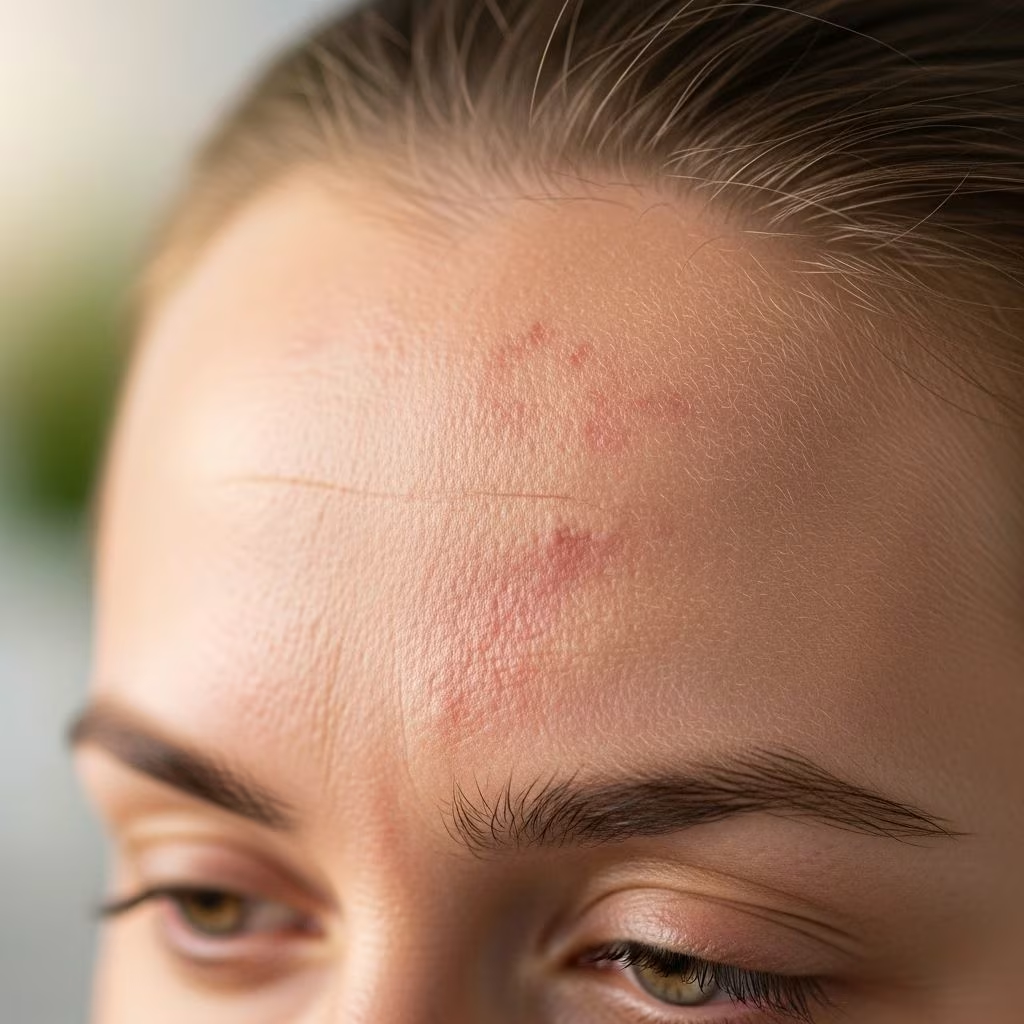
Dry patches on the forehead are a common and frustrating skin concern, particularly as the crisp autumn weather of mid-October sets in. Whether the patches are flaky, itchy, or simply make your complexion look uneven, understanding their causes and learning practical solutions can help you restore comfort and confidence to your skin.
Understanding Dry Patches on the Forehead
Dry patches, medically called xerosis or xeroderma, manifest as areas of skin that lose their natural moisture and become rough, flaky, or visibly scaly. On the forehead, these patches can be particularly noticeable and bothersome, not only for their appearance but also the discomfort caused by itching or tightness. The root cause of these patches is a compromised skin barrier, which fails to retain sufficient moisture and protect against environmental stressors.
Dry forehead patches are a common skin complaint as the seasons shift, particularly when moving from humid summer weather into the dry, cool air of autumn and winter.
Why Does Mid-October Worsen Dry Skin?
As October arrives, environmental factors create a perfect storm for forehead dryness:
- Decreased Humidity: As temperatures drop, indoor heating systems strip moisture from the air, leaving your skin with less available humidity to absorb.
- Wind: Chilly autumn breezes can disrupt the skin’s barrier and accelerate water loss.
- Sudden Temperature Fluctuations: Moving between cold outdoor air and overheated indoor spaces stresses facial skin, particularly on exposed areas like the forehead.
- Less Sebum Production: Cooler temperatures slow oil gland activity, reducing the skin’s natural ability to lubricate itself.
These environmental changes, combined with existing skincare habits, set the stage for the common mid-autumn complaint: dry patches on the forehead.
Common Causes of Dry Forehead Patches
The forehead’s dryness in October is often multifactorial. Here are the most common triggers:
- Cold, Dry Weather: A major factor as autumn sets in, due to reduced ambient moisture and exposure to winds.
- Hot Showers and Excess Cleansing: Long, hot showers and frequent face washing, especially with harsh soaps, remove natural oils and disrupt skin’s moisture balance.
- Use of Harsh Products: Soaps, exfoliating agents, astringents, and some cosmetics contain chemicals that strip moisture.
- Underlying Skin Conditions: Eczema (atopic dermatitis), seborrheic dermatitis, psoriasis, and contact dermatitis often surface or worsen during environmental changes.
- Nutritional Deficiencies: Lack of vitamins D, A, E, and certain B vitamins can cause dry skin patches.
- Dehydration and Diet: Not drinking enough water or consuming a diet low in healthy fats exacerbates dryness.
- Stress: High stress levels can disrupt the skin barrier’s function and influence oil production.
- Aging: Mature skin naturally loses moisture retention capacity.
- Medical Conditions: Diabetes, hypothyroidism, and certain medications may present with persistent dry facial patches.
- Sun Exposure: Recent sunburn or ongoing exposure can dry and damage the skin, especially after summer.
Contribution of Skin Conditions
| Condition | Typical Appearance | Forehead Involvement |
|---|---|---|
| Eczema | Red, itchy, flaky patches | Common, especially with seasonal triggers |
| Seborrheic Dermatitis | Yellowish, scaly, oily or dry patches | Frequent, particularly along hairline |
| Psoriasis | Silvery scales, thick plaques | Possible, but less common than scalp/elbows |
| Contact Dermatitis | Red, swollen, sometimes blistered | Possible with allergens or irritants |
Recognizing Symptoms: When to Be Concerned
Typical symptoms of dry patches on the forehead include:
- Flaky, rough, or scaly skin
- Itching, burning, or stinging sensations
- Pale, whitish, or reddish discoloration
- Visible lines or cracks
- Tightness, especially after cleansing
Warning signs to see a doctor:
- Patches that persist despite proper skincare
- Cracked or bleeding skin
- Signs of infection (pus, swelling, spreading redness)
- Appearance accompanied by other systemic symptoms
Persistent, painful, or worsening dryness may signal an underlying dermatologic or systemic condition requiring medical evaluation.
Effective Treatments and Remedies
The best treatment depends on the underlying cause, but most cases improve with a combination of skincare and lifestyle changes. Consider the following evidence-based steps:
- Switch to a Gentle Cleanser: Use fragrance-free, non-foaming cleansers that do not strip skin’s oils.
- Shorten Shower Time and Lower Temperature: Limiting showers to 5–10 minutes and avoiding hot water helps preserve moisture.
- Apply a Rich, Barrier-Repair Moisturizer: Thicker creams containing ceramides, glycerin, hyaluronic acid, or petrolatum trap water and help repair the skin barrier. Moisturize immediately after washing while the skin is still slightly damp.
- Avoid Irritating Ingredients: Stay away from alcohol-based toners, harsh exfoliants, and fragrances until dryness resolves.
- Spot Treatments: For localized scaly patches, OTC 1% hydrocortisone cream (for short periods) can reduce inflammation, especially for eczema or contact dermatitis. Use only as directed and consult a healthcare provider if needed.
- Introduce a Humidifier: Adding moisture to your living spaces helps compensate for dry indoor air common in October.
- Protect the Skin Outdoors: Wear hats or scarves in windy conditions and always apply broad-spectrum sunscreen, even on overcast days.
Simple Home Remedies
- Oatmeal Masks: Soothes irritation and provides gentle hydration.
- Aloe Vera Gel: Offers anti-inflammatory and moisturizing benefits.
- Honey: A natural humectant that helps the skin retain moisture.
- Coconut or Olive Oil: Useful as overnight treatments to lock in hydration.
Best Skincare Routine for October
Adopt a routine tailored to autumn’s environmental challenges:
- Morning:
- Gentle cleanse with lukewarm water and hydrating cleanser
- Apply a hydrating serum with ingredients like hyaluronic acid
- Layer a nourishing moisturizer
- Daily broad-spectrum sunscreen (SPF 30+)
- Evening:
- Cleanse gently; avoid double cleansing unless necessary
- Use a restorative moisturizer or facial oil to replenish the barrier
- Consider a lightweight overnight mask for added hydration
- Weekly:
- Gentle exfoliation (not more than once per week) if the skin tolerates, using mild enzymes or lactic acid
Avoid: Scrubbing, frequent exfoliation, and astringent-based products during this period of increased dryness.
Lifestyle and Dietary Adjustments
Optimal skin health begins from within:
- Hydration: Drink at least 8 glasses of water per day, and increase fluids if consuming caffeinated or alcoholic beverages.
- Balanced Nutrition: Ensure adequate intake of healthy fats (omega-3 fatty acids), vitamins D, E, and A, and antioxidant-rich fruits/vegetables.
- Supplements: If a healthcare provider identifies vitamin deficiencies, targeted supplements can improve skin health.
- Reduce Stress: Practice relaxation techniques such as yoga and meditation. Chronic stress weakens the skin’s barrier.
- Humidify Your Space: Place a humidifier in bedrooms and offices to restore indoor moisture levels.
Prevention: Tips for Healthy Autumn Skin
- Switch to richer moisturizers as seasons change.
- Layer hydrating serums beneath your main moisturizer.
- Protect your face from direct wind and sun whenever outdoors.
- Avoid excessive face washing (limit to twice a day unless sweating or heavily soiled).
- Patch test new skincare products before applying widely.
- Check your environment for potential allergens or irritants (detergents, fragrances).
- Address underlying medical issues that may surface as skin changes, especially for those with chronic illnesses.
When to Consult a Dermatologist
While most cases of dry forehead patches are responsive to home care and over-the-counter remedies, consult a healthcare professional if:
- Dryness is severe, persistent, or spreading
- Patches are painful, bleed, or show signs of infection
- Resistant to all self-care measures after two weeks
- You experience other unusual symptoms (hair loss, fever, systemic illness)
Persistent or severe symptoms may indicate eczema, psoriasis, or another dermatologic condition that could require prescription therapies.
Frequently Asked Questions (FAQs)
Q: Can dry patches on my forehead be a sign of something serious?
Dry skin patches are often due to environmental factors, but if they are resistant to standard care, spreading, or accompanied by other issues (bleeding, pain, infection), they may signal conditions like eczema, psoriasis, or underlying health issues. In such cases, consult a dermatologist.
Q: Why do I develop dry skin on my forehead, especially in October?
Colder temperatures, indoor heating, and lower humidity in October reduce the skin’s natural oils and moisture, especially on exposed areas like the forehead. Adjusting your skincare routine and home environment can help.
Q: Should I exfoliate dry patches on my forehead?
Gentle exfoliation once a week can remove flaky skin, but avoid strong scrubs or chemical exfoliants during flare-ups, as they may worsen irritation. Always follow with a thick moisturizer.
Q: Can diet changes improve dry skin?
A diet rich in omega-3 fatty acids, vitamins, and antioxidants helps strengthen the skin’s barrier and reduces dryness. Hydration is equally important.
Q: Is it possible to completely prevent autumn dry patches?
While environmental triggers are often unavoidable, vigilant adaptation of your skincare routine, home environment, and lifestyle habits can minimize risk and severity of dry patches.
Key Takeaways for October Skin Health
- Mid-autumn brings drier weather, increasing the risk of dry patches on the forehead.
- Focus on gentle cleansing, rich moisturizing, humidifiers, and internal hydration.
- Recognize when self-care isn’t enough—persistent or worsening symptoms require medical attention.
- Invest in autumn-appropriate, fragrance-free skincare and adjust your self-care routine to suit seasonal changes.
With the right approach, your skin can remain healthy, comfortable, and glowing all season long—even on the driest of October mornings.
References
- https://www.medicalnewstoday.com/articles/324935
- https://www.healthline.com/health/skin/dry-skin-patches
- https://www.prevention.com/beauty/skin-care/a44617264/dry-patches-on-face/
- https://my.clevelandclinic.org/health/diseases/16940-dry-skin
- https://www.mayoclinic.org/diseases-conditions/dry-skin/diagnosis-treatment/drc-20353891
- https://www.mayoclinic.org/diseases-conditions/dry-skin/symptoms-causes/syc-20353885
- https://my.clevelandclinic.org/health/diseases/14403-seborrheic-dermatitis


