


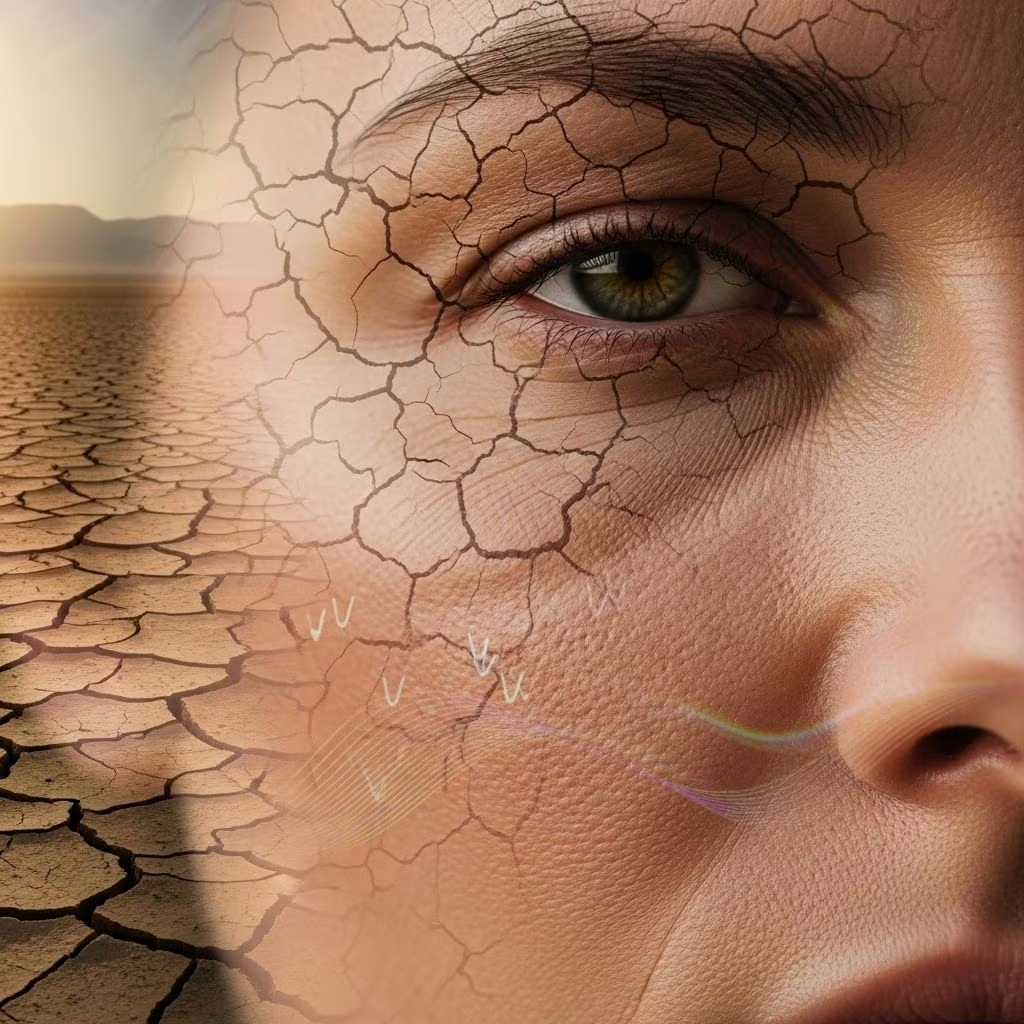
Climate change presents a growing challenge worldwide, not only affecting the environment but also human health in intricate ways. Among the most vulnerable organs is the skin—our first line of defense against the outside world. This article provides an extensive, research-driven analysis of how long-term environmental shifts are impacting skin health, discussing underlying mechanisms, disease patterns, vulnerable groups, and strategies for adaptation and prevention.
Introduction
The intersection of climate change and dermatology is emerging as a critical area in public health. The skin, being the outermost barrier, is directly exposed to ever-increasing environmental threats such as heat waves, UV radiation, air pollution, and infectious agents. Long-term exposure to these factors is disrupting skin homeostasis, influencing the prevalence and severity of skin disorders across the globe.
Recent wildfires, rising temperatures, and increased air pollution have resulted in noticeably higher rates of eczema, dermatitis, and infectious skin diseases in many regions, including developed urban areas.
How Climate Change Impacts Skin Health
Climate change affects skin health through a combination of direct and indirect mechanisms. Understanding these pathways is vital to anticipating changes in disease patterns and guiding prevention efforts.
Key Environmental Mechanisms
- Rising Temperatures: Elevated global temperatures increase perspiration, which can block pores and lead to heat-related dermatoses (such as miliaria) as well as exacerbate existing conditions like eczema and psoriasis.
- UV Radiation: Ozone layer depletion increases ultraviolet B (UVB) exposure. Chronically higher UV exposure raises lifetime risk for sunburn, photoaging, and skin cancers like melanoma and basal cell carcinoma.
- Air Pollution: Higher concentrations of pollutants (particulate matter, carbon monoxide, sulfur dioxide) penetrate the skin, promote oxidative stress, inflammation, pigmentation issues, and premature aging, and increase the burden of allergic and inflammatory skin diseases.
- Extreme Weather Events: Floods, hurricanes, and wildfires disrupt hygiene and increase risk of infectious, allergic, and traumatic skin injuries. They can also foster mold and insect-related dermatoses after water recedes.
- Altered Ecosystems: Changes in plant growth and pollen release enhance the potency and length of allergen seasons, raising the incidence and severity of contact and atopic dermatitis. Warmer climates also promote vector-borne and fungal skin infections.
- Stress and Socioeconomic Disruption: Natural disasters, migration, and scarcity of resources create psychological stress. Stress aggravates chronic skin conditions like psoriasis, urticaria, hair loss, and vitiligo.
Climate-Related Skin Diseases
As global climate patterns shift, new and existing skin diseases are changing in prevalence, distribution, and clinical features. Below are key conditions affected by climate change:
1. Skin Cancers
- Increased UV exposure from ozone depletion is strongly linked to a higher risk of skin cancers, including melanoma, basal cell carcinoma, and squamous cell carcinoma.
- Those with lighter skin (Fitzpatrick types I-III) are particularly at risk, but darker skin types may present with less obvious symptoms, leading to delayed diagnosis.
- Chronic exposure in childhood magnifies long-term cancer risk.
2. Inflammatory Skin Diseases
- Eczema (Atopic Dermatitis): Heat, humidity changes, air pollution, and stress significantly worsen eczema. Increasingly frequent flares correlate with extreme weather and air quality events such as wildfires.
- Psoriasis: Stress and air pollution are major triggers. These environmental changes are making management more challenging.
- Acne: Increased sweating, pollution, and use of occlusive masks (in response to poor air quality) can exacerbate acne and related conditions.
3. Allergies and Contact Dermatitis
- More potent and longer-lasting pollens, plus proliferation of plants like poison ivy in higher carbon dioxide environments, contribute to rising cases of allergic contact dermatitis.
- Airborne chemicals released during wildfires, storms, and floods cause both allergic and irritant dermatitis.
4. Infectious Diseases
- Floodwaters, humidity, and vector expansion have raised rates of fungal, bacterial, viral, and parasitic skin infections. Pathogens flourish in the post-disaster environment and with rising baseline temperatures.
- Mold infestations after floods and hurricanes can trigger rashes, allergies, and chronic inflammatory responses.
5. Pigmentation Disorders
- Hyperpigmentation (especially in darker skin tones) may result from pollution-driven inflammation and post-inflammatory changes exacerbated by UV and irritants.
- Vitiligo and other pigmentary disorders may be worsened by psychological and oxidative stress induced by climate disruptions.
Special Focus: Pediatric Skin Health
Children represent a uniquely vulnerable demographic as their skin barrier, immune response, and method of thermoregulation are still developing. Research demonstrates that pediatric skin is particularly sensitive to environmental stressors, thus facing distinctive risks from climate change:
- Immature sweat glands make children less able to regulate body temperature, increasing their susceptibility to heat rashes and heat-related inflammatory dermatoses.
- More time spent outdoors plus poor photoprotection habits result in a higher risk of acute sunburns, cumulative photo-damage, and subsequent skin cancers into adulthood.
- Air pollution and ozone depletion disrupt the delicate equilibrium of the pediatric skin barrier, exacerbating atopic dermatitis, promoting infection, and inflicting longer-term changes in skin immune regulation and microbiome diversity.
- Children in marginalized or developing regions experience disproportionate risk due to lack of resources, inadequate healthcare access, and dependency on caregivers for protection and treatment.
Vulnerable Populations & Health Disparities
Not all communities face equal risk. The impact of climate change on skin health is compounded in certain populations:
- Marginalized and Low-Income Groups: Barriers to healthcare, limited access to sunscreens, protective clothing, or air-filtration, and increased exposure during natural disasters intensify risk profiles.
- The Homeless and Displaced: Living with chronic exposure to harsh environments and disrupted hygiene, these groups are acutely exposed to air pollution, infectious agents, and the psychological stress of displacement.
- Residents of Developing Nations: Limited infrastructure, poor sanitation, and environmental exposures increase rates of skin disease and infectious outbreaks post-disaster.
- People With Pre-existing Skin Conditions: Chronic diseases like eczema, psoriasis, and vitiligo are worsened by environmental instability and healthcare inaccessibility.
Adaptation and Prevention Strategies
As skin disease patterns shift, both individual and community-level adaptation strategies are needed. Medical dermatology and public health organizations are promoting evidence-based interventions, including:
- Protective Behaviors: Routine application of broad-spectrum, mineral-based sunscreens and wearing protective clothing, hats, and sunglasses during high UV exposure hours.
- Indoor Air Quality Management: Using air purifiers (HEPA filters), sealing windows, and reducing outdoor exposure during wildfires or pollution events.
- Antioxidant Skincare: Topical antioxidants (e.g., vitamins C and E) help mitigate pollution-induced oxidative stress.
- Teledermatology and Community Outreach: Increasing healthcare access through virtual consultations and mobile clinics in disaster-prone or underserved regions.
- Climate-Resilient Skincare Products: New formulations designed to strengthen the skin barrier, address oxidative stress, and maintain microbiome stability in challenging environments.
Special attention is required for pediatric skin care: educating caregivers, enforcing sun safety, avoiding harsh detergents and irritants, and prioritizing hydration and barrier repair—especially in vulnerable children.
Research Gaps and Policy Implications
Despite significant progress, several challenges and knowledge gaps remain:
- Limited Pediatric and Longitudinal Research: There are few studies on long-term and childhood-specific climate impact on skin health.
- Socioeconomic and Regional Disparities: Public health programs must address inequality in access to dermatological care and preventive resources.
- Policy Integration: Dermatologic health should be fully integrated into climate adaptation and disaster-preparedness policies and funding priorities.
- Evidence-based Guidelines: More research is required to develop and validate climate-adaptive skin care frameworks and clinical protocols.
Frequently Asked Questions about Climate Change & Skin Health
Q1: Which skin diseases are increasing due to climate change?
A: Skin cancers (melanoma, basal and squamous cell carcinoma), eczema, psoriasis, acne, allergic and contact dermatitis, and infectious diseases (especially fungal, bacterial, and vector-borne infections) are all increasing in prevalence and severity as a result of climatic shifts.
Q2: Are children more at risk from climate-driven skin problems?
A: Yes. Due to underdeveloped skin barriers, immature immune systems, and reduced ability to regulate body temperature, children are much more susceptible to heat rashes, eczema flares, sunburn, and long-term cancer risk from UV exposure.
Q3: Does climate change make allergies and skin irritations worse?
A: Yes. More potent and persistent allergens in the air (from pollen and toxic plants), as well as particulate pollutants, directly aggravate allergic and irritant skin reactions, increasing the incidence and severity of atopic and contact dermatitis.
Q4: How does air pollution directly damage the skin?
A: Airborne pollutants such as particulate matter, sulfur dioxide, and carbon monoxide penetrate the skin, generate free radicals, cause inflammation, pigmentary changes, and speed up the aging process.
Q5: What prevention strategies are most effective against climate-impacted skin disease?
A: Protective clothing, use of mineral-based sunscreens, avoiding peak UV hours, maintaining indoor air quality, using antioxidant skincare, and improving access to skin care in vulnerable populations are key. Public education and climate preparedness in healthcare policy accelerate positive outcomes.
Key Takeaways Table: Main Climate Drivers & Skin Effects
| Climate Driver | Skin Health Impact | Vulnerable Populations |
|---|---|---|
| Rising Temperature | Heat rash, eczema/psoriasis flares, acne | Children, elderly, outdoor workers |
| UV Radiation | Sunburn, photoaging, skin cancer risk | Light-skinned, children, those with reduced access to sunscreen |
| Air Pollution | Inflammation, premature skin aging, pigmentation, eczema | Urban residents, homeless, low-income |
| Floods/Extreme Weather | Infections, wound aggravation, contact dermatitis | Marginalized, displaced, resource-poor |
| Allergens (Pollen, Toxic Plants) | Allergic/contact dermatitis, eczema | Children, sensitive individuals |
Conclusion
The interconnected nature of climate change and skin health demands a holistic approach, combining public health vigilance, social justice, medical innovation, and international collaboration. Equitable access to care, proactive adaptation strategies, and data-driven policies can help safeguard skin health for current and future generations.
References
- https://magazine.hms.harvard.edu/articles/how-warming-climate-wears-skin
- https://pmc.ncbi.nlm.nih.gov/articles/PMC12486683/
- https://www.dermatologyandmohssurgery.com/how-climate-change-is-affecting-skin-health-in-medical-dermatology/
- https://pubmed.ncbi.nlm.nih.gov/37336870/
- https://jmai.amegroups.org/article/view/9056/html
- https://academic.oup.com/bjd/article/193/Supplement_1/ljaf085.148/8162189


