


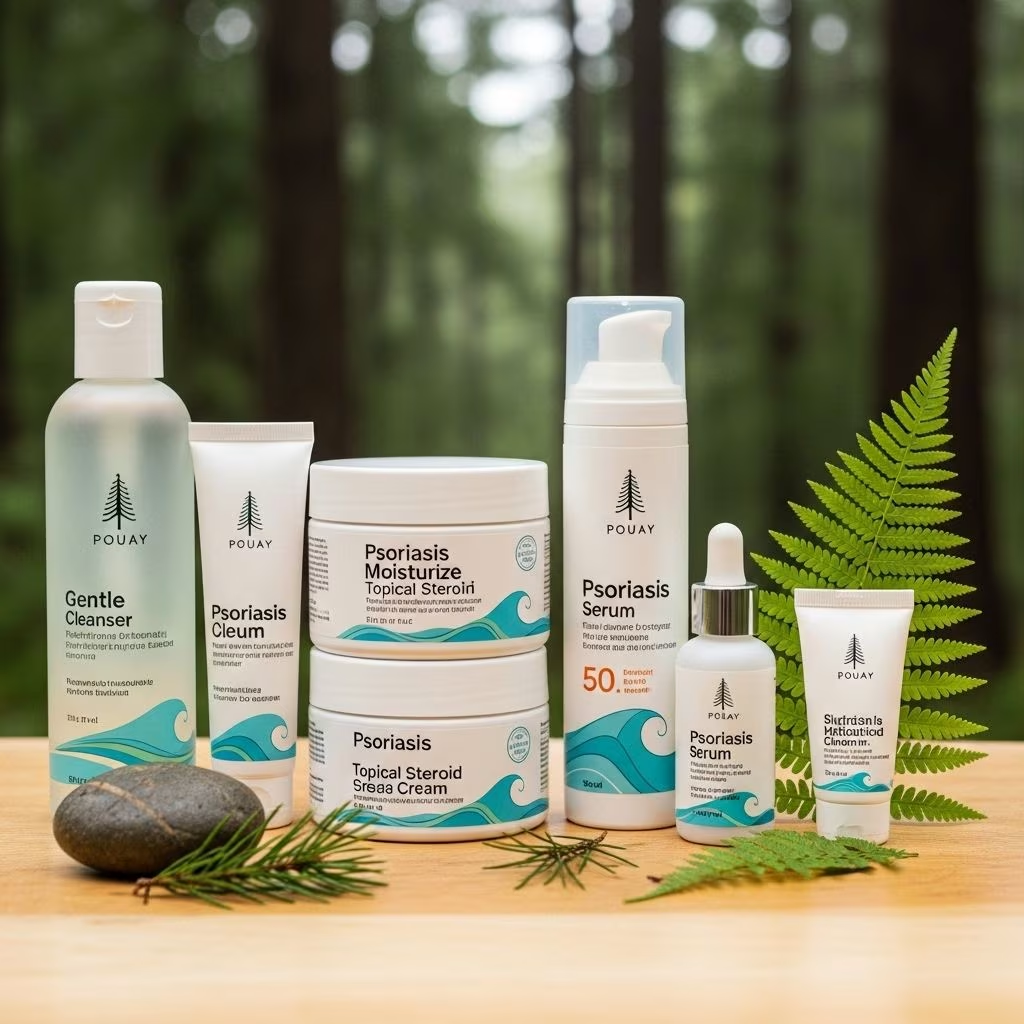
Living with psoriasis presents daily management challenges, especially in the unique weather conditions of the Pacific Northwest (PNW). The region’s cool, damp winters and mild, variable summers require a targeted, science-backed skincare approach to maximize comfort and minimize flare-ups. This comprehensive guide delivers a detailed, step-by-step skincare routine tailored to people with psoriasis, reflecting both the latest medical recommendations and local environmental realities.
Understanding Psoriasis and the Pacific Northwest Climate
Psoriasis is a chronic, immune-mediated skin disease characterized by red, scaly patches and persistent irritation. While its root causes are genetic and immunological, environmental factors — particularly climate and humidity — have a significant impact on symptom severity and frequency.
Pacific Northwest (PNW) weather is defined by:
- Mild but moist, cool winters with frequent rain
- Dry, warm spells in late summer/early fall
- Frequent indoor heating during cold months (which dries indoor air)
These conditions mean that residents are often exposed to fluctuating humidity and temperature, which can worsen skin dryness, disrupt the skin barrier, and trigger psoriatic flare-ups. Effective skincare in this region must address both hydration during drier periods and protection from excess moisture and abrupt weather changes.
References:
Step-by-Step Psoriasis Skincare Routine
1. Gentle Cleansing
The starting point for psoriasis care is gentle, non-irritating cleansing. Harsh soaps and long, hot showers strip skin of oils, leading to dryness and aggravating symptoms.
- Limit showers to 5-10 minutes; baths to no more than 15 minutes.
- Always use lukewarm water — never hot.
- Choose soap-free, fragrance-free, and alcohol-free cleansers labeled for sensitive or dry skin.
- Use hands to wash; avoid loofahs, sponges, and harsh washcloths, which can traumatize plaques.
- When shaving, use a fresh razor and plenty of gentle shaving cream; shave in the direction of hair growth to avoid micro-cuts.
- Pat skin dry gently with a soft towel — do not rub.
References:
2. Immediate Moisturizing (Within 5 Minutes)
Hydration is central to managing psoriasis. Applying moisturizer to damp skin after cleansing locks in water, enhances skin barrier repair, and soothes stiffness or itchiness.
- Pick rich creams or ointments containing emollients (e.g., shea butter, petrolatum), humectants (e.g., hyaluronic acid, glycerin), or skin-barrier boosters (e.g., ceramides).
- Moisturize while skin is still slightly damp.
- Apply liberally to all areas — not just active plaques.
- Repeat application after handwashing, bathing, or exposure to harsh elements.
- For knees, elbows, hands, and feet, consider thicker barrier creams or petrolatum-based ointments overnight (with cotton gloves or socks for enhanced absorption).
References:
3. Targeted Treatments and Soothing Care
- For inflamed plaques, consider doctor-prescribed topical corticosteroids or vitamin D analogs as directed by your dermatologist.
- Apply aloe vera gel (pure, fragrance-free) to reduce itch and soothe irritation. Monitor for any reaction; discontinue if worsened symptoms are noticed.
- Oatmeal baths can calm widespread irritation and soften scales. Always moisturize immediately after.
- For rapid relief of severe itching, use over-the-counter treatments with camphor, calamine, or menthol on advice from a healthcare provider.
References:
4. Sun Protection
- Apply a broad-spectrum sunscreen (SPF 30+) to all exposed skin, even on cloudy days, as Ultraviolet rays penetrate clouds and can both benefit and trigger psoriasis flares.
- Select sunscreens labeled fragrance-free and suitable for sensitive skin.
- Protect skin from physical irritation and sunburn — any trauma can provoke new lesions (the Koebner phenomenon).
References:
5. Scalp and Hair Care
- Choose gentle, tar-based or medicated shampoos if prescribed, alternating with mild, fragrance-free shampoos.
- Do not scratch or forcibly remove scales; instead, soften with pre-shampoo oils or overnight emollient treatments.
- Limit heated styling and avoid direct contact with irritated areas.
- Brush and style hair with soft, wide-tooth combs.
References:
6. Nighttime Routine
- Apply thick emollient creams or ointments generously before bed.
- Consider “wet wrap” therapy for stubborn areas: after moisturizing, cover the area with a damp, then dry, layer of gauze or cotton overnight to enhance penetration.
- Keep the bedroom humidified (use a humidifier) during winter months to counteract the drying effects of indoor heating.
References:
Customizing Your Routine for Pacific Northwest Weather
Winter: Cold, Humid, and Damp
- Increase moisturizing frequency, especially after returning indoors from cold, windy, or rainy conditions.
- Batch all showers/baths to the evening to avoid stripping skin’s barrier during morning outdoor exposure.
- Use humidifiers to maintain indoor humidity at 40–60% and prevent additional dryness due to heating systems.
- Dress in soft, layered, non-wool fabrics; avoid rough, synthetic fibers against affected areas.
Late Summer: Dry, Hot Spells
- Apply lightweight, non-greasy moisturizers more frequently, as outdoor heat and indoor cooling systems both reduce humidity.
- Increase sun protection and reapply sunscreen every two hours if outside.
- Stay hydrated by drinking water consistently throughout the day.
The Pacific Northwest’s variation in humidity and temperature makes continuous vigilance and adaptation essential.
Choosing Psoriasis-Friendly Products
Product selection directly influences symptom control in psoriasis. The PNW, with its emphasis on green products, presents many natural and commercial options, but not all are appropriate for sensitive or psoriatic skin.
| To Seek Out | To Avoid |
|---|---|
|
|
Seek products that display the National Psoriasis Foundation Seal of Recognition whenever possible. These items are tested for safety and non-irritation in psoriatic disease.
Lifestyle, Self-Care, and Flare-Up Prevention
While skincare is essential, lifestyle factors contribute substantially to the success or failure of a psoriasis management strategy, especially amid the PNW’s fluctuating climate and outdoor lifestyle.
- Stress management: Utilize mindfulness, yoga, or hobbies to lower the stress response, which is a proven psoriasis trigger.
- Balanced diet: Choose anti-inflammatory foods (fatty fish, leafy greens, fruits) and reduce alcohol and processed foods.
- Stay active: Moderate exercise supports healthy skin circulation and immune function.
- Monitor flare triggers: Keep a diary to identify correlations between outbreaks and weather, foods, stress, or new products.
- Communicate with your dermatologist: Regular check-ins, especially before introducing new treatments or routines, are essential.
References:
Frequently Asked Questions (FAQs)
Q: Are there triggers unique to the Pacific Northwest for psoriasis flares?
A: The region’s prolonged dampness, wet winters, and frequent indoor heating combine to allow for both excess dryness and irritation. Frequent shifts between cold/wet outdoor conditions and dry, heated interiors can stress skin and precipitate flare-ups.
Q: Which is better in PNW — ointments or creams?
A: Thick, ointment-based moisturizers are usually better in cold or dry months, as they form an effective barrier against both dry heat indoors and cold winds outside. Creams may suffice in milder, more humid weather.
Q: Can I use natural or organic skin care products?
A: Only if they are fragrance-free and tested for sensitive skin. Many “natural” products contain essential oils or herbal extracts that may trigger irritation or allergic reactions in sensitive skin. Always patch-test and consult your dermatologist if in doubt.
Q: How do I manage scalp psoriasis during the rainy PNW seasons?
A: Minimize scalp trauma, use tar-based or medicated shampoos recommended by your doctor, and avoid vigorous scratching, which can worsen outbreaks. Indoor humidity may help reduce flakiness, but excessive moisture under hats or hoods should be minimized when possible.
Q: Is UV therapy effective in the Pacific Northwest?
A: UVB phototherapy can be effective, but due to limited strong natural sunlight in the PNW, especially during the winter, this is usually administered in a dermatologist’s office with controlled light sources.
Final Thoughts
Developing a psoriasis-friendly skincare routine in the Pacific Northwest demands consistency, customization to local weather conditions, and the selection of gentle, effective products. By following a gentle cleansing and intensive moisturizing regimen, protecting skin from environmental stressors, and adjusting seasonally, you can minimize discomfort and improve skin health throughout the year.
Always consult a dermatologist before starting new treatments, and adapt routines as needed. Empower yourself with knowledge and flexible strategies to meet the unique needs of psoriasis care in the PNW.
References
- https://dermatologyseattle.com/the-best-skin-care-routine-for-psoriasis-essential-tips-and-tricks/
- https://ada.com/editorial/how-to-care-for-skin-with-psoriasis/
- https://coloradospringsdermatologyclinic.com/blog/7-tips-for-psoriasis-skin-care/
- https://www.goodrx.com/conditions/psoriasis/plaque-psoriasis-skin-care
- https://www.bannerhealth.com/healthcareblog/teach-me/self-care-and-skincare-for-psoriasis
- https://dermatologyseattle.com/seattle-skin-guide-pacific-northwest-weather/
- https://www.healthline.com/health/psoriasis/psoriasis-skin-care-guide
- https://www.psoriasis.org/seal-of-recognition-program/
- https://www.afcurgentcare.com/portland/blog/category/skin-care/


