


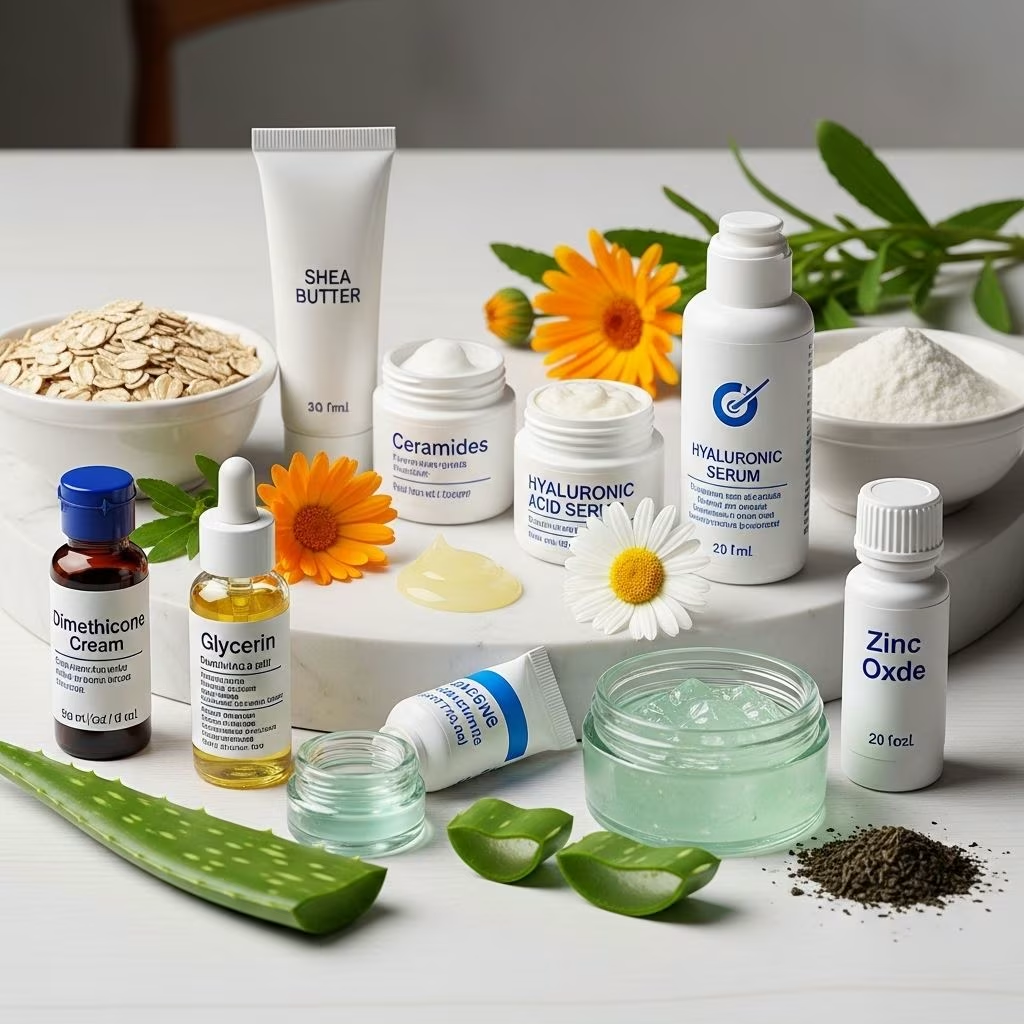
Eczema affects millions worldwide, manifesting as itchy, red, and inflamed patches of skin that can disrupt daily comfort and quality of life. Thankfully, a variety of over-the-counter (OTC) ingredients and formulations can help control symptoms, especially itch and redness. This comprehensive guide explores the most effective OTC options—including their benefits, science, usage tips, and safety information—to help you soothe and manage eczema at home.
Understanding Eczema: Symptoms & Triggers
Eczema (primarily atopic dermatitis) is a chronic inflammatory skin disorder marked by:
- Persistent itching (sometimes severe)
- Redness or discoloration
- Dry, scaly, or cracked skin
- Swelling and sometimes oozing
While its exact cause remains unclear, genetic factors and an overreactive immune response play major roles. Typical triggers include irritants, allergens, stress, temperature changes, and infections.
How OTC Products Soothe Eczema
OTC eczema products are designed to:
- Restore the skin barrier and lock in moisture
- Relieve itch and inflammation
- Reduce redness and discomfort
- Prevent infection by supporting healthy skin
They do not cure eczema but can significantly improve symptoms and quality of life when used appropriately.
The Best OTC Ingredients for Eczema Relief
Science supports several OTC ingredients for targeting itch and redness associated with eczema. Below are those with the most evidence and dermatologist support.
1. Hydrocortisone (Low-Potency Topical Steroid)
Hydrocortisone is a mild corticosteroid, widely available OTC in 0.5% to 1% concentrations. It:
- Reduces itching and inflammation
- Helps diminish redness and swelling
- Is safe for short-term use on mild to moderate eczema patches
Usage tips: Apply a thin layer one to four times/day for up to seven days, unless your doctor advises otherwise. Overuse can cause skin thinning, acne, or changes in pigmentation.
2. Colloidal Oatmeal
Colloidal oatmeal (finely ground oats) provides anti-inflammatory and protective benefits. It:
- Relieves dryness, itch, and redness
- Soothes irritation and helps lock in moisture
- Is found in bath additives, creams, and lotions
This ingredient is FDA-approved for skin protectant use and rarely causes irritation, making it suitable even for sensitive skin.
3. Aloe Vera
Aloe vera gel is derived from the leaves of the aloe plant. It contains compounds with:
- Anti-inflammatory effects to reduce redness and itch
- Antibacterial and antimicrobial properties, helping prevent infection in cracked skin
- Moisturizing and cooling benefits
Some clinical research suggests aloe vera blends (like aloe with olive oil) may offer notable improvement in eczema severity.
4. Shea Butter
Shea butter is a natural fat from the shea tree, rich in linoleic acid and other nourishing compounds. It:
- Seals in moisture and strengthens the skin barrier
- Reduces itch and inflammation
- May help keep out germs thanks to its antimicrobial properties
Shea butter is usually well tolerated and featured in both pure form and as a component of commercial eczema creams.
5. Coconut Oil
Virgin coconut oil is known for its high content of beneficial fatty acids, providing:
- Intense hydration and barrier repair
- Mild anti-inflammatory and antibacterial effects
- Reduced itchiness and risk of infection
It can be applied directly to damp skin after bathing but should be avoided by those allergic to coconuts.
6. Ceramides
Ceramides are naturally occurring skin lipids (fats) critical for maintaining a healthy barrier. As OTC ingredient, they:
- Restore the skin’s protective function
- Reduce water loss and dryness
- Work best in fragrance-free, moisturizer-rich formulas
Ceramide creams and lotions are favored by dermatologists for chronic maintenance therapy.
7. Petrolatum (Petroleum Jelly)
Petrolatum (e.g., Vaseline) is a highly effective occlusive:
- Prevents water loss by sealing the skin
- Protects against external irritants and supports barrier recovery
- Can support production of skin’s antimicrobial peptides
It is best used as a final step over other products, especially at night, and is safe for even very young children.
8. Glycerin & Hyaluronic Acid
Both glycerin and hyaluronic acid are humectants that pull moisture from the air into your skin. These ingredients:
- Effectively boost hydration and comfort without burning or stinging
- Are widely included in OTC creams for sensitive and eczema-prone skin
Creams or gels with these agents are especially suitable for mild to moderate eczema and daily maintenance.
9. Niacinamide (Vitamin B3)
Niacinamide occurs naturally in the body and in small doses:
- Strengthens and smooths skin
- Calms inflammation and reduces redness
- Enhances skin hydration
Look for niacinamide in select OTC lotions and creams, often paired with ceramides for advanced repair.
10. Pramoxine (Topical Analgesic)
Pramoxine is an FDA-approved ingredient found in some OTC anti-itch creams:
- Provides temporary relief from itching
- Can be used alongside moisturizers for added comfort
Generally well tolerated, it offers an alternative to allergenic or irritating topical ingredients.
11. Antihistamines (Oral, Not Topical)
Oral antihistamines (like diphenhydramine/Benadryl) may be recommended for patients struggling to sleep due to itch. They:
- Do not treat eczema directly but reduce systemic itch responses
- Have sedative effects that may be helpful overnight
Oral antihistamines are not approved as a primary eczema therapy; consult your provider before adding them.
12. Emollients
Emollients are unperfumed, medical moisturizers specifically formulated for eczema. They:
- Hydrate and smooth the skin
- Support the repair of the protective skin barrier
- Decrease frequency and severity of flare-ups
Daily and generous use can make a significant difference in symptom management.
Natural Ingredients Gaining Attention
- Oatmeal baths: Reduce itch and soothe flared skin.
- Honey: Mild antimicrobial and healing properties.
- Tea tree oil: Has anti-inflammatory effects but may cause allergic reactions; patch-test first.
How to Choose an OTC Eczema Product
Skin sensitivity and allergy risk: Always select fragrance-free, dye-free, and hypoallergenic formulations, as eczema-prone skin is highly reactive.
Product type and season: Creams and ointments are generally more effective for retaining moisture than lotions, especially in colder, drier months.
- If you have mild eczema, daily use of emollients and occasional hydrocortisone may suffice.
- For moderate to severe eczema, consider layering treatments and coordinating with a healthcare provider.
Be wary of products making exaggerated claims or those with long ingredient lists containing unknown substances.
Application Tips for Maximum Relief
- Apply moisturizer or emollient immediately after bathing while the skin is still damp to trap moisture.
- Use gentle, patting motions to avoid aggravating inflamed areas.
- When using steroid creams like hydrocortisone, apply them before your moisturizer, unless directed otherwise by your dermatologist.
- For itch and redness at night, occlusive ointments (like petroleum jelly) can protect skin and support overnight healing.
Avoid known triggers and contact with hot water, harsh cleansers, or abrasive fabrics.
Frequently Asked Questions (FAQs)
What is the safest OTC ingredient to try first for eczema relief?
Colloidal oatmeal is very well tolerated and is often recommended as a first approach. It soothes itch and redness and rarely causes irritation.
Can I use multiple OTC ingredients together?
Yes. Many people layer different OTC products, such as hydrocortisone then a moisturizer, or emollient creams over colloidal oatmeal lotions. However, be careful with overuse of steroid creams and always patch test new products.
Are “natural” ingredients always safe for eczema?
No. Some natural extracts (like essential oils) can provoke irritation or allergic reactions. Stick to proven, low-risk options like shea butter, colloidal oatmeal, or virgin coconut oil, and always test new products on a small area first.
How long should I use an OTC steroid cream?
Most low-potency hydrocortisone creams should be used for no more than 7 days per flare unless directed otherwise by a doctor. Prolonged or frequent use can lead to side effects.
When should I see a doctor?
If your eczema does not improve with OTC therapies, worsens, or shows signs of infection (like pus, weeping, or increased pain), consult a dermatologist for prescription options or further assessment.
Ingredient Comparison Table: OTC Eczema Relief
| Ingredient | Primary Effects | Best for | Safety Notes |
|---|---|---|---|
| Hydrocortisone | Anti-inflammatory, reduces itch & redness | Short-term flare-ups | Limit to 7 days per flare |
| Colloidal Oatmeal | Soothes, hydrates, anti-itch | Daily use, sensitive skin | Very low irritation risk |
| Shea Butter | Seals moisture, supports skin barrier | Dry, cracked skin | Test for nut allergies |
| Coconut Oil | Hydrates, mild anti-inflammatory | Moisturization, infection risk | Avoid if coconut allergy |
| Petrolatum | Occlusive, traps moisture, repairs barrier | Nighttime repair, severe dryness | Can be greasy, use white petroleum jelly |
| Glycerin / Hyaluronic Acid | Humectant, draws in moisture | Mild-moderate dryness | Widely tolerated, non-irritating |
| Niacinamide | Reduces inflammation & redness | Sensitive, inflamed skin | Low allergy risk |
| Pramoxine | Blocks itch signals | Persistent itch | Patch test for sensitivity |
| Aloe Vera | Soothes, heals skin, anti-inflammatory | Light irritation, minor wounds | May cause allergic reaction in some |
| Emollients | Moisturizes, restores barrier function | All eczema patients | Pick fragrance-free types |
Final Thoughts
For ongoing eczema relief, the most effective approach typically combines science-backed OTC ingredients—such as hydrocortisone, colloidal oatmeal, ceramides, shea butter, and petrolatum—with proper application habits and lifestyle adjustments. Always monitor for adverse reactions, use steroid products as directed, and consult your healthcare provider for persistent or worsening symptoms. Consistent, gentle care is key to long-term skin comfort and health.
References
- https://nationaleczema.org/treatments/over-the-counter/
- https://www.healthline.com/health/eczema/homemade-cream-for-eczema
- https://www.medicalnewstoday.com/articles/324228
- https://www.webmd.com/skin-problems-and-treatments/eczema/ss/slideshow-best-and-worst-cosmetic-ingredients-for-eczema
- https://nationaleczema.org/blog/6-essential-products-and-ingredients-for-eczema/
- https://eczema.org/information-and-advice/treatments-for-eczema/emollients/
- https://health.clevelandclinic.org/home-remedies-for-eczema


