


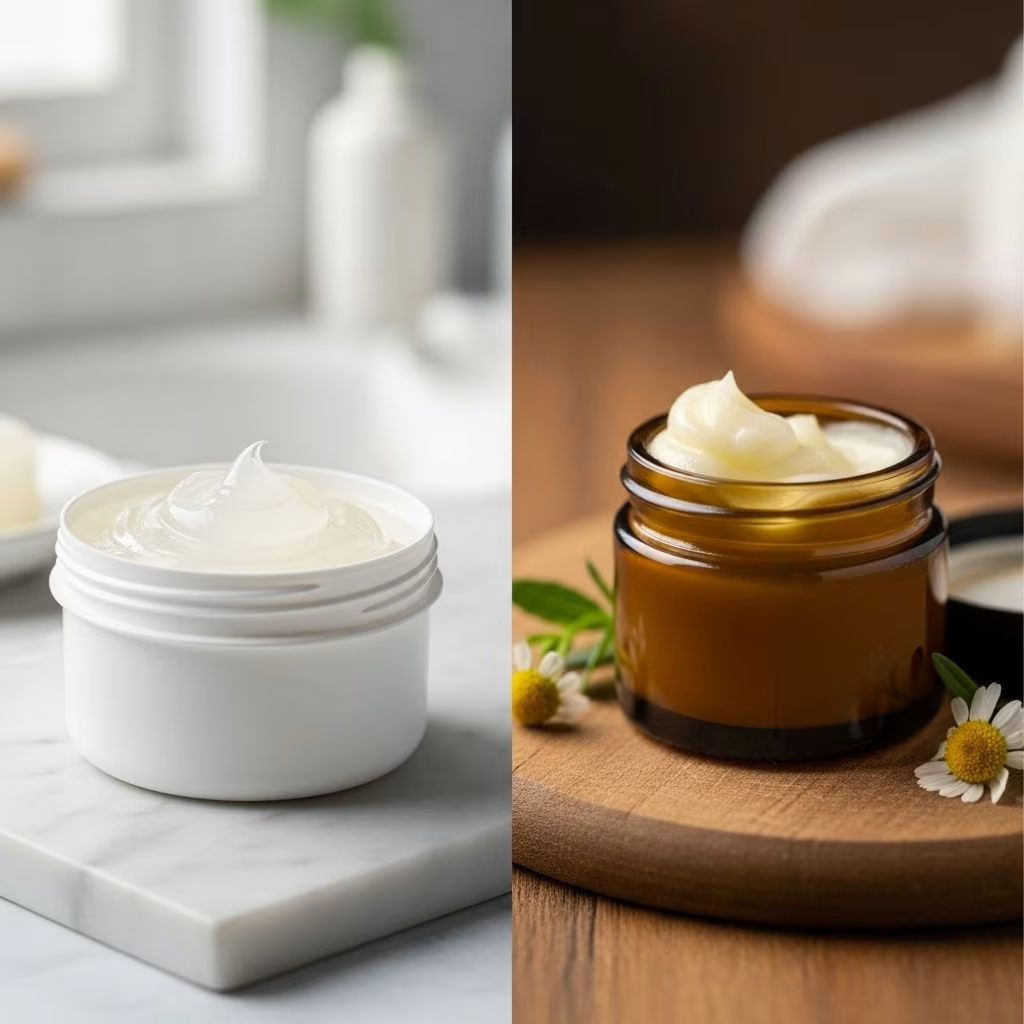
Dry, cracked skin is a common concern, especially in harsh climates, after excessive hand washing, or due to underlying skin conditions. Two of the most popular solutions for sealing in moisture and aiding the healing process are petroleum jelly and lanolin. While both act as occlusives, forming a barrier to prevent water loss, their origins, compositions, efficacy, and safety profiles differ significantly. This in-depth guide compares petroleum jelly and lanolin to help you make an informed choice for your skin.
What Are Occlusives and Why Are They Important for Cracked Skin?
Occlusives are ingredients that form a protective barrier on the surface of the skin, reducing transepidermal water loss (TEWL) by physically blocking evaporation. For cracked or severely dry skin, this barrier is crucial because:
- It prevents moisture loss, which is a key factor in skin healing and repair.
- It protects against irritation and infection by shielding damaged skin from harsh environmental factors, pollutants, and microbes.
- In combination with emollients or humectants, occlusives can restore skin integrity more rapidly.
The two predominant occlusives used in mainstream and clinical skincare are petroleum jelly and lanolin, each with unique attributes.
Petroleum Jelly: An Overview
Petroleum jelly, commonly known as Vaseline, is a semi-solid mixture derived from refining crude oil. Its use in skincare dates back to the 1800s when it was first recognized for its ability to form a water-protective barrier on the skin.
- Source: Byproduct of petroleum (crude oil) refinement.
- Texture: Thick, greasy, and semi-solid; sits atop the skin.
- Primary function: Occlusive; prevents evaporation of water from the skin.
- Common uses: Healing minor cuts, treating chapped lips, preventing diaper rash, protecting wounds, “slugging” facial skin care.
Petroleum jelly is inert—it rarely reacts chemically with skin or other substances—which contributes to its reputation for being gentle and unlikely to provoke irritation or allergies for most people.
Lanolin: An Overview
Lanolin is a waxy, yellowish fat naturally produced by the sebaceous glands of wool-bearing animals, primarily sheep. After shearing, the wool undergoes a purification process to extract lanolin for cosmetic and medical use.
- Source: Natural animal-based byproduct (from sheep’s wool).
- Texture: Soft, thick, dense but more absorbent than petroleum jelly.
- Primary function: Emollient and semi-occlusive; moisturizes and protects.
- Common uses: Treating dry lips, cracked nipples (especially in breastfeeding), rough skin patches, cuticle and nail care, baby care products.
Lanolin is prized for its ability to both moisturize and seal in hydration due to properties similar to human skin oils.
How Do They Work?
- Petroleum Jelly: Acts as a pure occlusive. It forms a waterproof layer that stops water loss but doesn’t add moisture—its role is to trap any water already in or beneath the skin.
- Lanolin: Functions as both an emollient and a semi-occlusive. Lanolin not only forms a mild barrier but also penetrates the skin to deliver hydration, mimicking natural human skin oils. It helps smooth and soften (emollient action) while still reducing evaporation.
In summary, while both seal and retain moisture, lanolin offers added emollient benefits that petroleum jelly lacks.
Effectiveness for Healing Cracked Skin
Petroleum Jelly
- Provides an effective barrier that keeps skin hydrated and allows natural repair processes to occur.
- Recommended by dermatologists for dry, chapped lips and severely dry skin, due to its proven ability to seal in moisture.
- Especially good for wound healing and protecting skin after injuries or dermatological procedures.
Lanolin
- Penetrates deeper than petroleum jelly, hydrating and repairing dry or cracked skin from within.
- Can hold up to 400% of its weight in water, offering impressive hydration.
- Nourishes, rejuvenates, and supports the skin’s natural regeneration due to its similarity to skin’s own lipids.
- Effective for chapped lips, cracked nipples, and specialized areas (like cuticles).
Clinical evidence suggests that both can help heal cracked skin, but lanolin may provide superior moisturization, especially in extremely dry environments.
Suitability for Different Skin Types and Sensitivities
- Petroleum Jelly: Generally non-irritating and hypoallergenic. Safe for most skin types, including babies and those with sensitive skin. Because it is inert, it is unlikely to cause a reaction.
- Lanolin: Closely mimics human skin oils, making it compatible for most. However, it can cause allergic reactions in some, particularly those with wool allergies or highly sensitive skin. Hypoallergenic or purified lanolin is less likely to cause reactions.
People with eczema or prone to allergies might need to patch-test lanolin-based products, as lanolin sensitivity is more common than petroleum jelly allergy.
Nutritional Content and Benefits
- Lanolin: Rich in essential fatty acids (omega-3, omega-6), vitamin D, and other skin-nourishing components. These nutrients help replenish and revitalize damaged or cracked skin.
- Petroleum Jelly: Chemically inert and nutrient-free; its role is solely as a barrier and it does not contribute nourishment to the skin.
This nutritional richness allows lanolin to not only seal in moisture but also actively improve skin health over time.
Safety, Allergies, and Risks
| Criteria | Petroleum Jelly | Lanolin |
|---|---|---|
| Source | Chemical (petroleum byproduct) | Natural (sheep’s wool) |
| Allergy risk | Very low | Moderate (especially with unpurified or in sensitive individuals) |
| Comedogenicity | May clog pores; caution for acne-prone skin | Low, but possible; best for dry/normal skin |
| Toxicity concerns | Low for medical-grade; unrefined forms may contain impurities | Low for purified grades |
| Suitability for infants | Yes | Yes (but patch test for lanolin sensitivity) |
| Vegan suitability | Vegan | Not vegan (animal-derived) |
Lanolin allergies can manifest as redness, rash, or itching. If you have a known wool allergy, consider patch-testing before applying lanolin. Petroleum jelly is generally non-sensitizing but does not allow the skin to breathe and may exacerbate acne if used in excess.
Tips for Using Occlusives on Cracked Skin
- Apply to damp skin. After bathing or washing, pat skin dry (leave slightly damp) and immediately apply your occlusive. This locks in the existing moisture for maximum effectiveness.
- A little goes a long way. Occlusives are dense and can feel heavy. Use sparingly and only where needed.
- For lips and small cracked areas, both products are effective. Choose based on personal sensitivity and texture preference.
- If you have oily or acne-prone skin, avoid applying petroleum jelly to the face or use only on targeted areas.
- Patch test lanolin products if you’re prone to allergies, especially before applying to sensitive areas like lips or nipples.
Summary Table: Petroleum Jelly vs. Lanolin
| Petroleum Jelly | Lanolin | |
|---|---|---|
| Type | Occlusive (barrier only) | Semi-occlusive + emollient |
| Moisture retention | High (seals existing moisture) | High (attracts and retains moisture) |
| Skin feel | Greasy, heavy, sits on top | Softer, partially absorbs, less greasy |
| Nutrient content | None | Rich in fatty acids, vitamins |
| Natural/vegan | Petrochemical, vegan | Natural, not vegan |
| Allergy risk | Very low | Moderate (lanolin sensitivity possible) |
| Best for | Wound care, chapped lips, sealing out irritants | Daily hydration, cracked nipples, lips, tough skin |
Frequently Asked Questions (FAQs)
Q: Is petroleum jelly or lanolin better for severely cracked skin?
A: For severely cracked skin, petroleum jelly is highly effective as it forms a complete barrier, preventing further moisture loss, while lanolin both seals and nourishes. Both can be used, but lanolin may offer additional hydration and is often preferred for ongoing maintenance, while petroleum jelly provides immediate protection in acute cases.
Q: Which is safer for sensitive or allergy-prone skin?
A: Petroleum jelly is inert and rarely causes allergy, making it suitable for most people, including infants and those with sensitive skin. Lanolin, while generally safe, can cause allergic reactions in some, especially those allergic to wool.
Q: Can both petroleum jelly and lanolin be used on lips?
A: Yes. Both are popular for treating dry, chapped lips. Lanolin is often preferred due to its lighter, less greasy feel and superior nourishment, but caution is advised if you have lanolin sensitivity.
Q: Are there any risks in using petroleum jelly on acne-prone skin?
A: Petroleum jelly is occlusive and can trap oils or bacteria, potentially worsening acne in some individuals. It is best avoided on the face if you are prone to acne or breakouts.
Q: Is lanolin vegan?
A: No, lanolin is derived from sheep’s wool and is not vegan. Petroleum jelly, while derived from petrochemicals, is considered vegan, though not natural.
Q: Which product is more versatile for different skin concerns?
A: Lanolin is highly versatile—used on lips, cuticles, nipples (especially for breastfeeding mothers), and dry skin patches. Petroleum jelly is more limited to heavy-duty sealing and wound protection.
Conclusion
Both petroleum jelly and lanolin are effective occlusives, but they offer distinct advantages. If you seek immediate and strong protection with no allergy risks, petroleum jelly is ideal. If you want extra moisturization, nourishment, and a more natural ingredient, lanolin is superior. Always consider personal sensitivities, preferences, and ethical choices when choosing your occlusive for cracked skin.
References
- https://www.nznaturally.nz/blogs/news/the-advantages-of-lanolin-a-natural-alternative-to-petroleum-jelly
- https://www.rolexlanolin.com/blog/lanolin-vs-petroleum-jelly/
- https://lanolips.com/blogs/blog/lanolin-vs-petroleum-jelly-which-is-better
- https://www.goodrx.com/health-topic/dermatology/aquaphor-vs-vaseline
- https://www.aad.org/public/everyday-care/skin-care-basics/dry/heal-dry-chapped-lips
- https://hsconnect.org/aquaphor-vs-petroleum-jelly-vs-cerave-whats-best-for-hs-wound-care/
- https://www.breastfeedingnetwork.org.uk/factsheet/moist-wound-healing/


