


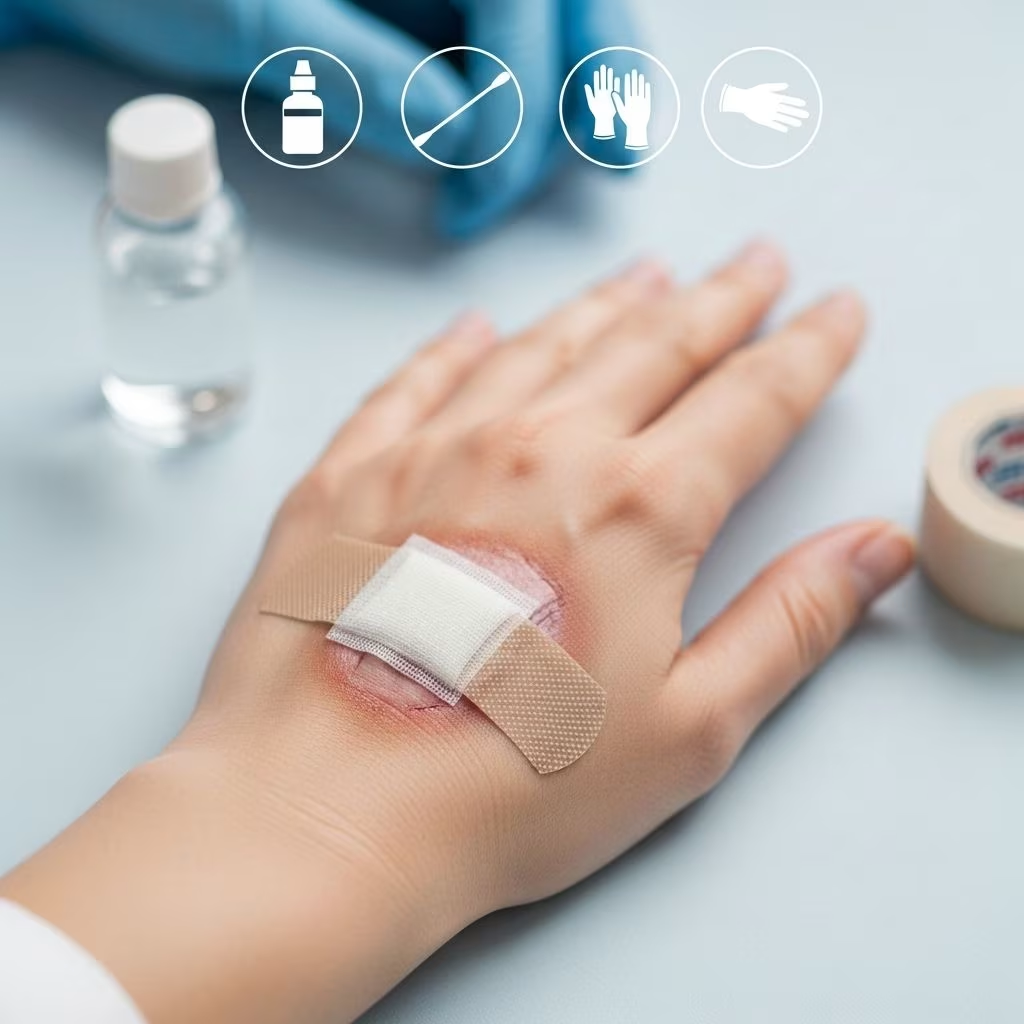
Introduction to Preventing Skin Infections
Preventing skin infections is essential for maintaining overall health and well-being. Open lesions can become breeding grounds for bacteria, leading to infections that can be painful and difficult to treat. Proper care and prevention strategies are key to avoiding these complications.
Understanding Skin Infections
Skin infections occur when bacteria, viruses, or fungi invade the skin, causing inflammation and damage. Common causes include Staphylococcus and Streptococcus bacteria, which can enter through cuts, scrapes, or other open wounds. Early detection and treatment are crucial to prevent the spread of infection.
Types of Skin Infections
- Puncture Wounds: Often caused by stepping on nails or thorns, these wounds are prone to infection.
- Abrasions: Scrapes or scratches that can become infected if not properly cleaned.
- Lacerations: Deep cuts that require stitches and can be susceptible to infection.
- Bites and Burns: Both can lead to infections if not treated promptly.
Prevention of Skin Infections
Preventing skin infections involves good hygiene practices, proper wound care, and strategies to reduce the risk of infection.
Good Hygiene Practices
- Wash Hands Frequently: Especially before and after handling wounds to prevent the spread of bacteria.
- Shower Regularly: To keep the skin clean and reduce bacterial load.
- Wash Clothing and Bedding: Regularly to prevent reinfection.
- Avoid Sharing Personal Items: Such as towels, razors, or clothing.
Proper Wound Care
- Stop Bleeding: Use a clean cloth or bandage to apply gentle pressure until bleeding stops.
- Clean the Wound: Rinse with water and clean around the wound with soap. Avoid hydrogen peroxide or iodine as they can irritate the wound.
- Apply Antibiotic Ointment: To reduce the risk of infection and promote healing.
- Cover the Wound: Use a bandage or gauze to keep the wound clean and moist.
- Change Dressings Regularly: At least once a day or when the dressing becomes wet or dirty.
Treatment of Minor Infected Wounds
For minor infections, over-the-counter antibiotic ointments like NEOSPORIN can be effective. However, severe infections may require medical attention.
Signs of Infection
- Increased Redness and Swelling
- Warmth or Tenderness
- Pus or Discharge
- Increasing Pain
Additional Strategies for Prevention
In addition to good hygiene and wound care, other strategies can help prevent skin infections:
Use Protective Gear
Wearing protective clothing during activities that may lead to skin exposure reduces the risk of abrasions and cuts.
Report Infections
Especially in communal settings like schools or sports teams, reporting any skin infections can help prevent outbreaks.
Frequently Asked Questions (FAQs)
Q: What should I use to clean a minor cut?
A: Use clean water and mild soap to clean around the cut. Avoid using hydrogen peroxide or iodine as they can irritate the skin.
Q: How often should I change the dressing on a wound?
A: Change the dressing at least once a day or whenever it becomes wet or dirty.
Q: What are the signs of a skin infection?
A: Signs include increased redness, swelling, warmth, pus, or increasing pain around the wound.
Conclusion
Preventing skin infections requires diligence in maintaining good hygiene and proper wound care. By understanding the causes of infections and implementing these strategies, individuals can significantly reduce their risk of developing skin infections and promote healthy healing.
References
- https://www.mayoclinic.org/first-aid/first-aid-cuts/basics/art-20056711
- https://www.neosporin.com/first-aid-info/infection-signs-treatment
- https://www.dhs.wisconsin.gov/skin-infection/prevention-disinfection.htm
- https://westcoastwound.com/how-to-prevent-and-treat-wound-infection/
- https://my.clevelandclinic.org/health/diseases/24296-skin-lesions
- https://pmc.ncbi.nlm.nih.gov/articles/PMC4552962/
- https://pmc.ncbi.nlm.nih.gov/articles/PMC10496455/
- https://www.healthline.com/health/skin-infection
- https://eruc.riverview.org/2022/07/11/best-ways-to-prevent-skin-infection/
- https://www.clfoundation.org/lesion-care


