


Introduction
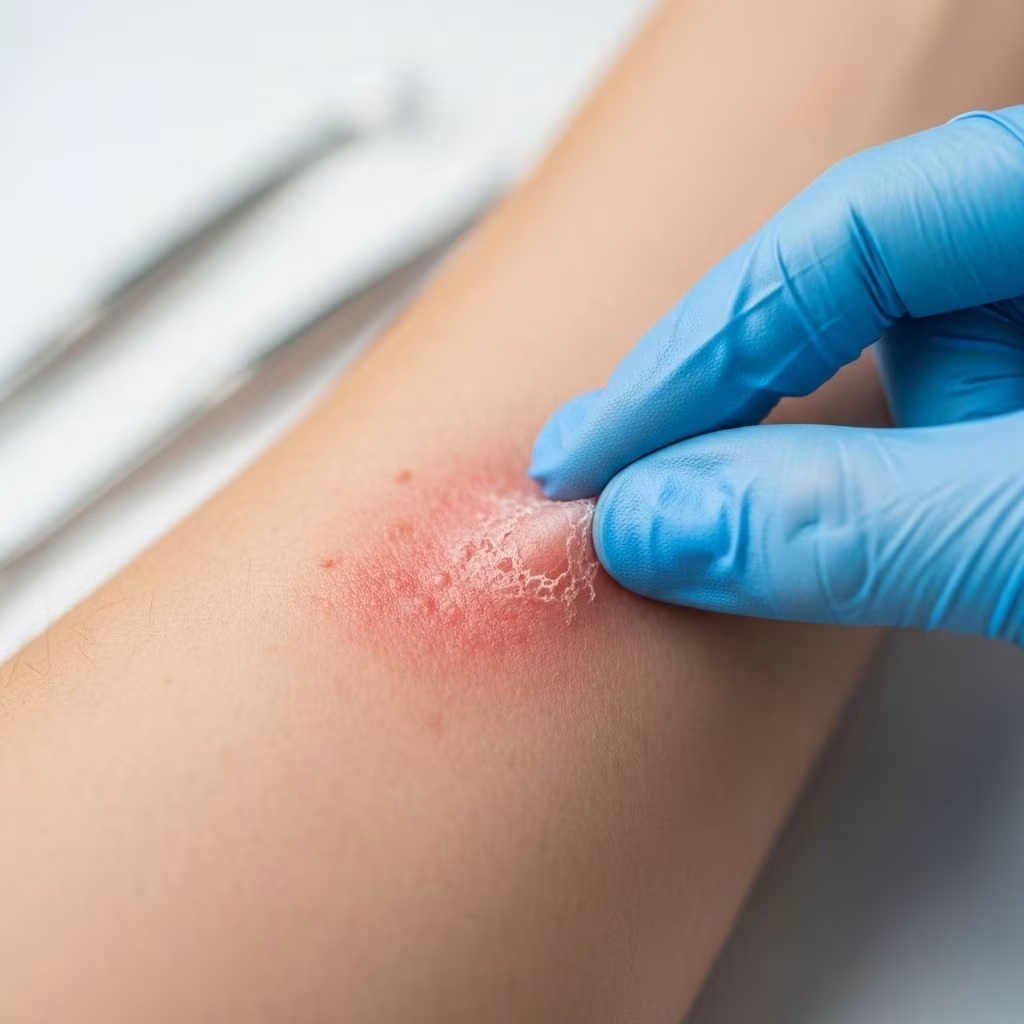
Contact dermatitis is a prevalent inflammatory skin condition caused by direct exposure to irritants or allergens. It can affect anyone, regardless of age or background, and presents as redness, itching, swelling, and sometimes blistering of the skin. Understanding its triggers, how to diagnose it, and effective management approaches is crucial for maintaining healthy skin and quality of life.
What is Contact Dermatitis?
Contact dermatitis is an itchy, inflammatory skin disease that develops when the skin comes into direct contact with a substance that causes irritation or an allergic reaction. The reaction is usually localized to the area of skin exposed to the triggering substance. While not contagious, it can cause significant discomfort and, in chronic cases, may impair daily activities and emotional well-being.
Types of Contact Dermatitis
Contact dermatitis is broadly classified into two main types:
- Irritant Contact Dermatitis (ICD): Caused by direct damage to the skin from irritating substances such as soaps, detergents, solvents, acids, or frequent exposure to water. This is the more common form and can occur in anyone exposed to harsh chemicals, regardless of previous sensitization.
- Allergic Contact Dermatitis (ACD): Results from a delayed hypersensitivity reaction (Type IV) to an allergen, occurring only in previously sensitized individuals. Common allergens include nickel, fragrances, certain preservatives, and plant substances like poison ivy. The reaction typically appears 24–72 hours after exposure and can spread beyond the initial contact site.
Common Triggers and Allergens
Identifying and avoiding triggers is key to managing contact dermatitis. Below is a table summarizing common irritants and allergens:
| Type | Common Triggers | Typical Sources |
|---|---|---|
| Irritant | Soaps, detergents, solvents, acids, bases, saliva, urine, stool | Household cleaning products, industrial chemicals, frequent handwashing |
| Allergen | Nickel, fragrances, preservatives (e.g., methylisothiazolinone), rubber accelerators, paraphenylenediamine (PPD), plants (poison ivy, mango skin) | Jewelry, cosmetics, hair dyes, topical medications, plants, adhesives |
Occupational exposures, such as in healthcare, cleaning, hairdressing, and construction, are also significant contributors.
Symptoms: How to Recognize Contact Dermatitis
The clinical presentation of contact dermatitis varies depending on the type and severity of exposure:
- Acute Phase: Redness (erythema), swelling (edema), itching, burning, stinging, oozing, crusting, and sometimes blistering (vesicles or bullae). Irritant reactions often appear within minutes to hours, while allergic reactions are delayed, typically 24–72 hours after exposure.
- Subacute Phase: Crusts, scaling, and hyperpigmentation as the inflammation begins to resolve.
- Chronic Phase: Thickening of the skin (lichenification), cracking, and persistent dryness from repeated or ongoing exposure.
While both ICD and ACD can present similarly, ACD lesions are often less sharply demarcated and may spread beyond the contact site, whereas ICD is typically more localized. Hands, face, and neck are common sites due to frequent contact with potential triggers.
Diagnosis: Testing for Contact Dermatitis
Accurate diagnosis is essential for effective management and involves:
- Clinical History: Detailed patient history regarding exposures, occupation, hobbies, and timing of symptoms.
- Physical Examination: Assessment of rash morphology, distribution, and associated symptoms.
- Patch Testing: The gold standard for diagnosing ACD. Small amounts of common allergens are applied to the skin under occlusion for 48 hours, and reactions are assessed 48–96 hours later. Positive reactions confirm sensitization and help identify the causative agent.
- Other Tests: Skin biopsy, blood tests (rarely needed), or photopatch testing (for photoallergic reactions).
Differential diagnosis may include atopic dermatitis, psoriasis, seborrheic dermatitis, and other eczematous disorders.
Management and Treatment Strategies
Management of contact dermatitis is centered on identifying and avoiding triggers, symptom relief, and skin barrier repair:
Avoidance of Triggers
The cornerstone of treatment is avoiding known irritants and allergens. This may require:
- Changing household or personal care products
- Using protective gloves (with cotton liners if rubber is problematic)
- Occupational modifications for workplace exposures
Topical Therapies
- Emollients/Moisturizers: Frequent application helps restore the skin barrier, reduce dryness, and prevent further irritation. Use fragrance-free, hypoallergenic products.
- Topical Corticosteroids: First-line treatment for moderate to severe inflammation. Apply to affected areas once or twice daily for 2–4 weeks, depending on severity.
- Calcineurin Inhibitors: Tacrolimus or pimecrolimus ointment may be used for sensitive areas (face, genitals) or as steroid-sparing agents.
Systemic Therapies
For severe, extensive, or refractory cases:
- Oral Corticosteroids: Short courses may be prescribed for acute, widespread reactions.
- Immunosuppressants: Rarely used for chronic, severe cases.
- Antihistamines: May help reduce itching but do not treat the underlying inflammation.
Adjunctive Measures
- Cold Compresses: To soothe acute inflammation and reduce itching.
- Barrier Creams: For occupational or unavoidable exposures.
- Gentle Skin Care: Use mild, non-soap cleansers and pat skin dry (do not rub).
Prevention Tips
Preventing contact dermatitis involves minimizing exposure and protecting the skin:
- Identify and Avoid Triggers: Read product labels for common allergens and irritants.
- Protective Clothing: Wear gloves, long sleeves, or aprons when handling irritants or allergens.
- Skin Hygiene: Wash skin promptly after known exposures, using gentle cleansers.
- Regular Moisturizing: Apply emollients liberally and frequently, especially after washing hands.
- Education: Patients, families, and employers should be informed about risks and prevention strategies, particularly in occupational settings.
Potential Complications
If not properly managed, contact dermatitis can lead to:
- Chronic dermatitis with persistent itching and skin thickening
- Secondary bacterial or fungal infections from scratching and breaking the skin
- Psychological distress, including anxiety and decreased quality of life
- Occupational disability in severe or chronic cases
Early identification and intervention can prevent most complications.
When to See a Doctor
Consult a healthcare provider if:
- The rash is severe, widespread, or not improving with over-the-counter treatments
- There are signs of infection (increased redness, warmth, pus, fever)
- The rash interferes with daily activities or sleep
- You are unsure of the cause or need help identifying triggers
Frequently Asked Questions (FAQs)
Q: Is contact dermatitis contagious?
A: No, contact dermatitis is not contagious and cannot be spread to others.
Q: How long does contact dermatitis last?
A: With proper treatment and avoidance of triggers, symptoms usually resolve within 2–4 weeks. Chronic cases may last longer if exposure continues.
Q: Can contact dermatitis be cured?
A: While there is no cure, most cases can be effectively managed by identifying and avoiding triggers and using appropriate treatments.
Q: What is patch testing?
A: Patch testing is a diagnostic procedure used to identify specific allergens causing allergic contact dermatitis by applying small amounts of suspected substances to the skin.
Q: Can I develop contact dermatitis even if I’ve never had it before?
A: Yes, anyone can develop irritant contact dermatitis with sufficient exposure. Allergic contact dermatitis requires prior sensitization, which can develop at any time with repeated exposure.
Q: Are there natural remedies for contact dermatitis?
A: Some natural remedies (e.g., oatmeal baths, aloe vera, coconut oil) may soothe mild symptoms, but medical treatments are often necessary for moderate to severe cases. Always consult a healthcare provider before trying new remedies.
References
- https://www.nhs.uk/conditions/contact-dermatitis/
- https://nationaleczema.org/types-of-eczema/contact-dermatitis/
- https://pmc.ncbi.nlm.nih.gov/articles/PMC10239928/
- https://www.ncbi.nlm.nih.gov/books/NBK459230/
- https://www.aaaai.org/tools-for-the-public/conditions-library/allergies/contact-dermatitis-overview
- https://www.mayoclinic.org/diseases-conditions/contact-dermatitis/symptoms-causes/syc-20352742
- https://www.aad.org/public/diseases/eczema/types/contact-dermatitis
- https://www.merckmanuals.com/professional/dermatologic-disorders/dermatitis/contact-dermatitis
- https://health.ucdavis.edu/dermatology/specialties/medical/contact_dermatitis.html


