


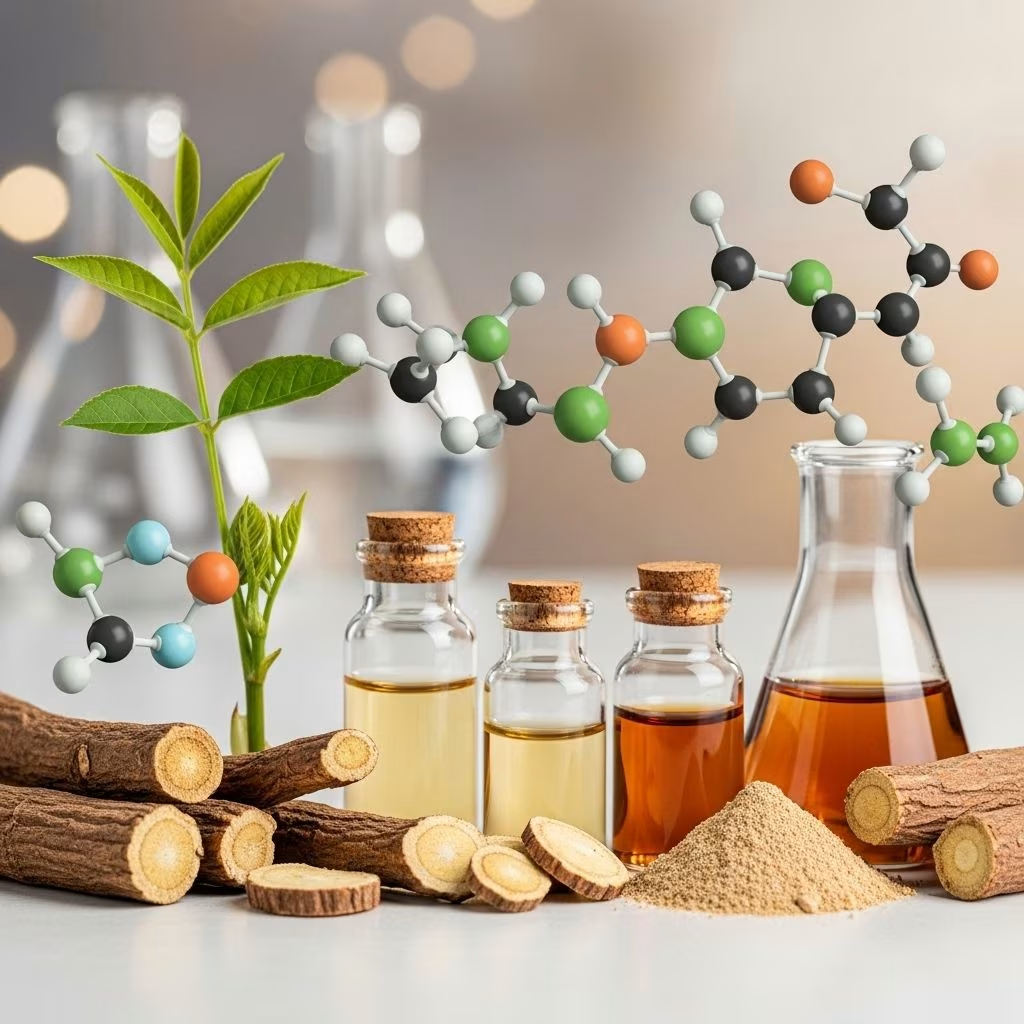
Licorice Root for Skin Redness: Glycyrrhizin Analysis
Introduction
Licorice root (Glycyrrhiza glabra and Glycyrrhiza inflata) has a rich history of use in traditional medicine systems such as Ayurveda and Traditional Chinese Medicine for various ailments, including topical treatments for skin conditions. Modern research now supports the dermatological benefits of licorice root, especially its ability to reduce skin redness and irritation due to its unique bioactive compounds, most notably glycyrrhizin and others.
Licorice Root and Skin Redness
Skin redness, often referred to as erythema, can arise from a variety of causes including inflammation (eczema, dermatitis), sun exposure, rosacea, allergic reactions, and environmental stress. Licorice root’s soothing and anti-inflammatory properties make it a popular botanical remedy for these issues.
- Calms itchiness, redness, and irritation, making it suitable for sensitive or reactive skin.
- Offers a natural alternative for people seeking gentler solutions compared to synthetic corticosteroids or other anti-inflammatory agents.
Licorice root is used in various formats in skincare: powders, extracts, serums, creams, and masks. These allow targeted application depending on severity of redness, duration, and areas affected.
The Science of Glycyrrhizin
Glycyrrhizin is a saponin glycoside found in high concentrations in licorice root. It is the main compound responsible for many of the root’s medicinal properties, including its anti-inflammatory, moisturizing, and skin barrier support effects.
| Compound | Main Skin Benefits | Mechanisms |
|---|---|---|
| Glycyrrhizin | Reduces redness, itchiness, irritation | Mimics corticosteroid activity, soothes skin, supports barrier function |
| Licochalcone A | Reduces irritation, manages inflammation | Potent anti-inflammatory; inhibits inflammatory mediators |
| Glabridin | Brightens skin, manages pigmentation | Tyrosinase inhibition (prevents melanin formation) |
| Liquiritin | Dispels melanin, brightens skin | Melanin dispersion, enhances skin radiance |
Properties of Glycyrrhizin Relevant to Skin Redness
- Anti-inflammatory: Glycyrrhizin mimics the activity of corticosteroids, diminishing inflammatory responses in the skin. It can be especially helpful for conditions like eczema, dermatitis, or acute irritation.
- Moisturizing and barrier support: Glycyrrhizin helps strengthen the skin’s natural barrier, reducing transepidermal water loss and protecting from external irritants.
- Redness reduction: Direct application of glycyrrhizin and licorice root extracts can visibly minimize erythema and flare-ups associated with sensitivity.
- Antimicrobial: Limits the growth of harmful skin microbes, reducing infection and subsequent inflammation.
Other Key Active Compounds in Licorice Root
Beyond glycyrrhizin, licorice root is rich in flavonoids and phytochemicals that act synergistically to enhance its soothing effects and overall skin health.
- Licochalcone A: Notable for its potent anti-inflammatory and antioxidant activity, shown to reduce erythema (redness) in clinical studies.
- Glabridin: Brightens skin by inhibiting melanin, minimizes dark spots/hyperpigmentation.
- Liquiritin: Disperses melanin, evens out skin tone; has synergy with other brightening agents.
- Polyphenols and Flavonoids: Scavenge free radicals, helping to protect skin against environmental stress and aging.
These compounds work together to address multiple aspects of skin health: calming irritation and redness, restoring the skin barrier, controlling pigment, and defending against oxidative damage.
Clinical Evidence for Redness Reduction
Licorice root extract and its active compounds have been studied in clinical settings, especially for their effects on skin redness and irritation.
- An open-label study with 62 volunteers demonstrated that topical application of licochalcone A (from licorice root) significantly reduced erythema in rosacea after 8 weeks of once-daily use.
- In another large multicenter study involving sensitive skin prone to redness/rosacea, the combination of licochalcone A and a TRPV1 channel blocker led to visible improvement in redness after 4 weeks with twice-daily application.
- Numerous studies and anecdotal reports suggest that glycyrrhizin specifically is beneficial for atopic dermatitis, eczema, and other inflammatory conditions marked by redness and discomfort.
- Licorice extract demonstrated rapid reduction in itchiness and visible irritation for atopic (highly reactive/sensitive) skin, attributed to its action on inflammatory mediators and barrier function.
In summary, research supports licorice root extract and glycyrrhizin’s effectiveness in addressing redness, with particularly strong evidence for licochalcone A and glycyrrhizin’s anti-inflammatory and soothing effects in dermatological settings.
Mechanisms of Action
Understanding how licorice root and its compounds, especially glycyrrhizin, act in the skin is crucial for optimizing their use.
- Corticosteroid Mimicry: Glycyrrhizin’s molecular structure allows it to mimic actions of the body’s natural corticosteroids, thereby reducing inflammation without the risks associated with synthetic steroids.
- Suppression of Inflammatory Cytokines: Inhibits pro-inflammatory molecules (such as TNF-α, IL-6, histamines), leading to decreased redness and swelling.
- Antioxidant Defense: Neutralizes free radicals generated by UV exposure, pollution, and cellular metabolism, helping to prevent flare-ups and cumulative damage.
- Barrier Reinforcement: Strengthens stratum corneum integrity, limiting water loss and exposure to external triggers for redness and irritation.
- Antibacterial and Antimicrobial Effects: Reduces risk of secondary infections, especially in compromised or sensitive skin.
Formulations and Use in Skincare
Licorice root extract and glycyrrhizin appear in a wide variety of skincare products, making them accessible and versatile for consumers seeking to manage skin redness.
Common Types of Products
- Serums and Essences: Concentrated forms, ideal for targeted brightening and redress of redness.
- Creams and Lotions: Suitable for daily use, especially for persistent redness, dryness, or sensitivity.
- Cleansers: Mild daily formulations that impart the benefits of licorice without excessive potency, useful for maintenance and prevention.
- Masks: Focused treatments for flare-ups or post-inflammatory recovery.
How to Incorporate Licorice Root and Glycyrrhizin
- Identify your skin concern: Is redness acute (post-sun, reaction, flare-up) or chronic (rosacea, eczema)? Choose product type accordingly (e.g., serum for pigmentation/redness, cream for dryness/inflammation).
- Patch test before use: Although licorice is generally safe, sensitive skin may react to new products.
- Combine with gentle skincare: Use alongside moisturizers and sunscreens to bolster barrier protection and minimize triggers.
- Monitor results: Adjust application frequency if excessive dryness or irritation appears, though most users tolerate licorice root well.
Sample Product Regimen Table
| Concern | Recommended Licorice Product | Application Frequency | Additional Tips |
|---|---|---|---|
| Redness/Inflammation (Acute) | Licorice cream or mask (with glycyrrhizin) | 1-2 times daily | Pair with ceramides or gentle moisturizer |
| Chronic Sensitivity (Rosacea/Eczema) | Serum, cream (glycyrrhizin, licochalcone A) | Yevery morning and evening | Monitor for improvement; avoid triggers |
| General Brightening | Licorice toner, cleanser | Daily (AM/PM) | Use sunscreen for enhanced benefits |
Potential Side Effects and Precautions
Licorice root, and particularly glycyrrhizin, is generally considered safe for topical use. However, certain considerations should be kept in mind:
- Allergic reactions: Rare, but possible, especially in very sensitive individuals. Symptoms include increased redness, itching, or swelling.
- High-dose risks (oral): Oral licorice, in excessive amounts, may cause blood pressure elevation, potassium imbalance, and other systemic effects. Topical application has much lower risk.
- Pregnant or breastfeeding women: Consult a healthcare provider before using concentrated licorice extracts.
- If using alongside steroid creams or prescription products, discuss with a dermatologist to avoid unintended synergistic or antagonistic effects.
When used as directed and formulated appropriately, licorice extracts are unlikely to cause irritation and have an excellent safety record in dermatological products.
Frequently Asked Questions (FAQs)
Q: Can licorice root and glycyrrhizin help with chronic redness?
A: Yes, clinical studies show licorice extract and glycyrrhizin can reduce redness associated with rosacea, eczema, and sensitive skin conditions through their anti-inflammatory and barrier-supportive mechanisms.
Q: Are there differences between glycyrrhizin and other licorice compounds?
A: Yes. Glycyrrhizin is most recognized for its corticosteroid-mimicking and soothing properties, while licochalcone A is especially effective for inflammation and glabridin/liquritin are more suited for pigmentation, although all contribute to anti-redness effects.
Q: Is licorice root safe for daily use in skincare?
A: Generally, yes. The compounds in licorice root, including glycyrrhizin, are well-tolerated when formulated for topical use and rarely cause side effects. Patch testing is always recommended.
Q: How quickly can I expect to see results when using licorice products for skin redness?
A: Some users report reduced redness within days, while published studies typically track significant improvements in 4–8 weeks of consistent application.
Q: Can licorice root be used with other calming ingredients?
A: Yes. It pairs well with niacinamide, ceramides, oat extracts, and mild moisturizers. Avoid harsh acids or irritants when managing redness for optimal results.
Summary
Licorice root and its primary compound glycyrrhizin offer scientifically validated solutions to skin redness and irritation. Their mechanisms center on suppressing inflammatory signals, supporting the skin barrier, and calming reactive skin without the risks of conventional steroids. Alongside related compounds such as licochalcone A and glabridin, licorice root extracts provide a versatile, gentle treatment option for those seeking relief from redness, sensitivity, and reactive skin conditions. Thoughtful formulation and routine use can make licorice an indispensable ally in holistic and evidence-based skincare.
References
- https://cityskinclinic.com/licorice-root-skin/
- https://pmc.ncbi.nlm.nih.gov/articles/PMC7168306/
- https://cipherskincare.com/ingredient-glossary/glycyrrhiza-inflata/
- https://www.desertessence.com/blogs/desert-essence-blog/licorice-benefits-skin-side-effects
- https://us.typology.com/library/what-are-the-benefits-of-liquorice-extract-for-your-skin
- https://www.healthline.com/nutrition/licorice-root
- https://depology.com/blogs/news/what-are-the-skincare-benefits-of-licorice-root-extract


