


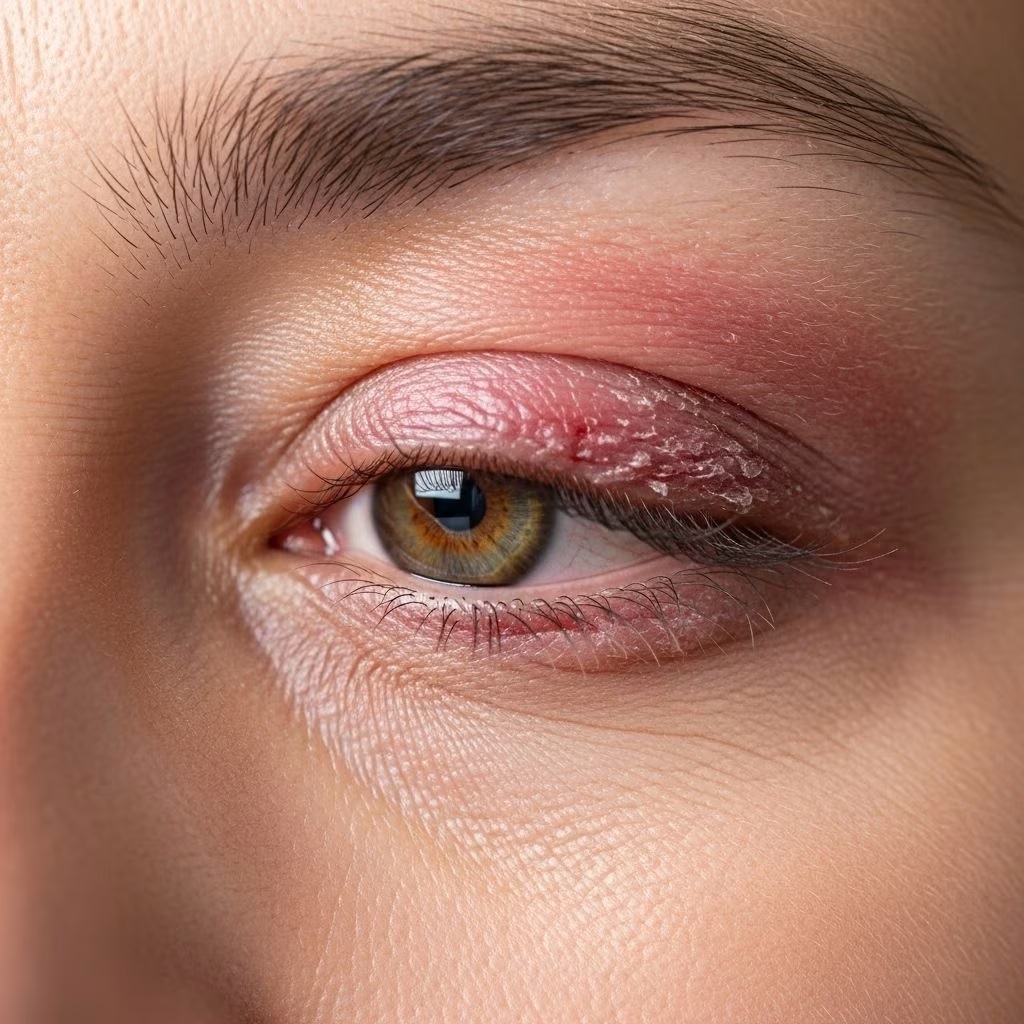
Eyelid Eczema Flares: Troubleshooting & Gentle Care
Eyelid eczema is a distressing skin condition that causes inflammation, redness, and persistent itching around the eyelids. The delicate skin in this area makes flare-ups particularly uncomfortable and challenging to manage. This comprehensive guide provides in-depth troubleshooting strategies, gentle treatment options, and essential care tips designed to soothe flare-ups and restore comfort to sensitive eyelid skin.
Overview: Understanding Eyelid Eczema
Eyelid eczema—also known as eyelid dermatitis—is a temporary but often recurring skin condition, most commonly characterized by inflamed, red, itchy, and sometimes swollen eyelids. There are several types of dermatitis that can cause eczema in the eye area, notably atopic, contact and seborrheic dermatitis. This condition affects individuals of all ages and backgrounds, and while it’s not dangerous, its impact on daily comfort and appearance can be significant.
Unlike eczema in other regions, the thinness and sensitivity of eyelid skin call for specially tailored management approaches. Flare-ups can come and go, often resurfacing in response to triggers such as allergens or environmental factors.
Common Causes and Triggers of Eyelid Eczema
- Allergens: Substances in cosmetics, eye makeup, creams, or jewelry (such as nickel or fragrances) may provoke allergic reactions, leading to eczema flares.
- Irritants: Contact with harsh chemicals, preservatives, or perfumes in skin-care products disrupts the fragile skin barrier of the eyelids, triggering inflammation.
- Environmental Factors: Low humidity, sudden temperature changes, and exposure to pollution or smoke can exacerbate dryness and sensitivity, often precipitating flares.
- Genetics: A genetic predisposition to hypersensitivity makes some people more susceptible to eczema, especially those with other atopic disorders.
- Underlying Health Conditions: Existing skin conditions like atopic dermatitis elsewhere on the body increase the likelihood of eyelid involvement—between 15% and 40% of people with atopic dermatitis have inflammation around the eyes.
Proactive identification of triggers enables sufferers to sidestep the most common causes and prevent recurrence.
Recognizing Signs and Symptoms
Eyelid eczema can affect one or both eyelids, occasionally involving the area surrounding the eyes. Early identification of key symptoms aids in swift intervention.
- Itching: Persistent urge to scratch, usually the hallmark symptom.
- Redness and Swelling: Eyelids appear red, puffy, and inflamed.
- Dryness and Flaking: Skin may look rough, scaly, or begin to peel.
- Discoloration: Sometimes a purplish or brownish hue develops over time.
- Crusting or Oozing: Severe cases may lead to crust formation or fluid leakage.
- Soreness or Burning Sensation: Eyes may feel tender or stinging, particularly when exposed to irritants.
Troubleshooting Flares: Identifying and Addressing Root Issues
When a flare occurs, successful troubleshooting starts by identifying the underlying triggers. Here’s an effective, stepwise approach to troubleshooting eyelid eczema:
Step 1: Review Recent Changes
- Consider any new cosmetics, skin-care products, detergents, or jewelry worn in the past week.
- Note changes in weather, levels of humidity, or exposure to dust, smoke, or pollution.
Step 2: Assess Your Daily Routine
- Have you used any products with fragrance, preservatives, or other potential irritants?
- Are you reusing face towels or makeup applicators that may be harboring bacteria?
Step 3: Elimination and Substitution
- Stop using any suspicious product immediately.
- Switch to hypoallergenic and fragrance-free alternatives for all skin-contact products.
Step 4: Seek Medical Insight If Needed
- If sensitization or worsening symptoms persist, consult a dermatologist or ophthalmologist for patch testing or allergy screening.
Key Troubleshooting Table
| Trigger | Action | Expected Outcome |
|---|---|---|
| New Eye Makeup | Discontinue product and clean eyelids | Redness and itching should lessen within days |
| Weather Change (Dry, Cold) | Increase moisturizing, avoid direct wind exposure | Dryness and flaking reduced |
| Jewelry Allergy | Remove jewelry containing nickel or metals | Swelling and discoloration fade gradually |
| Harsh Cleanser Use | Switch to mild, hypoallergenic cleanser | Skin barrier improves, less irritation |
Gentle Care Strategies for Sensitive Eyelid Skin
Since eyelid skin is especially thin—approximately four times thinner than the rest of the face—gentle care is paramount to effective management. Adopt these sensitive-skin strategies for lasting comfort:
Lid Hygiene
- Apply a warm compress (not hot) to closed eyelids for 5 to 10 minutes daily to soften crusts and unblock oil glands.
- Massage gently with clean fingertips to promote drainage and ease discomfort.
- Use a fragrance-free, gentle cleanser if washing is necessary—avoid all forms of soap or foaming agents.
Moisturizing
- Choose a bland, hypoallergenic emollient (moisturizer) and apply it twice daily to the eyelids.
- Never use olive oil or aqueous cream, as research shows these can damage the skin barrier in eczema.
- Emollients can be used on a damp cotton pad to remove eye makeup—skip traditional makeup removers that may contain irritants.
Product Safety
- Strictly avoid perfumed lotions, anti-aging creams, and facial cleansers containing alcohol, preservatives, or dyes.
- When maintaining lid hygiene, use disposable applicators or fully sanitized tools to prevent infection.
Medical Treatments: Safer Therapies for Eyelid Eczema
Because the eyelid area is so thin, only the mildest therapies are considered safe. Medical intervention may be necessary, especially during severe flares or when troubleshooting fails:
Topical Steroids
- Mild topical corticosteroids such as hydrocortisone (0.5-1%) are standard for short term use, targeting inflammation.
- Moderate strength steroids may be briefly prescribed for severe flares, but must be stepped down rapidly to minimize risks.
- Excessive use can lead to complications including glaucoma or cataracts, so use only as prescribed and never on unbroken skin.
Topical Calcineurin Inhibitors (TCIs)
- Pimecrolimus (Elidel) and tacrolimus (Protopic) are non-steroidal alternatives, often preferred for long-term maintenance, as they do not thin the skin.
- TCIs may cause mild burning or stinging for 15–20 minutes after application, typically subsiding within a week.
- To reduce photosensitivity, use sunglasses and sunhats during sunshine months (March-September).
- Application is generally twice a day for flares or twice weekly for maintenance; evening use is preferred, with a 2-hour gap before other creams.
Additional Medical Approaches
- For persistent or severe eczema unresponsive to topical treatment, oral medications or allergy screening may be recommended by a healthcare provider.
- For suspected allergy triggers, patch testing helps identify problematic substances.
- Never attempt to self-treat with potent steroids or non-prescribed ointments on eyelid skin.
Daily Routines and Preventing Future Flares
Prevention through effective daily routines is the most reliable long-term strategy against eyelid eczema flares. Expert recommendations include:
- Identify and Avoid Triggers: Track products and environmental exposures to understand which items precipitate your flares
- Maintain Regular Moisturization: Hydrated skin is less likely to irritate or break down. Moisturize after cleansing, before bedtime, and following exposure to dry air.
- Minimize Makeup: Use only hypoallergenic, fragrance- and preservative-free eye makeup; remove thoroughly at night using emollients rather than soap.
- Exercise Caution in the Sun: Wear sunglasses and sun hats to mitigate photosensitivity when using calcineurin inhibitors.
- Monitor for Infection: Scratching may open the skin and invite infection. Watch for pus, pain, or rapid worsening. Seek medical advice promptly if infection is suspected.
Consistency with these routines not only alleviates symptoms but also keeps future flares to a minimum.
Frequently Asked Questions
Q: Is eyelid eczema contagious?
No, eyelid eczema is not infectious or contagious. It is a type of inflammatory skin reaction, not an infection.
Q: Can eyelid eczema be cured?
Eyelid eczema is a chronic, relapsing condition. While there is no permanent cure, most people can control flares with good skincare, avoidance of triggers, and medical treatments when needed.
Q: Should I avoid wearing makeup if I have eyelid eczema?
It’s safest to avoid eye makeup during flares. If you must use makeup, opt for strictly hypoallergenic, unscented products and cleanse gently with emollient once daily.
Q: What if topical steroids don’t help?
If flares persist despite topical steroids, consult a dermatologist for advanced treatments, allergy testing, or alternative medications such as calcineurin inhibitors.
Q: How long does it take for eyelid eczema to improve?
With proper troubleshooting and gentle care, mild cases often show improvement in a few days to a week. Severe cases may require medical therapies and longer recovery.
Resources and Support
- British Association of Dermatologists: Guidance on Eyelid Eczema
- National Eczema Society: Living with Eczema Around the Eyes
- Local health clinics and pharmacies often offer advice on skin-friendly cosmetic and care products.
Summary Table: Quick Tips for Eyelid Eczema Flares
| Step | Gentle Care Tip |
|---|---|
| Identify Triggers | Eliminate recent product changes or exposures, patch test if necessary |
| Lid Hygiene | Use warm compress and gentle massage daily |
| Moisturize | Apply emollients twice daily, avoid olive oil or aqueous cream |
| Medical Treatment | Use mild corticosteroids or TCIs under medical guidance |
| Prevention | Wear sunglasses, avoid environmental triggers and irritants |
In summary, eyelid eczema requires diligent troubleshooting, gentle daily care, and careful use of safe, effective therapies. By understanding triggers and maintaining a routine adapted for sensitive skin, most individuals can confidently manage flare-ups and protect the delicate eye area for the long term.
References
- https://eczema.org/information-and-advice/types-of-eczema/eczema-around-the-eyes/
- https://www.medicalnewstoday.com/articles/eczema-around-eyes
- https://nweyeclinic.com/3-steps-to-manage-eyelid-eczema-effectively/
- https://my.clevelandclinic.org/health/diseases/21930-eyelid-dermatitis
- https://www.webmd.com/skin-problems-and-treatments/eczema/what-to-know-about-eczema-on-eyelids
- https://www.pierrefabreeczemafoundation.org/en/understanding/areas-affected-by-eczema/eyes
- https://yourhealth.leicestershospitals.nhs.uk/library/musculoskeletal-specialist-surgery-mss/ophthalmology/2360-treating-eczema-around-your-eyes-periocular-dermatitis/file
- https://my.clevelandclinic.org/health/diseases/24604-eczema-on-face
- https://www.mayoclinic.org/diseases-conditions/atopic-dermatitis-eczema/symptoms-causes/syc-20353273


