


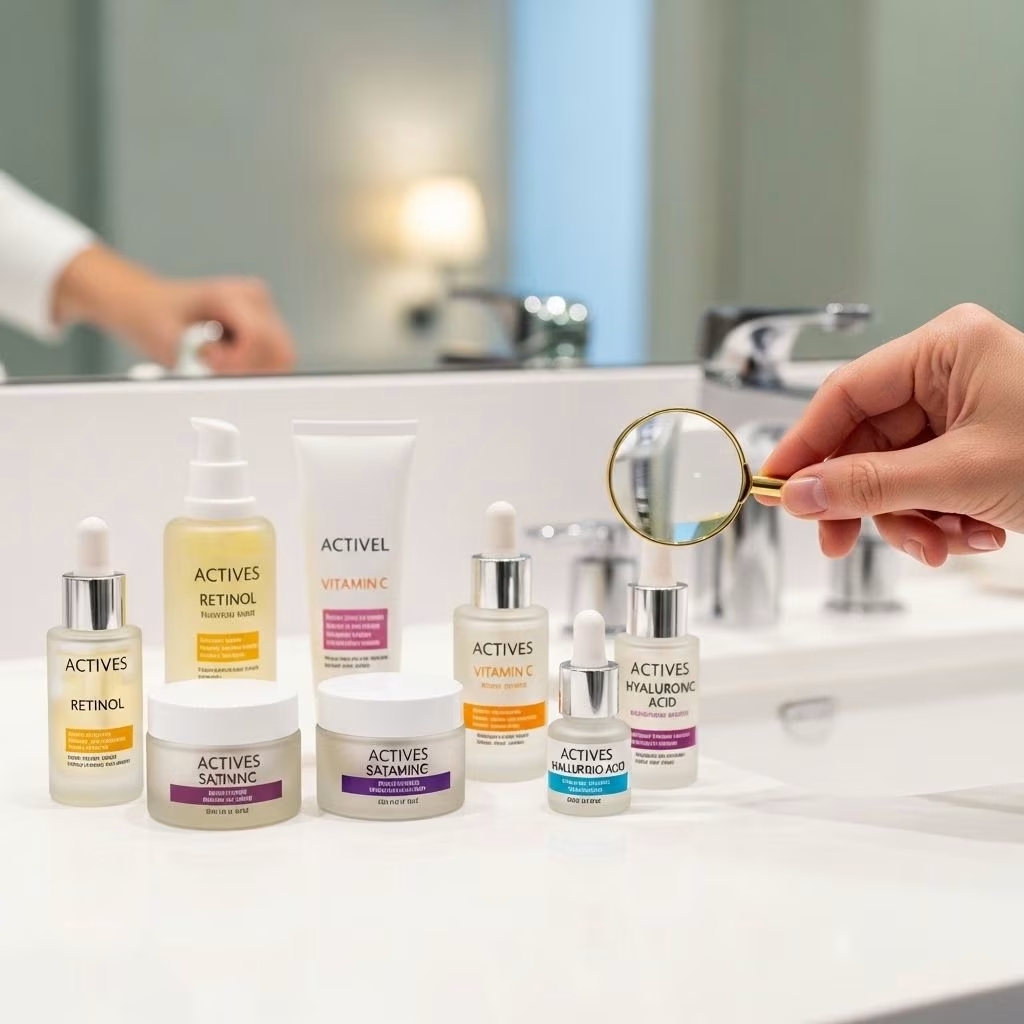
Skincare actives have revolutionized the beauty industry, offering targeted solutions for various skin concerns from aging to acne. However, the power of these ingredients comes with responsibility. Many people unknowingly sabotage their skincare results by making critical mistakes when incorporating actives into their routines. Understanding how to properly use these potent ingredients can mean the difference between achieving your skin goals and experiencing irritation, breakouts, or even long-term damage.
This comprehensive guide explores the most common mistakes people make when using skincare actives and provides actionable solutions to help you maximize benefits while minimizing risks. Whether you’re a skincare novice or an experienced enthusiast, avoiding these pitfalls will transform your approach to active ingredients.
Understanding Skincare Actives
Before diving into common mistakes, it’s essential to understand what skincare actives are. Active ingredients are compounds scientifically proven to produce specific changes in the skin. Unlike inactive or supporting ingredients, actives directly address skin concerns through biological mechanisms. Common actives include retinoids, vitamin C, alpha hydroxy acids (AHAs), beta hydroxy acids (BHAs), niacinamide, and peptides.
These powerful ingredients work by penetrating the skin barrier to influence cellular processes. Retinoids accelerate cell turnover, vitamin C brightens and protects against oxidative stress, while acids exfoliate dead skin cells to reveal fresher skin underneath. The effectiveness of actives is what makes them so popular, but this potency also requires careful, informed usage.
Mistake 1: Using Too Many Actives at Once
One of the most prevalent mistakes is the enthusiasm-driven approach of layering multiple actives simultaneously. When you’re excited about skincare and want fast results, it’s tempting to use retinol, vitamin C, multiple acids, and other actives all in one routine. This approach, however, often backfires spectacularly.
Why this is problematic: Your skin has a limited capacity to absorb and process active ingredients. When you overload your routine, you risk overwhelming your skin barrier, leading to irritation, redness, peeling, and increased sensitivity. The skin may become compromised, making it more vulnerable to environmental stressors and actually slowing down your progress toward your skincare goals.
The solution: Adopt a strategic, gradual approach. Start with one active ingredient and allow your skin to adjust for at least two to four weeks before introducing another. Focus on addressing your primary concern first. For example, if anti-aging is your goal, begin with a retinoid. Once your skin tolerates it well, you might add vitamin C in your morning routine. This methodical approach allows you to identify which products work for your skin and which might cause reactions.
Mistake 2: Skipping Patch Tests
The excitement of trying a new active ingredient often leads people to skip the crucial step of patch testing. This oversight can result in widespread irritation, allergic reactions, or breakouts that could have been prevented with a simple precautionary measure.
Patch testing involves applying a small amount of the product to a discreet area of skin, typically behind the ear or on the inner forearm, and monitoring for reactions over 24 to 48 hours. This step is particularly important for potent actives or if you have sensitive skin, a history of allergies, or are trying a new ingredient for the first time.
Best practices for patch testing: Apply the product to clean skin in the test area and avoid washing it off for the monitoring period. Look for signs of redness, itching, burning, swelling, or any unusual sensations. If you experience no adverse reactions after 48 hours, you can proceed with incorporating the product into your routine, starting with less frequent applications to gauge your skin’s tolerance.
Mistake 3: Incorrect Application Order
The sequence in which you apply skincare products significantly impacts their effectiveness. Many people apply actives in the wrong order, either reducing their efficacy or causing unnecessary irritation. Understanding the logic behind layering ensures each product can perform optimally.
The general rule is to apply products from thinnest to thickest consistency, allowing each layer to absorb before applying the next. However, with actives, you must also consider pH levels and ingredient interactions. Water-based serums should typically be applied before oil-based products, and pH-dependent actives like vitamin C and acids perform best on clean skin.
Recommended application order:
Start with cleansing, then apply any pH-dependent actives like vitamin C or chemical exfoliants to clean, dry skin. Follow with water-based serums containing ingredients like niacinamide or hyaluronic acid. Next, apply treatment products like retinoids if you’re using them in your routine. Finish with moisturizer to seal in all the beneficial ingredients and support your skin barrier. In morning routines, always conclude with broad-spectrum sunscreen as your final step.
Mistake 4: Over-Exfoliating with Chemical Exfoliants
Chemical exfoliants like AHAs and BHAs have gained popularity for their ability to reveal smoother, brighter skin. However, the visible results can be addictive, leading many to exfoliate too frequently. This mistake is particularly common because the immediate gratification of smoother skin masks the underlying damage being done to the skin barrier.
Over-exfoliation strips away the protective outer layer of skin faster than it can regenerate, compromising the skin barrier. This manifests as increased sensitivity, persistent redness, dehydration, a tight feeling, unexpected breakouts, and a shiny or almost raw appearance to the skin. Ironically, over-exfoliated skin often looks dull despite the excessive exfoliation.
Finding the right frequency: Most skin types benefit from chemical exfoliation two to three times per week maximum. Sensitive skin may only tolerate once weekly application, while oily or resilient skin might handle more frequent use. Pay attention to your skin’s response rather than following a rigid schedule. If you notice signs of irritation, reduce frequency immediately and focus on barrier repair with gentle, hydrating products.
Mistake 5: Using Actives at the Wrong Time of Day
Not all actives are suitable for both morning and evening application. Some ingredients increase photosensitivity, making skin more vulnerable to sun damage, while others work best during the skin’s natural nighttime repair processes. Using actives at inappropriate times reduces their effectiveness and may increase risks.
Morning-appropriate actives: Vitamin C, niacinamide, and antioxidants are excellent morning choices. Vitamin C provides antioxidant protection against environmental stressors throughout the day, while niacinamide helps regulate oil production and strengthens the skin barrier without causing photosensitivity.
Evening-preferred actives: Retinoids, AHAs, and BHAs are best reserved for nighttime use. Retinoids break down in sunlight, reducing their effectiveness, and they increase sun sensitivity. Chemical exfoliants also make skin more photosensitive and work optimally during the skin’s natural regeneration cycle that occurs during sleep.
Mistake 6: Ignoring Sun Protection When Using Actives
Perhaps the most dangerous mistake is failing to use adequate sun protection while incorporating actives into your routine. Many actives, particularly retinoids and chemical exfoliants, increase photosensitivity by removing the protective outer layers of skin or making cells more vulnerable to UV damage.
Using powerful actives without proper sun protection can lead to hyperpigmentation, premature aging, sunburn, and increased risk of skin cancer. This defeats the purpose of using actives in the first place, as UV damage can undo all the benefits you’re working to achieve. Some users even experience paradoxical darkening of spots they’re trying to lighten when they neglect sun protection.
Sun protection essentials: Apply broad-spectrum SPF 30 or higher every single day, regardless of weather or season. Reapply every two hours when outdoors, and consider additional protective measures like wearing hats and seeking shade during peak UV hours. Look for sunscreens with zinc oxide or titanium dioxide, which provide physical protection, or well-formulated chemical sunscreens with stable UV filters.
Mistake 7: Starting with High Concentrations
The skincare industry often markets higher concentrations as more effective, leading consumers to believe that starting with the strongest formulation will yield faster results. This approach frequently backfires, especially for those new to actives or with sensitive skin.
High concentrations of actives can overwhelm skin that hasn’t built tolerance, causing severe irritation, peeling, and sometimes long-lasting damage to the skin barrier. For example, jumping directly to 1% retinol or 30% vitamin C when your skin has never been exposed to these ingredients is a recipe for disaster.
The gradual approach: Begin with lower concentrations and allow your skin to build tolerance over several weeks or months. For retinoids, start with 0.25% or 0.3% retinol, or consider beginning with a retinol alternative like bakuchiol. For vitamin C, start with 10% formulations. For AHAs, begin with 5-8% concentrations. As your skin adapts and you see positive results without irritation, you can gradually increase concentration if desired.
Additionally, start by using the active just once or twice per week, then slowly increase frequency as tolerance develops. This patient approach yields better long-term results than aggressive treatment that damages the skin barrier.
Mistake 8: Mixing Incompatible Ingredients
Certain active ingredients don’t play well together, and combining them can neutralize their benefits, increase irritation, or create chemical reactions that damage skin. Understanding ingredient compatibility prevents wasted money and potential skin damage.
Common incompatible combinations:
Retinoids and Vitamin C: While not entirely incompatible, using them together can increase irritation significantly. They also work at different pH levels, which can reduce the effectiveness of both. It’s better to use vitamin C in the morning and retinoids at night.
Retinoids and AHAs/BHAs: Combining these powerful exfoliants with retinoids in the same application is asking for trouble. Both work to increase cell turnover, and using them together often leads to severe irritation, redness, and compromised skin barrier. If you want to use both, alternate nights or use acids in the morning and retinoids at night.
Vitamin C and Niacinamide (outdated concern): Older research suggested these shouldn’t be combined, but modern formulations have proven this largely incorrect. However, if you experience flushing or irritation, separate them into different routines.
Benzoyl Peroxide and Retinoids: Benzoyl peroxide can oxidize and deactivate retinoids, reducing their effectiveness. Use benzoyl peroxide in the morning and retinoids at night, or on alternate days.
Mistake 9: Inconsistent Usage Patterns
Skincare actives require consistent use over time to deliver visible results. Many people give up too quickly or use products sporadically, then wonder why they’re not seeing improvements. Patience and consistency are fundamental to success with active ingredients.
Different actives have different timelines for visible results. Retinoids typically require 12 weeks of consistent use before significant improvements in fine lines and texture become apparent. Vitamin C may show brightening effects within 4-6 weeks. Chemical exfoliants can provide more immediate textural improvements but require ongoing use for sustained benefits.
Building consistency: Establish a realistic routine you can maintain long-term rather than an elaborate regimen you’ll abandon. Set reminders on your phone if necessary, keep your products visible, and connect your skincare routine to existing habits like brushing your teeth. Remember that occasional breaks are acceptable when your skin needs rest, but random usage patterns will never yield optimal results.
Mistake 10: Ignoring Skin Barrier Health
In the pursuit of dramatic results with actives, many people neglect the foundation of healthy skin: a strong, intact skin barrier. The skin barrier, composed primarily of lipids and proteins, protects against environmental damage, prevents water loss, and maintains overall skin health.
When you use actives aggressively without supporting barrier health, you create a vicious cycle. The compromised barrier makes skin more reactive to actives, leading to increased irritation, which further damages the barrier. Signs of a compromised barrier include persistent dryness despite moisturizing, increased sensitivity to products that previously caused no issues, redness, a feeling of tightness, increased breakouts, and a rough, uneven texture.
Supporting barrier health: Incorporate barrier-supporting ingredients like ceramides, fatty acids, cholesterol, niacinamide, and hyaluronic acid into your routine. When introducing new actives, increase your use of gentle, hydrating products. If you notice signs of barrier compromise, pause actives temporarily and focus on repair with gentle cleansing, rich moisturizers, and minimal product use. Once your barrier recovers, you can reintroduce actives more gradually.
How to Build an Effective Active-Based Routine
Creating a successful skincare routine with actives requires strategic planning and personalization. Here’s a framework for building an effective regimen:
Assess your primary concern: Identify what you most want to address, whether it’s aging, hyperpigmentation, acne, or texture issues. This helps you prioritize which active to introduce first.
Start simple: Begin with a basic routine of cleanser, one active, moisturizer, and sunscreen. Master this foundation before expanding.
Introduce actives one at a time: Wait at least four weeks between introducing new actives so you can identify what works and what causes problems.
Listen to your skin: Mild tingling with certain actives is normal, but persistent burning, stinging, or visible irritation signals you need to adjust your approach.
Maintain flexibility: Your skin’s needs change with seasons, stress, hormones, and age. Be prepared to adjust your routine accordingly.
Sample routine structure:
Morning: Gentle cleanser, vitamin C serum, niacinamide serum (optional), moisturizer, broad-spectrum SPF 30+
Evening: Oil-based or gentle cleanser, water-based cleanser (if double cleansing), chemical exfoliant (2-3 times weekly), retinoid (alternate nights with exfoliant), hydrating serum, moisturizer, occlusive (optional)
Frequently Asked Questions
Q: How long should I wait between applying different actives?
A: Wait 1-2 minutes between layers to allow each product to absorb properly. For pH-dependent actives like vitamin C or AHAs, wait 5-10 minutes before applying the next product to ensure optimal efficacy. If you’re using multiple actives that might interact, consider separating them into morning and evening routines instead.
Q: Can I use retinol every night?
A: Not initially. Start by using retinol once or twice weekly, then gradually increase frequency as your skin builds tolerance. Some people eventually use it nightly, while others find every other night works best. Listen to your skin and don’t rush the process, as over-use leads to irritation and compromised skin barrier.
Q: Is it normal for my skin to purge when starting actives?
A: Purging can occur with actives that increase cell turnover, like retinoids and chemical exfoliants, typically lasting 4-6 weeks. Purging manifests as accelerated turnover of existing comedones in areas where you normally break out. However, if you’re experiencing breakouts in new areas, severe irritation, or purging lasting beyond 6-8 weeks, you may be experiencing a reaction rather than purging, and should discontinue use.
Q: Should I stop using actives if my skin becomes irritated?
A: Yes, temporarily. If you experience significant irritation, redness, burning, or peeling, pause all actives and focus on gentle, barrier-repairing products until your skin recovers. Once healed, reintroduce actives more slowly with lower concentrations or reduced frequency. Persistent irritation despite proper use may indicate the product isn’t suitable for your skin.
Q: Can I use multiple serums with different actives together?
A: It depends on the specific actives. Compatible combinations like niacinamide with hyaluronic acid or peptides can be used together. However, avoid combining potentially irritating actives like retinoids with AHAs or BHAs in the same routine. When in doubt, separate different actives into morning and evening routines, or use them on alternate days.
Q: Do I need to use actives forever to maintain results?
A: Generally, yes. Most actives provide benefits that diminish when you stop using them. For example, retinoids stimulate collagen production and cell turnover, but these effects cease when discontinued. However, you can often reduce frequency once desired results are achieved. For instance, after months of consistent use, you might maintain results with less frequent application.
Q: Is it safe to use actives during pregnancy?
A: Some actives should be avoided during pregnancy and breastfeeding. Retinoids are generally not recommended. However, vitamin C, niacinamide, and azelaic acid are typically considered safe. Always consult your healthcare provider before using any active ingredients during pregnancy or while breastfeeding, as recommendations can vary based on individual circumstances.
Q: Why isn’t my expensive active serum working?
A: Several factors could be responsible: inadequate time for results (most actives need 8-12 weeks), improper storage degrading the product, incorrect application order reducing efficacy, using incompatible products that neutralize benefits, concentration too low for your needs, or the active simply not being right for your specific concern. Evaluate your routine systematically and consider consulting a dermatologist for personalized guidance.
References
- https://eightsaintsskincare.com/blogs/page-eight/the-dubious-dozen-ingredients-we-don-t-use-and-why
- https://moonjuice.com/blogs/tips-and-tricks/ingredients-to-avoid-in-skincare
- https://www.healthline.com/health/beauty-skin-care/ingredients-to-avoid-for-stress-free-skin-care
- https://us.comfortzoneskin.com/blogs/blog/skincare-ingredients
- https://depology.com/blogs/news/10-common-skincare-mistakes-to-avoid
- https://cbgardn.com/10-common-skincare-mistakes-and-how-to-avoid-them/


