


Introduction
Moisture is the foundation of healthy, radiant skin. In the world of modern skincare, humectants have emerged as vital players for anyone seeking hydration, barrier support, and maximum performance from active ingredients. From balancing dryness to maximizing the effects of retinoids, acids, and antioxidants, humectants optimize every skincare routine. This article explores the science of humectants, their role alongside actives, their advantages, potential drawbacks, and expert strategies for harnessing their full benefits.
What Are Humectants?
A humectant is a water-attracting molecule found in countless skincare products—moisturizers, serums, toners, cleansers, and masks. Humectants pull moisture from the air, environment, or deeper skin layers, maintaining hydration and helping skin remain moist, soft, and youthful. Unlike ingredients that simply trap moisture, humectants actively bring water to the skin, making them indispensable for dry, dehydrated, or compromised skin types.
Why Are Humectants Important?
- They help replenish lost moisture due to environmental stress, cleansing, or aging.
- They improve the skin’s water content, making skin appear plumper and more supple.
- They set the stage for actives—letting ingredients like vitamins and antioxidants penetrate deeper.
The Science Behind Humectants
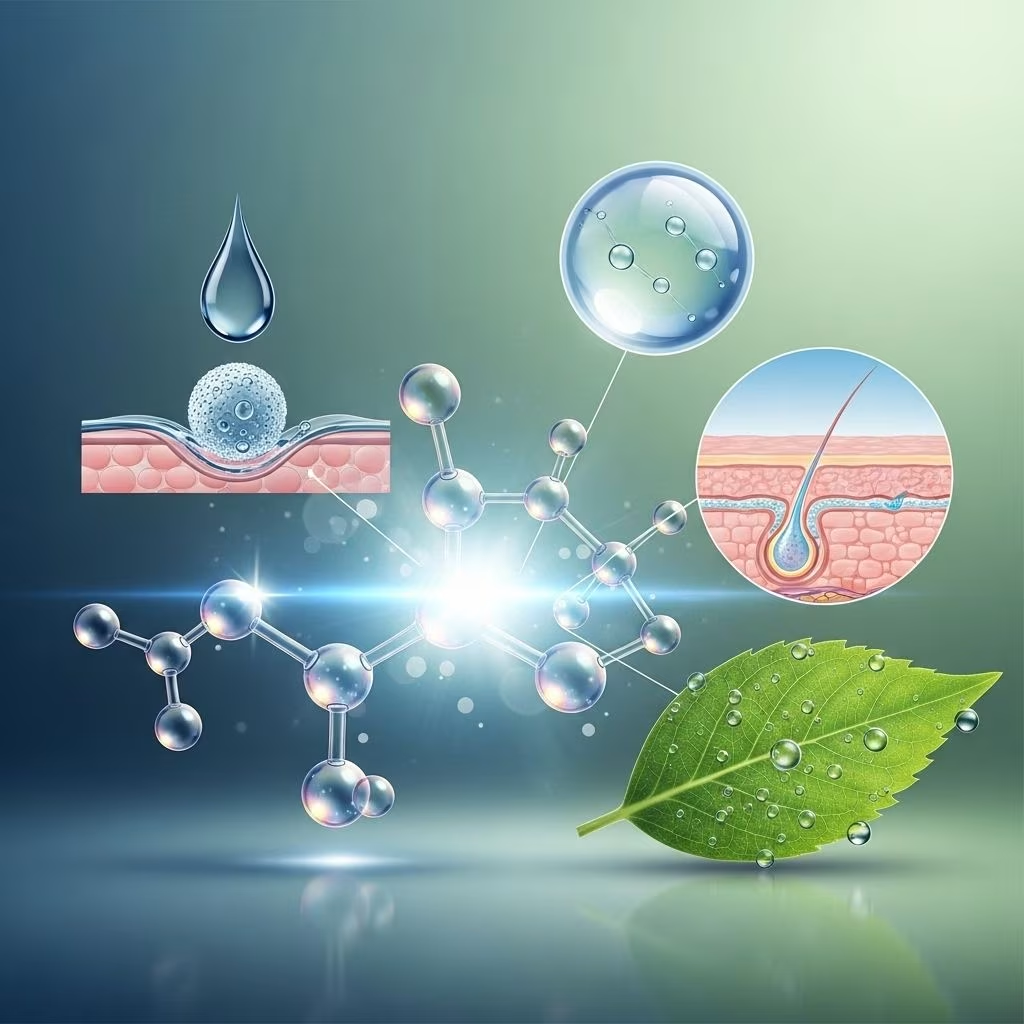
Humectants are hygroscopic molecules—they possess the ability to attract and bind water vapor. When applied to the skin, humectants create hydrogen bonds with water molecules, pulling them into the stratum corneum (the outer layer of the skin). This mechanism:
- Draws water from the air in humid environments to the skin’s surface.
- In arid conditions, may pull moisture from deeper skin layers.
This continuous attraction of water is vital for maintaining the skin barrier, improving texture, and supporting the visible results of active treatments.
Types of Humectants in Skincare
Humectants are generally divided into two broad categories: natural and synthetic.
| Type | Examples | Features |
|---|---|---|
| Natural | Honey, Aloe Vera, Glycerin, Lactic Acid | Gentle, bio-compatible, often soothing |
| Synthetic | Propylene Glycol, Sodium PCA, Urea | Engineered for stability; high moisture-binding capacity |
| Star Players | Hyaluronic Acid, Panthenol | Exceptional hydration, suitable for all skin types |
Most modern formulas feature a blend of different humectants for balanced hydration.
Key Benefits of Humectants
Humectants are more than just hydration boosters. Their unique properties unlock a range of advantages for skin health and performance:
- Consistent Hydration: Maintain optimal moisture levels regardless of environment.
- Plumper, Smoother Skin: Fill in rough patches, soften flaky skin, and reduce fine lines for a youthful look.
- Enhanced Product Absorption: Properly hydrated skin is more receptive to actives, allowing treatments to penetrate deeper.
- Stronger Skin Barrier: Hydration supports barrier function, defending against irritants, pollutants, and UV damage.
- Faster Recovery: Speed healing from irritation, dryness, chemical peels, or sun exposure.
Role of Humectants in Active Skincare Routines
Most active skincare routines rely on ingredients like retinoids, Vitamin C, exfoliating acids, and peptides. While these actives deliver transformative results, they can compromise skin hydration, trigger irritation, or cause dryness when used alone. Humectants play a crucial role by:
- Prepping the Skin: Hydrated skin absorbs actives more efficiently. Humectants make the stratum corneum more permeable, enhancing penetration and results.
- Minimizing Irritation: Many actives (especially retinoids and acids) can be drying. Humectants buffer potential irritation and restore comfort.
- Supporting the Barrier: Actives can weaken the skin’s lipid barrier; humectants counteract this effect by replenishing lost moisture.
- Optimizing Texture: Dry skin is prone to flaking and roughness. Humectants keep skin smooth, aiding exfoliation and even absorption of subsequent products.
- Enhancing Efficacy: Humectants are team players—hydrating the skin to let antioxidants, peptides, and brighteners work more effectively.
Humectants in a Layered Routine
- Cleansing: Start with a humectant-rich cleanser to remove impurities without stripping moisture.
- Toning: Humectant-based toners deliver a hydration boost before serum and actives.
- Serums & Actives: Apply treatment serums atop hydrating layers for maximum absorption.
- Moisturizers: Seal in humectant moisture before using occlusive creams or oils.
Strategically layering humectants creates the best canvas for active ingredients and supports consistent results.
Humectants vs. Emollients vs. Occlusives
Humectants are one of three hydration pillars in skincare. Understanding the differences is essential for creating a routine that truly nourishes the skin:
| Type | Function | Common Examples |
|---|---|---|
| Humectants | Attract water to the skin, increase hydration | Glycerin, Hyaluronic Acid, Aloe Vera |
| Emollients | Soften and smooth skin by filling gaps between cells | Squalane, Ceramides, Fatty Acids |
| Occlusives | Form a barrier, seal in moisture, prevent water loss | Petrolatum, Beeswax, Mineral Oil |
Most effective routines use a combination of humectants, emollients, and occlusives to keep skin hydrated, supple, and well-protected.
Best Practices for Using Humectants
- Apply on Damp Skin: For maximum hydration, use humectant-rich products directly after cleansing, when skin is still slightly damp.
- Layer Wisely: Pair humectants with emollients and occlusives to lock in moisture and provide barrier support.
- Adapt to Climate: In dry climates, always follow humectants with an occlusive to prevent moisture being drawn out of deeper layers.
- Watch for Sensitization: Some humectants (like propylene glycol and urea) may irritate sensitive skin; patch testing is recommended.
- Choose Multi-Taskers: Look for products that combine humectants with actives for synergy and efficiency.
Potential Risks and Considerations
While humectants are generally safe for all skin types, there are some considerations:
- Dehydration in Low Humidity: In arid climates, humectants may pull water from deeper layers instead of the air, potentially worsening dryness if not sealed with an occlusive.
- Not a Substitute for Occlusives: Humectants hydrate but don’t prevent water loss—occlusives or emollients are needed for lasting moisture.
- Formulation Matters: Carefully read ingredient lists. Humectants work best in formulas balanced with barrier-repairing and soothing agents.
- Potential for Irritation: Synthetic humectants (like propylene glycol or urea) may cause adverse reactions in sensitive individuals.
Common Humectant Ingredients in Skincare
Some humectants feature widely in modern skincare. Here are the stars:
- Glycerin: Deeply hydrating, non-irritating, suitable for all skin types.
- Hyaluronic Acid (HA): Capable of holding up to 1,000 times its weight in water, excellent for plumping and smoothing.
- Sodium PCA: Naturally found in skin’s moisturizing factor, boosts water retention.
- Panthenol (Provitamin B5): Soothes, hydrates, reduces inflammation, enhances barrier function.
- Urea: Powerful hydration and gentle exfoliation, best for extremely dry or rough skin.
- Sorbitol: Plant-derived, mild and hydrating.
- Lactic Acid: An alpha hydroxy acid that hydrates and gently exfoliates.
- Aloe Vera: Botanical humectant with anti-inflammatory effects.
- Honey: Natural, antimicrobial, soothing and hydrating.
Frequently Asked Questions (FAQs)
Q: Can everyone use humectants in their skincare routine?
A: Yes, humectants suit nearly all skin types. They are especially essential for dry, dehydrated, mature, and combination skin. Sensitive skin individuals should patch test new formulations if using synthetic humectants.
Q: Do humectants cause skin purging or irritation?
A: Most humectants are gentle, but some synthetic types (like propylene glycol or urea) may irritate sensitive skin. Biocompatible humectants—like glycerin and hyaluronic acid—are least likely to cause trouble.
Q: How should humectants be layered with actives?
A: Use humectant-rich toners or serums after cleansing, then apply actives. Always lock humectants with moisturizers containing emollients and occlusives in dry climates.
Q: Are humectants enough for dry skin?
A: Humectants hydrate but do not seal water in the skin. Dry skin should follow humectants with emollients and occlusives for complete moisture retention.
Q: How do humectants enhance the effects of retinoids and acids?
A: Proper hydration from humectants makes skin more receptive to retinol, AHAs, and BHAs, reducing irritation and improving active delivery.
Conclusion
Humectants deliver essential hydration for skin health and enhance every active skincare routine. By attracting water, strengthening the skin barrier, smoothing texture, and optimizing actives’ effectiveness, humectants are hydration heroes whose value goes far beyond mere moisture. When paired thoughtfully with emollients and occlusives, humectants ensure that every skincare journey delivers maximum benefit, comfort, and visible results.
References
- https://upcirclebeauty.com/blogs/upcircle/natural-humectants-for-skin
- https://www.patchology.com/blogs/the-blog/the-power-of-humectants-understanding-these-moisture-binding-ingredients
- https://www.revivalabs.com/what-are-humectants-and-why-are-they-important/
- https://www.cerave.com/skin-smarts/skincare-tips-advice/emollient-vs-humectant-vs-occlusive
- https://www.medicalnewstoday.com/articles/humectant
- https://www.fresh.com/us/stories/skincare-education/article-what-is-a-humectant.html
- https://eightsaintsskincare.com/blogs/page-eight/emollients-humectants-and-occlusives-here-s-what-they-are-and-how-to-use-them
- https://skintypesolutions.com/blogs/skincare/humectants-in-skin-care-products


