


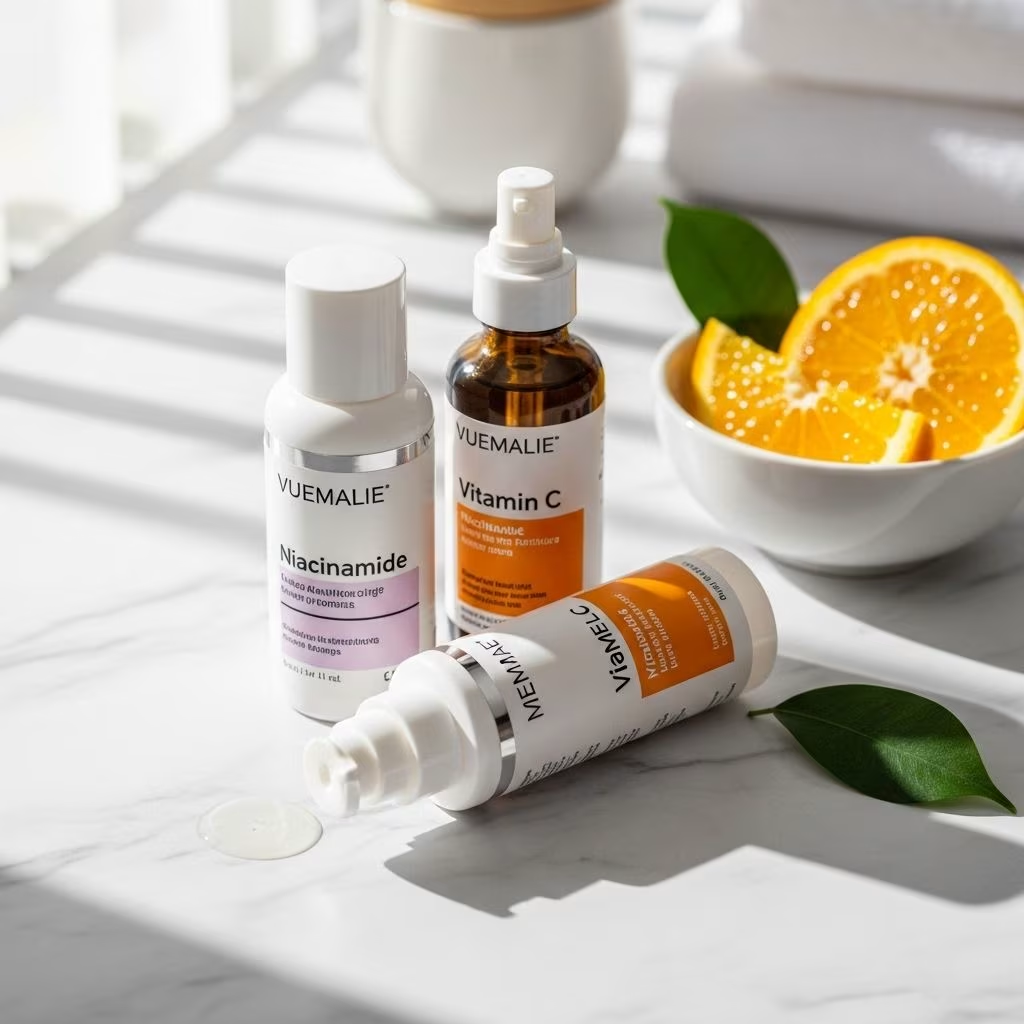
Once thought incompatible, niacinamide and vitamin C are now recognized as a dynamic duo for radiant, healthy skin. This comprehensive guide explores the science, dispels old misconceptions, and offers actionable advice on layering these key skincare ingredients.
Introduction: The Rise of Superstar Ingredients
Over the past decade, niacinamide (vitamin B3) and vitamin C (ascorbic acid) have emerged as two of the most celebrated ingredients in skincare. Both are renowned for their ability to brighten skin tone, reduce signs of aging, and promote overall skin health. However, a long-standing myth cautioned against using them together—claiming they could neutralize each other’s effects or cause irritation. As scientific understanding evolved, this claim has been robustly challenged and disproven, paving the way for a new era of ingredient layering.
Myth vs. Science: The Roots of Niacinamide & Vitamin C Controversy
For years, dermatologists and skincare enthusiasts believed that mixing niacinamide and vitamin C was a recipe for disaster. This myth arose from outdated studies conducted in the 1960s, which suggested that combining these ingredients could form a complex called “niacin” that might be irritating and potentially deactivate the benefits of both.
Recent research, however, has demonstrated that these concerns are largely unfounded when it comes to modern, stabilized formulations used in today’s skincare. Key clarifications include:
- Earlier studies were conducted under extreme conditions (high heat, low pH), not reflective of real-world facial application.
- Modern formulations of niacinamide and vitamin C are far more stable, greatly reducing the risk of inactivation or irritation when used as directed.
- Leading dermatologists and reputable cosmetic chemists now confidently endorse the use of both in the same routine, citing synergistic benefits.
The bottom line: The myth of incompatibility is outdated. Combining niacinamide and vitamin C is both safe and effective for most skin types.
Niacinamide vs. Vitamin C: Unique Skin Benefits
| Niacinamide (Vitamin B3) | Vitamin C (Ascorbic Acid) |
|---|---|
| • Diminishes redness | • Brightens dullness |
| • Minimizes pore appearance | • Fades dark spots and hyperpigmentation |
| • Regulates oil production | • Supports healthy collagen production |
| • Strengthens the skin barrier | • Provides powerful antioxidant protection |
| • Reduces fine lines and improves elasticity | • Helps even overall skin tone |
| • Calms sensitive or inflamed skin | • Defends against environmental aggressors and UV damage |
When used together, niacinamide and vitamin C create a holistic approach to brightening, anti-aging, and barrier repair. Each ingredient supports the other’s actions, resulting in enhanced efficacy and multidimensional benefits.
Are Niacinamide and Vitamin C Compatible?
Short answer: Yes, they can be safely combined for most skin types. Despite the old assumption about neutralization, modern evidence points to several advantages of pairing these ingredients:
- Synergistic Brightening: Combining both targets various pathways of hyperpigmentation, maximizing overall brightening effects.
- Enhanced Barrier Protection: Antioxidant action from both niacinamide and vitamin C supports the skin’s natural defense, improving resilience against environmental pollutants.
- Reduces Sensitivity Risks: While potent, vitamin C can cause irritation in some users. Niacinamide’s soothing, anti-inflammatory properties can help counteract this, making the combination gentler—even for sensitive skin types.
- Diverse Formulations: Increasingly, reputable brands develop serums and creams that feature stabilized forms of both, affirming their compatibility in a single product.
Some individuals with extremely sensitive or compromised skin barriers may still experience minor irritation. In such cases, using the ingredients at different times of day (e.g., vitamin C in the morning, niacinamide at night) can be beneficial.
How to Layer Niacinamide and Vitamin C
Layering niacinamide and vitamin C effectively depends on your skin type, product format (serum, cream), and sensitivity level. Here are practical, evidence-based guidelines:
General Layering Order
- 1. Cleanse thoroughly, removing all traces of makeup and sunscreen.
- 2. Apply Vitamin C Serum (typically an L-ascorbic acid formulation), as vitamin C absorbs best on clean, dry skin and at the lowest pH in your lineup.
- 3. Allow to absorb for 60–120 seconds before proceeding.
- 4. Apply Niacinamide Serum or Moisturizer. Its water-based composition layers well after vitamin C and helps optimize hydration and minimize sensitivity.
- 5. Seal in with Moisturizer and Sunscreen (AM). In the morning, always follow with a broad-spectrum SPF to maximize protection.
Many combination products containing both ingredients are designed for optimal penetration and stability, eliminating guesswork.
Expert Layering Tips & Considerations
- Patch Testing: Always patch test new combinations on your inner forearm to assess sensitivity before full-face use.
- Split Application: For those prone to irritation, use vitamin C in the morning to boost antioxidant protection and niacinamide at night to soothe and repair.
- Concentration Considerations: Start with lower concentrations (e.g., 5% niacinamide, 10% vitamin C) if you have sensitive skin, then adjust as tolerance builds.
- Serum First, Cream Second: Apply the thinnest, aqueous serums before richer, cream-based products for enhanced absorption.
Sample Daily Routine
| Step | AM Routine | PM Routine |
|---|---|---|
| 1 | Cleanser | Cleanser |
| 2 | Vitamin C Serum | Niacinamide Serum or Moisturizer |
| 3 | Niacinamide Moisturizer | Hydrating Moisturizer |
| 4 | Sunscreen (Always!) | Optional Face Oil |
Who Should Use This Combination?
The majority of people can benefit from using niacinamide and vitamin C together. The following individuals may see the most marked improvements:
- People with hyperpigmentation, dark spots, or acne scarring: Both ingredients fade pigment irregularities through different mechanisms, enhancing results when layered.
- Those with uneven skin tone and dull complexion: The combination enhances luminosity and promotes a healthy glow.
- Acne-prone or oily skin types: Niacinamide regulates sebum production while vitamin C helps repair post-inflammatory pigmentation.
- Individuals concerned about premature aging: Both boost collagen synthesis and offer antioxidant protection against free radical damage.
- Sensitive skin: While vitamin C can be irritating, niacinamide’s barrier-supportive and anti-inflammatory properties make the combination gentler for sensitive users when used properly.
As always, consult your dermatologist if you have unique skincare needs or complicated histories of sensitivity or allergies.
Safety, Side Effects, and Best Practices
The verdict on safety: High-quality products featuring niacinamide and vitamin C are generally suitable for all skin types, but adverse effects—while minimal—can occur if used inappropriately:
- Potential Irritation: Some people may experience temporary redness or stinging, especially those new to vitamin C or using high concentrations.
- Patch Testing: Always patch test before incorporating into your full routine. Wait at least 24 hours and monitor for itching, swelling, or flaking.
- pH Sensitivity: Layering is most successful when vitamin C (a low-pH ingredient) is used before niacinamide (more neutral), optimizing absorption and minimizing destabilization.
- Product Storage: Keep vitamin C in opaque, airtight containers and avoid prolonged exposure to heat or direct light. Niacinamide is more stable but should also be kept away from moisture and heat.
Frequently Asked Questions (FAQs)
Q: Is it true that combining niacinamide and vitamin C neutralizes the benefits of either ingredient?
A: No. Modern evidence demonstrates that at standard conditions—used as intended—these ingredients remain effective and can actually enhance each other’s results.
Q: Can people with sensitive skin use both together?
A: Yes, but start with lower concentrations, use patch testing, and consider alternating use if initial irritation occurs.
Q: Should vitamin C or niacinamide go first?
A: Apply vitamin C (serum) to cleansed skin first, allow to absorb for 1–2 minutes, then follow with your niacinamide product (serum or moisturizer).
Q: Should I use both ingredients morning and night?
A: Vitamin C is best in the morning for antioxidant protection. Niacinamide can be used safely both AM and PM.
Q: Can I find products that already combine both?
A: Yes! Many reputable brands now offer serums with both ingredients, formulated for maximum synergy and stability.
Conclusion: The Future of Skincare Synergy
The notion that niacinamide and vitamin C should never mix is a relic of the past. Today, skin experts, formulations, and clinical research all agree—these ingredients not only play well together, but also help unlock your skin’s full potential. With thoughtful layering, diligent patch-testing, and appropriate concentrations, nearly everyone can harness their combined power for a brighter, stronger, and healthier complexion.
Ready to elevate your routine? Embrace the synergy. Debunk the myth, and let science lead your skincare journey.
References
- https://eightsaintsskincare.com/blogs/page-eight/can-you-use-niacinamide-with-vitamin-c
- https://www.lorealparisusa.com/beauty-magazine/skin-care/skin-care-essentials/niacinamide-and-vitamin-c
- https://www.drdennisgross.com/can-you-use-niacinamide-with-vitamin-c.html
- https://www.goodrx.com/health-topic/dermatology/can-you-mix-niacinamide-and-vitamin-c
- https://www.healthline.com/health/beauty-skincare/niacinamide-and-vitamin-c
- https://www.paulaschoice.com/expert-advice/skincare-advice/skin-care-myths/can-niacinamide-and-vitamin-c-be-used-together.html
- https://www.skincare.com/expert-advice/skin-care-advice/niacinamide-and-vitamin-c
- https://www.skinceuticals.co.uk/en_GB/the-dos-and-donts-of-mixing-niacinamide.html
- https://www.skin.software/journal/niacinamide-and-vitamin-c


