


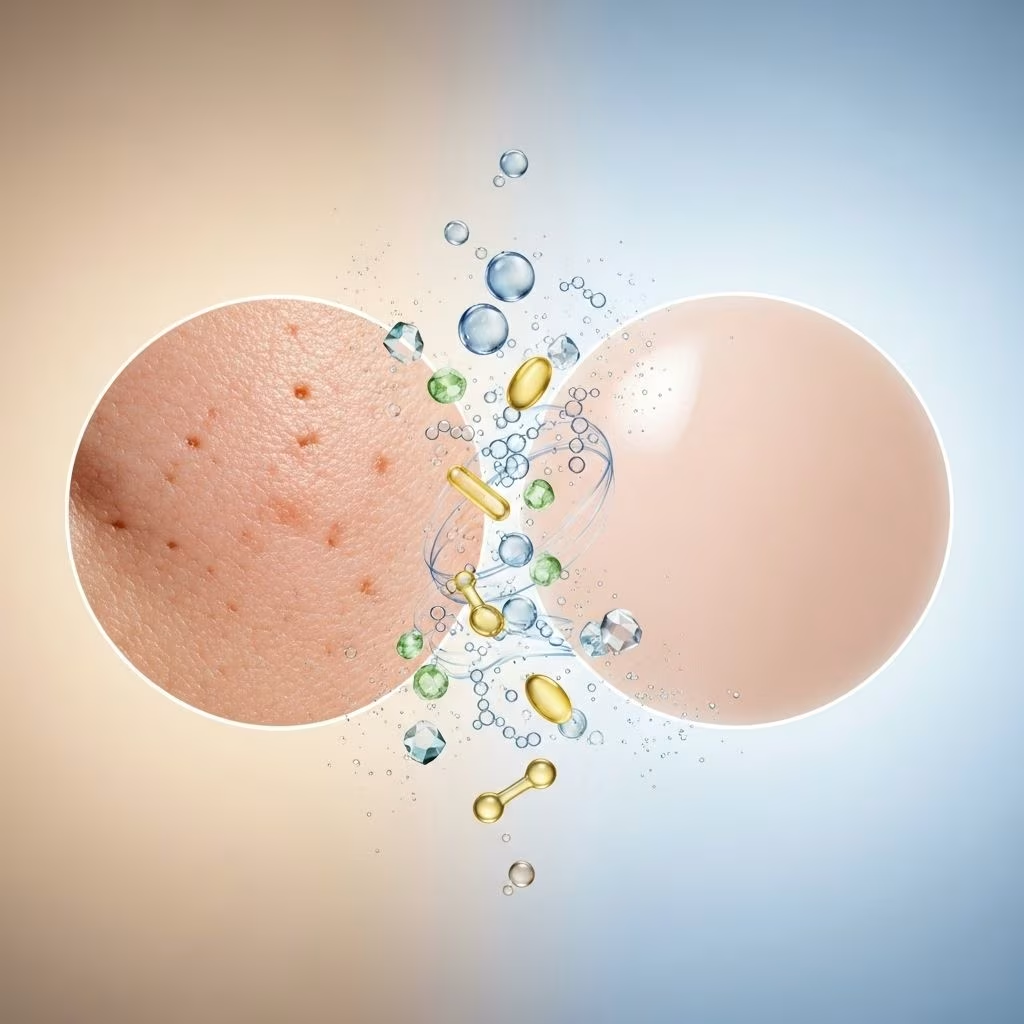
Actives Causing Texture: Causes and Solutions
Skin texture—whether rough, bumpy, uneven, or dull—stands out as one of the most common and stubborn concerns faced by skincare enthusiasts and professionals alike. Many factors contribute to textural changes, but one of the most intriguing is the role of active ingredients in skincare. This comprehensive guide explores the science behind actives causing skin texture changes, the types and causes of uneven texture, and actionable solutions for achieving a smoother, healthier complexion.
What Is Skin Texture?
Skin texture refers to the tactile and visual quality of the skin’s surface—whether it feels smooth, bumpy, rough, or displays visible pores and irregularities. Healthy skin typically feels soft, even, and supple. Conversely, textured skin may show:
- Bumps or pits
- Roughness
- Large pores
- Acne scars or indentations
- Visible fine lines
- Dullness
- Patches of redness or hyperpigmentation
Texture is an easily recognizable marker of skin health and is influenced by genetic, environmental, and topical (skincare-related) factors.
How Actives Affect Skin Texture
Active ingredients in skincare are compounds specifically designed to deliver functional benefits at the cellular level, addressing concerns such as aging, acne, pigmentation, and texture irregularities. These actives—ranging from exfoliating acids to hydrators and antioxidants—have the power to transform skin’s appearance and feel.
However, overuse, improper combinations, or unsuitable actives for a given skin type can also cause or worsen texture issues. Actives can:
- Trigger exfoliation, which remodels skin surface but may initially cause roughness or peeling
- Induce inflammation if the skin barrier is disturbed
- Prompt purging, where blocked pores temporarily worsen before clearing
- Cause dryness or dehydration, leading to a rough feel
Actives are a double-edged sword—powerful against skin concerns, but potentially disruptive if misused.
Types of Textured Skin
Not all skin texture is the same. The major types include:
- Acne-prone – characterized by bumps, clogged pores, and breakouts.
- Large pores – noticeable unevenness, commonly in the T-zone.
- Dry and rough – flaky surfaces with a tactile unevenness.
- Scarred – depressions or raised areas post-acne or injury.
- Sun-damaged – texture changes due to photoaging, spots, or thickened skin.
- Mature skin – increased roughness, wrinkles, and fine lines from thinning and slowed cell turnover.
Additionally, skin conditions like eczema, rosacea, and keratosis pilaris create unique patterns of texture, often with inflammation or bumps.
Core Causes of Skin Texture
The causes of uneven or textured skin can be grouped into several categories:
- Dead skin cell build-up – due to inadequate exfoliation or slowed skin renewal.
- Sun damage – UV rays accelerate aging, thicken the skin, and increase pigment and texture irregularities.
- Aging – thinned skin, slower cellular turnover, and increased lines and wrinkles.
- Acne and congestion – blocked pores, inflammation, and scarring disrupt smoothness.
- Dehydration and dryness – insufficient moisture forms dry patches, accentuating texture.
- Genetics – some individuals naturally have larger pores, more sebaceous activity, or increased sensitivity.
- Lifestyle factors – poor diet, insufficient hydration, smoking, and lack of sleep undermine skin texture.
- Skin disorders – eczema, rosacea, and keratosis pilaris introduce unique bumps, redness, or scaling.
| Cause | Effect on Texture | Related Solutions |
|---|---|---|
| Build-up of dead skin cells | Rough, dull, bumpy skin | Chemical exfoliation, regular cleansing, hydrating |
| Sun damage | Thickened, spotty, uneven skin | SPF usage, antioxidants, topical vitamin C |
| Aging | Wrinkles, loss of firmness, uneven texture | Retinoids, peptides, consistent moisturizing |
| Acne/congestion | Bumps, scars, enlarged pores | Salicylic acid, niacinamide, professional treatments |
| Dryness/dehydration | Flaky, rough, tight skin | Hyaluronic acid, gentle cleansers, moisturizing |
| Genetics/lifestyle | Variable: enlarged pores, dullness, tired look | Balanced diet, hydration, sleep hygiene, customized skincare |
Key Actives That Affect Texture
Certain skincare actives are specifically designed to target and improve texture, while others may worsen it if used improperly. Here is a breakdown of the most impactful actives:
Exfoliating Acids
- Glycolic Acid (AHA): Penetrates the surface, sloughing off dead skin cells, revealing smoother, brighter skin. Ideal for resilient and non-sensitive skin types.
- Salicylic Acid (BHA): Oil-soluble, deep-cleanses pores, especially beneficial for acne-prone and oily skin. Reduces congestion and bumps.
- Lactic Acid (AHA): Mild exfoliation, suitable for sensitive skin seeking smoother texture.
Hydration Boosters
- Hyaluronic Acid: Attracts and retains moisture, plumping skin, improving smoothness, and diminishing fine lines.
- Glycerin: Deep hydration and softening for rough, dry skin.
Texture Refiners and Renewers
- Retinol/Retinoids: Stimulate cell turnover, fading lines and improving texture, but may cause initial dryness and peeling.
- Niacinamide: Calms inflammation, minimizes pores, and helps regulate oil for a smoother surface.
- Vitamin C: Antioxidant effect, promoting radiance, reducing pigmentation and unevenness.
Solutions for Improving Skin Texture
Scientific advances and expert routines have yielded multiple approaches for smoother skin:
- Chemical Exfoliation: Use AHAs (glycolic, lactic acid) or BHAs (salicylic acid) 2–3 times per week to gently remove dead skin cells and reveal new skin. Avoid excessive exfoliation to prevent barrier damage.
- Consistent Hydration: Incorporate hyaluronic acid and glycerin-rich products to maintain moisture, reduce roughness, and plump out lines.
- Barrier Protection: Use niacinamide, ceramides, and gentle moisturizers to reinforce your skin’s natural defenses, preventing dryness and irritation.
- Retinoid Therapy: Gradually introduce retinol-based cream for maximum texture refinement, starting slowly to minimize dryness.
- Sun Protection: Apply broad-spectrum SPF daily to prevent photoaging and texture degradation.
For more severe cases—such as scarring or stubborn congestion—consider professional treatments (chemical peels, microneedling, laser resurfacing) under dermatologist supervision.
Best Practices Table
| Active | Key Benefit | Best For | Potential Risk |
|---|---|---|---|
| Glycolic Acid | Exfoliation, brightness | Dull & rough skin | Irritation, sensitivity |
| Salicylic Acid | Decongests pores, reduces acne | Oily & acne-prone skin | Dryness, stinging |
| Niacinamide | Minimizes pores, regulates oil | Redness, uneven tone | Rare irritation |
| Retinol | Targets lines, uneven texture | Mature & sun-damaged skin | Irritation, peeling |
| Hyaluronic Acid | Deep hydration, plumper skin | Dryness, dehydration | Usually well-tolerated |
Combining and Layering Actives: What to Avoid
Using multiple actives can boost results, but improper combinations risk irritation, increased sensitivity, and worsened texture. Tips for safe use:
- Don’t layer strong exfoliants (e.g., glycolic acid and salicylic acid) in the same routine unless professionally advised.
- Avoid retinol with high-strength acids—use them on alternate nights.
- Mix niacinamide with actives safely, as it calms irritation and supports barrier function.
- Pace introduction; allow adaptation before adding more actives.
- Always moisturize and apply sunscreen when using actives to prevent moisture loss and environmental damage.
Lifestyle and Environmental Factors
Skin texture also responds to habits and environment. Effective texture improvement requires:
- Balancing diet: Intake of antioxidants, essential fatty acids, and hydrating foods increases skin resilience.
- Adequate hydration: Drink water, limit alcohol and high-sugar drinks.
- Stress management: Reduce inflammation and enhance repair by moderating stress.
- Quality sleep: Repair processes peak overnight, helping smooth texture.
- No smoking: Smoking accelerates skin aging and roughness.
Frequently Asked Questions (FAQs)
Q: Can using too many actives worsen my skin texture?
A: Yes, overuse or mismatched combinations of actives can irritate, dry, or inflame the skin, making its texture worse. Introduce actives gradually, avoid layering potent exfoliants, and always support with a moisturizer and SPF.
Q: How do I know if my skin texture is due to actives or something else?
A: Texture often results from multiple factors, but sudden roughness, peeling, or sensitivity after introducing a new active is a strong indicator. Consult a dermatologist for chronic or unclear issues.
Q: What is purging, and how does it relate to actives?
A: Purging is a temporary worsening of bumps and breakouts when introducing potent actives (e.g., retinoids, exfoliating acids). The skin is rapidly shedding blocked pores. Purging typically resolves in 2–8 weeks.
Q: Are physical scrubs good for improving texture?
A: Physical scrubs are less effective and potentially damaging for most skin types, as they may cause micro-tears. Chemical exfoliants (AHAs/BHAs) are recommended for gentle, effective resurfacing.
Q: How can I maintain improved skin texture?
A: Continue a structured skincare routine—cleansing, gentle exfoliation, hydrating, protecting barrier, and daily SPF. Sustain healthy habits and consult with professionals for persistent problems.
Conclusion
Actives in skincare are essential tools for transforming texture but require careful selection, combination, and support from healthy lifestyle choices. By understanding their mechanisms, risks, and solutions, you can achieve smoother, radiant skin and address texture concerns effectively._
References
- https://www.skin.software/journal/smooth-skin
- https://danglifestyle.co/skincare-actives/
- https://www.glowsavannah.com/active-vs-inactive-skincare-ingredients/
- https://prose.com/blog/causes-of-textured-skin
- https://www.nivea.co.uk/advice/skin/how-to-get-rid-of-textured-skin
- https://www.ipsy.com/blog/different-types-of-skin-texture
- https://www.benefitcosmetics.com/en-us/pores/articles/uneven-texture/skin-texture.html
- https://curology.com/blog/what-is-skin-texture-a-guide-to-understanding-and-enhancing-your-skins/
- https://2250.care/learn/texture-and-absorption-science-behind-skincare


