


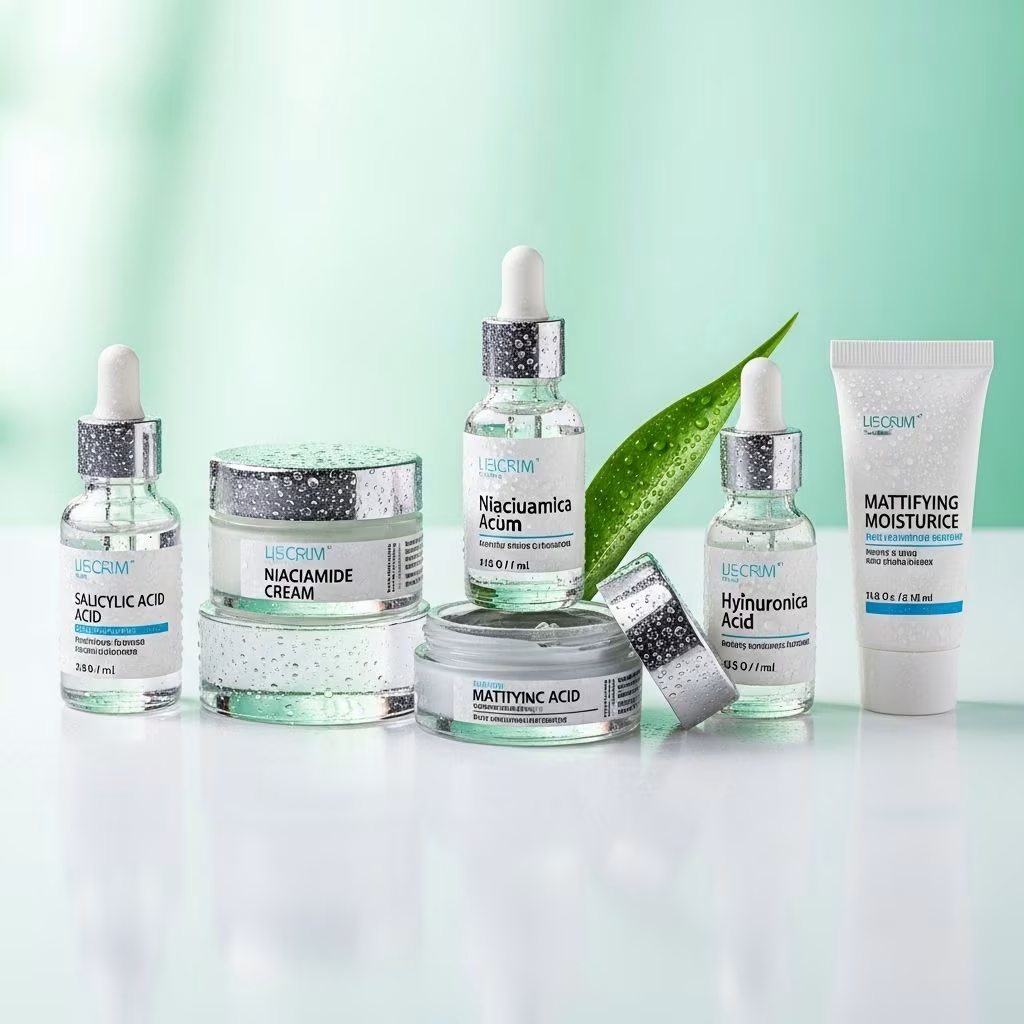
Managing oily skin can be challenging, but the task becomes especially daunting when living in a hot, humid climate. Increased moisture in the air amplifies your skin’s oil production, often resulting in a greasy complexion, enlarged pores, and frequent breakouts. Understanding which skincare actives are most effective and how to build an optimal routine is key to taming shine and achieving a balanced, healthy complexion. This comprehensive guide covers the symptoms, causes, and consequences of oily skin in humidity, the science behind actives, best product picks, and essential maintenance strategies.
Understanding Oily Skin in Humid Climates
Oily skin develops when the sebaceous glands in your skin’s follicles produce an excessive amount of sebum, the skin’s natural oil. In humid environments:
- The moisture and heat increase sebum fluidity and secretion.
- Skin can feel persistently greasy, shiny, or slick throughout the day.
- Pores often appear enlarged and are prone to clogging.
- There is a greater risk for acne due to sebum mixing with sweat, dirt, and bacteria.
According to dermatological studies, sebum production rises with higher temperatures and humidity, especially in the T-zone (forehead, nose, chin), thus increasing the likelihood of congestion and breakouts.
Why Humidity Worsens Oiliness and Breakouts
Humidity compounds the challenges of oily skin because it alters how your skin balances its oil and moisture:
- Higher perspiration mixes with excess oil, leading to a sticky film that traps impurities.
- Pores stay moist, making them more likely to become sealed and clogged.
- Humidity increases the proliferation of bacteria on the skin, escalating acne risks.
- Sunscreens and makeup applied during humid weather can contribute to pore blockage if not chosen carefully.
Fluctuating heat, frequent wiping, and the need for multiple sunscreen reapplications further complicate skincare, often promoting both oiliness and irritation if harsh products are used.
Top Actives for Oily Skin in Humid Climates
Using targeted actives is crucial for managing oil, refining pores, and keeping breakouts at bay. Here’s a breakdown of the most effective ingredients and why they work:
1. Salicylic Acid (BHA)
This oil-soluble beta hydroxy acid deeply penetrates pores, dissolving trapped sebum and dead skin debris. It also possesses anti-inflammatory properties, making it an ideal daily exfoliant for oily and acne-prone skin.
- Reduces blackheads and whiteheads
- Clears out pores and controls shine
- Can be found in cleansers, toners, spot treatments
2. Niacinamide (Vitamin B3)
Niacinamide helps regulate sebum production, minimize the appearance of pores, and calm inflamed skin:
- Reduces visible oiliness and redness
- Repairs the skin barrier, preventing over-drying
- Works synergistically with other actives, making it highly versatile
3. Clay (Kaolin, Bentonite)
Clays absorb surface oil and deeply cleanse pores without stripping skin. They are ideal as weekly masks to draw out impurities, especially when extra shine and congestion are common in humidity.
- Provides a non-abrasive way to detox skin
- Soothes and mattifies
4. Green Tea Extract
Green tea is rich in antioxidants and has been shown to reduce sebum production. A study found a topical 3% solution significantly aided oil control in subjects with oily skin.
- Reduces excess sebum
- Calms inflammation and provides antioxidant protection
5. Retinoids (Adapalene, Retinol)
Prescription and over-the-counter retinoids promote cellular turnover, prevent clogged pores and have proven efficacy for acne management.
- Smooths skin texture
- Helps fade post-acne marks
- Should be started gradually to minimize irritation
6. Zinc
Zinc helps mattify skin and offers anti-bacterial benefits, particularly in topical formulations for acne. It is often combined with niacinamide or in mineral sunscreens for oil control.
7. Alpha Hydroxy Acids (AHAs, e.g., Glycolic Acid)
Glycolic and lactic acid exfoliate the skin’s surface, minimizing clogged pores and improving clarity. Best used a few times a week to avoid over-exfoliation, especially if using other actives.
8. Witch Hazel (Alcohol-Free)
This botanical astringent helps tighten pores and offers a refreshing feel, but alcohol-free versions are preferred to limit irritation and excess dryness.
Building the Ultimate Skincare Routine
A winning routine for oily skin in humid climates prioritizes gentle cleansing, daily hydration, targeted actives, and broad-spectrum protection. Here’s an ideal stepwise approach:
Morning Routine
- Use a gentle, foaming cleanser with salicylic acid to clear overnight oil and remove debris.
- Apply a light, oil-free toner with niacinamide or witch hazel (alcohol-free).
- Use a hydrating serum with niacinamide or green tea extract to balance oil.
- Moisturize with a gel-based, non-comedogenic (won’t clog pores), oil-free moisturizer.
- Finish with an oil-free, broad-spectrum sunscreen (preferably mineral/physical with zinc oxide; labeled non-comedogenic).
Evening Routine
- Double cleanse (if wearing sunscreen or makeup): an oil-free micellar water or lightweight cleansing oil, followed by foaming cleanser.
- 2–3 times/week: Apply a chemical exfoliant (salicylic acid or a mild AHA like glycolic acid).
- Apply a serum targeted for oil control, such as niacinamide, or a retinoid (use retinoids at night due to sun sensitivity).
- Moisturize with a gel or a lightweight lotion that won’t clog pores.
- 1–2 times/week: Use a clay mask to deep-cleanse and keep pores clear.
Pro Tip: Avoid attempting to “dry out” oily skin with harsh cleansers, as this backfires by triggering more oil production. Hydration is essential—look for products labeled “oil-free,” “non-comedogenic,” and “for oily/acne-prone skin.”
Ingredients and Practices to Avoid
- Alcohol-heavy toners: These can overly strip skin, leading to rebound oiliness and potential irritation.
- Heavy, occlusive creams: Avoid thick moisturizers with petrolatum or coconut oil, as these often clog pores.
- Physical scrubs with rough particles: These can create microtears and stimulate oil production.
- Comedogenic sunscreen/makeup: Choose products specifically labeled non-comedogenic, especially for humid climates where sweat can increase pore-clogging potential.
Lifestyle & Additional Tips for Oil and Breakout Control
- Shower and change out of sweaty clothes promptly after exercise or exposure to heat.
- Don’t over-wash your face; stick to twice daily unless sweating heavily.
- Blotting papers can quickly absorb surface oil during the day without disrupting makeup or further irritating skin.
- Keep hair off your face, as oils and styling products can transfer onto skin.
- Frequently cleanse hats, phone screens, and pillowcases to minimize transfer of sweat, bacteria, and oils.
- Opt for lightweight, breathable fabrics like cotton to prevent sweat and bacteria buildup on skin.
Quick Reference Table: Best Actives and Their Benefits
| Active Ingredient | Main Benefits | Best Formulation/Use | Notes |
|---|---|---|---|
| Salicylic Acid (BHA) | Clears pores, reduces acne, mattifies skin | Cleansers, toners, serums | Daily use usually tolerated |
| Niacinamide (Vitamin B3) | Regulates oil, soothes, minimizes pores | Serums, moisturizers | Can combine with most actives |
| Clay (Kaolin, Bentonite) | Absorbs oil, unclogs pores | Masks, cleansers | Use 1–2 times/week |
| Green Tea Extract | Reduces sebum, antioxidant | Serums, creams | Sensitive skin friendly |
| Retinoids | Boost cell turnover, reduce acne | Night creams, gels | Start slowly to build tolerance |
| Zinc | Mattifies, soothes, antibacterial | Sunscreen, spot treatments | Often combined with other actives |
Frequently Asked Questions (FAQs)
Q: Should I still moisturize if my skin is oily and I live in a humid climate?
A: Yes, moisturizing is critical for all skin types. Choose a lightweight, oil-free, non-comedogenic moisturizer to ensure your skin stays hydrated without added grease. Skipping moisturizer can lead to dehydration, which paradoxically may trigger more sebum production.
Q: How often should I exfoliate if I have oily skin in humid weather?
A: Exfoliate 2–3 times per week with a chemical exfoliant like salicylic acid or a mild AHA. Over-exfoliation may irritate your skin and increase oil production. Always monitor for irritation.
Q: Can sunscreen aggravate oily or acne-prone skin?
A: Some sunscreens can clog pores. Opt for non-comedogenic, oil-free sunscreen, preferably with zinc oxide or titanium dioxide. Reapply as needed, especially after sweating or swimming.
Q: What’s the biggest skincare mistake people with oily skin in humid climates make?
A: Over-cleansing or using harsh, alcohol-filled products that strip natural oils. This disrupts your skin barrier and can increase oiliness, sensitivity, and breakouts. Focus on balance, not dehydration.
Q: Are there prescription options for uncontrollable oily skin and breakouts?
A: Yes, dermatologists can prescribe topical retinoids, antibiotics, or oral medications for recalcitrant acne and excess oil production. For persistent issues, a tailored approach with professional guidance is recommended.
Conclusion
Living with oily skin in humid climates is an ongoing challenge that demands a tailored, gentle, and consistent skincare routine. By focusing on proven actives like salicylic acid, niacinamide, green tea, clay, and retinoids—and adopting daily strategies to keep excess oil at bay—you can dramatically improve skin clarity, reduce breakouts, and enjoy a fresher, healthier complexion year-round.
References
- https://www.cetaphil.com/us/skincare-tips/how-to-care-for-oily-skin-in-humid-weather.html
- https://louisiana-dermatology.com/top-tips-for-managing-oily-skin-during-a-southern-summer/
- https://www.aad.org/public/everyday-care/skin-care-basics/dry/oily-skin
- https://pourmoiskincare.com/blogs/beautyforecast/summer-skin-care-for-oily-skin-because-oily-skin-is-not-a-type-it-s-a-symptom-of-the-climate
- https://pmc.ncbi.nlm.nih.gov/articles/PMC5605215/
- https://www.schlessingermd.com/managing-acne-in-humid-weather/


