


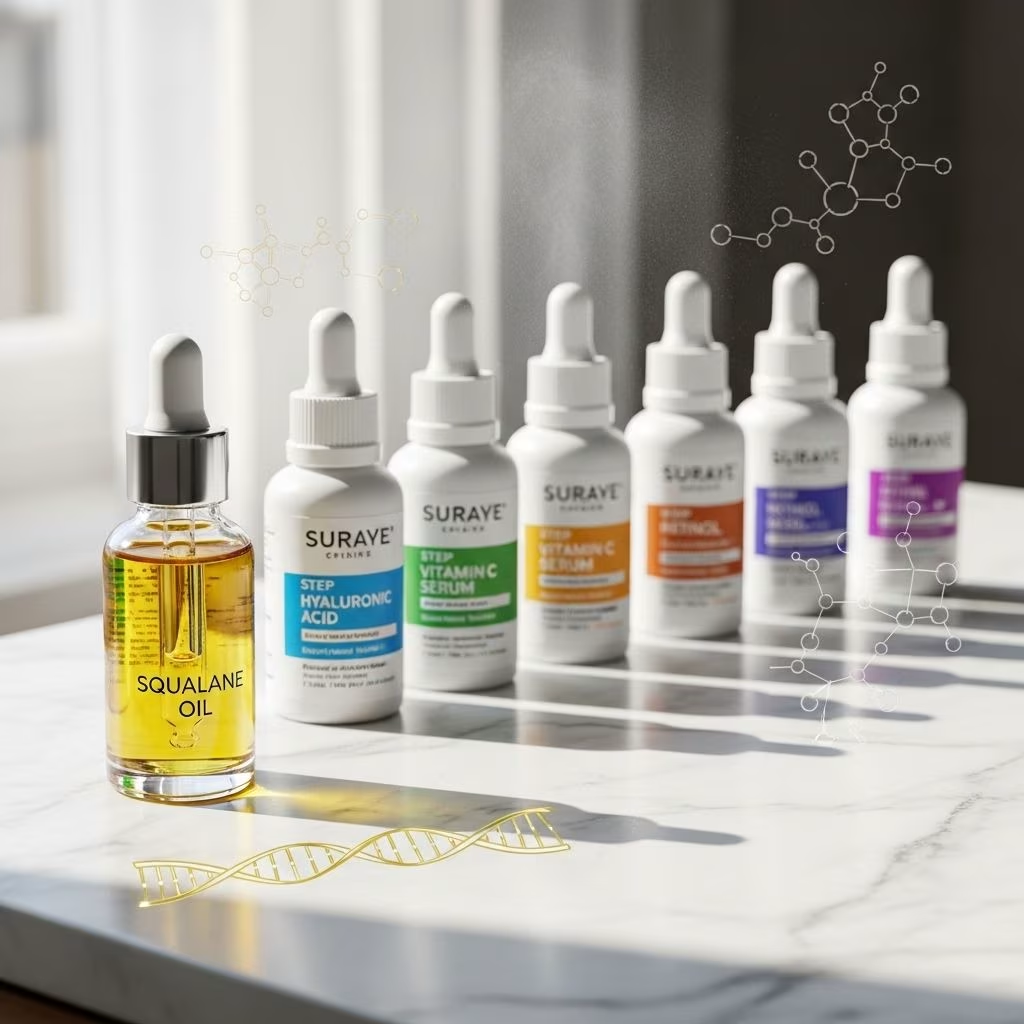
Understanding how to properly layer squalane and active serums is key to making the most of modern skincare. Whether you are tackling dryness, sensitivity, signs of aging, or just want a healthy, glowing complexion, the synergy between squalane and actives can transform your results. This comprehensive guide explains the science, best practices, and answers top FAQs—so you can build a regimen that works.
What is Squalane?
Squalane is a stable, saturated hydrocarbon oil derived from plant sources such as olive, sugarcane, or rice bran.
It is the hydrogenated, stable form of squalene—a lipid naturally found in human sebum. Unlike squalene, squalane does not oxidize easily, making it exceptionally safe and reliable for skincare routines.
Key properties:
- Lightweight and non-greasy: Provides lasting hydration without clogging pores.
- Emollient and barrier-supportive: Helps inhibit transepidermal water loss (TEWL) by forming a breathable film atop the skin.
- Suitable for all skin types: Including oily, sensitive, and acne-prone skin.
- Antioxidant activity: Scavenges free radicals and helps defend against environmental aggressors.
- Mimics skin’s natural oils: Balances sebum production and prevents irritation or flakiness.
Squalane oil thus hydrates, soothes, and protects the skin while remaining highly compatible with actives and other ingredients.
What are Active Serums?
Active serums are concentrated formulations containing ingredients designed to target specific skin concerns. ‘Actives’ refers to molecules like:
- Vitamin C (ascorbic acid) – brightening, antioxidant protection
- Retinoids (retinol, retinaldehyde) – stimulates cell turnover, anti-aging
- Alpha hydroxy acids (AHAs: glycolic, lactic) – exfoliation, smoothing texture
- Beta hydroxy acids (BHA: salicylic acid) – exfoliation, anti-acne
- Niacinamide – barrier support, oil regulation, even skin tone
- Peptides – firming, collagen support
- Hyaluronic acid – deep hydration
Active serums deliver potent effects but can, in some cases, cause dryness, irritation, or sensitization—especially if not paired with supportive hydrators or occlusive agents.
Why Layer Squalane with Actives?
Properly layering squalane with actives maximizes benefits and minimizes irritation. Here’s how:
- Boosts hydration: Squalane seals in moisture and stops the water loss that actives like retinoids or vitamin C can sometimes cause.
- Enhances tolerance: Soothing, barrier-repairing squalane offsets potential irritation from exfoliating or resurfacing actives.
- Improves absorption: Using squalane after water-based serums helps lock actives into the skin, increasing performance.
- Balancing effect: Squalane helps regulate sebum and maintain skin equilibrium, making actives more effective and pleasant to use over time.
- Suited to all skin types: Even sensitive or acne-prone skin tolerates squalane, enabling almost anyone to benefit from actives.
Correct Order: Layering Squalane and Active Serums
The order of application matters to ensure both penetration of actives and optimal hydration. The standard principle is:
| Step | Product Type | Purpose |
|---|---|---|
| 1 | Cleanser | Removes dirt, oil, makeup |
| 2 | Toner or Face Mist | Preps skin, delivers light hydration |
| 3 | Water-Based Serums | Delivers actives (vitamin C, hyaluronic acid, niacinamide, exfoliants) |
| 4 | Squalane Oil | Seals in hydration, reduces irritation, supports barrier |
| 5 | Moisturizer (if needed) | Extra occlusion, particularly for dry skin |
| 6 | SPF (AM routine) | Protects against UV damage |
Key Rule: Apply lighter, water-based products first; follow with oils like squalane; finish with heavier creams.
Step-by-Step Guide: Layering Squalane and Various Actives
1. Cleansing
Begin with a gentle cleanser suited to your skin type to remove impurities.
2. Toning or Hydrating Mist
Apply a toner or facial mist to add hydration and prep skin for actives.
3. Water-Based Actives
- Apply vitamin C, niacinamide, hyaluronic acid, or exfoliating acids as directed.
- Allow each to absorb for 30–60 seconds before layering the next.
4. Squalane Oil Application
- Apply 2–3 drops of squalane oil to damp or just-applied active serum skin.
- Gently press into face and neck.
5. Cream Moisturizer (Optional)
Finish with a moisturizer if your skin is very dry, or if you use treatments known for causing irritation (retinol, strong acids).
6. Sunscreen (AM Only)
Always conclude your AM routine with broad-spectrum SPF 30+.
Synergistic Combinations: Squalane with Key Actives
Some actives combine especially well with squalane, creating noticeable improvements in skin health and tolerance.
Layering Squalane and Hyaluronic Acid
- Hyaluronic acid: Pulls water deep into skin layers.
- Squalane: Seals that moisture in, preventing evaporation.
- Method: Apply hyaluronic acid serum first (on damp skin if possible), then squalane oil on top.
Result: Deep, long-lasting hydration with a plumper, more supple complexion.
Squalane and Vitamin C
- Squalane does not degrade vitamin C and helps buffer possible irritation.
- Apply vitamin C serum first; follow with squalane to lock in actives and hydration.
Squalane and Retinol
- Retinoids can cause dryness and peeling; squalane minimizes these effects.
- Use retinol serum on clean skin, let absorb, then apply squalane.
- Some retinol products are squalane-based; check product instructions to avoid doubling up.
Squalane and Exfoliating Acids (AHAs/BHAs)
- Acids are applied to clean, dry skin; let them absorb fully.
- Follow with squalane to soothe and restore the skin barrier.
Squalane with Niacinamide or Peptides
- These actives support the skin barrier and combine well with squalane for strengthened and resilient skin.
- Apply actives first, squalane second.
Pro Tips and Best Practices
- Less is more: 2–3 drops of squalane is usually sufficient even for dry skin.
- Avoid mixing in the palm: Layering one after the other on skin ensures proper absorption and layering integrity.
- Patch-test new combinations: Especially when adding potent actives in the same routine.
- Apply to slightly damp skin: Especially after hyaluronic acid, as squalane will seal in the added hydration.
- Customize for AM/PM: Use antioxidant/vitamin C in the AM; retinol or stronger acids only at night, always followed by squalane.
Common Layering Mistakes to Avoid
- Using too much oil: Too much squalane can sit on top of the skin and interfere with actives or makeup.
- Layering squalane before water-based actives: Oils block penetration; always use actives first.
- Skipping sunscreen after actives: Many serums (especially vitamin C and acids) increase photosensitivity; SPF is essential.
- Combining multiple harsh actives: For example, strong acids and retinoids together; ease in or alternate nights, with squalane to buffer effects.
Frequently Asked Questions (FAQs)
Q: Can I use squalane and all actives together?
A: Squalane can be safely paired with almost all actives, including vitamin C, retinol, acids, and peptides. It buffers irritation and supports the barrier, but always introduce new actives gradually and test for sensitivity.
Q: Should squalane go before or after active serums?
A: Squalane should be applied after water-based serums and actives, and before creams or sunscreen. It acts as a light occlusive to “seal in” benefits.
Q: Can oily, acne-prone, or sensitive skin use squalane?
A: Yes. Squalane closely resembles skin’s natural sebum and is non-comedogenic, antibacterial, and soothing—making it ideal even for breakout-prone or sensitive skin.
Q: Is squalane enough as a moisturizer?
A: For combination to oily skin, squalane alone may suffice. Dry or mature skin may benefit from an additional cream moisturizer to further prevent dehydration.
Q: Can I mix squalane with my serum?
A: It is typically best to layer squalane after other serums directly on your skin, rather than mix in your hand, to maintain efficacy and orderly absorption.
Q: How often should I use squalane with actives?
A: Squalane can be used twice daily, morning and night, along with actives appropriate for your skin type and goals.
Summary Table: Squalane and Actives Layering Quick Reference
| Active Serum | Layering Order | Comments |
|---|---|---|
| Vitamin C | Serum, then squalane | Squalane buffers, does not diminish vitamin C |
| Hyaluronic Acid | Serum, then squalane | Maximizes hydration |
| Retinol | Serum, then squalane | Reduces dryness/irritation |
| AHAs/BHAs | Serum, then squalane | Soothe after exfoliation |
| Niacinamide/Peptides | Serum, then squalane | Strengthens barrier further |
Conclusion
Mastering the layering of squalane and active serums can transform your skincare routine with heightened hydration, tolerance, and visible, lasting improvements in skin health. By following correct layering steps and adjusting for your unique needs, you unlock the full potential of both squalane and your favorite actives.
References
- https://eightsaintsskincare.com/blogs/page-eight/plant-derived-squalane-long-lasting-hydration
- https://exponentbeauty.com/blogs/dose/squalane-skin-care
- https://amalabeauty.com/blogs/resources/combining-squalane-and-hyaluronic-acid-skincare-benefits
- https://www.biossance.com/blog/skincare-layering-guide/
- https://theordinary.com/en-us/blog/benefits-of-squalane-deep-dive.html
- https://www.sephora.com/beauty/squalane


