


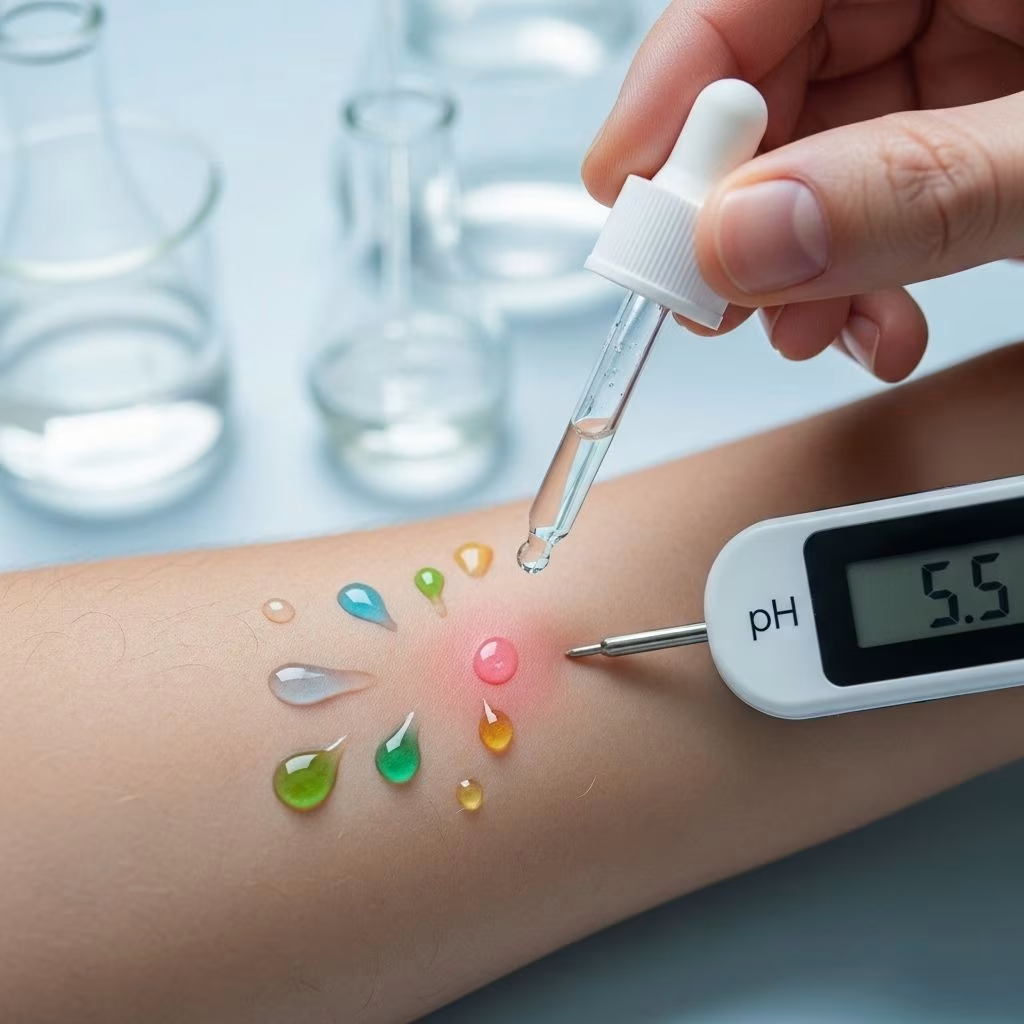
Introduction to Skin pH
Understanding skin pH is crucial in the development and selection of skincare products. The skin’s natural pH is slightly acidic, ranging from about 4.5 to 5.5, which is essential for maintaining the skin barrier and preventing infections. This acidic environment helps to prevent microbial invasion and supports the optimal functioning of skin enzymes and lipids that protect the skin.
Measuring Skin pH
Measuring skin pH involves using specialized devices like skin pH meters or flat pH electrodes. These tools provide accurate readings of the skin surface’s acidity or alkalinity by detecting hydrogen ion concentrations. The most common method is to use a glass planar electrode connected to a voltage meter, which offers precise measurements when applied to the skin surface.
Preparation is key to obtaining accurate results. It is recommended to avoid applying skincare products or washing the test area for several hours before the measurement. Informing healthcare providers about any medications or topical treatments is also important, as these can influence the results.
The Importance of Skin pH in Selecting Actives
When selecting active ingredients for skincare products, understanding the skin’s baseline pH is vital. Actives that are pH-dependent may not function optimally if the product’s pH is far from the skin’s natural pH. For instance, enzymes such as alpha-glucosidase, which helps break down melanin, work best at a slightly acidic pH. Similarly, the effectiveness of hydroxy acids, like glycolic acid or lactic acid, depends on maintaining a product pH close to the skin’s natural range.
Categories of Skin Actives Based on pH Sensitivity
Skincare actives can be broadly categorized into pH-sensitive and pH-insensitive compounds.
pH-Sensitive Actives
These include ingredients like alpha-hydroxy acids (AHAs), beta-hydroxy acids (BHAs), and some enzyme-based actives. For example:
- Alpha-hydroxy acids (AHAs): These are more effective at a lower pH. Glycolic acid, for instance, is most effective between pH 3.0 and 4.0.
- Beta-hydroxy acid (BHAs): Salicylic acid is effective at a broader pH range but is more potent at a slightly acidic pH.
- Enzymes: Some enzymes used in skincare, like papain or bromelain, are sensitive to pH and work optimally at slightly acidic conditions.
pH-Insensitive Actives
These actives maintain their effectiveness across a wider pH range. Examples include antioxidants like vitamin C and polyphenols, which can be formulated into products with varying pH levels without significant loss of efficacy.
Formulation Considerations Based on Skin pH
When formulating skincare products, ensuring that the pH is close to the skin’s natural pH is crucial to maintain the skin barrier and optimize the effectiveness of active ingredients. Here are some key considerations:
- Stability and Efficacy: The stability and efficacy of active ingredients can be affected by pH. For example, some actives may degrade or become less effective if the product’s pH is too far from their optimal range.
- Skin Barrier Function: Formulating products with a pH close to the skin’s natural range helps maintain the skin barrier’s integrity, reducing irritation and improving skin health.
- Product Feel and Acceptability: Consumers prefer products that feel gentle and non-irritating. A pH-friendly formulation can enhance product acceptability by reducing the risk of irritation.
Examples of pH-Based Formulations
| Product Type | Optimal pH Range | Key Ingredients |
|---|---|---|
| Cleansers | 5.0 to 6.0 | Sodium lauryl sulfate, glycerin |
| Moisturizers | 4.5 to 5.5 | Hydroxy acids, ceramides |
| Anti-aging Serums | 3.5 to 4.5 | Retinol, vitamin C |
Frequently Asked Questions (FAQs)
Q: Why is maintaining skin’s natural pH important?
A: Maintaining the skin’s natural pH is important for preventing infections and ensuring the proper functioning of skin enzymes and lipids. This helps in maintaining the skin barrier and preventing irritation.
Q: How can I check my skin’s pH at home?
A: While professional skin pH meters are more accurate, you can use pH strips to get an approximate idea of your skin’s pH. These strips change color based on the pH level.
Q: Can skincare products change my skin’s pH permanently?
A: Skincare products can temporarily alter the skin’s pH, but the skin typically returns to its natural pH once the product is washed off. However, frequent use of products with a pH far from the skin’s natural range can lead to irritation and long-term skin barrier disruption.
Conclusion
Understanding and respecting the skin’s baseline pH is crucial when selecting actives for skincare products. By ensuring that the product’s pH aligns with the skin’s natural acidic environment, manufacturers can enhance product efficacy, stability, and consumer satisfaction. This approach not only supports the development of effective skincare but also contributes to maintaining healthy, balanced skin.
References
- https://pmc.ncbi.nlm.nih.gov/articles/PMC3747458/
- https://thekingsleyclinic.com/resources/how-to-measure-skin-ph-levels-for-a-healthy-balance/
- https://pubmed.ncbi.nlm.nih.gov/19832960/
- https://www.horiba.com/usa/water-quality/applications/human-health-care/measurement-of-surface-skin-ph/
- https://atlas-scientific.com/blog/how-to-test-the-ph-of-skin-care-products/
- https://www.schoolofnaturalskincare.com/test-adjust-ph-natural-skincare/
- https://karger.com/books/book/127/chapter/5064665/Measurement-of-Skin-Surface-pH
- https://cosmetics.alfa-chemistry.com/resources/reference-guide-for-the-ph-setting-of-cosmetics.html
- https://sensorex.com/skin-ph/
- https://puracy.com/blogs/wellness/how-to-measure-balance-skin-ph


