


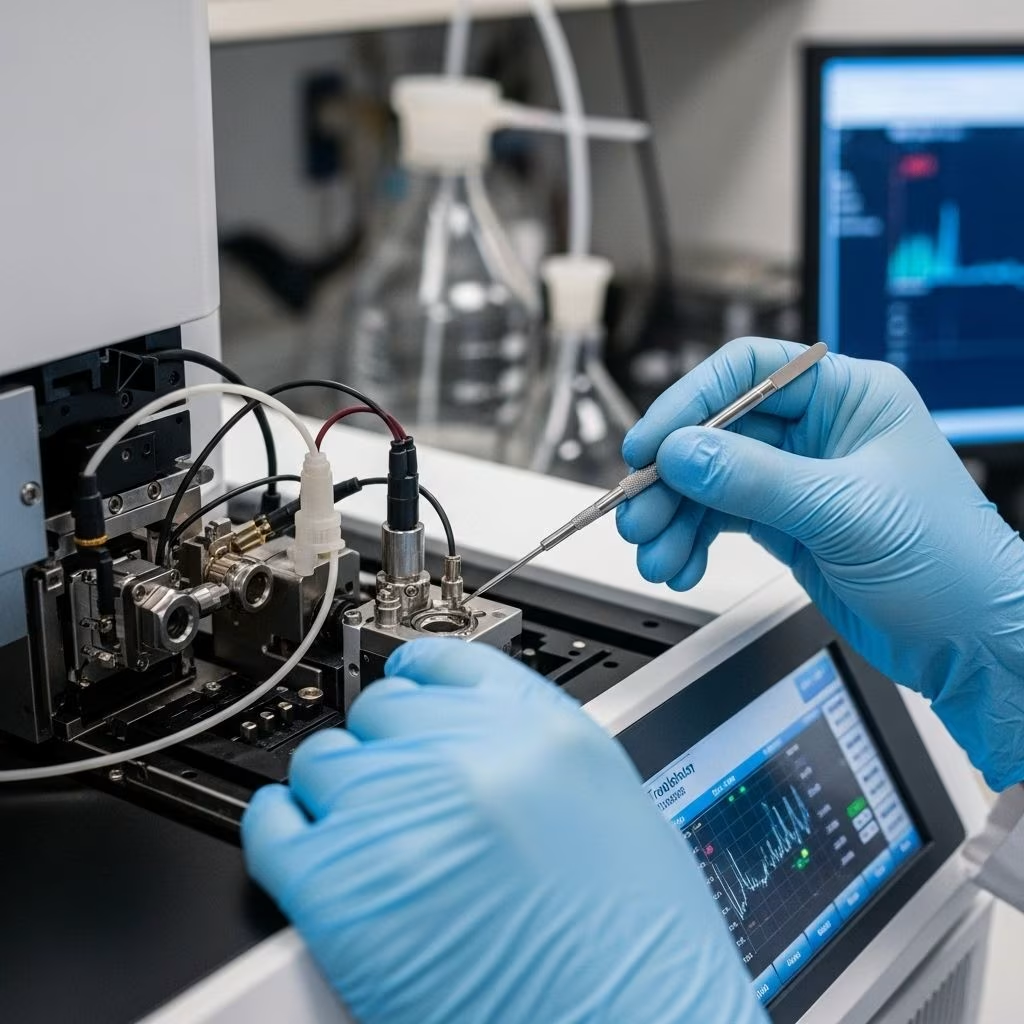
Introduction to Active Ingredient Troubleshooting
Troubleshooting failures in active ingredients is a critical aspect of manufacturing, especially in pharmaceutical and cosmetic industries. Active ingredients are the components of a product that provide its primary function, and their malfunction can lead to product instability, inefficacy, or even safety issues. This article provides a comprehensive guide to identifying and resolving issues related to active ingredients, focusing on analytical strategies, root cause analysis, and corrective actions.
Understanding the Problem
When active ingredients stop working as intended, it can be due to several factors, including formulation issues, raw material quality problems, or manufacturing process deviations. Identifying the root cause of the problem is essential for effective troubleshooting and preventing future occurrences.
Common Sources of Failure
- Raw Material Issues: Contamination, degradation, or inconsistency in raw materials can affect the efficacy of active ingredients.
- Manufacturing Process Deviations: Incorrect processing conditions, such as temperature or pressure, can alter the chemical composition of active ingredients.
- Formulation Errors: Incorrect formulation ratios or incompatible ingredients can lead to product instability.
Approaches to Troubleshooting
Troubleshooting involves a structured approach that includes reviewing production records, performing comparative analyses, and conducting root cause analysis.
Reviewing Production Records
The first step in troubleshooting is to review production records to identify any discrepancies or anomalies in the manufacturing process. This includes checking batch numbers, production dates, and processing conditions.
Comparative Analysis
Comparative analysis involves comparing the problematic batch with a ‘good’ batch from a previous production run. This helps in identifying any differences in formulation, processing, or raw materials that might be causing the issue.
Root Cause Analysis
Root cause analysis is a systematic method to identify the underlying causes of a problem. Techniques such as the Fishbone diagram or the 5 Whys can be used to drill down to the fundamental reasons behind the failure.
Corrective Actions and Preventive Measures
Once the root cause is identified, corrective actions can be implemented to rectify the issue. This may involve re-sourcing raw materials, adjusting manufacturing processes, or reformulating the product.
Addressing Raw Material Issues
If the issue is related to raw materials, it is crucial to work closely with suppliers to address any quality control issues. This may involve implementing stricter quality checks or sourcing materials from different suppliers.
Adjusting Manufacturing Processes
If the problem is due to manufacturing process deviations, modifications to the process conditions may be necessary. This could include adjusting temperature, pressure, or processing time.
Formulation Adjustments
In cases where formulation errors are identified, reformulation may be required. This involves re-evaluating the ratios of ingredients or replacing incompatible components.
Tools and Techniques for Troubleshooting
Several analytical techniques and tools can aid in troubleshooting active ingredient failures:
- Chromatography and Spectroscopy: These techniques help in identifying chemical compositions and detecting contaminants.
- Microbiological Testing: This is essential for ensuring the absence of microbial contaminants.
- Root Cause Analysis Tools: Fishbone diagrams and the 5 Whys method are useful for systematic analysis.
Implementing Corrective Actions
After identifying the root cause and devising a plan for corrective action, it is essential to implement these actions efficiently:
– Executing Changes: Implement changes in raw materials, manufacturing processes, or formulations as needed.- Institutionalizing Solutions: Make the changes permanent by updating standard operating procedures and training personnel.- Monitoring Follow-Up: Regularly check if the problem has recurred to ensure that the corrective actions are effective.
Preventing Future Failures
Preventing future failures requires a proactive approach, including:
- Regular Testing: Conduct regular analytical tests on raw materials and finished products to detect any issues early.
- Continuous Improvement: Use data from troubleshooting exercises to refine manufacturing processes and quality control measures.
- Supplier Audits: Regularly audit suppliers to ensure compliance with quality standards.
Frequently Asked Questions (FAQs)
Q: What are the common causes of active ingredient failures?
A: Common causes include raw material quality issues, manufacturing process deviations, and formulation errors.
Q: How do I troubleshoot active ingredient failures?
A: Troubleshooting involves reviewing production records, performing comparative analyses, conducting root cause analysis, and implementing corrective actions.
Q: What are the key tools and techniques for effective troubleshooting?
A: Key tools include chromatography, spectroscopy, microbiological testing, and analytical techniques like the Fishbone diagram and 5 Whys method.
Q: How can I prevent future failures after resolving an issue?
A: Preventing future failures involves regular testing, continuous improvement, and supplier audits to ensure that quality control measures are robust.


