


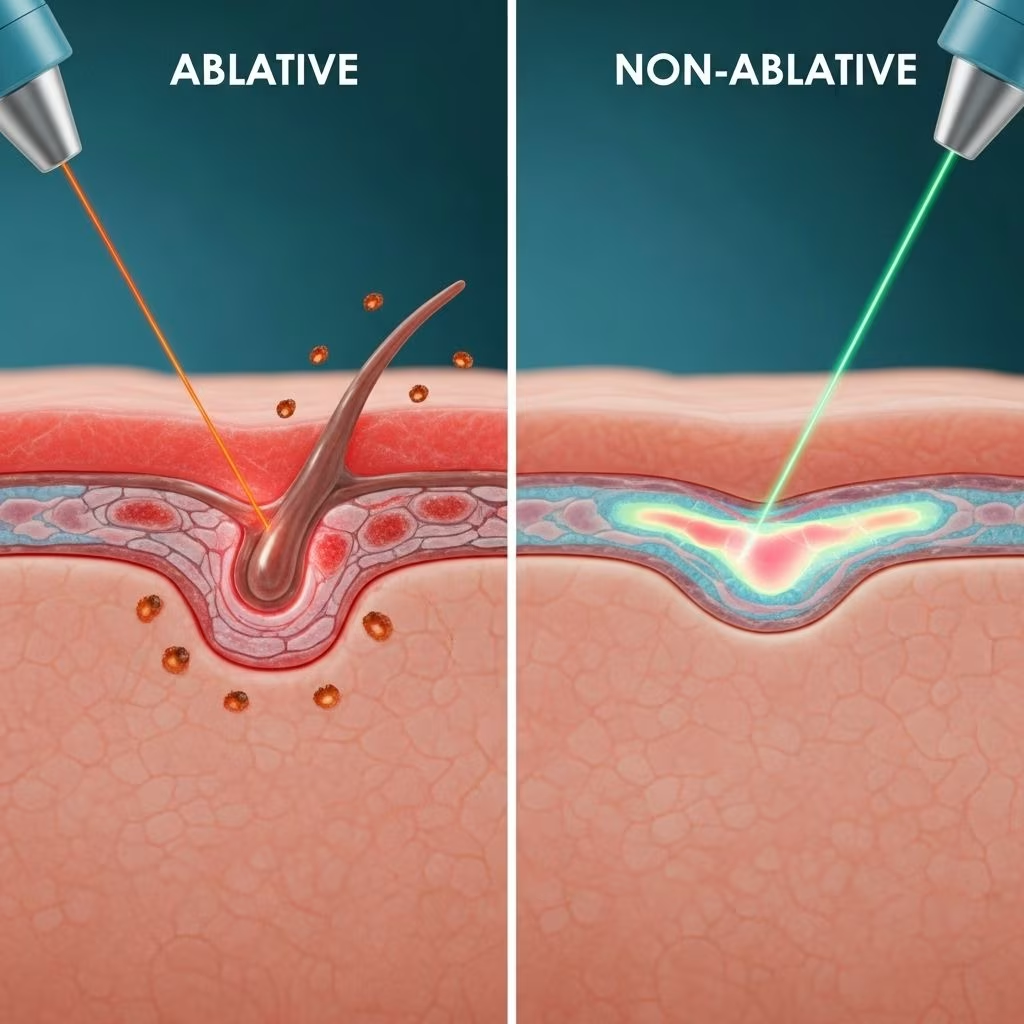
Laser skin resurfacing has evolved into one of the most effective, customizable, and sought-after cosmetic procedures for rejuvenating the skin, treating wrinkles, scars, sun damage, and various other aesthetic concerns. The key distinction that guides the choice of treatment is the difference between ablative and non-ablative laser technologies. This article explores the fundamental principles, indications, advantages, disadvantages, and patient experiences for both modalities, empowering those considering these treatments to make informed decisions.
Introduction to Laser Skin Resurfacing
Laser skin resurfacing utilizes focused light energy to remove damaged skin layers, stimulate collagen production, and encourage the growth of new, healthy skin. Developed in the late 20th century, these techniques have advanced dramatically, becoming safer, more precise, and better tailored to individual patient needs.
There are two main categories:
- Ablative lasers: Remove the outer (epidermal) skin layer.
- Non-ablative lasers: Leave the skin surface intact, working beneath to trigger repair and regeneration.
How Laser Resurfacing Works
Both ablative and non-ablative lasers operate on the principle of selective photothermolysis, targeting specific skin structures by wavelength. Lasers produce controlled thermal injury, removing unwanted tissue or stimulating healing depending on their intensity and delivery method.
- Ablative lasers (e.g., CO2, Er:YAG): Vaporize the superficial skin layers, removing defects and triggering significant collagen remodeling.
- Non-ablative lasers (e.g., Nd:YAG, fractional, diode): Bypass the outer skin, heating underlying tissue to prompt repair without open wounds.
Ablative Laser Skin Resurfacing
What Is It?
Ablative laser resurfacing precisely removes the outermost skin layers (epidermis and superficial dermis) using an intense, focused beam of light. This process creates a controlled wound, prompting the body to generate new skin and significantly increase collagen production as part of the healing process.
Common Types of Ablative Lasers:
- Carbon Dioxide (CO2) Lasers: Highly effective for deeper wrinkles, scars, and extensive sun damage; emits at 10,600 nm targeting water in tissues.
- Erbium:YAG Lasers: Favored for milder wrinkles or fine lines; emits at 2,940 nm, offering precise ablation with typically quicker recovery and less risk of pigment changes than CO2.
Indications for Ablative Laser Resurfacing
- Deep lines and wrinkles
- Scarring (acne, chickenpox, trauma)
- Liver or age spots
- Sun-damaged or unevenly toned skin
- Actinic or seborrheic keratoses
Benefits
- Significant improvement in skin texture and tone
- Noticeable reduction in wrinkles and depressed scars
- Enhanced skin tightening through collagen remodeling
Procedure Details
The procedure is typically performed under local anesthesia, with additional sedation if necessary. Protective eyewear is used, and the surgeon controls the laser’s depth and pattern with high precision. Sessions may last from 30 minutes to 2 hours, depending on treatment area. Advanced technology, such as fractional lasers, allows for even more targeted treatment zones, optimizing healing and minimizing risks.
Recovery involves significant redness, swelling, and a sensation similar to a severe burn, with rawness and discomfort for up to two weeks. Skin remains pink for weeks to months, though makeup can usually conceal most redness after the first couple of weeks.
Limitations
- Cannot address deep or excessive sagging skin
- Effects are not permanent, as natural aging continues
- Requires multiple sessions in some cases for optimal and lasting results
Non-Ablative Laser Skin Resurfacing
What Is It?
Non-ablative lasers heat targeted tissue beneath the surface without removing or vaporizing the outer skin layers. This approach is less invasive, causing controlled thermal injury to the lower dermis while leaving the epidermis intact. This triggers the body’s natural healing and collagen-building processes over time.
Common Types of Non-Ablative Lasers:
- Nd:YAG Lasers: Common for deeper tissue targeting, vascular lesions, and hair removal.
- Diode and Alexandrite Lasers: Used for pigment issues, mild wrinkles, and resurfacing softer facial zones.
- Non-ablative Fractional Lasers (e.g., Fraxel): Create microscopic thermal damage columns in the skin to stimulate repair while minimizing downtime.
Indications for Non-Ablative Laser Resurfacing
- Fine lines and early wrinkles
- Mild to moderate sun damage
- Research or treatment of pigmentation problems (melasma, brown spots)
- Enlarged pores or overall texture improvement
- Redness or rosacea
Benefits
- Little to no downtime—patients can resume daily activities quickly
- Lower risk of complications such as infection or pigmentation changes
- Cumulative results with a series of treatments
Procedure Details
Treatments are commonly performed without heavy sedation—topical anesthetic is often sufficient. Sessions may last 15–45 minutes. Unlike ablative procedures, non-ablative lasers usually require multiple sessions (3 to 6 or more) to achieve the desired improvement, with best results typically visible several months after completing a course of treatments.
Limitations
- Less dramatic single-session results compared to ablative lasers
- May not be sufficient for deep wrinkles or advanced photodamage
- Multiple treatments needed for optimal outcome
Ablative vs. Non-Ablative: Side-by-Side Comparison
| Feature | Ablative Laser | Non-Ablative Laser |
|---|---|---|
| Mechanism | Removes (vaporizes) outer skin layers | Heats skin below surface, outer layer intact |
| Downtime | 1–2 weeks (sometimes longer) | Minimal (hours to 2 days) |
| Pain/Discomfort | Moderate to high during and after; sedation often used | Mild; topical anesthetic usually sufficient |
| Results | More dramatic, after single session | Gradual, require multiple sessions |
| Indications | Deep wrinkles, pronounced scars, severe sun damage | Finer lines, mild texture/sun damage, pigmentation |
| Risks | Infection, prolonged redness, pigmentation changes, scarring | Low risk, minimal side effects |
| Skin Types | Fair to medium (higher risk in darker types) | Safer for all skin types (but caution still needed for very dark skin) |
| Cost | Usually higher per session, fewer sessions needed | Lower per session, but more total sessions |
Who Is a Good Candidate?
Candidacy hinges on skin type, concern severity, medical background, lifestyle, and downtime tolerance.
- Ablative lasers are most suitable for those with significant skin aging signs, scarring, or sun damage who can accept longer downtime and a higher risk profile.
- Non-ablative lasers are ideal for younger patients, early signs of aging, those wanting minimal disruption to daily routine, and individuals concerned about post-procedure pigmentation or infection risks.
Both categories require evaluation by a qualified dermatologic surgeon to assess medical history and set realistic expectations.
Effectiveness of Laser Resurfacing
- Ablative lasers can reduce wrinkles by up to 90% according to studies using CO2 technology, with significant tightening and textural improvement noted after a single treatment for many patients.
- Non-ablative lasers soften fine lines, even skin color, and improve texture steadily but less dramatically, with visible effects typically seen after several sessions.
- Fractional technology has bridged some gaps, offering improved outcomes in both categories with less downtime or risk than older modalities.
Risks, Side Effects, and Recovery
Ablative Laser Risks and Recovery
- Immediate side effects: redness, swelling, rawness, pain, burning, oozing
- Rare but serious risks: infection (especially herpesvirus), scarring, persistent redness, pigment changes such as hyperpigmentation (darkening) or hypopigmentation (lightening), especially in darker skin
- Extended downtime: up to two weeks of visible wounds, pinkness possible for months
- Strict sun avoidance and skincare crucial during recovery to prevent permanent discoloration
Non-Ablative Laser Risks and Recovery
- Temporary redness, swelling, or mild discomfort for hours to a couple of days
- Extremely low risk of infection or scarring
- Post-treatment care usually minimal: moisturizers, sun protection, and avoiding harsh products
In all cases, experienced medical oversight reduces risk. Adherence to pre- and post-procedure instructions is critical for optimal safety and results.
Cost and Accessibility
- Ablative lasers: Usually cost more per session (often $2,000–$3,000 or higher depending on the treatment area). Fewer total sessions are needed, but costs may accrue for additional follow-ups.
- Non-ablative lasers: Lower cost per treatment ($500–$1,500 typical), but several sessions are necessary for cumulative results.
Laser resurfacing is largely elective and rarely covered by insurance unless done for scars from medical conditions or trauma.
Frequently Asked Questions (FAQs)
Is laser skin resurfacing safe for all skin types?
Non-ablative lasers are generally safer across a wider range of skin tones. Ablative lasers carry greater risk for pigment changes, especially in darker skin. Pre-treatment consultation is essential.
What should I expect during recovery?
Ablative laser recovery involves visible redness, peeling, and sensitivity, with new skin forming over two weeks and lingering redness for months. Non-ablative recovery is mild, often limited to minor swelling or redness for a day or two.
Are the results permanent?
Laser resurfacing does produce lasting improvements, but skin continues to age. Maintenance sessions or combination with other treatments (e.g., injectables, skincare) may help sustain results.
Can laser resurfacing be combined with other procedures?
Yes, laser resurfacing is often used with surgical facelifts, eyelid surgeries, or other non-surgical skin treatments to optimize results.
How do I choose which laser is best for me?
Consultation with a board-certified dermatologist or cosmetic surgeon is needed for personalized recommendations based on your skin type, goals, concerns, medical history, and willingness to undergo downtime.
Conclusion
Both ablative and non-ablative laser skin resurfacing offer highly effective, scientifically validated routes to smoother, younger-looking skin. The best choice depends on the individual’s specific skin damage, desired outcome, lifestyle preferences, and medical suitability. Advances in laser technologies, especially fractional approaches, continue to expand what’s possible with less risk and faster recovery, ensuring that these treatments remain at the cutting edge of cosmetic dermatology.
References
- https://www.ucsfhealth.org/treatments/ablative-laser-resurfacing
- https://www.cosmeticsurgeonsofmichigan.net/blog/ablative-vs-non-ablative-lasers/
- https://www.ncbi.nlm.nih.gov/books/NBK557474/
- https://www.drhconsult.co.uk/treatments/laser-resurfacing/ablative-co2/
- https://my.clevelandclinic.org/health/treatments/11015-laser-skin-resurfacing
- https://www.neasecosmeticsurgery.com/blog/five-benefits-of-laser-skin-resurfacing
- https://www.webmd.com/beauty/laser-skin-resurfacing
- https://www.plasticsurgery.org/news/blog/why-laser-skin-resurfacing-is-a-powerful-facial-rejuvenation-tool


