


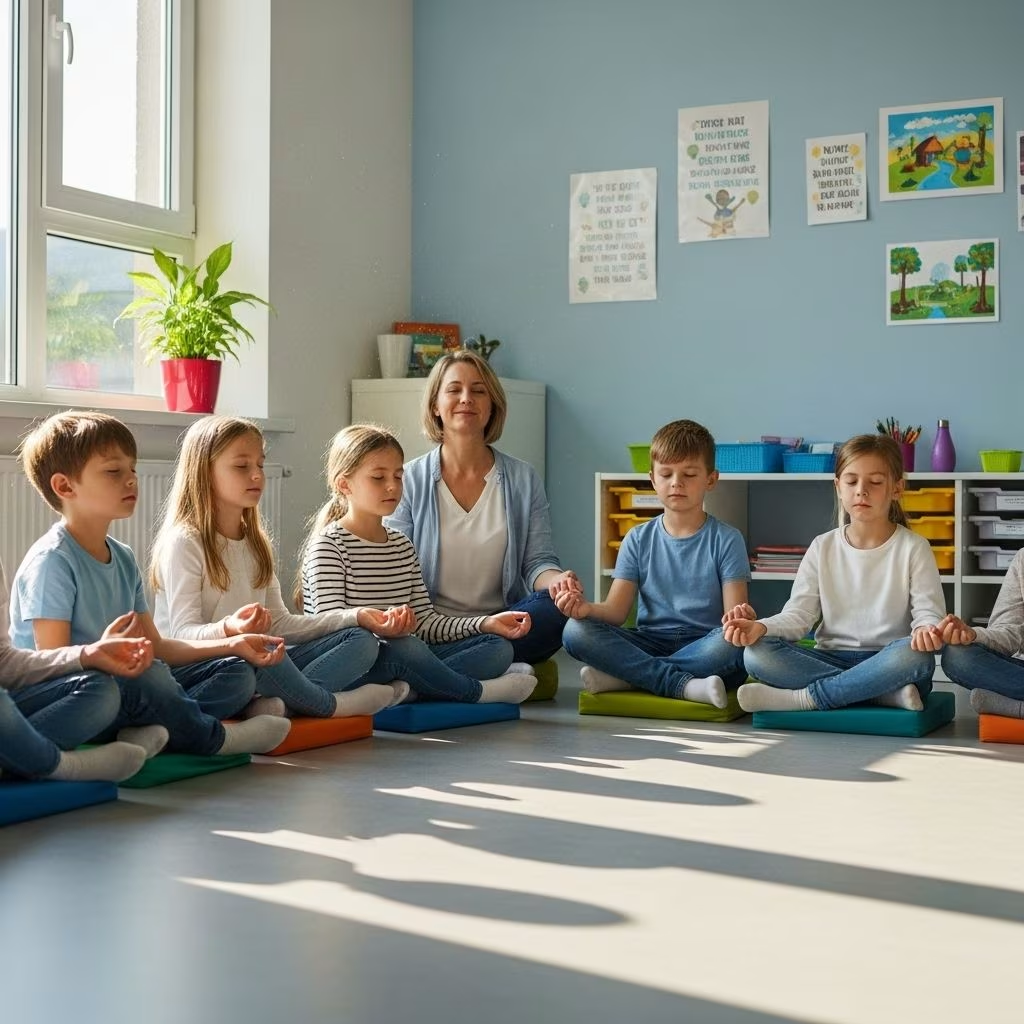
Introduction to Mindfulness in Schools
Mindfulness programs have become increasingly popular in educational settings due to their potential benefits for student well-being, academic performance, and social-emotional development. However, implementing and sustaining such programs over a year can be challenging. This article will explore the essential elements and strategies required to maintain a year-long mindfulness program in schools.
Benefits of Mindfulness Programs in Schools
Mindfulness programs aim to reduce stress, improve attention, and enhance social-emotional competencies among students. They also provide teachers and staff with tools to manage their own stress and burnout, contributing to a positive school climate. By integrating mindfulness into the daily routine, schools can foster a supportive environment that benefits everyone involved.
Steps to Implement a Mindfulness Program
Before starting a mindfulness program, schools should develop a comprehensive plan. Here are key steps to consider:
- Define the Vision and Goals: Identify the purpose and expected outcomes of the mindfulness program. This could include stress reduction, improved focus, or enhanced social-emotional skills.
- Choose Key Components: Decide which mindfulness practices to include, such as meditation, breathing exercises, or yoga.
- Engage Stakeholders: Involve teachers, administrators, parents, and students in the planning process to ensure support and buy-in.
- Develop a Timeline: Plan how the program will be implemented throughout the year, including any necessary training or workshops for staff.
Factors Crucial for Sustainability
Several factors play a crucial role in sustaining a mindfulness program over time:
Leadership Support
Administrative support is vital. School leaders should allocate resources, time, and budget to ensure the program’s success. This includes providing training for teachers and ensuring that mindfulness is integrated into the curriculum.
Teacher Engagement
Teachers are key to implementing mindfulness in classrooms. They need training, support, and incentives to maintain their engagement and commitment to the program.
Community Buy-in
Engaging the broader school community, including parents and students, is essential for long-term success. This can be achieved through workshops, informational sessions, and regular updates on the program’s progress.
Challenges and Solutions
Despite the benefits, implementing and sustaining mindfulness programs can face several challenges:
Barriers to Implementation
Common barriers include lack of administrative support, high staff turnover, and overwhelming teacher workloads. To overcome these, schools should:
- Secure Ongoing Support: Regularly communicate with stakeholders to maintain support and address challenges.
- Build Teacher Capacity: Offer consistent training and coaching to ensure teachers feel confident in delivering mindfulness practices.
- Adapt to Needs: Be flexible and willing to adjust the program based on feedback and observed outcomes.
Examples of Successful Mindfulness Programs
Programs like the MindUP curriculum have shown promise in urban elementary schools. MindUP is a mindfulness-based social-emotional learning (SEL) program designed for regular classroom teachers. It includes 15 lessons aimed at improving focus, self-regulation, and resilience, with activities like deep breathing exercises integrated into daily routines.
Measuring Success and Adjusting
It is crucial to evaluate the effectiveness of the mindfulness program and make adjustments as needed. This can involve conducting surveys, gathering feedback, and assessing behavioral changes among students and staff.
Frequently Asked Questions (FAQs)
Q: How do I convince school administrators to support mindfulness programs?
A: Highlight the benefits for student well-being and academic performance, and demonstrate how mindfulness can enhance school climate. Offer to provide training and resources to support implementation.
Q: What are some common mindfulness practices that can be easily integrated into a school day?
A: Practices like deep breathing exercises, short meditation sessions, and mindful movement can be easily incorporated into daily routines.
Q: How can I ensure teacher buy-in for a mindfulness program?
A: Provide teachers with training and support, involve them in planning, and offer incentives for their participation. Encourage them to share their own mindfulness experiences and feedback.
Conclusion
Sustaining a year-long mindfulness program in schools requires careful planning, strong leadership support, and continuous engagement from teachers and the broader community. By addressing challenges proactively and adapting the program based on feedback, schools can create a supportive environment that fosters well-being and academic success for all involved.
References
- https://www.lidsen.com/journals/icm/icm-08-02-022
- https://pmc.ncbi.nlm.nih.gov/articles/PMC7036167/
- https://wholeschoolmindfulness.org/blog/a-thousand-lights-rethinking-how-we-scale-mindfulness-in-schools/
- https://greenschoolsnationalnetwork.org/getting-started-with-a-schoolwide-mindfulness-program/
- https://pmc.ncbi.nlm.nih.gov/articles/PMC9524483/
- https://www.edutopia.org/blog/implementing-school-wide-mindfulness-program-patrick-cook-deegan
- https://cachildrenstrust.org/wp-content/uploads/2023/11/CA-Childrens-Trust-Mindfulness-2023.pdf


