


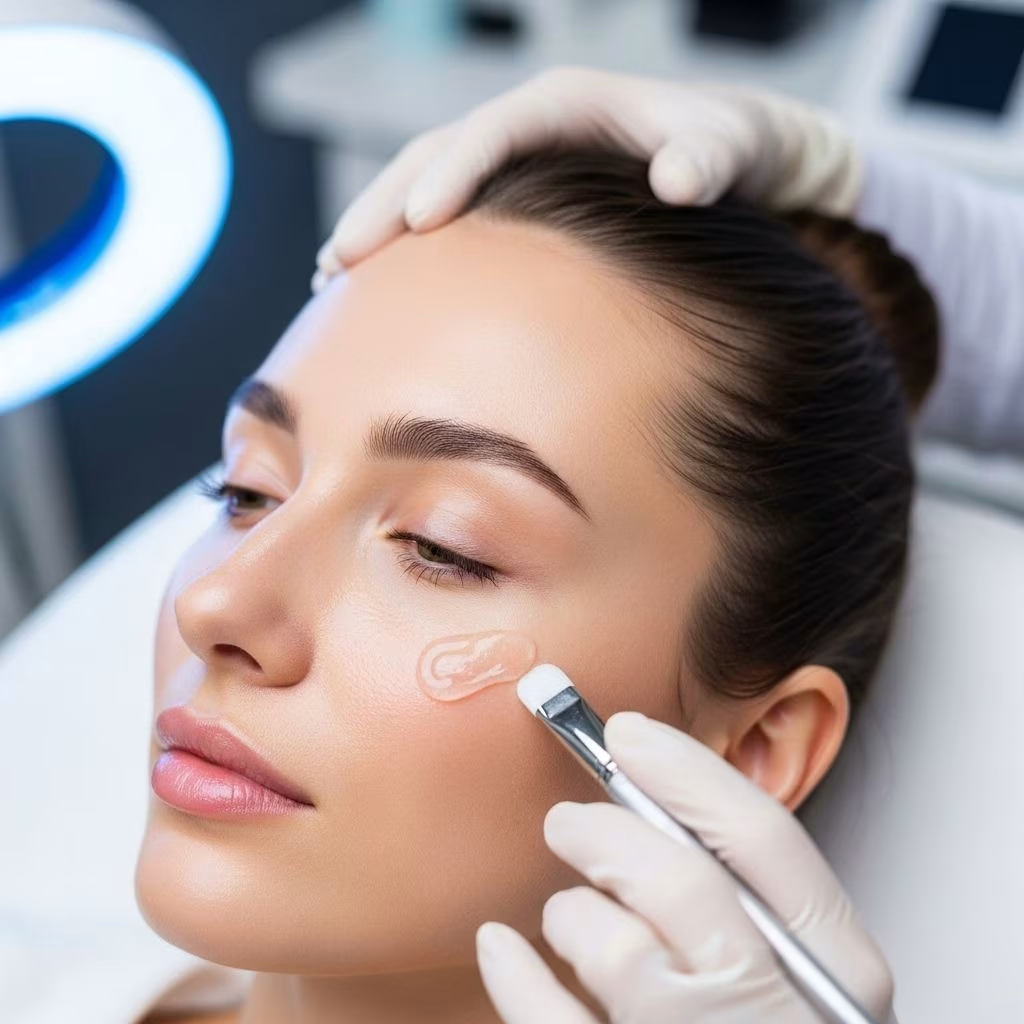
Pre-Laser Skincare: What to Stop Before Treatment
Laser treatments offer many benefits, from resurfacing to hair removal and lifting, but optimal results and safe recovery depend on preparing your skin thoughtfully. This guide explains what ingredients, routines, and habits to discontinue ahead of your session, clarifies special considerations, and provides actionable, evidence-based advice for anyone considering laser therapy.
Understanding Laser Treatments and Why Pre-care Matters
Laser devices use focused beams of light to target skin structures (e.g., pigment, hair follicles, or collagen layers). Whether for resurfacing, tightening, or hair removal, lasers create controlled injury to trigger repair and renewal. However, irritation, compromised barrier function, or the presence of sensitizing substances can increase risks of burns, hyperpigmentation, and prolonged healing. Pre-care is aimed at maximizing safety, minimizing side effects, and ensuring the treatment’s effectiveness.
Key goals of pre-laser skincare:
- Reduce inflammation and sensitivity to decrease the chance of adverse reactions
- Preserve skin barrier integrity for faster healing post-treatment
- Avoid ingredients that interfere with laser absorption or increase photosensitivity
Proper pre-treatment care leads to more predictable outcomes and fewer complications.
Key Products and Ingredients to Stop Before Laser Treatments
Active ingredients often found in skincare that boost cell turnover or exfoliate may leave the skin thin, irritated, and more prone to laser-induced injury. Here’s what you should discontinue, typically 5–7 days before your session (sometimes longer as directed by your provider):
- Retinoids (Retinol, Retin-A, Tretinoin, Vitamin A)
Retinoids accelerate cellular renewal and thin the stratum corneum. Stop use at least 7 days before treatment. - Exfoliating Acids (AHAs, BHAs, Lactic Acid, Glycolic Acid, Salicylic Acid)
These chemical exfoliants increase sensitivity and risk of irritation. Halt use at least one week prior. - Physical Exfoliants (Scrubs, Brushes)
Mechanical exfoliation creates micro-tears and can make skin vulnerable; discontinue all scrubs 5–7 days before. - Topical Steroids
These can thin the skin and delay recovery—avoid unless prescribed by your provider. - Waxing, Threading, Plucking, and Depilatory Creams
These disrupt the skin barrier and should be stopped at least 7 days prior. - Essential Oils and Heavily Fragranced Products
Oils may sensitize skin unpredictably and heavy perfume ingredients can trigger irritation; stop use in the days leading up to treatment. - Makeup on the Day of Treatment
Clean skin is a must for laser efficacy; do not wear makeup, moisturizer, or sunscreen unless advised otherwise. - Photosensitizing Medications and Supplements
Some antibiotics, herbal supplements, and even blood-thinners can increase light sensitivity. Inform your provider of all medications. - Accutane (Isotretinoin)
If you’ve used Accutane, most experts recommend waiting at least 6–12 months before undergoing laser treatments due to persistently fragile skin.
Lifestyle Habits to Avoid Before Treatment
- Sun Exposure
Avoid direct sun, tanning beds, or even incidental exposure for at least 2 weeks prior; use mineral sunscreen daily. Sunburnt or tanned skin is at higher risk for burns and pigmentation issues. - Alcohol and Smoking
Stop alcohol and smoking at least 48 hours ahead; both can impair skin circulation and delay recovery. - Saunas, Hot Baths, Vigorous Exercise
Heat increases skin redness and reactivity—avoid these on the day of your treatment.
Stay well-hydrated by drinking water. Caffeine should be minimized, as it can dehydrate the skin and may increase sensitivity to pain.
Special Considerations for Sensitive Skin and Skin of Color
Individuals with sensitive skin or darker skin tones (Fitzpatrick IV–VI) are prone to post-inflammatory hyperpigmentation and require more cautious pre-care:
- Extra barrier support: Use ingredients like ceramides, panthenol, squalane, or colloidal oatmeal in the week leading up to treatment.
- Avoid all actives: Discontinue scrubs, exfoliants, and clay masks 1 week beforehand.
- Patch testing is essential: Always request a test spot with the laser device to reduce risk of pigmentation changes.
- Hydroquinone may be recommended pre-treatment to reduce risk of hyperpigmentation in skin of color.
- Communicate allergies or sensitivities clearly to your provider.
Instructions by Laser Type
Your precise pre-care regimen can differ according to the laser being used and the targeted condition:
| Laser Treatment Type | Common Pre-care Instructions | Special Precautions |
|---|---|---|
| Laser Skin Resurfacing (CO2, Er:YAG) | Stop retinoids/acids 1 week before, avoid sun; topical retinoids may be recommended 4 weeks prior, but must be stopped prior to session. | Herpes simplex history may require antiviral prophylaxis. |
| Laser Hair Removal | Avoid waxing/plucking; shave the day before; discontinue actives 5–7 days prior; no sun exposure. | Accutane users: wait 6–12 months. |
| Pigment and Vascular Lasers | No chemical exfoliation or intense actives for at least 7 days; skip photosensitizing medications if possible. | Patch test for skin of color. |
Day-of Treatment: Final Steps and What to Bring
- Cleanse with Lukewarm Water: Use a fragrance-free, non-foaming cleanser; avoid hot showers.
- No makeup or skincare products: Skin should be free of all creams, lotions, sunscreen, and perfume.
- Skip exercise and heat exposure: Avoid activities that increase redness or swelling prior to treatment.
- Stay hydrated, minimize caffeine.
- Bring a list of all medications and skincare products (including OTCs) to your appointment.
Frequently Asked Questions
Q: Why do I need to stop retinol and exfoliating acids before laser?
A: Retinoids and acids thin the top layer of the skin, making it more susceptible to burns, excessive peeling, and pigmentation changes after laser treatments.
Q: How long should I avoid the sun before my appointment?
A: Ideally, avoid sun exposure for at least two weeks prior, and use high-SPF mineral sunscreen, especially on exposed areas.
Q: Can I use moisturizer before laser?
A: Gentle moisturizers are allowed, but avoid heavy occlusive products or oils immediately before your session—these can interfere with laser absorption.
Q: Is it safe to use acne medications before my laser treatment?
A: Oral isotretinoin (Accutane) should be discontinued for 6–12 months prior; consult your provider for other topical treatments.
Q: Why are patch tests important for dark skin?
A: Skin of color is more likely to experience lasting pigmentation changes after laser, so a patch test can help ensure safe, customized settings.
Q: What if I forget to stop using one of these products—should I reschedule?
A: Disclose your recent skincare routine to your clinician; they may advise postponing your session for safety.
Quick Reference Table: What to Stop and When
| Item | Recommended Stop Date Before Treatment | Why? |
|---|---|---|
| Retinoids / Retin-A | 7 days | Thins skin, increases sensitivity |
| AHAs / BHAs / Acids | 7 days | Exfoliates, sensitizes skin |
| Physical Exfoliants | 5–7 days | Causes microtears |
| Waxing / Threading / Plucking | 7 days | Disrupts barrier, increases risk of micro-injury |
| Essential Oils / Fragrance | 3–5 days | May trigger unpredictable irritation |
| Alcohol / Smoking | 48 hours | Impedes healing, increases swelling |
| Sun Exposure / Tanning | 14 days | Raises risk of burns, pigmentation |
| Accutane (Isotretinoin) | 6–12 months | Persistent skin fragility |
| Makeup, Lotions, Sunscreen | Day of treatment | Interferes with laser targeting |
Conclusion: Safeguarding Your Skin for Lasting Results
Preparation for laser treatments is not merely about products stopped; it’s about preserving your skin’s health to maximize results and avoid complications. Always consult your provider, disclose all current products and medications, and approach pre-care steps with discipline. Clean, calm, hydrated—and not over-prepped—skin remains the best canvas for laser work.
References
- https://www.derrowdermatology.com/how-prep-skin-before-laser-treatment/
- https://drbartlettmd.com/wp-content/uploads/2016/11/Laser-Instructions..pdf
- https://cambridgelaserclinic.com/preparing-for-laser-therapy-get-it-right/
- https://drbednar.com/how-to-prepare-for-your-first-laser-treatment-session/
- https://www.etrecosmeticderm.com/dos-and-donts-how-to-prepare-for-laser-skin-resurfacing/
- https://my.clevelandclinic.org/health/treatments/11015-laser-skin-resurfacing
- https://www.mskcc.org/cancer-care/patient-education/skin-care-after-fractionated-carbon-dioxide-laser-treatment
- https://www.spaclinic.net/the-ultimate-pre-and-post-care-guide-for-laser-skin-resurfacing/
- https://www.beautifulnaturalyou.ca/wp-content/uploads/2019/03/Halo-PostCare.pdf


