


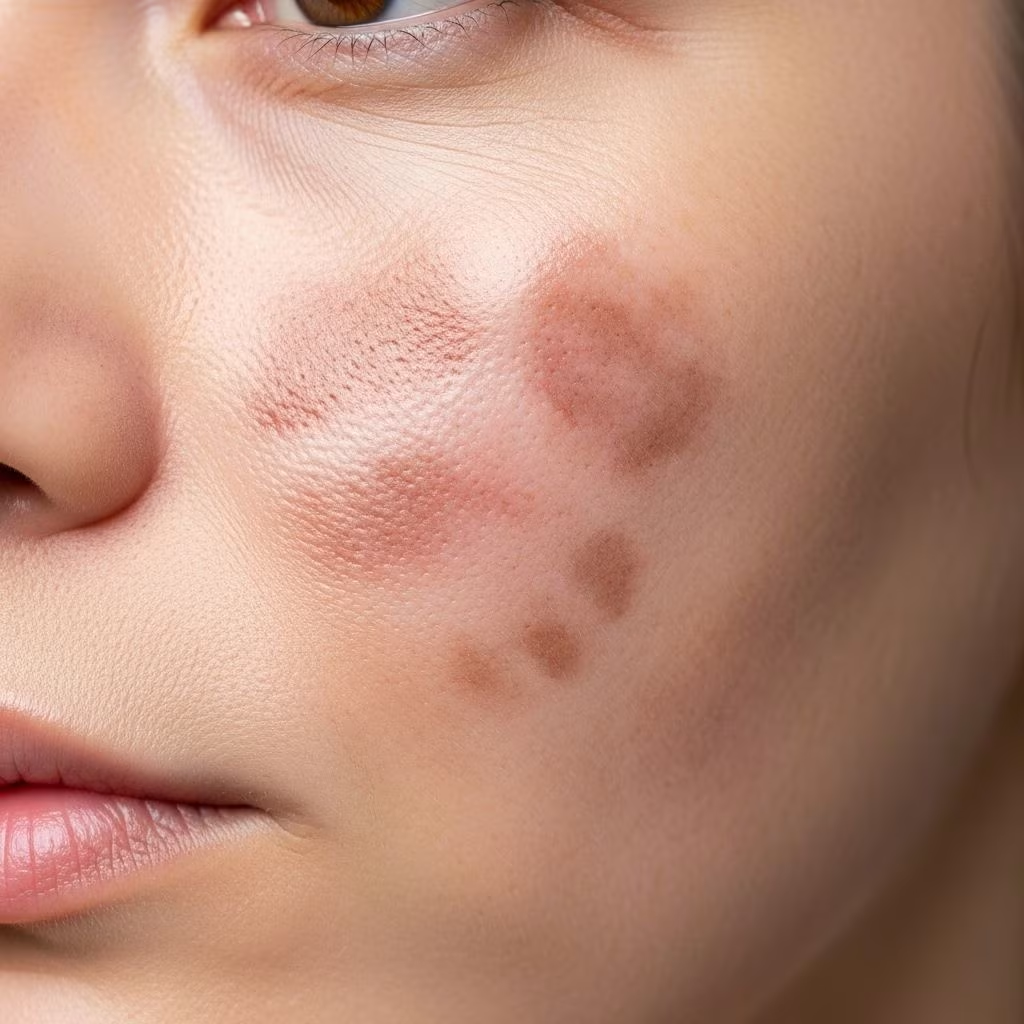
Laser treatments have revolutionized modern dermatology, offering effective solutions for various skin concerns ranging from hair removal to skin resurfacing. However, one of the most frustrating complications that can arise from these procedures is post-laser hyperpigmentation. This condition, characterized by darkened patches or spots on the treated skin, can be distressing for patients who sought laser therapy to improve their skin’s appearance. Understanding the causes, risk factors, and correction methods for post-laser hyperpigmentation is essential for anyone considering or recovering from laser treatments.
Understanding Post-Laser Hyperpigmentation
Post-laser hyperpigmentation, also referred to as post-inflammatory hyperpigmentation or PIH, is a common side effect that occurs when the skin produces excessive amounts of melanin following laser treatment. This darkening of the skin typically manifests as brown or dark spots in the treated area and can range from mild discoloration to significant patches that may persist for weeks, months, or in severe cases, become permanent without proper intervention.
The condition represents the skin’s natural response to what it perceives as injury or trauma. When laser energy penetrates the skin, it creates controlled damage designed to trigger healing and rejuvenation processes. However, this same mechanism can inadvertently stimulate melanocytes, the pigment-producing cells in the skin, leading to an overproduction of melanin in the affected areas. The result is darker skin patches that can undermine the aesthetic goals of the original treatment.
Post-laser hyperpigmentation can occur after various types of laser procedures, including fractional laser resurfacing, intense pulsed light therapy, carbon dioxide laser treatments, laser hair removal, and other ablative or non-ablative laser therapies. The severity and duration of hyperpigmentation depend on multiple factors, including skin type, treatment intensity, laser selection, and post-treatment care.
The Biological Mechanisms Behind PIH
To effectively address post-laser hyperpigmentation, it’s crucial to understand the biological processes that trigger this condition. The development of PIH after laser treatment involves a complex cascade of cellular and molecular events that begin with the inflammatory response to laser energy.
When laser light targets the skin, it creates thermal damage to tissue, which initiates an inflammatory phase. During this critical period, the body releases various inflammatory mediators including prostanoids, cytokines, and chemokines. These biochemical signals serve multiple purposes in the healing process, but they also have an unintended consequence: they stimulate melanocytes to produce excessive amounts of melanin.
Melanocytes respond to these inflammatory signals by ramping up melanin production as part of the skin’s protective mechanism. This excess melanin is then transferred to surrounding keratinocytes, the predominant cells in the outer layer of skin. The irregular dispersion of this pigment throughout the epidermis creates the visible dark patches characteristic of post-inflammatory hyperpigmentation.
The fundamental processes governing the development and variability of PIH among individuals remain not fully understood. Some dermatological experts propose that the incidence and severity of PIH relate to the functionality and responsiveness of an individual’s melanocytes. This theory suggests that some people have melanocytes that are more prone to responding to inflammation with hyperpigmentation, while others have melanocytes that are less reactive to inflammatory triggers.
Who Is Most Susceptible to Post-Laser Hyperpigmentation
While post-laser hyperpigmentation can affect anyone undergoing laser treatment, certain individuals face significantly higher risks. Understanding these risk factors is essential for both patients and practitioners when making treatment decisions and developing appropriate prevention strategies.
Skin Type and Ethnicity
Darker skin types are overwhelmingly the most susceptible to post-laser hyperpigmentation effects. Individuals with Fitzpatrick skin types III through VI, which include Asian, Hispanic, African American, and other darker-skinned populations, face considerably higher risk. These skin tones contain more melanin naturally, making them more sensitive to laser therapy and more prone to pigmentation reactions.
The increased susceptibility in darker skin types stems from the higher concentration and activity of melanocytes. When these already active pigment-producing cells are stimulated by the inflammatory response to laser treatment, they can produce excessive amounts of melanin more readily than melanocytes in lighter skin types. Additionally, the type of laser used becomes critically important for darker skin tones, as some lasers penetrate deep within the skin bypassing surface melanin, while others affect the melanin in the top skin layer, causing reactive hyperpigmentation.
Pre-Existing Skin Conditions
Individuals already dealing with hyperpigmentation disorders such as melasma face elevated risk when undergoing laser treatments. The existing overactivity of melanocytes makes these patients more vulnerable to additional pigmentation problems following laser procedures. Similarly, those with active inflammatory skin conditions including acne, eczema, or other dermatological disorders show increased susceptibility to developing post-inflammatory hyperpigmentation after laser therapy.
Hormonal Factors
Hormonal influences play a significant role in melanin production and can increase PIH risk. Women taking birth control pills or undergoing hormone replacement therapy may experience heightened melanocyte activity, making them more prone to hyperpigmentation following laser treatments. Pregnancy represents another high-risk period due to hormonal fluctuations that can trigger increased pigment production.
Primary Causes of Hyperpigmentation After Laser Treatment
Several specific factors contribute to the development of post-laser hyperpigmentation. Identifying these causes helps in both prevention and treatment planning.
Inappropriate Laser Selection
One of the most common causes of post-laser hyperpigmentation is using the wrong type of laser for a particular patient’s skin type or condition. Different lasers operate at various wavelengths and penetration depths, and selecting an inappropriate device can trigger excessive melanin production. For instance, certain ablative lasers that create more significant thermal damage may be too aggressive for darker skin types, while some non-ablative lasers may not provide adequate results for lighter skin tones.
The laser settings, including energy levels, pulse duration, and spot size, must be carefully calibrated for each individual patient. Aggressive treatment settings that create excessive inflammation significantly increase the risk of PIH, even with appropriate laser selection.
Inflammatory Response Intensity
The degree of inflammation triggered by laser treatment directly correlates with PIH risk. More aggressive treatments that cause greater tissue damage and inflammation produce higher levels of inflammatory mediators, which in turn stimulate melanocytes more intensely. This explains why ablative procedures like carbon dioxide laser resurfacing tend to carry higher PIH risk compared to gentler non-ablative treatments.
Sun Exposure
Ultraviolet radiation exposure represents one of the most significant contributing factors to post-laser hyperpigmentation. UV rays stimulate melanocytes and trigger melanin production as a protective mechanism against sun damage. When skin that has recently undergone laser treatment is exposed to sunlight, the already activated melanocytes respond with excessive pigment production, darkening the treated areas and potentially making PIH permanent.
Heat exposure also contributes to hyperpigmentation risk. Studies demonstrate that high temperatures cause blood vessels to dilate and expand, potentially spiking pigment production. This means that activities involving heat exposure, such as hot showers, saunas, or intense exercise, can exacerbate hyperpigmentation following laser treatments.
Inadequate Aftercare
Proper post-treatment care is crucial for preventing PIH, and failure to follow aftercare protocols significantly increases risk. This includes inadequate sun protection, using harsh skincare products that cause additional irritation, picking or scratching treated areas, and failing to keep skin adequately moisturized during the healing process.
Prevention Strategies Before and During Treatment
Preventing post-laser hyperpigmentation is significantly easier than treating it after it develops. A comprehensive prevention strategy involves careful planning before treatment, appropriate laser selection and settings during treatment, and diligent aftercare following the procedure.
Pre-Treatment Preparation
Proper skin preparation in the weeks leading up to laser treatment can substantially reduce PIH risk. Many dermatologists recommend pre-treating the skin with topical agents that regulate melanin production and prepare the skin for laser therapy. Hydroquinone, a skin-lightening agent, can be applied for several weeks before treatment to suppress melanocyte activity. Tretinoin, a vitamin A derivative, helps normalize skin cell turnover and can reduce post-inflammatory pigmentation risk.
Patients should also establish a rigorous sun protection regimen well before their scheduled laser treatment. This means daily application of broad-spectrum sunscreen with SPF 30 or higher, wearing protective clothing, and avoiding peak sun hours. Building this habit before treatment ensures patients are prepared to maintain it during the critical post-treatment period.
For individuals with darker skin types or existing pigmentation concerns, some practitioners recommend a skin-conditioning regimen lasting 4-6 weeks before laser treatment. This may include gentle chemical exfoliants, antioxidants like vitamin C, and niacinamide to strengthen the skin barrier and regulate pigmentation.
Treatment Protocol Optimization
Selecting the appropriate laser device and settings represents the most critical factor in preventing PIH. Practitioners must carefully assess each patient’s skin type using the Fitzpatrick classification system and choose lasers specifically suited to that skin type. For darker skin tones, longer wavelength lasers such as Nd:YAG typically prove safer as they penetrate deeper into the skin with less interaction with epidermal melanin.
Conservative treatment settings are generally advisable, especially for first-time patients or those with higher PIH risk. Starting with lower energy levels and gradually increasing intensity in subsequent sessions, if needed, provides a safer approach than aggressive initial treatment. Multiple gentle sessions often produce better results with lower complication rates than a single aggressive treatment.
Cooling techniques during laser treatment can help minimize thermal damage and inflammatory response. Many modern laser systems incorporate integrated cooling mechanisms, and additional cooling with ice packs or cooling fans further protects the skin.
Effective Correction Methods for Post-Laser Hyperpigmentation
When post-laser hyperpigmentation does develop, various treatment options can help correct the discoloration and restore even skin tone. The approach typically involves combining multiple modalities for optimal results.
Topical Treatments
Topical agents form the foundation of PIH correction and are typically the first line of treatment. Hydroquinone remains the gold standard for treating hyperpigmentation, available in concentrations ranging from 2% over-the-counter to 4% or higher by prescription. This agent works by inhibiting tyrosinase, the enzyme responsible for melanin production, effectively reducing pigment synthesis in affected areas.
Tretinoin accelerates skin cell turnover, helping to shed pigmented cells more quickly while preventing new hyperpigmentation. When combined with hydroquinone, tretinoin enhances penetration and effectiveness. Other retinoids like adapalene or tazarotene offer similar benefits with potentially less irritation.
Vitamin C serums provide antioxidant protection while inhibiting melanin formation. L-ascorbic acid, the most potent form of vitamin C, brightens skin and protects against free radical damage that can worsen hyperpigmentation. Niacinamide, also known as vitamin B3, reduces melanin transfer from melanocytes to keratinocytes and provides anti-inflammatory benefits that support healing.
Kojic acid, derived from fungi, offers another tyrosinase-inhibiting option with a gentler profile than hydroquinone. Azelaic acid provides multiple benefits including melanin suppression, anti-inflammatory effects, and antimicrobial properties, making it particularly useful for patients with acne-related PIH.
Chemical Peels
Superficial to medium-depth chemical peels can effectively treat post-laser hyperpigmentation by removing pigmented outer skin layers and promoting cellular renewal. Glycolic acid peels, salicylic acid peels, and combination peels like the Jessner’s solution are commonly used. For more stubborn hyperpigmentation, specialized depigmenting peels like the Cosmelan peel provide intensive treatment specifically designed to address melanin disorders.
Chemical peels must be performed cautiously on patients who have experienced PIH, as aggressive peeling can potentially worsen the condition. Starting with gentle peels and gradually increasing intensity based on skin response provides the safest approach.
Advanced Dermatological Procedures
For persistent or severe cases of post-laser hyperpigmentation, additional advanced treatments may be necessary. Microneedling with radiofrequency can stimulate collagen production and improve skin texture while delivering therapeutic serums directly into the dermis. When combined with topical brightening agents, this approach can enhance penetration and effectiveness.
Certain laser treatments, paradoxically, can help correct hyperpigmentation when used appropriately. Q-switched lasers operating at specific wavelengths can target melanin deposits without causing additional inflammation when used at appropriate settings. However, these must be administered by highly experienced practitioners who understand the nuances of treating PIH.
Intense pulsed light therapy, when performed conservatively, may help reduce hyperpigmentation in some patients, though careful patient selection is crucial. The key lies in using very gentle settings and ensuring adequate skin preparation and post-treatment care.
Treatment Timeline and Expected Results
Understanding the expected timeline for PIH resolution helps patients maintain realistic expectations and remain committed to their treatment regimen. Post-laser hyperpigmentation typically represents a temporary condition, though the duration varies considerably based on multiple factors.
Mild cases of PIH may resolve spontaneously within several weeks to a few months without intervention, particularly in lighter skin types. However, moderate to severe cases can persist for six months to a year or longer without proper treatment. In some instances, particularly when PIH is not addressed promptly or when repeated sun exposure occurs, the hyperpigmentation can become permanent.
With appropriate treatment, most patients begin seeing improvement within 4-8 weeks of starting a topical regimen. Significant fading typically occurs over 3-6 months, with complete resolution often achieved within 6-12 months. More stubborn cases may require 12-18 months of consistent treatment to achieve satisfactory results.
The treatment timeline can be influenced by several factors including the severity and depth of pigmentation, patient compliance with treatment protocols and sun protection, skin type and individual healing characteristics, consistency of product use, and avoidance of triggering factors like sun exposure and heat.
Choosing the Right Provider and Treatment
Preventing post-laser hyperpigmentation begins with selecting a qualified, experienced provider who understands the complexities of treating diverse skin types. Board-certified dermatologists or plastic surgeons with extensive laser experience offer the highest level of expertise, particularly for patients with darker skin tones or pre-existing pigmentation concerns.
During consultation, qualified providers should conduct thorough skin assessments including Fitzpatrick skin type classification, evaluate medical history and current medications, discuss realistic expectations and potential risks, and develop customized treatment plans appropriate for individual skin characteristics. They should also provide detailed pre-treatment and post-treatment care instructions.
Warning signs of inadequate provider expertise include unwillingness to discuss PIH risks, particularly for darker skin types, pressure to undergo aggressive treatments without proper skin preparation, lack of experience treating diverse skin types, absence of proper consultation and skin assessment, and inability to provide before-and-after photos of patients with similar skin types.
Patients should feel empowered to ask questions about provider experience, request information about the specific laser being recommended and why it’s appropriate for their skin type, inquire about prevention strategies being implemented, and discuss what happens if complications like PIH occur.
Frequently Asked Questions
Q: How long does post-laser hyperpigmentation typically last?
A: Post-laser hyperpigmentation duration varies significantly based on severity and treatment. Mild cases may resolve within weeks to months, while moderate to severe cases can persist for 6-12 months or longer. With appropriate treatment including topical agents and sun protection, most patients see significant improvement within 3-6 months. Without treatment, PIH can potentially become permanent, especially with continued sun exposure.
Q: Can post-laser hyperpigmentation be completely prevented?
A: While no prevention method is 100% effective, the risk of post-laser hyperpigmentation can be dramatically reduced through proper patient selection, appropriate laser choice for specific skin types, conservative treatment settings, thorough skin preparation before treatment, and strict sun protection before and after procedures. Working with experienced practitioners who understand diverse skin types significantly reduces PIH risk.
Q: What skin types are most at risk for developing PIH after laser treatment?
A: Fitzpatrick skin types III through VI face the highest risk for post-laser hyperpigmentation. This includes Asian, Hispanic, African American, and other darker-skinned individuals. These skin types contain more active melanocytes that are more responsive to inflammatory triggers from laser treatment. However, even lighter skin types can develop PIH under certain circumstances, particularly with inappropriate laser selection or inadequate aftercare.
Q: Is it safe to undergo laser treatment again after experiencing post-laser hyperpigmentation?
A: Yes, but only after the hyperpigmentation has completely resolved and with proper precautions. Patients should work with experienced dermatologists who can adjust treatment protocols, use different laser types or settings, implement extensive pre-treatment skin conditioning, and ensure aggressive post-treatment care. Some patients may need to accept that certain laser treatments may not be suitable for their skin type and explore alternative options.
Q: What is the most effective treatment for correcting existing post-laser hyperpigmentation?
A: The most effective approach typically combines multiple treatments. A regimen including prescription hydroquinone (4% or higher) combined with tretinoin forms the foundation, supplemented by antioxidants like vitamin C and niacinamide. Chemical peels can accelerate results, and strict sun protection with SPF 30+ sunscreen is absolutely essential. Specialized treatments like Cosmelan peels may be necessary for stubborn cases. Treatment must be supervised by a qualified dermatologist.
Q: How important is sun protection in preventing and treating post-laser hyperpigmentation?
A: Sun protection is absolutely critical and represents the single most important factor in both preventing and treating post-laser hyperpigmentation. UV exposure stimulates melanocytes and can make PIH permanent. Patients must use broad-spectrum SPF 30+ sunscreen daily, reapply every two hours when outdoors, wear protective clothing and hats, and avoid peak sun hours. Sun protection should begin weeks before treatment and continue for months afterward.
Q: Are there any laser treatments that carry lower risk of causing hyperpigmentation?
A: Yes, certain lasers are safer for darker skin types and carry lower PIH risk. Nd:YAG lasers with longer wavelengths (1064nm) penetrate deeper with less interaction with epidermal melanin, making them safer for darker skin. Fractionated lasers that create microscopic treatment zones with surrounding untreated skin also reduce PIH risk. Non-ablative lasers generally carry lower risk than ablative lasers. However, even safer lasers require appropriate settings and experienced administration.
Q: Can natural or over-the-counter remedies effectively treat post-laser hyperpigmentation?
A: Some over-the-counter ingredients can help with mild PIH, including 2% hydroquinone, vitamin C serums, niacinamide, kojic acid, and licorice root extract. However, moderate to severe post-laser hyperpigmentation typically requires prescription-strength treatments supervised by a dermatologist. Natural remedies alone are generally insufficient for significant PIH. Patients should avoid relying solely on home remedies for serious hyperpigmentation and seek professional guidance.
References
- https://www.100percentpure.com/blogs/feed/what-is-post-laser-hyperpigmentation
- https://www.austinlasersolutions.com/blog/understanding-post-laser-treatment-hyperpigmentation-pih-and-how-to-address-it/
- https://aestheticsandmedicallasers.com/post-inflammatory-hyperpigmentation-pih-after-laser-chemical-peel-or-rf-microneedling-treatments/
- https://pmc.ncbi.nlm.nih.gov/articles/PMC10777097/
- https://www.michelegreenmd.com/post-laser-hyperpigmentation
- https://naderm.com/how-we-minimize-skin-discoloration-after-laser-treatments/
- https://1aesthetics.com/why-is-my-pigmentation-darker-after-laser-treatment/
- https://sevlaser.com/blog/laser-hair-removal-and-hyperpigmentation/
- https://www.mayoclinic.org/tests-procedures/laser-resurfacing/about/pac-20385114


