


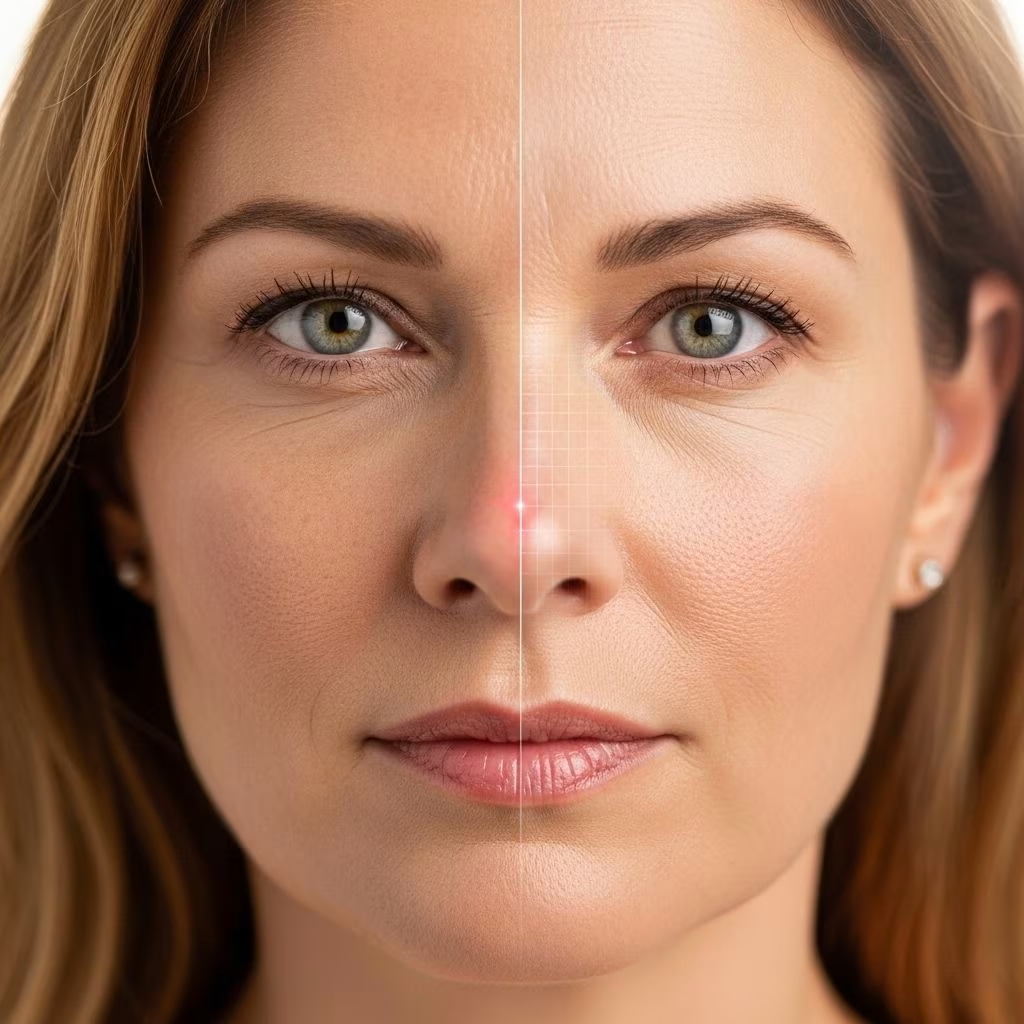
Fractional laser technology has revolutionized the treatment of sun-damaged skin, offering visible rejuvenation with less downtime than traditional methods. As demand grows for long-term results, understanding the five-year efficacy, safety, and patient satisfaction associated with these treatments is crucial. This in-depth article examines the current evidence and clinical insights on fractional laser use for sun damage, with a particular focus on outcomes sustained up to five years post-treatment.
Introduction
Sun exposure remains the leading environmental factor in premature skin aging, resulting in changes including hyperpigmentation, loss of elasticity, fine lines, and a roughened texture. Fractional laser resurfacing, specifically non-ablative and ablative techniques, has become a cornerstone in the non-surgical management of sun-damaged skin, promising both efficacy and safety over the long term.
Here, we present a comprehensive analysis of how these results hold up over five years, informed by both peer-reviewed studies and real-world dermatological practice.
Understanding Fractional Laser Technology
Fractional lasers deliver energy in a pixelated or grid-like pattern, creating microscopic treatment zones surrounded by untouched skin. This pattern enables:
- Rapid healing, as undamaged cells facilitate tissue repair
- Collagen synthesis, enhancing skin firmness and smoothing fine lines
- Minimized downtime compared to fully ablative lasers
The most common types used for sun damage are the fractional CO2 laser (ablative) and Fraxel Dual (non-ablative 1550 nm Erbium and 1927 nm Thulium wavelengths).
Types of Fractional Lasers
| Type | Wavelength | Ablation | Key Indications |
|---|---|---|---|
| Fractional CO2 Laser | 10,600 nm | Ablative | Deep wrinkles, sun damage, scars |
| Fraxel Dual (1550/1927 nm) | 1550 nm / 1927 nm | Non-Ablative | Fine lines, pigmentation, sun spots |
| Clear + Brilliant | 1440 nm | Non-Ablative | Early signs of aging, mild sun damage |
Sun Damage and Skin Aging: The Need for Effective Solutions
Chronic UV exposure damages DNA and disrupts collagen architecture, resulting in:
- Hyperpigmentation and sunspots
- Fine lines and deep wrinkles
- Loss of skin elasticity
- Blotchy, rough texture
Topical agents and exfoliants have limited penetration, so fractional lasers are favored for their ability to target both surface and deeper dermal changes.
How Fractional Lasers Treat Sun Damage
Fractional lasers work by delivering columns of energy deep into the skin, where controlled thermal injury stimulates a cascade of cellular repair, leading to:
- Destruction and removal of damaged pigments and cells
- Generation of new collagen and elastin
- Gradual shedding of sun-damaged superficial cells
On a microscopic level, this translates to healthier, more uniform skin over time, with clear reductions in both pigmentation and structural aging.
Treatment Protocols and Patient Selection
Fractional laser procedures generally follow a set protocol:
- Consultation: Assessment of sun damage, skin type, and medical history
- Preparation: Topical anesthesia to minimize discomfort
- Treatment: Typically 3 sessions, spaced 4–6 weeks apart (individualized by severity)
- Post-treatment care: Sun protection and gentle skincare are crucial
Candidates for fractional laser include those with photoaging, pigmentation, and texture changes due to sun damage. Caution is used with darker skin types or active infections.
Clinical Evidence and Five-Year Outcomes
Numerous studies and clinical experiences have now tracked fractional laser outcomes for periods of up to five years. The evidence demonstrates:
- Sustained improvements in pigmentation, tone, and fine lines for the majority of patients up to five years post-treatment[10].
- Continued collagen remodeling, contributing to lasting improvements in skin texture and firmness.
- Low incidence of long-term side effects when protocols are strictly followed[10].
Key Study Findings: Five-Year Follow-Up
| Outcome | Fractional Laser | Five-Year Result |
|---|---|---|
| Pigmentation/Sun Spots | CO2 and Fraxel | Significant reduction persists, although minor recurrence without sun protection |
| Wrinkle Reduction | CO2 and Fraxel | 80%+ of patients report improvement maintained at 5 years |
| Skin Texture | All fractional types | Smoother texture and better tone maintained long-term |
| Safety | All fractional types | Low risk of chronic adverse effects with expert technique |
Touch-up or maintenance sessions (often annually or biennially) may optimize results, especially for ongoing sun exposure[10].
Benefits of Fractional Laser for Sun Damage
- Visible improvement in pigmentation and sun spots
- Smoothing of fine lines and wrinkle reduction
- Restoration of skin tone, clarity, and texture
- Minimal downtime compared to fully ablative lasers
- Safe for a wide range of skin types (with appropriate settings)
Clinical and photographic evidence confirm that most patients retain significant benefit at the five-year mark, especially if they adhere to sun protection measures[10].
Potential Side Effects and Risk Management
Fractional laser resurfacing is generally safe, but there are both short-term and rare long-term risks to consider:
- Redness and swelling: Common for several days post-procedure
- Peeling and dryness: Peaks within the first week
- Temporary darkening (post-inflammatory hyperpigmentation): More common in darker skin types
- Infection: Rare with proper hygiene and care
- Scarring or long-lasting pigmentation changes: Extremely rare with fractional (vs. fully ablative) lasers
Most side effects are transient and resolve within days to weeks. Proper post-procedure care and sun avoidance are essential to reduce risk.
Post-Treatment Care and Maintenance of Results
After fractional laser, practitioners universally recommend:
- Strict sun avoidance during healing and ongoing daily use of SPF 30 or higher
- Gentle cleansers and moisturizers to support barrier recovery
- Avoidance of irritants or exfoliants until skin is healed
- Optional annual touch-up sessions for those with continued sun exposure or significant photoaging
Long-term maintenance of results depends heavily on patient compliance with sun protection after the procedure.
Patient Perspectives and Quality of Life
Most patients report high satisfaction, improved self-confidence, and perceive years shaved off their appearance. Studies reveal:
- 80–90% satisfaction rates at 1 and 5 years post-fractional laser
- Willingness to recommend treatment to others with photodamage
- Enhanced quality of life and skin-related psychosocial metrics
Adherence to aftercare regimens is correlated with better, longer-lasting results and higher satisfaction[10].
Comparisons with Other Treatments
| Treatment | Pros | Cons | Longevity |
|---|---|---|---|
| Fractional Laser | Most effective for global photodamage, collagen regeneration | Short downtime, potential cost | Results last 3–5+ years |
| Topical Creams/Retinoids | Non-invasive, over-the-counter options | Slight, slow improvement | Requires continuous use |
| Intense Pulsed Light (IPL) | Good for redness and mild pigmentation | Less dramatic texture/wrinkle improvement | Results last 6–18 months |
| Chemical Peels | Cost-effective, mild-to-moderate surface improvement | Little effect on deep wrinkles/texture | Results last 6–12 months |
Frequently Asked Questions (FAQs)
Q: How long do the results of fractional laser for sun damage last?
A: Clinical data show that improvements can persist for 3–5 years or longer, especially if proper sun protection and maintenance are observed[10].
Q: Is fractional laser safe for all skin types?
A: With expert technique and proper patient selection, fractional lasers can be safely used on most skin types; however, darker skin requires special consideration to minimize pigmentation risks.
Q: What is recovery like after fractional laser treatment?
A: Expect redness, swelling, and peeling for several days up to a week, with full resolution of superficial side effects typically within two weeks.
Q: Are the results permanent?
A: While improvements are long-lasting, ongoing sun exposure may lead to new damage over time. Touch-up sessions and diligent sun protection are recommended for best longevity.
Q: Can I go in the sun after fractional laser?
A: Strict sun avoidance is crucial immediately after treatment and throughout the healing period. Afterwards, always use broad-spectrum sunscreen to prolong results and prevent further sun damage.
Conclusion
Fractional laser resurfacing remains among the most powerful tools in dermatology for ameliorating the effects of chronic sun damage, with results that are impressively durable for up to five years and beyond. The synergy of scientific evidence and patient experience underscores its safety, efficacy, and life-enhancing benefits.
Continued research and post-market surveillance will further refine protocols and maximize the promise of this transformative technology for future generations.
References
- https://www.michelegreenmd.com/fraxel-laser-for-sun-damage
- https://skinworksmed.com/blog/fractional-co2-laser-for-sun-damage/
- https://clderm.com/non-ablative-laser-resurfacing-for-sun-damage-how-it-can-help-repair-your-skin/
- https://www.mskcc.org/cancer-care/patient-education/skin-care-after-fractionated-carbon-dioxide-laser-treatment
- https://www.bcm.edu/healthcare/specialties/dermatology/laser-surgery/laser-treatment-with-fraxel
- https://www.mayoclinic.org/tests-procedures/laser-resurfacing/about/pac-20385114
- https://dermsurgery.net/top-5-skin-concerns-fractional-lasers-can-fix/
- https://www.mi-skin.com/blog/co2-laser-recovery-your-skin-day-by-day/
- https://www.drbalikiansandiego.com/before-after-photos/co2-laser-resurfacing/
- https://pmc.ncbi.nlm.nih.gov/articles/PMC4142817/


