


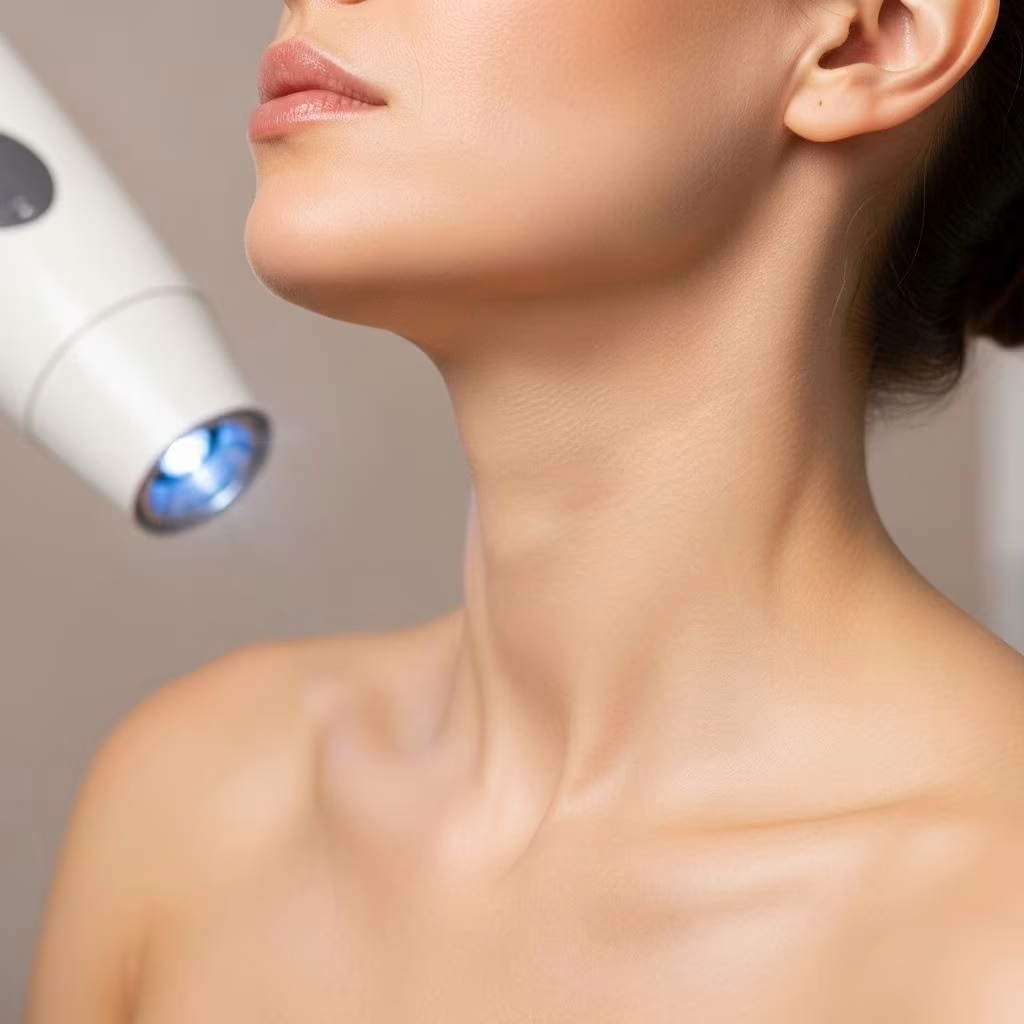
The neck and décolletage (upper chest) are among the most visible yet neglected areas prone to aging. Over time, these regions develop wrinkles, pigmentation, sagging, and diminished elasticity due to sun exposure, genetics, and lifestyle choices. Innovations in laser technology now offer non-surgical, effective solutions to restore firmness and youthful appearance to the neck and décolletage. This article covers everything you need to know about laser treatments for improving skin elasticity in these delicate areas.
Understanding Neck and Décolletage Aging
The neck and décolletage have thinner skin, fewer oil glands, and are often exposed to sunlight and environmental stressors. These factors accelerate aging signs, including:
- Loss of elasticity: Collagen and elastin fibers degrade, leading to sagging skin and fine lines.
- Wrinkles and creases: Muscle movements, gravity, and thinning skin accentuate horizontal neck lines and décolletage creases.
- Pigmentation changes: Sun-induced melanin overproduction results in age spots and uneven tone.
- Texture irregularities: Roughness, dryness, and redness can develop.
These issues are often more pronounced than on the face, making targeted intervention especially important.
The Role of Laser Therapy in Skin Elasticity Restoration
Laser technology revolutionizes skin rejuvenation by delivering controlled light or thermal energy to the deeper layers of skin without extensive downtime. Unlike surgery, laser treatments:
- Stimulate collagen production for natural tightening and improved elasticity
- Target pigmentation, redness, and surface imperfections
- Are non-invasive or minimally invasive, reducing recovery time and risk
- Can be precisely adjusted to suit the delicate neck and chest areas
Depending on the device and settings, lasers can resurface the skin, promote remodeling, and trigger regenerative healing responses.
Types of Laser Treatments for Neck and Décolletage
Different laser modalities are used depending on the patient’s needs, severity of aging, and desired outcome. The main categories include:
| Laser Type | Mechanism | Common Brands | Indications |
|---|---|---|---|
| Fractional Ablative (CO2, Er:YAG) | Removes micro-columns of skin, stimulates collagen formation | Fraxel re:pair, Lumenis UltraPulse | Severe wrinkling, deep lines, sun damage, texture, moderate laxity |
| Non-Ablative Fractional | Delivers heat deep into skin without removing surface | Fraxel Dual, Clear + Brilliant | Mild-moderate lines, texture, pigmentation, preventive maintenance |
| IPL (Intense Pulsed Light) | Broad-spectrum light targets pigment and redness | Harmony 360, Lumecca, Palomar Icon | Pigmentation, redness, superficial fine lines |
| Radiofrequency + Laser (RF) | Combines RF heat and laser for deeper tightening | Thermage, Profound RF | Laxity, early jowls, skin tightening |
| Light-based Resurfacing | Aims at outer damage, smooths texture | Pixel Perfect, PicoSure | Texture, sun spots, mild laxity |
Most clinicians use a combination protocol for optimal rejuvenation, balancing tissue renewal and safety for delicate areas.
Comparing Major Laser Technologies
- Fractional CO2: Offers visible tightening, reduced wrinkling, and improved tone; ideal for advanced damage but involves more downtime.
- Fraxel Dual/Non-Ablative: Stimulates collagen beneath intact skin, effective for mild-moderate changes with minimal social downtime.
- IPL: Addresses pigment, redness, and induces collagen for subtle tightening; best for early to moderate issues.
How Laser Treatments Improve Skin Elasticity
Lasers improve skin elasticity by inducing a wound-healing response that leads to collagen remodeling and new tissue formation. The processes include:
- Heating dermal tissue to trigger fibroblasts, the collagen-producing cells
- Increasing elastin synthesis for suppleness
- Smoothing and refining surface texture and evening pigmentation
- Firming skin, reducing sagging, and diminishing visible creases
Fractional lasers are particularly effective as they allow for significant renewal while preserving untreated skin for rapid recovery. Studies confirm durable improvements in laxity, jowling, fat deposits, and horizontal neck lines for up to a year after fractional CO2 laser sessions.
What to Expect During and After Treatment
Consultation and Candidacy
Before starting, a specialist will evaluate the treatment area, medical history, skin type, and discuss realistic goals. Photographs and baseline measurements may be taken.
Treatment Process
- Session duration: 30–60 minutes per area for most laser devices
- Comfort: Local cooling or numbing may be used; most patients describe a warm, prickling sensation
- No anesthesia: Non-invasive lasers typically require no anesthesia and allow immediate return to normal activities
- Number of sessions: Varies by method—often 3–5 sessions, spaced several weeks apart
Aftercare and Recovery
- Minimal downtime for non-ablative lasers & IPL; 1–7 days of redness and peeling with fractional ablative lasers
- Avoid sun exposure and apply broad-spectrum sunscreen
- Moisturizers and gentle skin care to support healing
- Results are typically visible after the first session, with continued improvement over months
Ideal Candidates, Risks, and Side Effects
Who Benefits Most?
- Individuals with mild to moderate laxity, early wrinkle formation, and sun-damage
- Those seeking non-surgical options with minimal downtime
- People with realistic expectations about gradual, natural-looking results
Contraindications and Considerations
- Active infections or lesions in treatment areas
- Recent (within 6 months) use of isotretinoin (e.g., Accutane)
- Certain autoimmune or connective tissue disorders
- Darker skin types may require special protocols to prevent hyperpigmentation
Potential Adverse Effects
- Temporary redness, swelling, sensitivity
- Minor peeling, crusting, or flaking (ablative lasers)
- Rarely, changes in skin color or texture if not performed correctly
Please always consult a certified provider to properly assess risks and benefits.
Complementary and Alternative Treatments
Laser therapies can be combined with or alternated with non-laser interventions for maximal rejuvenation:
- Microneedling: Stimulates collagen via tiny micro-injuries, ideal for sensitive or thin skin, and can be used where lasers may be risky
- HydraFacial and skin boosters: Nourish and plump, enhancing results and supporting healing
- Bio-remodeling injectables: Such as hyaluronic acid to hydrate, fill and remodel the area
- Radiofrequency (RF) treatments: Provide additional skin tightening synergy
- Topical retinoids & antioxidants: Maintain results between sessions
Combined protocols should be individualized for safety and effectiveness.
Results and Long-Term Outcomes
What Improvements to Expect
- Smoother texture: Reduction in visible creasing, spots, and roughness
- Firmer, more elastic skin: Enhanced lift and tone especially under the chin and at the upper chest
- More even tone: Fading of pigmentation and redness
- Gradual, natural-looking results: Maximum improvement appears over months as collagen matures
Clinical studies of fractional CO2 and Fraxel lasers confirm durable results lasting at least 6–12 months after a treatment course, with maintenance touch-ups recommended annually for best longevity. Results can be extended further with sun protection and a proper skincare routine.
Choosing a Provider and Safety Considerations
- Seek board-certified dermatologists or cosmetic surgeons experienced in treating the neck and décolletage
- Ask for before-and-after photos demonstrating their outcomes
- Discuss anticipated results, downtime, and session scheduling
- Ensure the laser device is FDA-approved for use on neck/décolletage
- Avoid sun exposure before and after treatment to prevent hyperpigmentation
Always notify your provider of any history of keloid scarring or adverse reactions to skin treatments in the past.
Frequently Asked Questions (FAQs)
Do laser treatments hurt?
Most people report a sensation of warmth or mild tingling during treatment. Cooling systems or topical numbing creams can be used to enhance comfort. Fractional ablative lasers may be more uncomfortable but are generally well tolerated.
How many sessions are needed?
For best results, 3–5 sessions spaced 1–2 months apart are typical, with maintenance sessions yearly or as advised by your provider.
Will I need time off work?
Most non-ablative and IPL lasers allow people to resume normal activities immediately. Ablative lasers require a few days to a week of recovery due to redness and peeling, but significant downtime is uncommon with the latest technologies.
Are results permanent?
Improvements last from several months to a year or longer, but natural aging and lifestyle factors (sun exposure, smoking, genetics) will influence maintenance needs. Regular skin care and sun protection are essential to prolong results.
What is the difference between ablative and non-ablative lasers?
Ablative lasers remove outer skin layers for more dramatic results and longer downtime, while non-ablative lasers work beneath the surface for gradual improvement and minimal social downtime.
Can lasers be combined with other treatments?
Yes, combination protocols with microneedling, radiofrequency, injectables, or topical products are common for comprehensive rejuvenation, depending on individual needs and safety considerations.
Are there risks for darker skin?
Darker skin types are more prone to pigmentation changes from lasers. Select providers who specialize in treating diverse skin tones and use appropriate laser settings.
Is there an ideal age to start laser treatments?
Results are best for mild to moderate sun damage or early laxity. Preventive treatments in one’s 30s or 40s can help delay significant aging changes, but there is no “best” age— candidacy depends on your specific skin condition and goals.
What should I do to prepare for laser treatment?
Avoid tanning and discontinue use of retinoids or acids a week beforehand. Inform your provider of any medications, supplements, or skin sensitivities.
Laser treatments for neck and décolletage elasticity are highly effective, non-surgical methods to restore a firm, rejuvenated appearance in these often-neglected regions. With a range of technologies and minimal downtime, they offer a tailored solution for anyone seeking lasting anti-aging results beyond the face.
References
- https://www.orangeblossomaesthetics.com/blog/will-skintyte-work-on-my-neck
- https://theclinicbondi.com.au/blogs/the-blog/beyond-the-face-transformative-skincare-treatments-for-neck-and-decollete
- https://pmc.ncbi.nlm.nih.gov/articles/PMC4142817/
- https://clevelandcosmeticsurgery.com/decolletage-rejuvenation/
- https://www.cosmeticskinclinic.com/blog/laser-skin-tightening-before-and-after/
- https://drgrecoface.com/the-best-procedures-to-rejuvenate-your-neck-and-decolletage/
- https://sdamedspa.com/services/laser/laser-skin-tightening/
- https://www.oneskin.co/blogs/reference-lab/why-your-neck-decolletage-and-hands-need-extra-care
- https://drkormeilidermatology.com/dermatology-santa-monica/body/decolletage-rejuvenation/


