


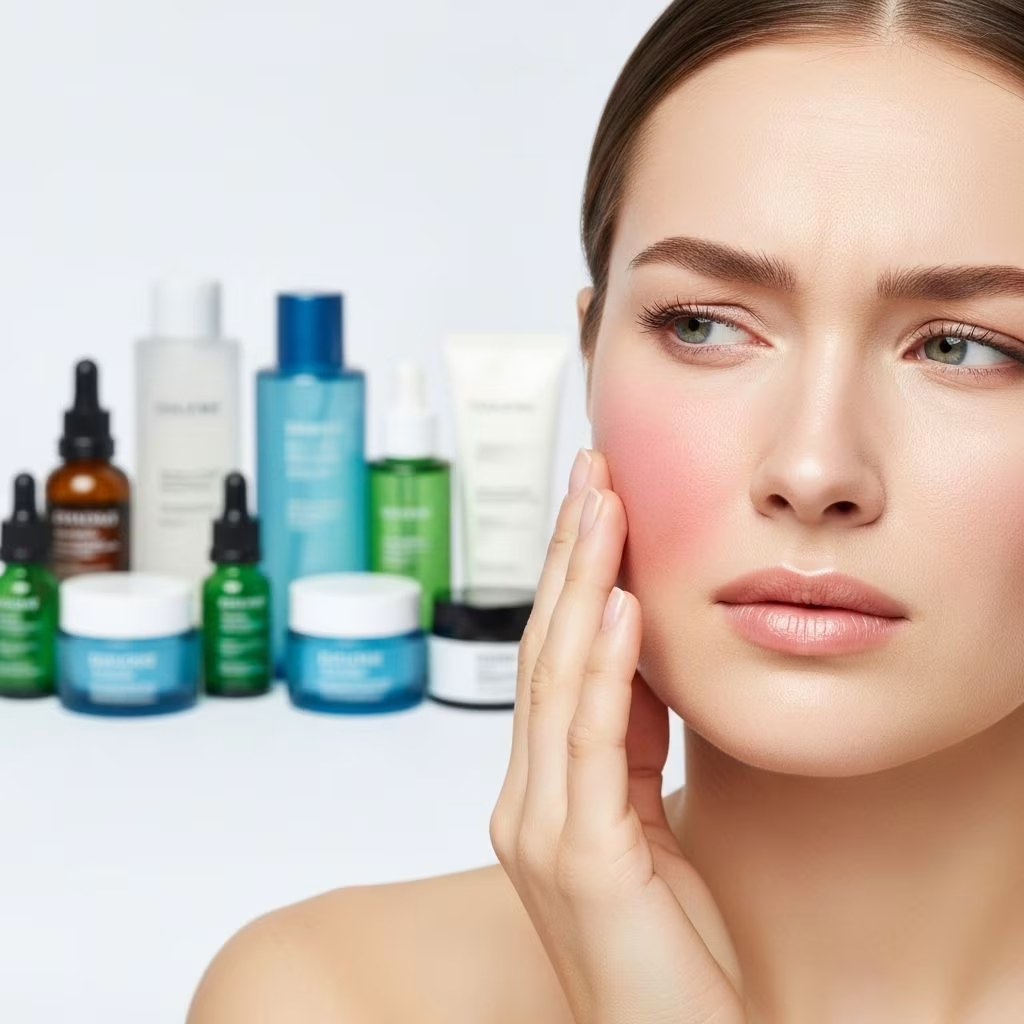
Facial redness is a frustrating and often unexpected obstacle in the pursuit of radiant skin. As the beauty industry embraces multi-step routines, many experience sensitivity and visible irritation—sometimes caused by how we layer our very own skincare products. This article takes an in-depth look at why skincare layering causes redness, the science behind these reactions, and how to create an effective, gentle regimen that promotes true skin health.
Introduction
Skincare enthusiasts frequently add new products promising smooth, hydrated, and even-toned skin. Yet, the pursuit of perfection often backfires—many find themselves with redness, stinging, or irritated skin after trying a new regimen. This phenomenon is increasingly common as routines become more complex, often due to layering incompatible formulas or misusing active ingredients. Understanding the root causes and solutions is key to restoring comfort and confidence to your skincare journey.
Common Causes of Redness from Skincare Layering
Redness can develop for several reasons—often as a reaction to external stressors or internal sensitivity. Major triggers include:
- Active ingredient sensitivity: Powerful agents like retinoids, alpha-hydroxy acids (AHAs), beta-hydroxy acids (BHAs), and benzoyl peroxide can irritate, especially when overused or layered without guidance.
- Over-exfoliation: Using more than one exfoliating product or frequent mechanical scrubbing weakens the skin’s protective layer, resulting in inflammation and redness.
- Incorrect product layering: Combining certain formulas or applying products in the wrong order can create irritation by enhancing penetration or causing chemical reactions at the skin’s surface.
- Allergic and irritant reactions: Some people are sensitive or allergic to dyes, fragrances, preservatives, or surfactants such as sodium lauryl sulfate (SLS), which can trigger redness and swelling.
- Underlying skin conditions: Those with rosacea, eczema, or chronic sensitivity are especially vulnerable to redness and flares from active-rich routines.
Table: Common Irritants in Skincare Products
| Potential Irritant | Effect on Skin |
|---|---|
| Retinoids (Retinol, Tretinoin) | Dryness, peeling, redness, initial breakouts |
| Alpha/Beta Hydroxy Acids | Redness, stinging, increased sun sensitivity |
| Benzoyl Peroxide | Irritation, itchiness, redness |
| Fragrances & Certain Preservatives | Allergic reactions, irritation, redness |
| Alcohol, SLS, SLES | Strips moisture, triggers dryness and inflammation |
The Role of the Skin Barrier
The skin barrier—the outermost layer (stratum corneum)—forms the body’s first line of defense against the environment. It maintains hydration, protects from pathogens, and keeps out irritants. When the barrier is compromised by harsh ingredients or improper layering, the skin loses moisture, allowing irritants to penetrate deeply and cause visible redness, flaking, or inflammation.
- Healthy Skin Barrier: Retains moisture, appears supple, and resists irritants.
- Damaged Skin Barrier: Feels tight, looks red, stings upon product application, and is more reactive.
How Incorrect Skincare Layering Leads to Redness
Effective skincare layering involves applying products in a logical order based on consistency and function. Problems arise when:
- Products are combined without compatibility checks (e.g., applying strong acids with retinoids).
- Too many actives are layered in one session, overwhelming the skin’s tolerance.
- Thick moisturizers are applied before serums, blocking absorption and creating occlusion that can trap irritating ingredients next to the skin.
- Exfoliating prior to applying potent actives increases skin permeability, making it more sensitive to subsequent layers.
As a result, the skin may react with redness, tingling, burning, or increased sensitivity. These are signs that the skin barrier is signaling overload.
Problematic Ingredient Combinations
Certain ingredient pairings are especially likely to cause irritation when layered:
- Retinoids + AHAs/BHAs: Both increase cell turnover; layering them can cause excessive peeling and inflammation.
- Vitamin C (L-Ascorbic Acid) + Acids or Retinol: Applying vitamin C after acids or alongside retinoids can destabilize the formula and heighten irritation.
- Benzoyl Peroxide + Retinoids: This combination may deactivate retinoids while increasing dryness and redness.
- Multiple exfoliants (e.g., chemical and physical) in one session: Significantly increases the risk of redness and micro-tears.
Safer Layering Practices
- Alternate strong actives (e.g., retinoids and acids) on separate nights rather than the same session.
- Use hydrating serums (hyaluronic acid, panthenol) and barrier-repairing moisturizers (ceramides, niacinamide) between actives.
- Check manufacturer guidelines for compatible combinations and order of use.
How to Identify Skincare-Induced Redness
The pattern and persistence of redness can help you determine if your skincare is responsible:
- Redness appears soon after product application, especially when a new product is introduced.
- Sensations of stinging, dryness, tightness, or burning accompany visible color changes.
- Redness fades when you stop using a certain product or routine, then returns with reapplication.
- The affected area matches the application area (typically the face, sometimes neck or décolleté).
Keeping a skin diary—documenting when products are added and when redness occurs—can be invaluable for tracking down triggers.
Patch Testing
Performing a patch test—applying a small amount of product to a less visible area such as behind the ear and waiting 48 hours—can reveal sensitivity before widespread application.
Steps to Prevent Skincare Layering-Induced Redness
Dermatologists recommend the following preventative measures for anyone prone to redness or irritation:
- Choose gentle, fragrance-free products. Avoid known irritants and stick to formulas designed for sensitive skin or with barrier-supportive actives like niacinamide, ceramides, and aloe vera.
- Introduce new products slowly. Add only one new product at a time, waiting at least 48 hours before including another. This method allows identification of offending ingredients.
- Moderate use of strong actives. Start with low concentrations and limited frequency. Gradually increase as skin builds tolerance.
- Moisturize consistently. Well-hydrated skin is less likely to react and more capable of resisting environmental triggers.
- Always use sunscreen. UV exposure heightens irritation, especially when using exfoliants or retinoids. Choose broad-spectrum SPF 30 or higher.
- Patch test every new product. Especially if you have sensitive or allergy-prone skin.
Managing and Treating Redness
If you’ve developed redness, immediate steps can restore comfort and barrier function:
- Discontinue all irritating or new products. Simplify your routine to a basic gentle cleanser and fragrance-free moisturizer until the redness subsides.
- Cool compresses and mild anti-inflammatory topicals (such as over-the-counter hydrocortisone, if appropriate) can provide temporary relief.
- Barrier repair solutions—moisturizers rich in ceramides, squalane, or fatty acids speed skin recovery.
- Eat and live healthy. Drink water, avoid spicy foods, alcohol, or excessive heat during a redness flare.
Reintroduce skincare slowly after symptoms subside. Start with gentlest products, then one active (at low strength) at a time.
When to Seek Professional Help
If redness persists beyond a few days, is accompanied by swelling, blistering, or pain, or worsens on restarting products, consult a healthcare professional or board-certified dermatologist. Underlying conditions (e.g., allergic contact dermatitis, rosacea, eczema) may require prescription treatment or allergy testing.
Frequently Asked Questions (FAQs)
Q: Is it normal to experience some redness when starting a new skincare active?
A: Mild redness or tingling is common when beginning potent actives (retinoids or acids), but burning, severe redness, or flaking are signs to pause and reassess.
Q: Which ingredient combinations are most likely to cause redness if layered?
A: The most problematic are retinoids with acids (AHAs/BHAs), vitamin C with acids or retinoids, and multiple exfoliants used at once.
Q: Can skincare layering cause long-term skin damage?
A: Chronic irritation and repeated barrier disruption can contribute to long-term sensitivity or conditions like perioral dermatitis. Always allow the skin time to heal between introducing actives.
Q: How can I repair my skin barrier post-irritation?
A: Simplify your routine to gentle cleansing, barrier-repairing moisturisers, and strict sun protection. Look for ingredients such as ceramides, fatty acids, and niacinamide, and avoid new actives until fully healed.
Q: If I have rosacea, how should I layer skincare?
A: Choose fragrance-free, soothing products, avoid harsh actives, and consult a dermatologist for personalized advice. Minimalist routines work best for chronic redness-prone skin.
Conclusion
Skincare layering offers the promise of transformative results—if approached with care and knowledge. Redness is a direct signal from your skin that something is amiss, often from misused actives, incompatible ingredient pairing, or a compromised barrier. By layering thoughtfully, opting for gentler ingredients, and listening to your skin’s cues, most episodes of redness can be prevented or quickly remedied. If you struggle with persistent redness, a board-certified dermatologist can provide invaluable guidance for a safer, more rewarding skincare journey.
References
- https://drderme.com/skincare-routine-causing-redness-top-tips/
- https://www.esmiskin.com/blogs/esmi-skin-central/signs-your-skin-routine-is-damaging-your-skin
- https://laurengreenbergmd.com/face/my-skin-care-products-made-my-skin-red-3-things-to-look-for/
- https://dermamade.com/derma-blog/why-is-my-face-red/
- https://www.hodgedermatology.com/2023/07/14/layering-skincare-is-more-really-more-how-to-get-the-most-out-of-multiple-skincare-products/
- https://peonilla.com/en/5-signs-skincare-not-working-irritating-skin/
- https://amalabeauty.com/blogs/resources/causes-of-redness-after-skincare-and-how-to-prevent-it?page=51
- https://blairskincare.com/blogs/news/are-you-layering-your-skincare-wrong-here-s-how-to-fix-it


