


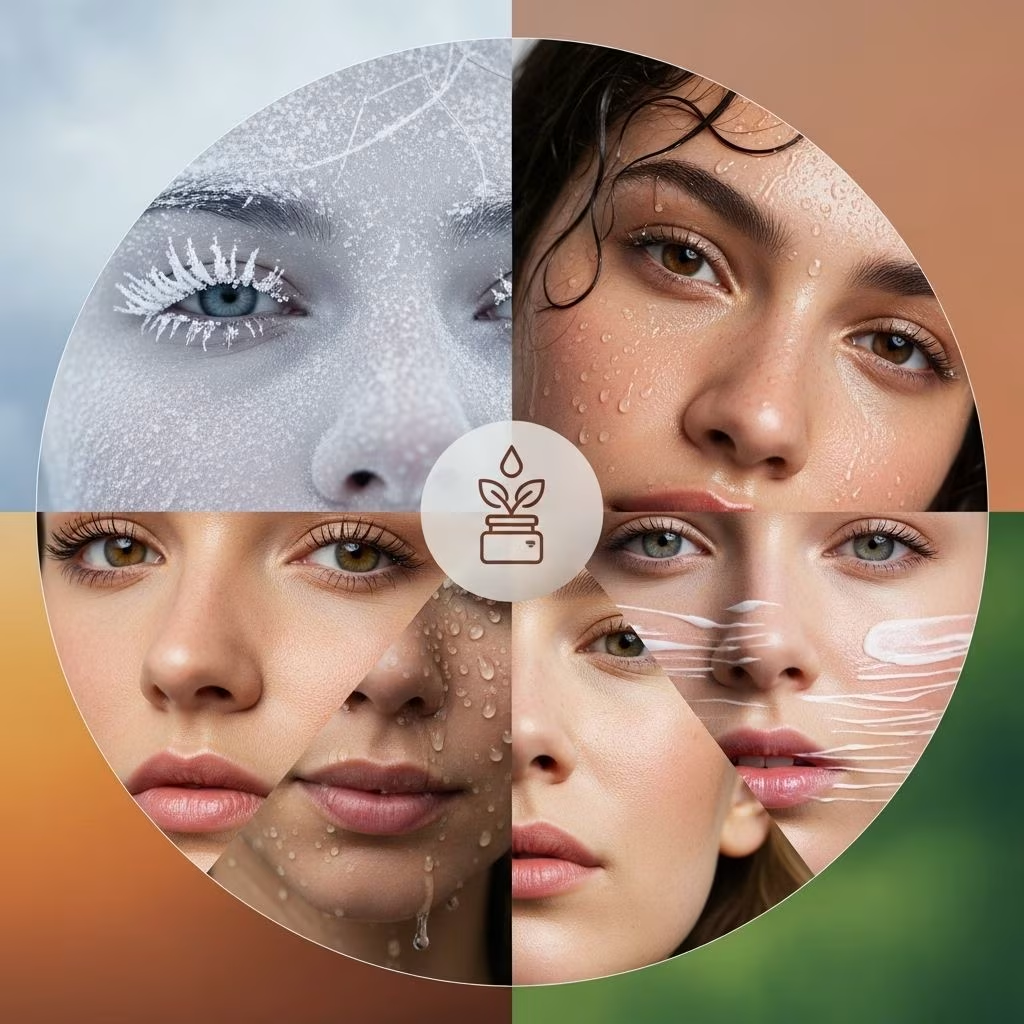
Skincare Layering in Extreme Climates: A Comprehensive Guide
Extreme climates present unique challenges for skincare, whether you’re battling the heat and humidity of a tropical region or braving the cold and dryness of a polar climate. Understanding how to layer skincare products effectively is crucial for maintaining healthy, balanced skin in these harsh environments. Here, we explore the best practices for layering skincare in various extreme climates.
Hot and Humid Climates: Balancing Hydration and Oil Control
In hot and humid climates, the skin is prone to excess sweat and oil production, which can lead to clogged pores and breakouts if not managed properly. Here are some key tips for layering skincare in this environment:
- Start with a Lightweight Cleanser: Use a gentle, sulfate-free cleanser that effectively removes dirt and excess oil without stripping the skin of its natural moisture. Double cleansing can be beneficial, starting with an oil-based cleanser followed by a water-based cleanser for a deeper clean.
- Apply a Hydrating Toner: Opt for a toner rich in hyaluronic acid, aloe vera, or rose water to balance the skin’s pH and provide hydration. Avoid alcohol-based toners that can dehydrate the skin.
- Use Lightweight Moisturizers: Gel-based moisturizers are ideal for hot climates as they provide hydration without clogging pores. Look for products containing salicylic acid or niacinamide to help regulate oil production.
- Protect with Sunscreen: Use a lightweight, oil-free sunscreen with high SPF to protect the skin from UV damage without exacerbating oiliness.
Cold and Dry Climates: Strengthening the Skin Barrier
Cold and dry climates require a skincare routine that focuses on hydration and skin barrier repair. Here are some tips for layering skincare in these conditions:
- Rich Cleansers: Use creamy cleansers that do not strip the skin of its natural oils. Look for ingredients like glycerin or ceramides that help maintain moisture.
- Hydrating Serums: Layer hydrating serums under moisturizers to enhance skin hydration. Ingredients like hyaluronic acid and squalane are effective.
- Thick Moisturizers: Apply rich moisturizers containing peptides, fatty acids, and panthenol to repair the skin barrier and lock in moisture.
- Protective Oils: Use facial oils rich in omega-3 fatty acids to provide an extra layer of protection against cold winds.
High Altitude Climates: Combating Low Humidity and UV Exposure
High altitude environments pose unique challenges due to low humidity and increased UV exposure. Here are some strategies for effective skincare layering:
- Hydrating Products: Incorporate hydrating serums and facial oils containing hyaluronic acid and squalane to combat dryness.
- Protective Sunscreen: Use a broad-spectrum sunscreen with high SPF to protect against intense UV radiation.
- Lightweight Moisturizers: Opt for non-comedogenic moisturizers that provide hydration without clogging pores.
- Antioxidant-Rich Serums: Include antioxidant-rich serums with vitamin C and E to combat free radical damage.
Pollution and Urban Environments: Defending Against Environmental Stressors
Urban environments expose the skin to pollution and particulate matter, leading to inflammation and premature aging. Here are some tips for adapting your skincare routine:
- Double Cleansing: Use a double cleansing method to thoroughly remove pollutants and makeup.
- Antioxidant Products: Incorporate skincare products rich in antioxidants like green tea and ferulic acid to neutralize free radicals.
- Detoxifying Ingredients: Look for products containing detoxifying ingredients such as charcoal to help cleanse the skin.
- Barrier Repair: Use moisturizers containing peptides and ceramides to strengthen the skin barrier.
Layering Tips for Different Climates
When layering skincare products, consider the following general tips for each climate:
| Climate | Layering Tips |
|---|---|
| Hot and Humid | Lightweight cleanser, hydrating toner, lightweight moisturizer, sunscreen. |
| Cold and Dry | Rich cleanser, hydrating serum, thick moisturizer, facial oil. |
| High Altitude | Hydrating serum, broad-spectrum sunscreen, lightweight moisturizer, antioxidant-rich serum. |
| Polluted Urban | Double cleansing, antioxidant-rich products, detoxifying toner, barrier-repairing moisturizer. |
Frequently Asked Questions (FAQs)
Q: How often should I apply sunscreen in extreme climates?
A: Apply sunscreen daily, even on cloudy days, and reapply every two hours when spending time outdoors.
Q: What type of moisturizer is best for hot and humid climates?
A: Lightweight, gel-based moisturizers are ideal as they provide hydration without clogging pores.
Q: How does high altitude affect skin health?
A: High altitudes increase UV exposure and dryness, requiring enhanced sun protection and hydration strategies.
Q: Are facial oils beneficial in cold climates?
A: Yes, facial oils rich in omega-3 fatty acids can provide an extra layer of protection against cold winds and dryness.
Q: What skincare products should I use in polluted environments?
A: Use products with antioxidants, detoxifying ingredients, and barrier-strengthening ingredients to combat pollution’s effects.
References
- https://www.isabellemcleod.com/blog/how-to-layer-skincare-in-hot-weather-for-maximum-benefits
- https://skincareinstitute.net/the-role-of-climate-and-geography-in-choosing-skincare-products/
- https://esthetician.org/skincare-tips-for-extreme-environments/
- https://pourmoiskincare.com/blogs/beautyforecast/skincare-routine-steps-should-be-chosen-by-climate-not-skin-type
- https://www.isdin.com/us/blog/skincare/how-climate-affects-your-skin/
- https://honeygirlorganics.com/blogs/news/how-to-adapt-your-skincare-routine-to-your-climate
- https://crazyaboutglow.com/post.php?post=37&language=en
- https://skinandcancerinstitute.com/seasonal-skin-care-phoenix-weather/
- https://www.foreo.com/mysa/skincare-strategies-in-the-era-of-climate-change


