


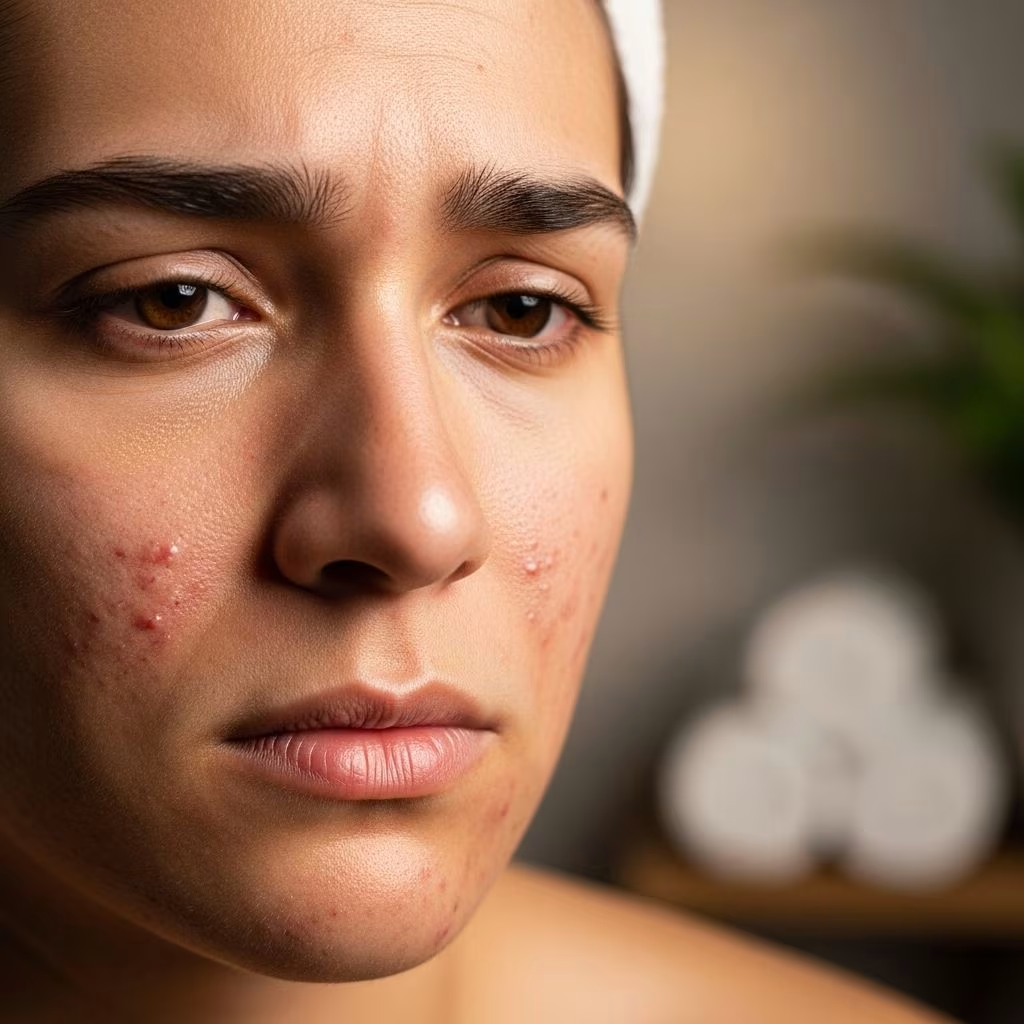
Have you ever noticed that during your most stressful weeks, your skin seems to revolt against you? Perhaps an important presentation at work coincides with a cluster of inflamed breakouts along your jawline, or exam season brings unwelcome cystic acne. This frustrating phenomenon isn’t just coincidence—it’s a biological reality rooted in the intricate relationship between your stress hormones and your skin health.
The connection between cortisol, your body’s primary stress hormone, and acne represents one of the most significant yet often overlooked factors in skin health. Understanding this relationship and learning how to interrupt the stress-acne cycle can be transformative for anyone struggling with persistent breakouts. This comprehensive guide explores the science behind stress-induced acne and provides actionable strategies to break free from this challenging cycle.
Understanding Cortisol: Your Body’s Stress Hormone
Cortisol serves as your body’s built-in alarm system, a natural hormone produced by the adrenal glands in response to stress. When functioning properly, cortisol plays essential roles in regulating metabolism, controlling blood sugar levels, reducing inflammation, and assisting with memory formation. In healthy doses, this hormone represents a normal and beneficial adaptation mechanism that helps you respond to challenges.
However, the problem arises when stress becomes chronic rather than acute. Your body cannot distinguish between the stress of running from danger and the stress of looming deadlines or relationship conflicts. Whether you’re facing a genuine threat or simply worried about an upcoming event, your body responds identically by flooding your system with cortisol. When stressful conditions persist over extended periods, cortisol levels remain elevated, transforming this helpful hormone into a significant threat to your skin health.
The modern lifestyle often keeps us in a constant state of low-grade stress, meaning cortisol remains active far longer than nature intended. This prolonged elevation triggers a cascade of physiological changes that directly impact your skin, creating the perfect conditions for acne development and persistence.
The Biological Mechanisms: How Stress Creates Acne
The journey from stress to breakouts involves several interconnected biological pathways that work simultaneously to compromise skin health. Understanding these mechanisms helps explain why stress management becomes crucial for anyone serious about achieving clear skin.
Increased Sebum Production
When cortisol levels rise, your sebaceous glands receive direct stimulation to produce more sebum, the oily substance that naturally lubricates and protects your skin. While sebum serves important protective functions in normal amounts, excess production creates problems. The overproduction of oil overwhelms your pores, mixing with dead skin cells and creating an ideal environment for acne-causing bacteria to thrive. This excess sebum gets trapped within pores, leading to the clogged follicles that manifest as blackheads, whiteheads, and inflammatory acne lesions.
Cortisol doesn’t work alone in this process. Stress also triggers the release of corticotropin-releasing hormone (CRH), which further stimulates sebaceous glands. This dual hormonal assault on oil-producing glands explains why stress-related breakouts often appear more severe than acne from other causes.
Inflammatory Response Activation
Chronic stress maintains your body in a persistent state of low-grade inflammation, which profoundly affects skin health. Stress triggers the release of inflammatory chemicals called neuropeptides, which travel through your bloodstream and accumulate in skin tissue. These inflammatory mediators not only worsen existing acne lesions but also prevent them from healing efficiently.
The inflammatory cascade initiated by cortisol creates a hostile environment within your skin. Inflamed skin loses its ability to retain moisture effectively, compromising the protective skin barrier. This barrier disruption allows bacteria easier access to deeper skin layers while simultaneously making your skin more reactive to environmental irritants and skincare products.
Hormonal Cascade Effects
Elevated cortisol disrupts the delicate balance of other hormones throughout your body, creating ripple effects that extend far beyond the initial stress response. In women, stress interferes with the hypothalamic-pituitary-ovarian axis, causing imbalances in androgens, estrogen, and progesterone. These sex hormone disruptions have direct implications for skin health.
Androgens, including testosterone, dehydroepiandrosterone (DHEA), and dihydrotestosterone (DHT), represent the primary hormonal drivers of acne. When cortisol disrupts normal hormonal balance, androgen levels often increase, binding to receptors on skin cells and stimulating both sebaceous gland growth and secretory function. This explains why many women notice acne breakouts coinciding with their menstrual cycles, as hormonal fluctuations become more pronounced during stressful periods.
Insulin Resistance and Blood Sugar Dysregulation
Stress-induced cortisol elevation affects how your body processes glucose, often leading to increased insulin levels and reduced insulin sensitivity. This metabolic disruption has significant implications for acne development. Elevated insulin stimulates androgen production, compounding the hormonal imbalances already triggered by cortisol. Additionally, higher insulin levels trigger the release of insulin-like growth factor 1 (IGF-1), a hormone that promotes cell growth, increases sebum production, and enhances inflammation.
People with existing insulin resistance conditions, such as polycystic ovary syndrome (PCOS) or metabolic syndrome, often experience more severe stress-related acne due to these compounding effects. The stress-insulin-acne connection creates another layer of complexity in the relationship between cortisol and skin health.
Impaired Immune Function
Chronic stress weakens your immune system’s ability to fight off the bacteria that contribute to acne development. Stress hormones have adverse effects on your skin’s antimicrobial defenses, exacerbating skin dysbiosis—an imbalance in the skin’s natural bacterial ecosystem. When beneficial bacteria populations decline and harmful bacteria like Cutibacterium acnes proliferate, inflammatory acne lesions become more frequent and severe.
Furthermore, elevated cortisol reduces collagen production and slows skin cell regeneration. This impairment affects wound healing, causing acne lesions to persist longer and increasing the likelihood of post-inflammatory hyperpigmentation and scarring.
The Vicious Cycle: When Acne Creates More Stress
Perhaps the most challenging aspect of stress-related acne involves the self-perpetuating cycle it creates. Breakouts caused by stress often generate additional psychological distress, particularly when they appear before important events or during already challenging periods. This additional stress about your skin condition triggers further cortisol release, which aggravates existing acne and promotes new breakouts.
The psychological impact of acne extends beyond simple cosmetic concerns. Research consistently shows that acne affects self-esteem, social interactions, and overall quality of life. When you wake up to find new breakouts during an already stressful week, the emotional response generates more cortisol, feeding directly back into the biological mechanisms that caused the breakouts initially.
This cycle becomes particularly insidious because it operates on both conscious and subconscious levels. Even when you intellectually understand that stress worsens acne, the emotional response to breakouts occurs automatically, outside your conscious control. Breaking this cycle requires addressing both the physical triggers of stress and the psychological responses to skin changes.
Identifying Stress-Related Acne
Stress acne presents with certain characteristic features that distinguish it from acne caused by other factors. Recognizing these patterns helps you identify when stress management should become a priority in your skincare approach.
Location represents one of the most telling indicators. Stress-related breakouts typically appear on the lower portion of the face, concentrating along the jawline, neck, and cheeks. These areas contain higher concentrations of stress hormone receptors, making them particularly vulnerable to cortisol-induced changes.
The type of lesions also provides clues. Stress acne commonly manifests as red, inflamed bumps rather than simple blackheads or whiteheads. Many people experience cystic acne during stressful periods—large, painful blemishes that develop deep under the skin and resist typical acne treatments. These cystic lesions reflect the intense inflammatory response triggered by elevated cortisol.
Timing patterns offer another diagnostic clue. If you notice breakouts consistently appearing during or immediately after stressful events—exam periods, work deadlines, relationship conflicts, travel, or major life changes—stress likely plays a significant role in your acne. Keeping a journal that tracks both stress levels and breakout patterns can reveal connections you might otherwise miss.
Breaking the Cycle: Holistic Management Strategies
Successfully managing stress-related acne requires a comprehensive approach that addresses both the internal hormonal environment and external skin care. No single intervention proves sufficient; instead, combining multiple strategies creates synergistic effects that interrupt the stress-acne cycle at various points.
Stress Reduction Techniques
The foundation of managing cortisol-related acne involves implementing effective stress management practices that lower baseline cortisol levels. Mindfulness meditation has demonstrated particular effectiveness in reducing cortisol production. Even brief daily meditation sessions—as short as 10 to 15 minutes—can significantly impact stress hormone levels when practiced consistently.
Deep breathing exercises offer another accessible tool for cortisol management. Techniques like box breathing (inhaling for four counts, holding for four, exhaling for four, holding for four) activate the parasympathetic nervous system, which counteracts the stress response and promotes cortisol reduction. The beauty of breathing exercises lies in their portability—you can practice them anywhere, anytime stress levels begin rising.
Regular physical activity provides one of the most effective natural methods for managing cortisol levels. Exercise helps metabolize excess stress hormones while triggering the release of endorphins, your body’s natural mood elevators. Aim for at least 30 minutes of moderate activity most days of the week. However, balance remains important—excessive high-intensity exercise can actually increase cortisol, so include adequate rest and recovery in your routine.
Sleep Optimization
Quality sleep plays a non-negotiable role in cortisol regulation and skin health. During sleep, your body repairs skin damage, regulates hormone production, and processes the day’s stressors. Chronic sleep deprivation elevates cortisol levels while disrupting other hormones essential for clear skin.
Establish a consistent sleep schedule by going to bed and waking at the same times daily, even on weekends. Create an environment conducive to quality sleep by keeping your bedroom cool, dark, and quiet. Limit screen exposure for at least one hour before bed, as blue light from devices suppresses melatonin production and interferes with sleep quality. Consider implementing a relaxing bedtime routine that might include reading, gentle stretching, or a warm bath to signal your body that sleep time approaches.
Nutritional Support
Your diet significantly influences both cortisol levels and skin health. Foods high in refined sugars and simple carbohydrates cause rapid blood sugar spikes that trigger insulin release and cortisol production. These glycemic surges also promote inflammation and increase sebum production through the insulin-IGF-1 pathway discussed earlier.
Focus on building meals around whole foods with low glycemic impact: vegetables, lean proteins, healthy fats, and complex carbohydrates. Omega-3 fatty acids, found in fatty fish, walnuts, and flaxseeds, possess anti-inflammatory properties that can help counteract stress-induced inflammation. Foods rich in antioxidants—colorful fruits and vegetables—provide nutrients that support skin repair and combat oxidative stress.
Certain nutrients specifically support healthy cortisol metabolism. Magnesium helps regulate the stress response and promotes relaxation. Vitamin C supports adrenal function and helps moderate cortisol production. B vitamins play essential roles in stress management and energy metabolism. While obtaining these nutrients from food remains ideal, targeted supplementation may benefit those with identified deficiencies or particularly high stress levels.
Lifestyle Modifications for Cortisol Balance
Beyond specific stress-reduction techniques, broader lifestyle adjustments create an environment that naturally promotes lower cortisol levels and clearer skin.
Time Management and Boundary Setting
Chronic stress often stems from feeling overwhelmed by commitments and responsibilities. Learning to set realistic boundaries and manage time effectively reduces the persistent low-grade stress that keeps cortisol elevated. Practice saying no to non-essential obligations. Break large projects into manageable steps. Use planning tools to create realistic schedules that include buffer time for unexpected challenges.
Importantly, schedule regular breaks throughout your day. Your stress response wasn’t designed for the constant stimulation of modern life. Even brief pauses—a five-minute walk, a short meditation, or simply looking away from screens—helps prevent cortisol accumulation throughout the day.
Social Connection and Support
Strong social connections buffer against stress and help regulate cortisol levels. Spending quality time with supportive friends and family members triggers the release of oxytocin, a hormone that counteracts cortisol’s effects. Don’t hesitate to share your struggles with trusted individuals; often, simply verbalizing stressors reduces their psychological impact.
If stress and acne significantly impact your mental health, consider working with a therapist or counselor. Professional support can help you develop more effective coping strategies while addressing any underlying anxiety or depression that might be amplifying your stress response.
Limiting Stimulants
Caffeine and other stimulants trigger cortisol release and can interfere with the stress response regulation. If you consume caffeine regularly, monitor how it affects your stress levels and skin. Consider reducing intake, particularly in the afternoon and evening when it can also disrupt sleep. If you notice correlations between caffeine consumption and breakouts, experiment with lower doses or alternatives like green tea, which provides some caffeine but also contains compounds that may support skin health.
Skincare Approaches for Stress-Related Acne
While addressing internal cortisol levels remains paramount, appropriate external skincare supports skin health and helps manage stress-related breakouts more effectively.
Gentle Cleansing
When stressed and breaking out, resist the temptation to aggressively scrub your skin or use harsh products. Remember that stress-related acne involves significant inflammation; aggressive cleansing only increases irritation. Use a gentle, pH-balanced cleanser twice daily to remove excess oil and impurities without stripping your skin’s protective barrier.
Strategic Active Ingredients
Certain ingredients specifically address the mechanisms behind stress-induced acne. Niacinamide helps regulate sebum production, reduces inflammation, and supports skin barrier function—all particularly relevant for stress-related breakouts. Salicylic acid, a beta-hydroxy acid, penetrates oil-filled pores to clear blockages and reduce inflammation. Benzoyl peroxide kills acne-causing bacteria and helps prevent new lesions from forming.
For inflammation management, consider ingredients like azelaic acid, which provides anti-inflammatory and antimicrobial benefits, or adapalene, a retinoid that helps normalize skin cell turnover and reduce comedone formation. However, introduce active ingredients gradually and avoid using too many simultaneously, as over-treatment can compromise your skin barrier and worsen inflammation.
Barrier Support and Hydration
Stress impairs your skin’s barrier function, making proper hydration and barrier support essential. Use a moisturizer appropriate for your skin type that contains barrier-supporting ingredients like ceramides, hyaluronic acid, or glycerin. Even if your skin feels oily from stress-induced sebum overproduction, don’t skip moisturizer—dehydrated skin often produces more oil in an attempt to compensate.
Sun Protection
Stress-related inflammation makes skin more vulnerable to UV damage and increases the risk of post-inflammatory hyperpigmentation. Daily broad-spectrum sunscreen with at least SPF 30 protects healing skin and prevents dark spots from forming after breakouts resolve.
Long-Term Prevention and Maintenance
Successfully breaking the cortisol-acne cycle requires long-term commitment to stress management and skin health practices. View these strategies not as temporary interventions but as permanent lifestyle adjustments that support your overall wellbeing.
Develop a personalized stress management toolkit that includes multiple techniques you can deploy in different situations. What works during a quiet evening at home might not be practical during a hectic workday, so having varied options ensures you can always access stress-reduction strategies when needed.
Monitor your progress by tracking both your stress levels and skin condition over time. This documentation helps you identify which interventions prove most effective for your individual biology and circumstances. It also provides motivation by showing improvement that might otherwise go unnoticed during day-to-day fluctuations.
Remember that healing takes time. Your skin didn’t develop stress-related acne overnight, and it won’t clear overnight either. Consistent application of stress management and appropriate skincare typically requires several weeks to months before producing visible results. Patience and persistence prove essential.
Frequently Asked Questions
Q: How long does it take for stress-related acne to clear after implementing stress management techniques?
A: The timeline varies significantly between individuals depending on factors like baseline cortisol levels, stress duration, and skin sensitivity. Most people notice initial improvements in inflammation and new breakout frequency within 4 to 6 weeks of consistent stress management. However, complete clearing of existing lesions and post-inflammatory marks typically requires 2 to 3 months or longer. Remember that skin cell turnover occurs on a 28-day cycle, so patience remains essential.
Q: Can you have stress-related acne even if you don’t feel particularly stressed?
A: Absolutely. Chronic low-grade stress often becomes so normalized that you stop consciously perceiving it as stress. Your body still releases cortisol in response to ongoing stressors like poor sleep, busy schedules, relationship tensions, or work pressures, even when these feel routine. Additionally, physical stressors like illness, inadequate nutrition, or insufficient sleep trigger cortisol release independent of psychological stress perception.
Q: Are there specific supplements that help reduce cortisol-related acne?
A: Several supplements show promise for supporting healthy cortisol levels and skin health. Adaptogenic herbs like ashwagandha and rhodiola help modulate the stress response. Magnesium supports stress management and sleep quality. Omega-3 fatty acids reduce inflammation. Vitamin D deficiency correlates with both acne and stress susceptibility. However, supplements should complement, not replace, fundamental stress management and lifestyle practices. Consult with a healthcare provider before starting any supplement regimen.
Q: Does exercise help or hurt cortisol levels and acne?
A: Exercise provides a double-edged effect on cortisol. Moderate, regular physical activity helps regulate baseline cortisol levels and improves stress resilience, benefiting both mood and skin health. However, excessive high-intensity exercise without adequate recovery can chronically elevate cortisol, potentially worsening acne. The key lies in balance—aim for consistent moderate activity with appropriate rest periods, and pay attention to how your body and skin respond to your exercise routine.
Q: Should I see a dermatologist for stress-related acne or try managing it myself first?
A: While implementing stress management and gentle skincare represents an excellent starting point, several situations warrant professional evaluation. Seek dermatological care if your acne causes significant scarring, involves painful cystic lesions, doesn’t improve after 6 to 8 weeks of consistent stress management and appropriate skincare, or significantly impacts your quality of life and mental health. Dermatologists can provide prescription treatments that work synergistically with stress management strategies for more severe cases.
Q: Can meditation really make a difference in acne caused by stress?
A: Research demonstrates that regular meditation practice significantly reduces cortisol levels and helps regulate the stress response. Studies show that even brief daily meditation sessions decrease inflammatory markers and improve skin conditions. The key lies in consistency—occasional meditation provides limited benefit, but daily practice creates cumulative effects on stress hormone regulation. Combined with other stress management techniques and appropriate skincare, meditation can meaningfully contribute to clearer skin.
References
- https://www.rupahealth.com/post/the-connection-between-stress-and-acne
- https://www.naturalacneclinic.com/blog/stress-breakouts-hidden-connections/
- https://www.westlakedermatology.com/blog/how-stress-is-damaging-your-skin/
- https://www.valleyskininstitute.com/impact-of-stress-on-acne/
- https://pmc.ncbi.nlm.nih.gov/articles/PMC5722010/
- https://lamclinic.com/blog/how-to-control-low-cortisol-acne/
- https://atomicderm.com/how-hormones-influence-acne-understanding-the-connection/
- https://www.premierdermde.com/blog/the-connection-between-anxiety-and-acne-breakouts
- https://www.health.harvard.edu/blog/stress-may-be-getting-to-your-skin-but-its-not-a-one-way-street-2021041422334


