


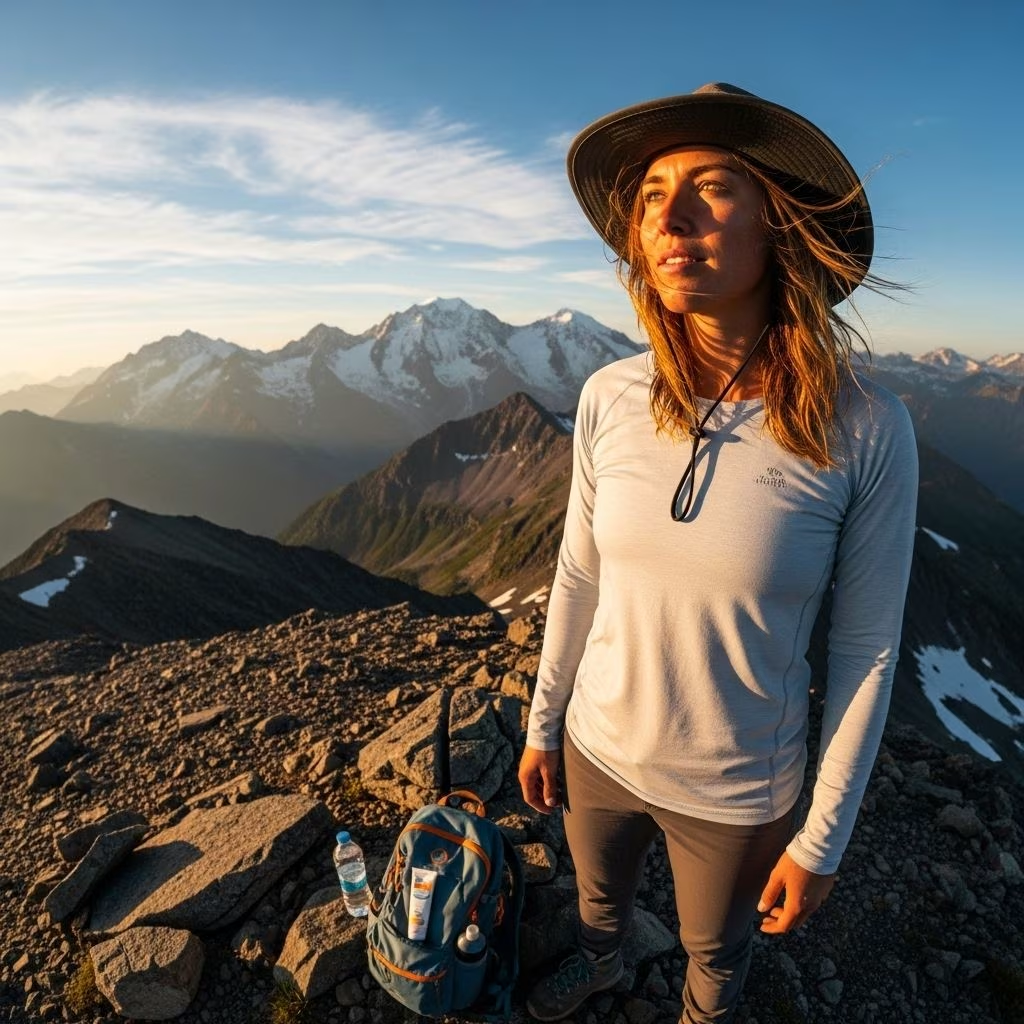
Introduction to High-Altitude Skincare
High-altitude environments offer breathtaking views and invigorating experiences, but they also pose unique challenges for the skin. The combination of dry air, intense UV radiation, and lower atmospheric pressure can lead to issues such as xerosis (dry skin) and increased UV risk, contributing to premature aging and skin damage. Understanding these challenges is crucial for developing effective skincare strategies.
Understanding High-Altitude Skin Issues
When you ascend to higher altitudes, several factors contribute to skin challenges:
- Lower Humidity: The air at high altitudes has lower humidity, which accelerates moisture loss from the skin, leading to dehydration and dryness.
- Increased UV Exposure: For every 1,000 feet above sea level, UV exposure increases by about 10%, enhancing the risk of sunburn, premature aging, and skin cancer.
- Lower Atmospheric Pressure: This condition affects the skin’s ability to breathe and function optimally, exacerbating dryness and irritation.
Xerosis and UV Risk at High Altitudes
Xerosis, or dry skin, is a common issue in high-altitude environments. The lack of moisture in the air causes the skin to lose its natural barrier function, leading to dryness, itchiness, and sometimes even cracks. Additionally, the increased UV exposure can cause sunspots, melasma, and other forms of hyperpigmentation, further complicating skin health.
Combating Xerosis
To manage xerosis at high altitudes, consider these strategies:
- Rich Moisturizers: Use thick, nourishing creams or ointments to lock in moisture and protect the skin’s barrier.
- Hydration from Within: Drink plenty of water to ensure your skin is hydrated from the inside out.
- Layering Products: Employ a layering system of products, including moisturizers, serums, and hydrating mists, to trap moisture and protect the skin.
Managing UV Risk
Protecting your skin from UV damage is essential at high altitudes. Here are some key practices:
- Broad-Spectrum Sunscreen: Use a broad-spectrum sunscreen with a high SPF and reapply frequently, especially after sweating or exposure to water.
- Protective Clothing: Wear protective clothing, including hats and long-sleeved shirts, to shield your skin from direct sunlight.
- Seek Shade: Whenever possible, seek shade to reduce direct UV exposure.
Advanced Skincare Strategies
Beyond basic moisturizing and sun protection, there are advanced skincare treatments that can help combat high-altitude skin issues:
- IPL (Intense Pulsed Light): This treatment targets pigmentation issues and stimulates collagen production, helping to mitigate the effects of UV damage.
- Microdroplet Hyaluronic Acid Injections: These injections provide long-lasting hydration from within, improving skin texture and glow.
- Antioxidant-Rich Products: Use products rich in antioxidants, such as ferulic acid and resveratrol, to combat oxidative stress and protect the skin.
Table of Contents
- Understanding High-Altitude Skin Issues
- Xerosis and UV Risk at High Altitudes
- Advanced Skincare Strategies
- Frequently Asked Questions (FAQs)
Frequently Asked Questions (FAQs)
Q: Why does my skin feel drier at high altitudes?
A: High altitudes have lower humidity, which causes the skin to lose moisture quickly, leading to dryness and dehydration.
Q: How can I protect my skin from UV damage at high altitudes?
A: Use broad-spectrum sunscreen, wear protective clothing, and seek shade whenever possible to minimize UV exposure.
Q: What are some effective moisturizers for high-altitude skin?
A: Look for rich, nourishing creams or ointments that are designed to lock in moisture and protect the skin’s barrier function.
References
- https://theskincompany.com/colorado-altitude-speeds-up-wrinkle-formation/
- https://pourmoiskincare.com/blogs/beautyforecast/high-elevation-skin-care-how-to-help-your-skin-thrive-in-high-altitudes
- https://www.clinikally.com/blogs/news/thriving-skin-at-high-altitudes-conquering-the-mountain-glow
- https://www.skinelite.com/blog/skincare-for-different-altitudes-a-highflying-guide-to-glowing-skin/
- https://spabellamedispa.com/2024/08/16/combating-elevation-effects-on-your-skin/
- https://pmc.ncbi.nlm.nih.gov/articles/PMC5286755/
- https://thealpinistas.com/blog/dont-stress-the-dryness-high-altitude-skin-help-is-here-e18072/
- https://www.telluridefacials.com/blogs/news/the-ultimate-guide-to-skincare-in-high-altitude-environments
- https://vasuskinsolutions.com/understanding-skin-hyperpigmentation-at-high-altitudes/


