


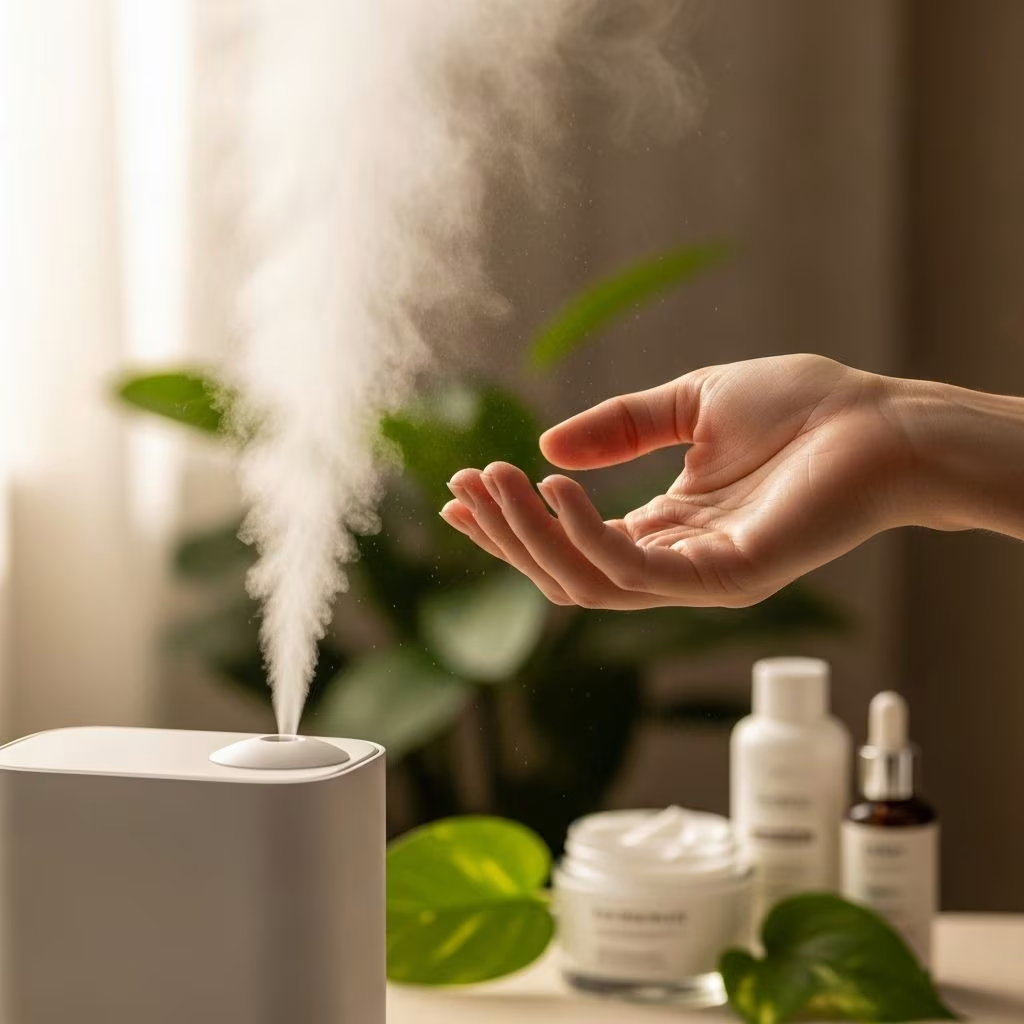
Forced air heating is a popular and efficient method of warming homes, yet it comes with significant drawbacks for indoor air quality and skin health. Among the most common complaints during the colder months is skin dryness, often exacerbated by low indoor humidity levels when heaters run for extended periods. This comprehensive guide explores the science behind skin dryness in forced-air environments, how humidifiers can help, what to look for in a device, key health precautions, and strategies for optimizing indoor comfort.
Why Does Skin Dry Out With Forced Air Heating?
Forced air heating systems work by circulating heated air throughout a building. While effective at raising room temperatures, these systems tend to significantly decrease indoor humidity—especially during winter when outdoor air is cold and dry. As a result, the air inside often has relative humidity levels below the recommended range of 30% to 50%.
- Low Relative Humidity: Warm air from forced heating holds less moisture, causing indoor humidity to plummet.
- Moisture Loss from Skin: Dry air pulls water from the upper layers of the skin (the epidermis), weakening the skin’s natural barrier and intensifying sensations of tightness, flakiness, and itchiness.
- Increased Transepidermal Water Loss: The process by which water evaporates from the skin’s surface increases in low-humidity conditions, promoting roughness and irritation.
Such conditions can cause or worsen:
- Flaking and scaling
- Cracks and fissures
- Irritation and redness
- Aggravation of eczema or psoriasis flare-ups
- Chapped lips
- Nosebleeds and irritated eyes
The Role of Humidification in Skin Health
Proper skin hydration relies heavily on the ambient humidity in your living space. Humidifiers act by returning moisture to the air, counterbalancing the drying effects of forced air systems.
- Skin Barrier Integrity: Adding humidity keeps the stratum corneum (the outermost layer of skin) intact, boosting its defense against environmental irritants.
- Water Retention: Well-humidified air prevents excessive loss of water, maintaining elasticity and softness in the skin.
- Comfort: Balanced humidity alleviates dryness in the eyes, throat, and nasal passages, with secondary benefits for overall comfort and well-being.
How Humidifiers Work
- Evaporative (Cool Mist): Use a wick filter and fan to disperse cool, invisible mist into the air.
- Ultrasonic: Use high-frequency vibrations to create a fine cool mist; these units tend to be quieter and energy efficient.
- Warm Mist (Steam Vaporizers): Boil water to produce steam; generally more effective at reducing pathogens but use more energy and can be hot to the touch.
- Hybrid/Whole House: Larger systems are integrated into HVAC units to regulate humidity throughout an entire building.
Benefits of Humidifiers for Skin Dryness
Installing or using a humidifier in a forced-air heated environment delivers a range of tangible improvements for the skin, including:
- Hydration: Restores and maintains skin moisture, preventing the development of dryness, tightness, and discomfort.
- Enhanced Barrier Function: Sufficient moisture supports the protective outer layer of skin, reducing the risk of environmental damage and infection.
- Calming Irritated Skin: Humid air alleviates redness, itching, and sensitivity—especially beneficial for those with eczema or psoriasis.
- Anti-Aging: Supports natural plumpness and reduces the appearance of fine lines caused by dehydration.
- Sleep Quality: Humidifiers running at night can reduce disruptions related to itchy or tight skin, dry nasal passages, and snoring.
Additional General Health Benefits
- Ease of breathing, lowered risk of respiratory discomfort
- Minimized occurrence of nosebleeds
- Prevention of dry eyes and reduction of eye irritation
- Soothing sore throats and reducing coughing
- White noise for sound sleep (certain models)
Choosing the Right Humidifier
With numerous humidifier options available, selecting a model that best suits your needs—and the specifics of your forced-air heated home—is crucial. Key factors to consider:
- Room Size: Match your humidifier’s output to the square footage of the room for effective moisture control.
- Type: Cool mist or ultrasonic units are generally safest for children and pets. Warm mist models may be ideal for extra germ control but should be placed out of reach of children.
- Ease of Cleaning: Units that are easy to disassemble and clean help prevent mold or bacterial buildup.
- Humidity Controls: Look for models with built-in hygrostats to maintain optimal humidity (ideally between 30% and 50%).
- Noise Level: Consider devices that are quiet, especially for bedrooms or nurseries.
For those who heat entire homes with forced air systems, whole-house humidifiers integrated with the HVAC system may be a worthwhile investment.
| Type | Pros | Cons |
|---|---|---|
| Evaporative (Cool Mist) | Inexpensive, self-regulating, safe for kids | Louder, filters need regular replacement |
| Ultrasonic | Quiet, energy efficient, versatile sizes | Possible white dust if hard water used, needs frequent cleaning |
| Warm Mist | Germ-reducing, effective for small rooms | Risk of burns, higher energy use |
| Hybrid/Whole House | Low maintenance, whole-home coverage, highly efficient | Higher upfront cost, installation needed |
Optimizing Humidifier Use for Maximum Skin Benefit
To achieve the greatest benefit for your skin and overall comfort, follow these best practices:
- Maintain Ideal Humidity: The target range is 30%–50% relative humidity. Levels above 60% may encourage mold and dust mites.
- Close Doors and Windows: Prevents moist air from escaping and enhances the device’s effectiveness in a single room.
- Use Distilled Water: Decreases mineral residue and white dust, especially important with ultrasonic models.
- Regular Cleaning: Clean daily or as directed by the manufacturer to avoid mold, bacteria, and biofilm buildup.
- Monitor for Over-Humidification: Excessive moisture can promote allergies and respiratory complaints by fostering mold growth.
- Combine With Other Skin-Care Strategies:
- Apply thick, fragrance-free moisturizers after bathing and before bed.
- Shorten showers and use warm—not hot—water to avoid depleting skin oils.
- Avoid harsh soaps and opt for mild, hydrating cleansers.
Risks and Maintenance Tips
While humidifiers deliver undeniable advantages for skin health, improper use can introduce risks:
- Mold and Bacterial Growth: Stagnant water or uncleaned tanks can breed microbes, which are then dispersed into the air, potentially triggering respiratory problems.
- Over-Humidification: Prolonged humidity above 60% can lead to condensation, mold, and increased dust mite populations.
- Water Quality Issues: Tap water—especially if hard—can leave mineral deposits and create white dust.
Maintenance Checklist
- Empty, rinse, and dry the water tank daily.
- Deep clean with a diluted vinegar solution or manufacturer-approved disinfectant weekly.
- Replace filters and accessories as recommended.
- Use distilled or demineralized water.
Practical Recommendations
- Run a humidifier in the bedroom overnight for maximum effect during sleep, the most critical time for skin recovery.
- Use a hygrometer to measure and maintain appropriate humidity levels year-round.
- If skin remains excessively dry, consider consulting a dermatologist for tailored interventions.
- Pair humidification with regular moisturizing and gentle skin-care routines for cumulative benefits.
- Replace portable humidifiers every few years as mineral and microbial buildup accumulates over time.
Frequently Asked Questions (FAQs)
Q: Why is my skin so dry in winter even though I use moisturizer?
A: Forced air heating drastically reduces indoor humidity, causing transepidermal water loss that moisturizers alone can’t fully offset. Adding a humidifier returns moisture to the air, helping your moisturizer work more effectively and restoring skin comfort.
Q: Is it safe to use a humidifier every night?
A: Yes, as long as you clean the device regularly, use the correct water type, and avoid over-humidification. Following maintenance instructions prevents mold and bacterial buildup.
Q: What should indoor humidity be for optimal skin and health?
A: Experts recommend 30%–50% relative humidity for skin comfort, health, and prevention of mold.
Q: Do all humidifiers benefit skin equally?
A: The most critical factor is the ability to maintain steady humidity within the ideal range. All humidifiers, when used correctly, boost skin hydration; however, evaporative and ultrasonic models are more popular for daily household use.
Q: Are there risks to using humidifiers in homes with forced air heating?
A: If not properly maintained, humidifiers can harbor bacteria and mold, potentially causing respiratory issues. Cleaning and using distilled water mitigate these risks.
Q: Can humidifiers help other skin conditions?
A: Yes. Individuals with eczema, psoriasis, allergic dermatitis, and sensitive skin often see reduced flare-ups and irritation when consistent indoor humidity is achieved.
Humidifiers are an essential tool for anyone living with forced air heat, helping to restore comfort, prevent skin dryness, and create a healthier home environment during dry months.
References
- https://crane-usa.com/the-benefits-of-humidifiers-for-skin/
- https://www.olanskydermatology.com/are-humidifiers-good-for-your-skin/
- https://www.sleepfoundation.org/bedroom-environment/benefits-of-a-humidifier-while-sleeping
- https://www.piedmont.org/living-real-change/humidifiers-help-take-the-bite-out-of-winter
- https://www.mayoclinic.org/diseases-conditions/common-cold/in-depth/humidifiers/art-20048021
- https://www.healthline.com/health/humidifiers-and-health


