


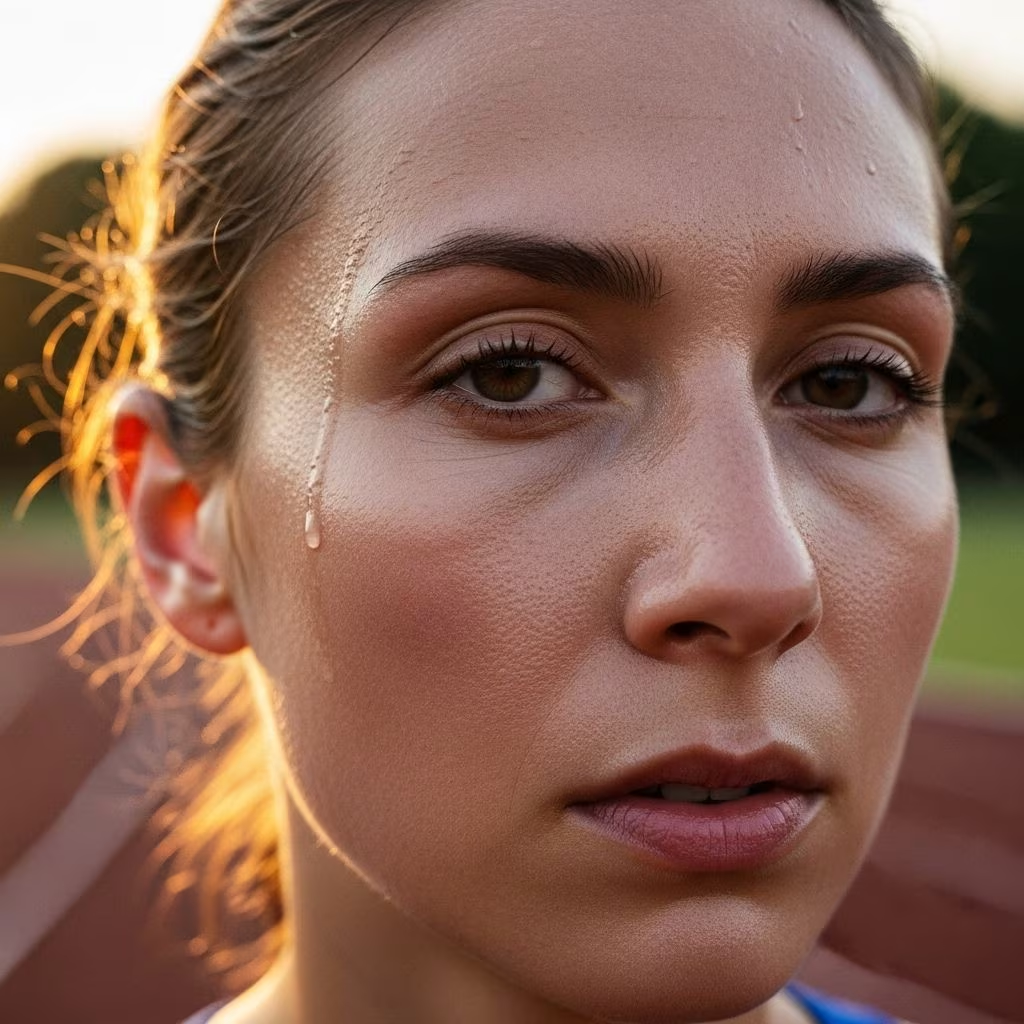
Endurance running is a test of physical and mental limits, but it’s also a formidable challenge for your skin. From hours of sun exposure and constant sweating to friction and environmental irritants, marathoners subject their skin barrier to intense stress. This comprehensive guide explains why marathons impact your skin, how to repair and strengthen the skin barrier post-race, and which products and routines offer the fastest path to recovery.
Why Marathons Hurt Your Skin: The Science of Skin Barrier Stress
During a marathon or any prolonged cardio event, your skin barrier undergoes extreme stress due to several overlapping factors:
- Prolonged Sun Exposure: UV rays can damage skin cells, disrupt the skin’s barrier function, and accelerate water loss.
- Excessive Sweating: Sweat alters the skin’s pH and strips away natural oils, soon resulting in a compromised barrier and higher risk of irritation.
- Friction and Chafing: Constant rubbing from clothes or skin-to-skin contact breaks down the protective layer, leading to painful red patches or even open wounds.
- Environmental Exposure: Urban pollutants, dust, and dirt accumulate on moist, vulnerable skin, further impairing function.
- Dehydration: Both internal and external dehydration reduce the skin’s resilience and slow the repair of microtears and abrasions.
Together, these factors leave marathoners’ skin vulnerable to cracks, inflammation, infections, and premature aging if not properly managed after the event.
Top Skin Problems Runners Face
- Chafing: Most commonly occurs on the thighs, underarms, nipples, and feet, triggered by repetitive friction.
- Sunburn and Hyperpigmentation: Extended outdoor activities leave skin exposed to UV damage, which accelerates aging and may cause spots or discoloration.
- Dryness and Peeling: Excessive sweating followed by dehydration strips skin’s natural moisture barrier, leading to flakiness and redness.
- Clogged Pores and Breakouts: Sweat, sunscreen, and pollution mix to clog pores, raising the risk of acne and irritation, especially if not cleansed promptly.
- Blisters and Calluses: Repeated pressure and rubbing create blisters on feet, especially when moisture barriers fail or socks bunch up.
Immediate Post-Race Skincare Routine
Within the first hour after a marathon, your skin’s needs are urgent. Early intervention speeds repair and reduces lasting damage.
Step 1: Gentle Cleansing
Prioritize removing sweat, salt, sunscreen, and pollutants promptly with a non-stripping, hydrating cleanser. Avoid harsh soaps or scrubs that could further irritate already sensitive skin. Shun excessively cold water; use cool or lukewarm water to rinse away debris and buildup.
Step 2: Rehydrate Inside and Out
- Drink electrolyte-rich fluids and water immediately after the race to restore internal balance.
- Apply a hyaluronic acid serum for fast moisture replenishment.
- Seal in hydration with a ceramide-rich moisturizer to rebuild the barrier and reduce water loss.
Step 3: Treat Chafed and Red Areas
- Apply healing ointments (containing panthenol, zinc oxide, or petrolatum) to chafed regions.
- Avoid fragranced lotions and alcohol-based products on irritated skin.
- Soothe sun-exposed areas with aloe vera gel or lightweight, fragrance-free lotions to calm redness.
Step 4: Cleanse Your Body, Too
For the rest of your body, consider:
- Salicylic acid body washes to clear deep-seated sweat and debris from pores.
- Aloe vera or cucumber-infused washes for sun-exposed, overheated skin.
The 24–48 Hours After: Recovery Essentials
Skin recovery continues beyond the first hours post-race. The following steps are critical for the next two days:
1. Intensive Hydration Treatments
Hydrating sheet masks with ingredients like aloe vera, niacinamide, or cica deliver intense moisture whilst calming inflammation.
2. Antioxidant Boost
- Apply a vitamin C serum to support collagen synthesis, brighten dull skin, and repair free-radical damage caused by sun and wind.
- Consider adding a lightweight antioxidant serum (containing vitamin E or green tea extract) to protect against lingering oxidative stress.
3. Gentle Exfoliation (After 24 Hours)
If your skin is not cracked or severely irritated, use a mild chemical exfoliant such as polyhydroxy acids (PHA) rather than rough scrubs. This removes dead skin cells, optimizes absorption of serums, and accelerates repair—but only after the skin is no longer inflamed.
Marathon Recovery Skincare for the Week After
The skin remains in a vulnerable, repair-focused state for up to a week post-marathon. A restorative approach is best:
- Peptide-rich serums: Support natural healing processes and promote regeneration.
- Growth factors & cica (centella asiatica): Encourage cell repair, reduce redness, and support rebuilding of barrier function.
- Avoid overuse of actives: Steer clear of aggressive treatments (retinoids, strong acids) until your skin returns to normal comfort.
- Sun protection vigilance: Continued use of broad-spectrum, water-resistant SPF is critical as the new skin is extra susceptible to UV.
Routine Example (Days 3–7):
- AM: Hydrating serum → Barrier-repair moisturizer → Broad-spectrum SPF 50+
- PM: Gentle cleanse → Peptide serum → Night cream rich in ceramides/lipids
- As needed: Spot-treat lingering chafing or irritation with ointments; use sheet masks 2–3 times per week
Key Ingredients for Skin Barrier Repair
| Ingredient | Function | Best For |
|---|---|---|
| Hyaluronic Acid | Draws water into the skin, boosting hydration | All skin types, especially dehydrated skin |
| Ceramides | Reinforces skin’s lipid barrier to prevent moisture loss | Very dry, sensitive, or barrier-impaired skin |
| Panthenol (Vitamin B5) | Promotes healing, soothes irritation | Chafed, irritated, inflamed skin |
| Niacinamide | Reduces inflammation, restores even tone | Post-inflammatory redness or sensitivity |
| Centella Asiatica (Cica) | Speeds barrier recovery, calms inflammation | Stressed, sensitized, or post-sun skin |
| Vitamin C | Antioxidant, promotes collagen production | Sun damage, dullness, post-marathon recovery |
| Zinc oxide or Petrolatum | Protects, occludes, and supports healing | Chafed, open abrasions, or cracked skin |
Anti-Chafing Strategies and Lube Selection
Preventing and treating chafing is a cornerstone of marathon skincare. Here’s how to reduce pain and speed healing:
- Pre-Race: Apply anti-chafing balms or sticks on high-friction areas (inner thighs, feet, underarms, nipples).
- Choose balms with beeswax for a long-lasting, durable barrier; shea butter hydrates and soothes.
- Wear moisture-wicking, seamless clothing and well-fitted socks to deter rubbing and moisture retention.
- During the race: Carry travel-sized anti-chafing balms for mid-race touch-ups.
- Post-race: Gently clean the affected area, then use zinc oxide ointments or fragrance-free barrier creams to assist healing.
Frequently Asked Questions (FAQs)
Q: Why does my skin feel so tight and dry after long runs?
A: Prolonged sweating and exposure strips the natural oils that seal moisture into your skin, resulting in dryness, tightness, and increased sensitivity.
Q: How soon should I shower after a marathon?
A: As soon as possible—ideally within 30–60 minutes—to remove sweat, salt, and pollutants and minimize pore congestion and irritation.
Q: Is it safe to exfoliate my skin after racing a marathon?
A: Wait at least 24 hours and opt for gentle chemical exfoliation (like PHAs), provided your skin is not broken or raw. Avoid physical scrubbing until your skin is no longer sensitive or inflamed.
Q: How often should I reapply sunscreen during a marathon?
A: Every two hours, or more often if sweating heavily. Use a high-SPF (50+), sweat-resistant, broad-spectrum sunscreen.
Q: What should I use on blisters or cracked skin post-race?
A: Clean gently, then cover with hydrocolloid bandages or a zinc oxide ointment. Avoid popping blisters, and keep the area moisturized and protected.
Final Thoughts
Your skin is your body’s first line of defense, but after grueling cardio events like marathons, it needs specific attention and advanced barrier repair protocols. By following evidence-based skincare routines, choosing barrier-repairing ingredients, applying vigilant sun protection, and treating chafed or damaged areas with care, you’ll recover faster and reduce your risk of long-term irritation, hyperpigmentation, and sensitivity. A dedicated marathon skincare routine makes for healthier skin—and a stronger athlete.
References
- https://www.beautypro.com/blogs/beauty-blog/beyond-the-finish-line-your-marathon-recovery-skincare-guide
- https://bulletandbone.com/blogs/news/top-5-skincare-problems-runners-face-and-how-to-solve-them
- https://sbcskincare.co.uk/blogs/news/post-marathon-recovery-products-for-runners
- https://www.runnersworld.com/gear/g37340104/best-anti-chafing-stick/
- https://run.outsideonline.com/nutrition-and-health/general-health/why-runners-are-at-risk-for-skin-damage/
- https://1hourafter.com/blogs/news/salve-vs-balm-best-choice-for-athletes-runners
- https://vibrantdermatology.com/marathon-skin-care/
- https://www.runnersworld.com/health-injuries/a20804421/how-to-prevent-treat-chafing/
- https://elemntlife.com/pages/skincare-guide-for-runners


