


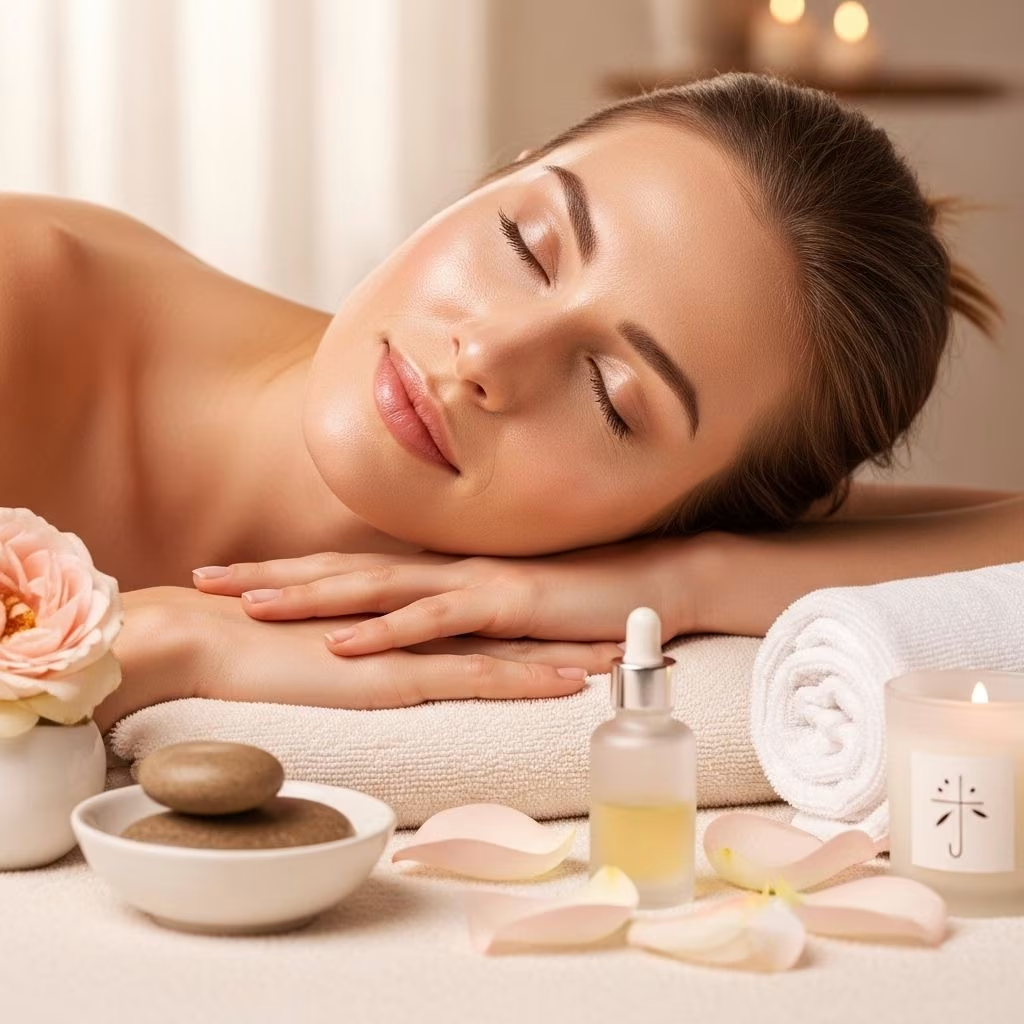
Healthy, glowing skin begins far beneath the surface. While skin care products and routines focus on topical solutions, a mounting body of research confirms that mental well-being and stress management are key to achieving and maintaining a radiant complexion. This comprehensive guide explores the dynamic relationship between stress and skin, highlighting expert-backed relaxation techniques and lifestyle adjustments to help you unlock your healthiest skin yet.
The Science: Skin and Stress—A Powerful Connection
Your skin is more than a barrier: it’s an active organ deeply connected to your mind and body. Scientists refer to this relationship as the brain-skin axis, an intricate system linking psychological stress to skin health . When you experience stress, your brain triggers the release of hormones like cortisol and catecholamines through the hypothalamus-pituitary-adrenal (HPA) axis. The skin’s receptors for these hormones react with several noticeable effects :
- Increased inflammation: Triggers flare-ups of existing skin conditions and heightens sensitivity.
- Elevated oil production: Leads to shiny skin, clogged pores, and acne eruptions .
- Weakened skin barrier: Results in dryness, irritation, and a higher risk of infection .
- Impaired wound healing: Slows the natural repair of blemishes and minor injuries .
- Greater sensitivity to environmental stressors: Sun, pollution, and other irritants have a more pronounced effect .
The skin doesn’t just respond to stress—it can signal stress to the brain, perpetuating a cycle in which skin flare-ups and psychological tension feed into each other .
Stress-Induced Skin Conditions: Breaking the Cycle
Anyone who’s noticed a new breakout before a big event or felt itchy skin during anxious moments has experienced the powerful skin-stress link. Chronic stress contributes to or exacerbates a range of dermatological issues, including:
| Skin Condition | Stress Impact | Key Symptoms |
|---|---|---|
| Acne | Increased cortisol stimulates sebaceous glands, causing excess oil and clogged pores. | Breakouts (whiteheads, blackheads, cysts), redness, oily skin. Often appears on forehead & jawline . |
| Psoriasis | Triggers immune response, increasing skin cell production and inflammation. | Scaly, red plaques usually on scalp, elbows, or knees; worsens with prolonged stress . |
| Eczema (Atopic Dermatitis) | Flare-ups sparked by heightened inflammatory markers and skin barrier disruption. | Itchy, red, and dry patches, often on hands and limbs . |
| Rosacea | Vascular dilation and inflammation increase during stress. | Facial flushing, persistent redness, and sensitive skin . |
| Hives & Rashes | Release of histamines and immune dysregulation bring about sudden skin reactions. | Itchy, raised welts or widespread rashes . |
| Hair Loss | Stress disrupts normal hair cycle, leading to shedding or thinning. | Patchy or diffuse hair loss (alopecia), brittle hair . |
Why Stress Can Cause a Vicious Skin Cycle
Suffering from visible skin problems can itself increase psychological stress, triggering a feedback loop. Increased anxiety worsens skin inflammation, sensitivity, and delayed healing, making it crucial to address both physiological and emotional causes for long-lasting results .
Why Relaxation Techniques Benefit Your Skin
Relaxation practices are powerful not only for mental health but also for restoring skin homeostasis. Here’s how calming your mind translates to a healthier complexion:
- Lowers cortisol production, reducing oiliness and breakouts.
- Regulates immune and inflammatory responses, calming redness and irritation .
- Restores skin barrier function for better moisture retention and protection.
- Accelerates wound healing, helping to fade blemishes and repair micro-injuries .
- Improves sleep quality, which facilitates overnight skin repair and renewal.
Top Relaxation Techniques for Healthier Skin
Incorporate these proven mind-body practices into your routine to help balance stress hormones and restore healthy skin from within.
1. Mindful Breathing and Meditation
Mindfulness meditation helps shift your mental state from the stress-driven “fight or flight” mode into a restorative, healing state. Research links regular meditation to lower cortisol levels, reduced inflammation, and overall skin health improvement . Start with:
- Sit comfortably, close your eyes, and focus on gentle, slow breaths for 5–10 minutes.
- When your mind wanders, bring attention back to your breath or a calming phrase (“peace,” “relax”).
- Practice daily, gradually extending your meditation time.
2. Progressive Muscle Relaxation
This technique involves tightening and relaxing each muscle group in sequence, helping to release physical tension and promote deep relaxation. Physical relaxation can reduce cortisol, decreasing inflammation and improving overall complexion.
- Work from toes to head, consciously clenching each muscle group for 5 seconds before releasing.
- Use guided recordings or slow audio instructions for best results.
3. Yoga and Stretching
Yoga combines gentle movement, breathing, and mindfulness, making it one of the most effective full-body relaxation practices. Studies show regular yoga practice helps reduce systemic inflammation, enhances sleep, and balances hormone levels—all of which support clear, resilient skin.
- Even 10–20 minutes of gentle yoga or stretching can yield visible results.
- Popular poses for stress reduction include Child’s Pose, Cat-Cow, and Legs-Up-the-Wall.
4. Physical Activity and Exercise
Regular physical activity is a natural mood booster and stress reliever. Exercise lowers cortisol, increases blood flow to the skin, and supports detoxification and cell turnover . Try:
- Daily brisk walks, jogging, cycling, swimming, or dance.
- At least 30 minutes of moderate activity most days of the week for optimal benefit.
5. Deep Sleep Hygiene
Quality sleep is essential for skin repair, immune regulation, and collagen renewal. Stress can disrupt sleep cycles, while relaxation routines—meditation, gentle stretching, a warm bath—can enhance sleep quality and noticeably benefit your skin.
- Establish a calming evening routine, limit screens before bed, and aim for 7–8 hours of sleep nightly .
6. Visualization and Guided Imagery
Visualization exercises—imagining serene or safe places—can induce a deep relaxation response, lowering heart rate and cortisol production. Try listening to guided imagery tracks or simply picturing calm, positive scenes for several minutes daily.
7. Setting Boundaries and Saying No
Chronic overcommitment is a major source of ongoing stress. Learning to set reasonable boundaries in relationships or work, and giving yourself permission to say “no,” is a powerful relaxation tool in itself .
Healthy Habits and Daily Rituals for Stress-Free Skin
Beyond structured relaxation exercises, your daily habits also play a crucial role in managing stress for optimal skin health. Consider these science-backed rituals:
- Maintain a consistent, gentle skin care routine, even during busy or emotionally taxing times. Avoid harsh scrubs and over-washing, which can compromise the skin barrier .
- Eat a balanced diet rich in antioxidants and omega-3 fatty acids—think leafy greens, berries, nuts, and fatty fish—which support the body’s fight against inflammation and free radicals.
- Avoid excessive caffeine, sugar, and alcohol, which can exacerbate stress and skin conditions.
- Limit sun, pollution, and harsh chemical exposure to prevent the skin from triggering further stress signals .
- Connect socially, whether with supportive friends, family, or therapy. Emotional support helps buffer the effects of stress on both mind and skin .
- Schedule 10 minutes daily for something you love—reading, music, hobbies, or a warm bath—to regularly recharge and relax.
The combination of these habits and mind-body relaxation practices fosters resilience, protects your skin from stressors, and supports a long-term healthy glow.
Frequently Asked Questions (FAQs)
Q: Can stress really cause new skin problems to develop?
A: Yes. High or chronic stress can trigger new skin issues such as acne, hives, or eczema, particularly in people with a genetic predisposition or a history of sensitive skin .
Q: How quickly can relaxation techniques improve my skin?
A: Results vary by individual and severity, but many people notice calmer, less irritated skin within two to four weeks of consistent stress management and self-care routines.
Q: Are there medical treatments to complement relaxation for stress-related skin problems?
A: Yes. Consult a dermatologist if your stress-related skin conditions are persistent or severe. Prescription treatments, medicated creams, and phototherapy can complement lifestyle and relaxation practices for optimal results .
Q: What are signs that my skin issues are stress-related rather than from allergies or other causes?
A: Stress-induced flare-ups often coincide with emotional triggers and can be more widespread or resistant to usual treatments. Patterns of symptoms appearing during exams, work deadlines, or personal upheavals suggest a strong stress component .
Q: Can children and teens use relaxation techniques for better skin?
A: Absolutely. Kids and teens benefit from mindfulness, exercise, and routine sleep just like adults. Early stress management can help prevent chronic skin issues and support positive mental health.
Takeaway
Optimal skin health depends on a balanced intersection of dermatological care, lifestyle habits, and relaxation techniques. By managing stress proactively, you can reduce inflammation, accelerate healing, and achieve a visibly healthier, more vibrant complexion. Start small—choose one or two new practices from this guide—and watch your skin transform.
References
- https://dermatologyseattle.com/how-stress-affects-your-skin-expert-dermatologist-advice-and-solutions/
- https://healthcare.utah.edu/healthfeed/2024/01/stressed-out-skin-link-between-stress-and-skin-health
- https://www.health.harvard.edu/blog/stress-may-be-getting-to-your-skin-but-its-not-a-one-way-street-2021041422334
- https://www.webmd.com/beauty/the-effects-of-stress-on-your-skin
- https://www.aad.org/news/stress-shows-in-skin-hair-nails
- https://pmc.ncbi.nlm.nih.gov/articles/PMC8480446/
- https://www.apderm.com/blog/the-skin-stress-connection/
- https://columbiaskinclinic.com/skin-care/how-stress-affects-your-skin/
- https://pmc.ncbi.nlm.nih.gov/articles/PMC4082169/


