


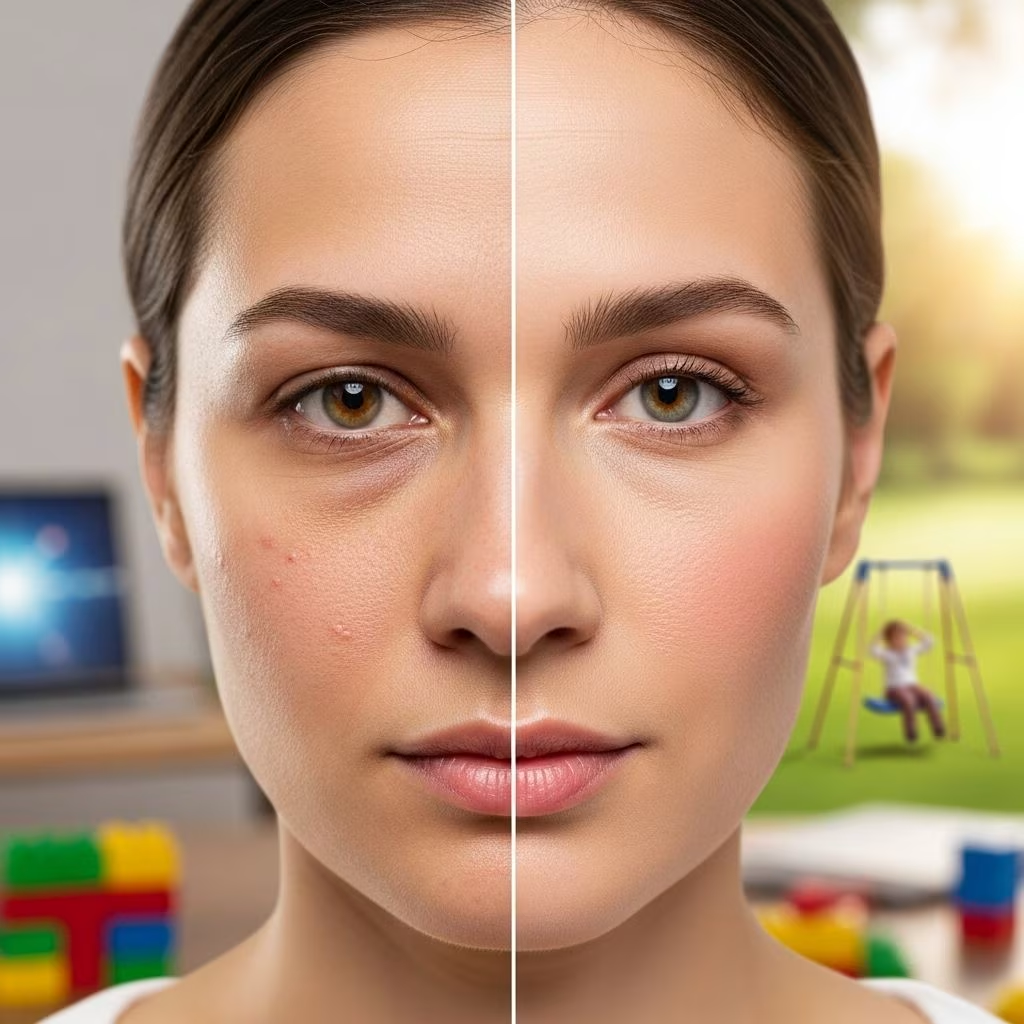
In our modern, productivity-obsessed culture, play has become something we associate exclusively with childhood—a frivolous activity that adults have little time or justification for. However, emerging research reveals a troubling connection between play deprivation in adults and various health concerns, including an often-overlooked consequence: chronic skin conditions. The relationship between insufficient play, elevated stress levels, and persistent dermatological issues represents a critical yet underexplored area of adult health.
The human body functions as an interconnected system where psychological well-being directly influences physical health. When adults neglect play—those voluntary, naturally motivated, and pleasurable activities that bring joy and relaxation—they deprive themselves of a fundamental stress-reduction mechanism. This deprivation triggers a cascade of physiological responses that can manifest in various ways, with the skin often serving as a visible indicator of internal distress.
Understanding Play Deprivation in Adults
Play deprivation occurs when adults systematically exclude playful activities from their lives, prioritizing work, obligations, and responsibilities above all else. Modern society has created an environment where more than 60% of adults fail to engage in sufficient physical activity, and many report feeling chronically stressed and disconnected from sources of joy. This absence of play represents more than just a scheduling issue—it reflects a fundamental imbalance in how we approach well-being.
Adults who experience play deprivation often report feeling stuck in monotonous routines, experiencing diminished creativity, and struggling with persistent stress. Without regular opportunities for playful engagement, adults remain in a steady state of fear response, with cortisol levels elevated and stress management capabilities compromised. Research indicates that an absence of play during adolescence and adulthood creates vulnerability to developing behavioral issues, depression, and anxiety.
The consequences of play deprivation extend beyond mental health. Physical manifestations emerge as the body attempts to process chronic stress without adequate relief mechanisms. The skin, being the body’s largest organ and a primary interface between internal states and external environment, becomes particularly susceptible to these stress-related impacts.
The Stress-Skin Connection
The relationship between psychological stress and skin health has been extensively documented in dermatological research. When the body experiences chronic stress—a common consequence of play deprivation—it triggers a complex series of hormonal and immune responses that directly affect skin integrity and function.
Cortisol, the primary stress hormone, plays a central role in this connection. Elevated cortisol levels, which persist when adults lack adequate stress-relief mechanisms like play, can impair the skin’s barrier function, reduce its ability to retain moisture, and slow healing processes. This hormonal imbalance creates an environment where skin becomes more vulnerable to inflammation, irritation, and chronic conditions.
Studies have shown that playful activities positively impact the brain, triggering the release of endorphins while simultaneously reducing cortisol levels and fostering relaxation. When adults deprive themselves of these beneficial activities, they miss out on this natural stress-reduction mechanism, leaving their bodies—and their skin—in a perpetual state of heightened alert.
Common Chronic Skin Conditions Linked to Stress
Several chronic skin conditions demonstrate clear connections to stress levels and, by extension, to play deprivation. Understanding these conditions helps illuminate why addressing play deficits may offer therapeutic benefits for dermatological health.
Eczema and Atopic Dermatitis: These inflammatory skin conditions often flare during periods of high stress. The immune system dysregulation associated with chronic stress can trigger or worsen eczema symptoms, creating cycles of itching, inflammation, and compromised skin barrier function. Adults experiencing play deprivation may find their eczema becomes increasingly difficult to manage as stress compounds without adequate relief.
Psoriasis: This autoimmune condition, characterized by rapid skin cell turnover and inflammatory plaques, shows strong correlations with stress levels. The chronic inflammation associated with play deprivation and elevated cortisol can trigger psoriasis flares and make existing symptoms more severe. The condition itself then becomes a source of additional stress, creating a self-perpetuating cycle.
Acne and Adult-Onset Acne: While typically associated with adolescence, acne increasingly affects adults, particularly those experiencing chronic stress. Elevated cortisol stimulates sebaceous glands, increases oil production, and promotes inflammation—all factors contributing to acne development. Adults lacking playful stress-relief outlets may notice persistent or worsening acne despite proper skincare routines.
Rosacea: This chronic inflammatory condition causes facial redness, visible blood vessels, and sometimes acne-like bumps. Stress is a well-documented trigger for rosacea flares. The absence of play and the resulting chronic stress state can make rosacea management particularly challenging.
Urticaria (Chronic Hives): Stress-induced hives represent a direct manifestation of the mind-skin connection. When the body’s stress response remains chronically activated due to play deprivation, some individuals develop recurrent hives that prove resistant to conventional treatments.
Physiological Mechanisms Connecting Play Deprivation and Skin Health
Understanding the biological pathways through which play deprivation affects skin health provides insight into why this connection matters and how interventions might work.
Cortisol and Inflammation: Chronic elevation of cortisol, occurring when adults lack adequate stress-management tools like play, promotes systemic inflammation throughout the body. This inflammatory state affects skin health through multiple mechanisms: it disrupts the skin barrier, impairs wound healing, exacerbates existing inflammatory conditions, and increases susceptibility to infections. Play activities naturally reduce cortisol levels, offering a biological pathway to improved skin health.
Immune System Dysfunction: Play deprivation contributes to immune system dysregulation. The skin houses numerous immune cells that protect against pathogens and maintain tissue health. When chronic stress compromises immune function, the skin becomes more vulnerable to infections, inflammatory responses, and autoimmune reactions. Regular play supports healthy immune function, helping maintain the delicate balance required for optimal skin health.
Oxidative Stress: Chronic psychological stress increases production of free radicals and reactive oxygen species, which damage cellular structures including skin cells. This oxidative stress accelerates skin aging, impairs healing, and contributes to inflammatory skin conditions. Play activities, particularly those involving physical movement and social connection, help mitigate oxidative stress through various mechanisms including improved circulation and enhanced antioxidant production.
Neurotransmitter Balance: Play triggers release of endorphins and other positive neurotransmitters while reducing stress hormones. This neurochemical shift has direct implications for skin health, as neurotransmitters influence immune responses, inflammation levels, and even skin cell behavior. Adults deprived of play miss this natural neurochemical balancing mechanism.
Mental Health and Dermatological Consequences
The intersection of mental health, play deprivation, and skin conditions creates complex feedback loops that can significantly impact quality of life. Mental health benefits from play extend to emotional resilience, with playful adults more likely to employ positive coping mechanisms such as acceptance and reframing in stressful situations.
Depression and anxiety, which can develop or worsen in the absence of play, have well-established connections to various skin conditions. The relationship works bidirectionally: mental health struggles can trigger or worsen skin issues, while chronic skin conditions can contribute to depression and anxiety. This creates a challenging cycle where play deprivation leads to mental health decline, which manifests in skin problems, which further impact mental well-being.
Social isolation represents another critical factor in this equation. A significant portion of adults describe themselves as feeling seriously lonely, and humans require social connection as much as basic necessities. Play often involves social interaction, providing opportunities for connection that support both mental health and, indirectly, skin health. Adults who lack play opportunities may experience increased isolation, compounding stress and its dermatological manifestations.
Playful activities like creative pursuits, board games, or sports help quiet the mind and redirect attention from negative thought patterns. This mental redirection can break cycles of stress-induced skin picking, reduce anxiety-related inflammation, and support overall dermatological health. Research links regular play with increased life satisfaction and overall well-being, factors that correlate with better skin health outcomes.
Play as a Therapeutic Intervention for Skin Health
Recognizing the connection between play deprivation and chronic skin issues opens pathways for innovative therapeutic approaches. Integrating play into treatment plans for chronic skin conditions represents a holistic strategy that addresses root causes rather than merely managing symptoms.
Physical Play Activities: Exercise and active play offer multiple benefits for skin health. Physical activity improves circulation, delivering oxygen and nutrients to skin cells while removing waste products. It also promotes stress reduction, supports immune function, and triggers beneficial hormonal responses. Activities like dancing, hiking, swimming, or recreational sports combine stress relief with physical health benefits that directly support skin integrity.
Creative Play: Artistic pursuits, crafts, music, and other creative activities provide stress relief while engaging different neural pathways. Creative play encourages flow states where individuals lose track of time, fully absorbed in enjoyable activities. These experiences provide powerful antidotes to chronic stress, with corresponding benefits for skin health. The intrinsic motivation and satisfaction derived from creative play help restore psychological balance.
Social Play: Activities involving friends, family, or community members address both play deprivation and social isolation simultaneously. Social play strengthens bonds, fosters empathy and trust, and creates supportive networks that aid in stress management. Whether through game nights, team sports, or group hobbies, social play provides multiple pathways to improved well-being and, consequently, better skin health.
Mindful Play: Activities that combine playfulness with mindfulness—such as gardening, nature walks, or playful yoga—offer particularly potent stress-reduction benefits. These practices engage the present moment while providing enjoyment, creating ideal conditions for cortisol reduction and overall stress management.
Implementing Play in Adult Life
Translating awareness of play’s importance into actual lifestyle changes requires practical strategies. Adults facing chronic skin issues related to stress and play deprivation can take concrete steps to reintroduce play into their lives.
Identifying Personal Play Preferences: Play looks different for everyone. Some adults find joy in physical activities, others in creative pursuits, intellectual challenges, or social games. Identifying activities that create personal experiences of intrinsic satisfaction, fulfillment, or joy represents the first step. These activities often involve losing track of time while engaged and can vary from being with friends to craftwork to physical or intellectual pursuits.
Scheduling Play Time: In busy adult lives, play requires intentional scheduling. Just as adults prioritize other healthy habits like diet, exercise, and sleep, they should also make time for play in their daily and weekly schedules. Starting with even 15-30 minutes of dedicated play time several times per week can yield noticeable benefits.
Overcoming Barriers: Many adults face socio-cultural barriers to play, viewing it as frivolous or childish. Reframing play as essential self-care and a legitimate health intervention helps overcome these mental obstacles. Recognizing that play is central to leading healthy, productive human lives—as important to mental health as food is to physical health—provides justification for prioritizing it.
Workplace Integration: Given that many adults spend significant time at work, finding ways to integrate playfulness into professional environments can extend play’s benefits throughout the day. This might include team-building activities, creative brainstorming sessions, or simply incorporating more humor and lightness into daily interactions.
A Holistic Approach to Skin Health
Addressing chronic skin issues through play reintroduction represents one component of a comprehensive approach to dermatological health. While play offers significant benefits, optimal outcomes typically require integration with other health practices.
| Health Factor | Connection to Skin Health | Integration with Play |
|---|---|---|
| Nutrition | Provides building blocks for skin repair and barrier function | Cooking as creative play; social eating experiences |
| Sleep | Essential for skin regeneration and immune function | Play reduces stress, improving sleep quality |
| Hydration | Maintains skin moisture and supports cellular function | Outdoor play encourages proper hydration habits |
| Medical Treatment | Addresses specific conditions and symptoms | Play enhances treatment efficacy through stress reduction |
| Skincare Routine | Protects and maintains skin barrier | Self-care rituals can incorporate playful, enjoyable elements |
Healthcare providers treating chronic skin conditions should consider assessing patients’ play habits and stress levels as part of comprehensive evaluation. When appropriate, recommendations to increase playful activities could complement traditional dermatological treatments, potentially improving outcomes for difficult-to-manage conditions.
The evidence supporting play’s role in health continues to grow. Studies demonstrate that play positively impacts the brain, emotional regulation, cognitive function, and social connections—all factors that indirectly support skin health through stress reduction and improved overall well-being. For adults struggling with chronic skin conditions that have proven resistant to conventional treatments, examining and addressing play deprivation may offer a valuable additional therapeutic avenue.
Moving forward, integrating awareness of the play-stress-skin connection into both public health messaging and clinical practice could help countless adults achieve better dermatological outcomes. By recognizing that our skin reflects not just our skincare routine but our entire lifestyle—including whether we make time for joy, relaxation, and play—we open new pathways to healing and health.
Frequently Asked Questions
Q: Can increasing play actually improve chronic skin conditions like eczema or psoriasis?
A: While play alone may not cure chronic skin conditions, increasing playful activities can reduce stress levels, lower cortisol, and decrease inflammation—all factors that contribute to flare-ups. Many individuals report improved symptom management when they incorporate regular play and stress-reduction activities into their treatment plans alongside medical care.
Q: How much play do adults need to see benefits for skin health?
A: Research suggests that even modest amounts of play can yield benefits. Starting with 15-30 minutes of genuinely enjoyable, playful activity several times per week can help reduce stress hormones. The key is consistency and genuine engagement in activities that bring joy rather than simply checking boxes on a to-do list.
Q: What counts as play for adults?
A: Play encompasses any voluntary, naturally motivated, and pleasurable activity where you lose track of time. This might include sports, creative hobbies, games, social activities, dancing, or exploring new interests. The defining characteristic is that the activity brings intrinsic satisfaction and joy rather than being done purely for external rewards.
Q: Is there scientific evidence connecting play deprivation to skin problems?
A: While direct studies specifically on play deprivation and skin conditions are limited, substantial research demonstrates that chronic stress negatively affects skin health and that play effectively reduces stress. The connection works through established pathways: play reduces cortisol and inflammation, both of which directly impact skin conditions.
Q: Can play replace medical treatment for chronic skin conditions?
A: No, play should complement rather than replace appropriate medical treatment for chronic skin conditions. However, integrating play into a comprehensive treatment approach may enhance outcomes by addressing stress-related factors that conventional treatments alone might miss. Always work with healthcare providers to develop complete treatment plans.
Q: How quickly might skin improve after adding more play to daily life?
A: Timeline varies by individual and condition severity. Some people notice reduced stress and minor skin improvements within weeks, while significant changes in chronic conditions may take months of consistent play practice combined with proper medical care. The benefits accumulate over time as stress levels decrease and the body’s natural healing processes strengthen.
References
- https://www.miracle-recreation.com/blog/play-in-adulthood/
- https://pmc.ncbi.nlm.nih.gov/articles/PMC9763996/
- https://nifplay.org/play-note/adult-play/
- https://www.uwhealth.org/news/why-adults-should-get-out-and-play
- https://pmc.ncbi.nlm.nih.gov/articles/PMC4969976/
- https://www.psychologytoday.com/us/blog/optimized/202104/the-impact-play-deprivation
- https://www.healwithcfte.org/blog/play-mental-health
- https://nifplay.org/play-science/summary-of-key-findings/


