


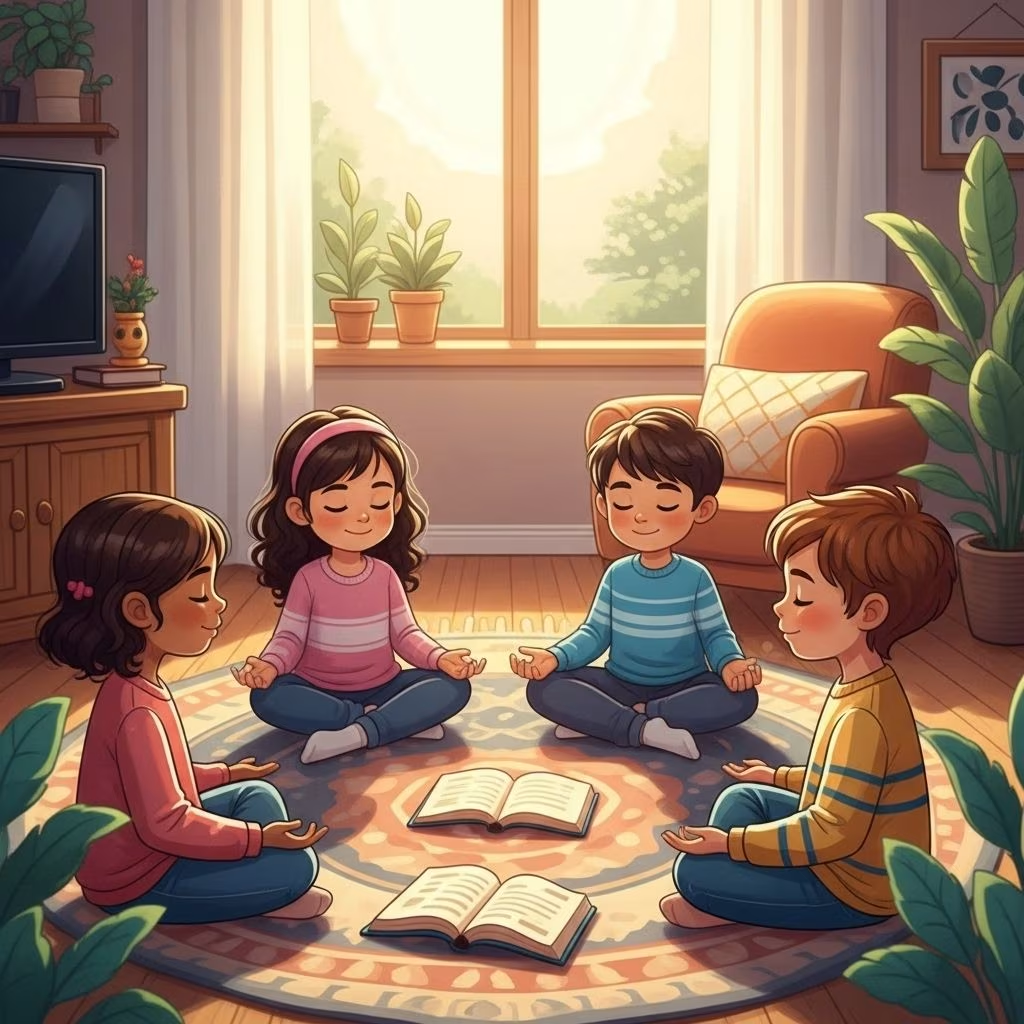
Best Guided Meditations for Kids (Ages 3-10+)
Helping children develop mindfulness from a young age sets the foundation for emotional resilience, focus, and lifelong well-being. Guided meditations for kids, especially ages 3-10+, are emerging as effective tools for supporting calm, managing stress, and nurturing emotional intelligence. This comprehensive guide explores the most recommended guided meditation practices, step-by-step techniques, and creative activities tailored for young children, as well as practical tips for parents and educators.
Why Should Children Meditate?
Today’s children face unique challenges, from overstimulation and academic pressures to emotional ups and downs. Meditation has proven to be an accessible method for helping kids manage stress, build self-awareness, and foster positive behaviors. Introducing guided meditation early helps them understand their emotions, regulate reactions, and develop lasting coping skills.
As mindfulness educator Tamara Levitt notes, meditation can help kids “find calm, manage stress, and understand their emotions,” all while keeping the practice positive and fun.
Top Benefits of Mindfulness and Meditation for Kids
- Emotional Regulation: Deep breathing and body awareness techniques can help children calm themselves when upset or overwhelmed.
- Improved Focus: Mindfulness training teaches children to pay attention, making it easier to concentrate during learning and daily activities[10].
- Stress Management: Guided relaxation and imagery provide tools to release worries and tension, even after busy or stressful days.
- Better Sleep: Bedtime meditations and relaxation stories help ease anxiety, quiet the mind, and promote restful sleep.
- Self-Compassion: Meditation encourages children to notice and accept feelings in a kind, nonjudgmental way, fostering positive self-esteem.
- Physical Health: Yoga and mindful movement meditations promote flexibility, coordination, and body awareness.
- Resilience: By learning to self-soothe, children build the inner resources to handle challenges confidently in daily life.
How to Introduce Guided Meditation to Kids
Creating a child-friendly meditation routine is about adjusting practices to fit young attention spans, making sessions playful, and building regularity. Here are essential steps from experts and proven guides:
- Choose a comfortable spot: Find a quiet corner where your child feels safe and relaxed. A cozy part of their bedroom, a blanket fort, or a sunlit spot in the living room all work well.
- Encourage grounding: Start by having your child notice the feeling of their feet on the floor or the sensation of their body on a cushion. Explain that meditation is about returning to a place of calm again and again, even if minds wander.
- Keep it brief: For younger kids, a 2-5 minute meditation is effective. Older kids may enjoy slightly longer sessions (up to 10 minutes), but the key is consistency rather than duration.
- Make it fun: Use story-based meditations, animal poses, and visualizations to capture attention. Laughter, playfulness, and imagination should be encouraged.
Best Guided Meditation Techniques for Children (Ages 3-10+)
The most successful guided meditations engage kids in simple, sensory-driven, and imaginative ways. Below are popular techniques, with explanations and step-by-step guides.
1. Mindful Breathing (Balloon Breath)
- Age range: 3-10+ years
- Purpose: Calm nerves, regulate big emotions, introduce breath awareness
Guide children to place one hand on their belly and take slow, deep breaths. Ask them to imagine their belly inflating like a big balloon with each inhale, and gently deflating as they exhale. Encourage them to notice how the air feels as it moves in and out, like a gentle breeze.
2. Body Scan Meditation
- Age range: 5-10+ years
- Purpose: Build body awareness, anchor attention in the present moment
Sitting or lying down comfortably, guide your child through noticing parts of their body, from feet up to head. Invite them to feel sensations: warmth, pressure, or touch. Gentle encouragement to “zoom in” like a scientist observing tiny sensations makes the activity engaging.
3. Nature Noticing Walk Meditation
- Age range: 4-10 years
- Purpose: Combine movement and mindfulness, engage senses outdoors
This walking meditation invites kids to explore their surroundings with all five senses, transforming a neighborhood stroll into a mindful adventure. Prompt them to walk slowly, listen to birds or wind, notice colors and shapes, and feel textures like grass or bark. The practice is excellent for children who find sitting still challenging.
4. Alphabet Yoga
- Age range: 4-10+ years
- Purpose: Mindfulness through movement, creative expression
Choose yoga poses corresponding to letters (e.g., “C for Cat Pose”). Invite kids to mimic each shape, add playful animal sounds, and guide attention to breathing while holding poses. Alphabet Yoga builds motor skills, focus, and emotional regulation—plus, it’s imaginative and fun. For more inspiration, try creating “yoga words” with pose cards.
5. Imagining a Safe Space Meditation
- Age range: 5-10+ years
- Purpose: Emotional security, creative visualization, self-soothing
Encourage your child to imagine a peaceful place, such as a beach, magical forest, or cozy room. Guide them to use all their senses to bring this space to life—what they see, hear, feel, and smell. This visualization provides an internal refuge when faced with overwhelming emotions, teaching resilience and self-soothing.
6. Relaxation Story Meditation
- Age range: 3-10+ years
- Purpose: Wind down before bed, stimulate imagination, ease anxiety
Use guided storytelling where children visualize drifting on a cloud, floating down a gentle stream, or adventuring through a wonderland. Softly narrate a calming story that guides the mind to relax and settle—perfect for the transition to sleep or nap-time.
7. Mindful Listening
- Age range: 3-10+ years
- Purpose: Enhance focus, quiet the mind, experience the present moment
Invite your child to close their eyes and listen to subtle sounds—birds, music, or a singing bowl. Ask them to notice the beginning, middle, and end of each sound, cultivating patience and attentiveness[10].
Recommended Guided Meditation Scripts & Audio Resources
- Calm Kids App: Offers engaging meditations, soundscapes, and lullabies for children ages 3-12, including ‘Balloon Breath’ and bedtime visualizations.
- Headspace Kids: Structured into age groups (3-5, 6-8, 9-12), with themes like waking up, calming down, and sleeping.
- Insight Timer – Kids Section: Free audio sessions featuring mindfulness, relaxation stories, and bedtime meditations designed for children.
- YouTube Meditations: Channels such as The Monster Crew (Alphabet Yoga), Mindful Elephant, and Bubble Bounce provide visual and audio guidance for kids’ meditation and mindful movement.
- Printable Meditation Scripts: Mindfulness Exercises and other online resources share easy-to-follow scripts for parents and teachers to guide children.
| Meditation Type | Recommended Age | Main Benefits | Resources |
|---|---|---|---|
| Balloon Breath | 3-10+ | Calm, focus, stress reduction | Calm Kids, Mindfulness Exercises |
| Body Scan | 5-10+ | Body awareness, relaxation | Calm Kids, Insight Timer |
| Nature Walk | 4-10 | Movement, sensory engagement | Satori Kid, YouTube |
| Alphabet Yoga | 4-10+ | Motor skills, emotional regulation | The Monster Crew |
| Safe Space Visualization | 5-10+ | Emotional resilience, self-soothing | Satori Kid, Insight Timer |
| Relaxation Story | 3-10+ | Bedtime, anxiety relief | Insight Timer, Calm Kids |
| Mindful Listening | 3-10+ | Focus, patience | Calm Kids, Headspace |
Practical Tips for Meditating with Children
- Model Calm: Children learn best by example. Meditate with them and express your own experience of calm and focus.
- Celebrate Small Gains: Praise your child for participating, even if attention drifts. Let them know it’s normal!
- Incorporate Play: Use stuffed animals, storybooks, or music to make meditation playful.
- Make it Routine: Consistency helps; try meditating at the same time daily, such as before bed or after school.
- Listen to Preferences: Some children prefer movement over stillness or stories over silence. Adapt meditations accordingly.
- Be Patient: Not every session will be serene. Allow meditation to evolve as your child grows.
Frequently Asked Questions (FAQs)
Q: What is the ideal meditation length for kids?
A: For ages 3-5, start with 2-5 minutes. Older children can slowly build up to 10 minutes. The key is regular practice over duration.
Q: Can kids meditate if they are restless?
A: Absolutely. Use movement-based meditations, like Nature Walking or Alphabet Yoga, to channel their energy while teaching mindfulness skills.
Q: Is meditation safe for children with anxiety or attention issues?
A: Yes. Guided meditation is gentle and adaptable, but anxious children may benefit most from short, playful, sensory-focused scripts. If there are clinical concerns, consult a health professional.
Q: Are there free meditation resources online?
A: Several apps and websites offer free guided meditations, including Calm Kids, Insight Timer, Headspace Kids, and educational YouTube channels.
Q: How do I keep kids engaged in meditation?
A: Make meditation interactive using stories, movement, creative prompts, and regular praise. Tailor activities to your child’s interests and needs[10].
Conclusion
Guided meditations for kids provide practical tools to handle emotions, develop focus, and nurture a caring inner world. From balloon breathing and body scans to nature walks and creative visualizations, these techniques turn mindfulness into a fun, engaging part of daily life. With patience, creativity, and consistency, children ages 3-10+ can enjoy the lifelong benefits of meditation and mindfulness—at home, in school, and beyond.
References
- https://www.calm.com/blog/meditation-for-kids
- https://www.buddhistinquiry.org/article/teaching-meditation-to-children-and-beginners/
- https://www.satorikid.club/4-effortless-meditation-techniques-for-kids-ages-4-10-to-try-this-week
- https://www.youtube.com/watch?v=EIRabf12InE
- https://www.headspace.com/meditation/kids
- https://www.youtube.com/watch?v=UEuFi9PxKuo
- https://mindfulnessexercises.com/meditation-scripts-for-kids/
- https://insighttimer.com/meditation-topics/kids-meditation
- https://www.youtube.com/watch?v=eiBGpIo_6Jo
- https://positivepsychology.com/mindfulness-for-children-kids-activities/


