


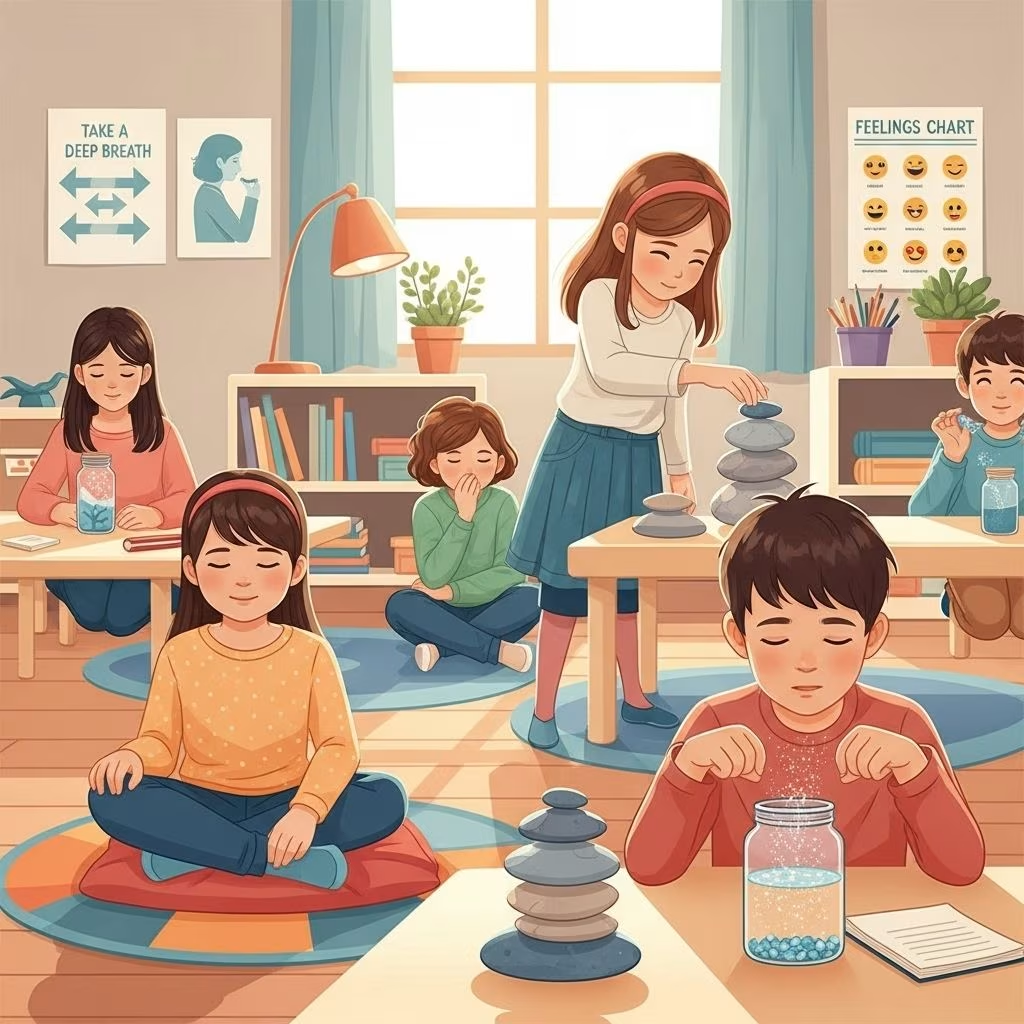
Mindfulness has become an essential component of modern education, offering elementary students powerful tools to navigate their emotions, enhance focus, and develop self-awareness. As educators increasingly recognize the connection between emotional well-being and academic success, implementing mindfulness activities in the classroom has shifted from optional enrichment to fundamental practice. These activities provide children with practical skills to manage stress, improve concentration, and cultivate empathy—all critical components of social-emotional learning.
Elementary students face unique developmental challenges as they learn to regulate emotions, build relationships, and adapt to structured learning environments. Mindfulness practices offer age-appropriate strategies that help young learners develop these essential life skills while creating a more peaceful and productive classroom atmosphere. Research demonstrates that regular mindfulness practice can reduce anxiety, improve attention spans, and foster positive behavior in elementary-aged children.
Understanding Mindfulness in Elementary Education
Mindfulness for elementary students involves teaching children to pay attention to the present moment without judgment. Unlike meditation practices designed for adults, classroom mindfulness activities are specifically adapted to match children’s developmental stages, incorporating movement, play, and sensory experiences that naturally engage young minds. These practices help students recognize their thoughts and feelings while developing healthy coping mechanisms.
The foundation of classroom mindfulness rests on several core components: focused attention, body awareness, emotional recognition, and compassionate responding. When implemented consistently, these elements work together to create a classroom culture where students feel safe, supported, and ready to learn. Teachers serve as guides, modeling mindful behavior and creating opportunities for students to practice these skills throughout the school day.
Elementary classrooms benefit from mindfulness practices because young children are naturally curious and open to new experiences. Their brains are highly plastic, making this an ideal time to establish healthy patterns of thinking and responding. By introducing mindfulness early, educators lay groundwork for lifelong emotional intelligence and resilience.
Breathing Exercises for Young Learners
Breathing exercises form the cornerstone of mindfulness practice for elementary students, offering simple yet powerful techniques to calm the nervous system and refocus attention. These activities teach children that they possess internal tools to manage their emotional states, empowering them with independence and self-regulation skills.
Pinwheel Breathing provides a visual and interactive approach to breath awareness. Students receive pinwheels and practice different breathing patterns while observing how their breath affects the pinwheel’s movement. Normal breaths create gentle spinning, short quick breaths cause rapid movement, and long deep breaths produce slow, steady rotation. This activity helps children understand how breathing patterns influence their physical and emotional states, connecting abstract concepts to concrete observations.
Finger Tracing combines tactile sensation with breath regulation. Students trace up and down their fingers while coordinating inhalation and exhalation with each movement. As they trace up one finger, they breathe in; as they trace down, they breathe out. This technique provides multiple sensory anchors—touch, sight, and breath—making it easier for young minds to maintain focus. The simplicity of this exercise makes it perfect for transitions between activities or moments when students need quick centering.
Breathing Boards offer structured visual guides for paced breathing. These boards display patterns or paths that students follow with their fingers while matching their breath to the movement. The predetermined path removes decision-making from the exercise, allowing children to fully focus on their breathing rhythm. Teachers can create boards with different patterns to vary the pace and duration of each breath cycle.
Figure Eight Breathing introduces a pattern-based approach where students trace a figure eight shape while breathing. They inhale while tracing one loop and exhale while completing the other. This continuous flowing motion mirrors the natural rhythm of breathing and helps prevent breath-holding, a common issue when children first learn breathing exercises.
Movement-Based Mindfulness Activities
Elementary students have abundant energy and shorter attention spans, making movement-based mindfulness activities particularly effective. These practices channel physical energy while developing body awareness and present-moment focus, meeting children where they are developmentally.
Shake It Off combines breath observation with body tension release. Students begin by noticing their natural breathing pattern, then systematically tense and relax different muscle groups. Following this, they shake their entire body vigorously before freezing in stillness. This dramatic contrast between movement and stillness heightens body awareness and helps children recognize different physical states. The playful nature of shaking and freezing keeps students engaged while teaching valuable lessons about self-regulation.
Fly Like an Eagle merges imaginative play with controlled breathing and movement. Students walk slowly around the classroom, imagining themselves as eagles soaring across canyons. They coordinate their breath with wing movements—arms rising with inhalation, falling with exhalation. This activity transforms a simple breathing exercise into an adventure, making mindfulness accessible and enjoyable for young imaginations.
Yoga for Kids adapts traditional yoga poses into age-appropriate, imaginative games. Poses receive child-friendly names and stories that spark creativity while building strength, flexibility, and body awareness. Tree pose becomes a forest of strong trees, downward dog transforms into a tunnel for friends to crawl through, and warrior pose embodies brave heroes. These adapted practices make ancient mindfulness techniques relevant and exciting for modern elementary students.
Progressive Muscle Relaxation teaches students to systematically tense and release different muscle groups, typically starting from toes and moving upward to the head. This technique helps children distinguish between tension and relaxation, providing them with tools to release physical stress they may not realize they’re holding. The process takes ten to twenty minutes and can be particularly beneficial before tests or after recess.
Red Light Green Light transforms a classic playground game into a mindfulness exercise focusing on observation and body control. Students practice stopping completely on red light and moving mindfully on green light, developing awareness of their movements and impulse control. This familiar format makes mindfulness practice feel like play rather than work.
Sensory Awareness Practices
Sensory activities ground children in the present moment by directing attention to immediate physical experiences. These exercises develop observational skills and teach students to notice details they might otherwise overlook, cultivating appreciation for everyday moments.
Five Senses Exercise guides students through methodically noticing what they can experience with each sense. They identify five things they see, four things they can touch, three things they hear, two things they smell, and one thing they taste. This structured progression naturally calms racing thoughts and anchors attention in present circumstances. Teachers can adapt this exercise for various settings, from classroom seats to nature walks.
Mindful Listening develops auditory awareness by having students focus exclusively on sounds around them. They notice when sounds begin and end, recognize the silence between sounds, and observe how sounds layer upon each other. This practice can use ambient classroom noise, recorded nature sounds, or musical instruments. Students often discover that their environment contains far more sounds than they typically notice.
Mindful Seeing involves observing an object with complete attention for several minutes. Students examine colors, shapes, textures, shadows, and details as if seeing the object for the first time. This exercise trains sustained attention while revealing the richness present in ordinary objects. Common items like leaves, rocks, or classroom supplies work perfectly for this practice.
Mindful Eating transforms snack time into a sensory exploration. Students observe their food’s appearance, smell its aroma, notice the texture in their hands, listen to any sounds it makes, and finally taste it slowly, paying attention to flavors and how they change while chewing. This activity teaches present-moment awareness while promoting healthier eating habits and appreciation for food.
Sensory Bins provide tactile mindfulness opportunities especially suited for younger elementary students. Bins filled with rice, beans, sand, buttons, or other small objects invite exploration and discovery. As children run their fingers through the materials, search for hidden objects, or simply enjoy the sensation, they naturally enter mindful states of focused attention and sensory awareness.
Emotional Awareness and Regulation Activities
Teaching children to recognize and appropriately respond to emotions represents a critical component of classroom mindfulness. These activities build emotional intelligence and provide healthy coping strategies.
Feelings Identification starts with helping students expand their emotional vocabulary beyond basic happy, sad, mad categories. Feelings charts displaying various emotions with corresponding facial expressions give children language to describe their internal experiences. Regular check-ins where students identify their current emotional state normalize discussing feelings and build self-awareness.
Heartbeat Exercise creates tangible connection between physical activity and bodily sensations. After one minute of jumping jacks or running in place, students place hands on their chests to feel their heartbeat and notice their breathing. They observe how these sensations change as they rest quietly. This practice teaches that physical states change and that they can influence these changes through their actions.
Loving-Kindness Buddy Wishes cultivates compassion and positive regard for self and others. Students think kind thoughts about themselves, then extend those kind wishes to friends, family, and eventually even people they find challenging. This practice might involve phrases like “May I be happy, may I be healthy, may I be safe” progressing to “May you be happy, may you be healthy, may you be safe.” Regular loving-kindness practice has been shown to increase empathy and reduce bullying behaviors.
What Would You Do Worksheets present realistic scenarios and ask students to consider how they might respond mindfully. These exercises bridge the gap between practicing mindfulness during dedicated activities and applying those skills in everyday situations. Scenarios might include dealing with a friend who is upset, handling disappointment, or managing frustration during challenging schoolwork.
Creative and Visual Mindfulness Activities
Artistic expression provides natural pathways to mindful states, allowing students to process emotions and experiences while creating something meaningful.
Mindful Glitter Jars offer powerful visual metaphors for how minds work. Students create jars filled with water, glue, and glitter. When shaken, the glitter swirls chaotically, representing busy, upset, or anxious thoughts. As the jar sits still, glitter gradually settles to the bottom, demonstrating how mindfulness helps thoughts settle and clarity emerge. Children can shake their jars when feeling overwhelmed and watch until the glitter settles, using this time to breathe and calm themselves.
Mandala Creation involves drawing or coloring symmetrical circular designs. The repetitive, focused nature of creating or coloring mandalas naturally induces mindful states. Students concentrate on patterns, colors, and the process rather than worrying about perfection or outcomes. This activity can be particularly calming before tests or during transition periods.
Scribble Drawing combines spontaneity with focused attention. Students create elaborate scribbles on paper, then mindfully color each section created by overlapping lines using different colors. This simple activity produces beautiful results while teaching that something meaningful can emerge from what initially appears chaotic or messy—a powerful metaphor for challenging times.
Mindful Quote Jar involves students decorating a jar and filling it with inspirational quotes, affirmations, or mindfulness reminders. Each day, one student draws a quote to share with the class, sparking brief discussions about the message and how it applies to their lives. This ongoing activity reinforces mindfulness concepts and creates daily touchpoints for reflection.
Nature-Based Mindfulness Practices
Connecting with nature provides rich opportunities for mindfulness while offering the added benefits of outdoor time and environmental awareness.
Rainbow Walk sends students on a mission to find objects representing each color of the rainbow during outdoor time. This structured observation exercise encourages careful attention to the environment while adding an element of playful challenge. Students often discover colors and details in nature they have never noticed before, despite walking the same paths regularly.
Mindfulness Scavenger Hunt expands on the rainbow walk concept by creating lists of experiences rather than just objects. Students might search for different textures, various sounds, specific scents, or particular movements in nature. This activity emphasizes using all senses to fully experience outdoor environments, deepening connection with the natural world.
Rock Stacking challenges students to carefully balance rocks in towers, requiring patience, focus, and gentle movements. While this practice is discouraged in natural settings due to environmental impact, bringing rocks indoors for this activity provides a meaningful mindfulness exercise. Students must pay close attention to weight distribution, surface texture, and their own movements to successfully stack rocks. The delicate nature of balanced structures teaches lessons about impermanence and the importance of gentle, mindful action.
Getting in Touch with the Outside involves simply sitting or lying outside and noticing everything happening around and within. Students observe clouds moving, leaves rustling, insects crawling, and their own breathing. This unstructured observation time allows children to develop their own relationship with nature and discover what captures their attention when not directed toward specific tasks.
Classroom Integration Strategies
Successfully implementing mindfulness requires more than knowing activities; it demands thoughtful integration into daily routines and classroom culture.
Creating Calm-Down Corners provides designated spaces where students can go when needing to reset emotionally. These areas include comfortable seating, sensory tools, breathing exercise reminders, and calming visual elements. Establishing clear expectations about when and how to use the calm-down corner prevents it from becoming punishment and instead positions it as a valuable resource for self-regulation.
Breaktime Bell involves using a chime, bell, or singing bowl to signal mindful pause moments throughout the day. When students hear the sound, they stop what they’re doing and take three conscious breaths before resuming activity. These micro-practices accumulate throughout the day, creating multiple opportunities to reset attention and return to present-moment awareness.
Mindfulness Bingo gamifies regular practice by creating bingo cards filled with different mindfulness activities. Students complete activities over a week or month, marking them off their cards. This approach introduces variety, maintains engagement, and helps students discover which practices resonate most with them. Class discussions about experiences with different activities deepen learning and build community.
Teaching STOP provides a simple acronym students can remember and apply independently: Stop what you’re doing, Take a breath, Observe your thoughts and feelings, and Proceed mindfully. This portable technique works in any situation where a child needs to pause and make thoughtful choices rather than reacting impulsively.
Daily Gratitude Practice incorporates appreciation into daily routines. This might involve students sharing one thing they’re grateful for during morning meetings, keeping gratitude journals, or creating classroom gratitude displays. Regular gratitude practice has been linked to increased happiness, improved relationships, and better emotional regulation.
Age-Appropriate Adaptations
Elementary spans a wide developmental range, requiring modifications to ensure activities match students’ cognitive and emotional capabilities.
Kindergarten Through Second Grade students benefit from shorter, more playful activities incorporating movement and props. Activities lasting two to five minutes work best, with frequent variety maintaining engagement. Concrete visual aids like pinwheels, glitter jars, and stuffed animals help young children grasp abstract mindfulness concepts. Simple language and clear demonstrations ensure comprehension.
Third Through Fifth Grade students can handle longer practices lasting five to fifteen minutes and appreciate more sophisticated explanations of why mindfulness matters. They’re capable of greater introspection and can engage with activities exploring complex emotions. Group discussions about mindfulness experiences become richer as students develop analytical thinking. These older elementary students often enjoy teaching mindfulness activities to younger students, reinforcing their own learning.
Measuring Progress and Outcomes
While mindfulness benefits extend beyond easy measurement, tracking changes helps maintain momentum and demonstrate value to stakeholders.
Teachers can observe behavioral indicators such as reduced classroom disruptions, improved focus during lessons, smoother transitions between activities, and more positive peer interactions. Student self-reports about feelings of calmness, ability to focus, and confidence managing emotions provide valuable qualitative data. Some teachers use simple check-in systems where students rate their stress or focus levels before and after mindfulness practices.
Academic indicators like assignment completion rates, test performance, and participation may show improvement as students develop better self-regulation skills. However, these changes typically emerge gradually over weeks or months of consistent practice rather than immediately.
Overcoming Common Challenges
Implementing mindfulness in elementary classrooms presents predictable obstacles that prepared teachers can navigate successfully.
Student Resistance sometimes occurs, particularly if children perceive mindfulness as boring or unnecessary. Framing activities as games, connecting practices to things students care about (like sports performance or handling friendship challenges), and maintaining a light, playful tone helps overcome reluctance. Allowing students to choose from several mindfulness options increases buy-in.
Time Constraints feel overwhelming given already packed schedules. Starting small with just one or two brief practices daily makes implementation manageable. Many mindfulness activities work perfectly as transition tools between subjects, arrival routines, or pre-dismissal wind-downs, requiring no additional time allocation.
Classroom Management During Activities can be tricky, especially with younger students. Establishing clear expectations, practicing procedures just like any other classroom routine, and staying patient through the learning curve helps. Some giggling and restlessness is normal initially; consistency leads to improvement.
Personal Practice significantly impacts teaching effectiveness. Teachers who maintain their own mindfulness practice better understand the challenges and benefits, model mindful behavior naturally, and bring authentic enthusiasm to instruction. Even brief daily personal practice makes a difference.
Frequently Asked Questions
How long should classroom mindfulness activities last?
For elementary students, mindfulness activities should typically last between 2-15 minutes depending on age and experience level. Kindergarten through second-grade students do best with 2-5 minute activities, while third through fifth graders can handle 5-15 minute practices. Brief, frequent sessions prove more effective than occasional longer ones. Starting with shorter durations and gradually extending time as students develop capacity works well.
What time of day works best for mindfulness in elementary classrooms?
Mindfulness practices work well at multiple times throughout the day. Morning arrival time helps students transition into learning mode, pre-lesson activities prime focus and attention, post-recess sessions help students settle after physical activity, and end-of-day practices provide calming closure. Many teachers find the most success incorporating brief mindfulness moments at several transition points rather than scheduling one long session.
Do I need special training to teach mindfulness to elementary students?
While specialized training enhances effectiveness, teachers can begin implementing basic mindfulness activities without certification. Starting with simple practices like breathing exercises and body awareness, maintaining your own mindfulness practice, and using quality resources provides a solid foundation. As comfort and interest grow, pursuing professional development through workshops, online courses, or mindfulness education programs deepens skills and expands your teaching repertoire.
How do I handle students who resist or disrupt mindfulness activities?
Student resistance is normal, especially initially. Avoid forcing participation; instead, invite students to simply sit quietly and rest if they don’t want to participate actively. Make activities playful and engaging rather than serious or rigid. Offer choices between different mindfulness practices so students feel some control. Have private conversations with persistently disruptive students to understand their concerns and find approaches that work better for them. Most resistance diminishes as mindfulness becomes routine classroom practice.
Can mindfulness activities help students with anxiety or behavioral challenges?
Research indicates mindfulness practices can significantly benefit students experiencing anxiety or behavioral difficulties by providing tools for emotional regulation and stress management. However, mindfulness should complement rather than replace appropriate support services. Students with significant mental health or behavioral needs should receive comprehensive support from counselors, psychologists, or other specialists. Mindfulness works best as part of a broader social-emotional learning approach that includes multiple strategies and supports.
How can I get parents on board with classroom mindfulness?
Communicate clearly about what mindfulness is and isn’t, emphasizing its secular, evidence-based nature focused on attention and self-regulation skills. Share research about benefits and invite parents to observe or participate in classroom activities. Provide resources so families can practice mindfulness at home. When parents understand that mindfulness teaches practical life skills their children can use to manage stress, improve focus, and make better choices, most become supportive. Addressing concerns respectfully and providing thorough information typically overcomes initial hesitation.
Building a Mindful Classroom Culture
The most powerful mindfulness programs extend beyond isolated activities to create overall classroom environments where present-moment awareness, emotional intelligence, and compassion form the foundation of daily interactions. This happens when teachers model mindful behavior consistently, address conflicts with mindfulness principles, celebrate students’ application of mindfulness skills in everyday situations, and make mindfulness a shared language the classroom community uses to navigate challenges together.
Integrating mindfulness into elementary classrooms represents an investment in students’ lifelong well-being and success. The skills children develop through regular mindfulness practice—self-awareness, emotional regulation, focused attention, and compassion—serve them far beyond elementary school, supporting healthy development through adolescence and into adulthood. By dedicating time and energy to these practices, educators give students invaluable tools for navigating an increasingly complex and demanding world with greater ease, resilience, and joy.
References
- https://ggie.berkeley.edu/collection/mindfulness-for-upper-elementary-students/
- https://scsmh.education.uiowa.edu/news/2023/02/mindfulness-classroom-tips-tricks-teachers
- https://www.waterford.org/resources/mindfulnes-activities-for-kids/
- https://www.weareteachers.com/mindfulness-activities-for-kids/
- https://positivepsychology.com/mindfulness-for-children-kids-activities/
- https://cosmickids.com/mindfulness-activities-for-kids/
- https://www.islhd.health.nsw.gov.au/sites/default/files/mental-health/School_link_Newsletters/Mindfulness%20and%20Calming%20Activities.pdf
- https://childmind.org/article/mindfulness-in-the-classroom/
- https://teacherblog.ef.com/daily-mindfulness-for-students-6-activities/
- https://www.luriechildrens.org/en/blog/ight-mindfulness-activities-to-try-at-home-with-kids/


