


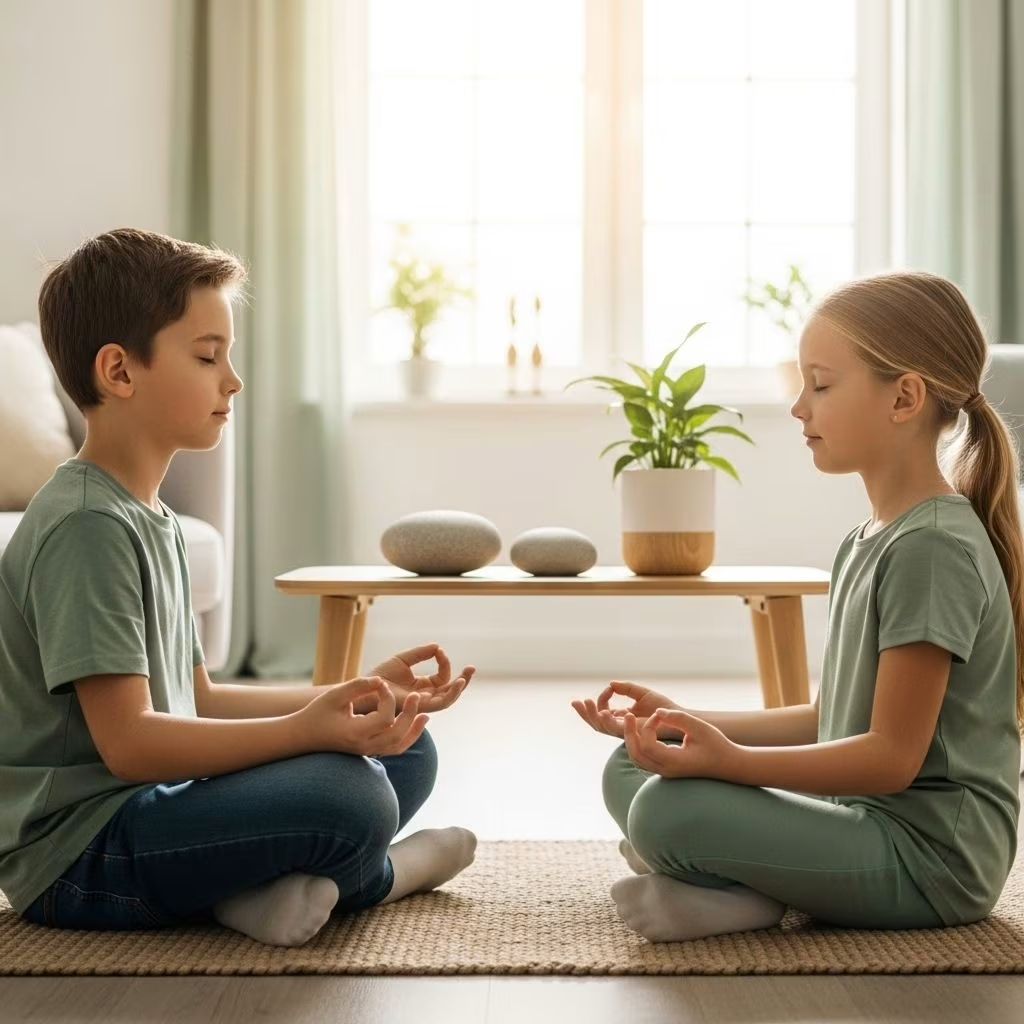
Siblings often experience both intense rivalry and profound connection. Fights, jealousy, and competition may strain relationships, but with mindful parenting and practical strategies, families can foster understanding, harmony, and deep bonds between siblings. This guide explores how mindfulness helps reduce sibling fighting and nurture lifelong relationships through emotional awareness, empathy, and conflict resolution.
Introduction: Understanding Sibling Relationships
The sibling experience is unique, blending love and rivalry. Siblings often compete for parental attention, test boundaries, and learn vital social skills by negotiating conflicts. The way parents respond to these conflicts is crucial for long-term relationship development. Using mindfulness, parents can move beyond referee roles and nurture empathy, cooperation, and mutual respect among their children.
Mindfulness and Sibling Dynamics
Mindfulness is the practice of being present and empathetic with oneself and others. In sibling dynamics, mindfulness enables parents and children to respond thoughtfully rather than react impulsively during conflicts. Research shows that mindful parenting fosters secure relationships and diffuses strong emotions, reducing long-term resentment and aggression.
- Mindfulness validates each child’s feelings without judgment.
- It models calm, patient responses to challenges.
- Helps families recognize and interrupt habitual patterns of rivalry and blame.
- Encourages creative, age-appropriate problem-solving and negotiation.
Why Do Siblings Fight?
Sibling conflicts are common and often arise due to:
- Scarcity of resources: Competing for toys, space, or parental attention.
- Developmental factors: Younger children have limited impulse control, and older children may challenge boundaries as part of identity formation.
- Jealousy and comparison: Children are sensitive to perceived favoritism and labels, such as “the smart one” or “the troublemaker”.
- Stress and external factors: Changes, such as family transitions or quarantine, can heighten tension among siblings.
Mindfulness does not eliminate conflict but provides a framework to approach disagreements constructively, so resentment does not overshadow the bond between siblings.
Core Mindful Parenting Strategies
1. Acknowledge and Validate Feelings
Recognize each child’s feelings during a conflict—even challenging emotions like anger. Validation helps children feel heard and respected, which can shorten the duration of negative feelings and prevent escalation into long-lasting resentment.
- Use phrases like, “It sounds like you’re really frustrated right now.”
- Refrain from minimizing or dismissing any child’s feelings—even if unpleasant.
- Offer empathy for all parties involved in the conflict.
2. Process Anger and Resentment
Children may accumulate anger over time, especially if conflict is habitual or perceived as unfair. Mindful parents encourage safe outlets for emotions such as drawing, journaling, or physical movement (dancing, walking).
- Allow children to express emotions openly, within boundaries of safety and respect.
- Support with gentle curiosity: “Do you need a hug?” or “Would you like to tell me more about how you feel?”
3. Encourage Problem Solving
View sibling struggles as opportunities to teach lifelong problem-solving skills.
- Narrate what you observe: “Both of you want the same book. How can we solve this together?”
- Ask for their suggestions before offering your own: “What would feel fair to you both?”
- Empower children to brainstorm, negotiate, and evaluate solutions.
4. Set Clear, Age-Appropriate Rules
Establish transparent, predictable rules about sharing, behavior, and noisy times.These help set expectations and provide a framework to resolve disputes, especially when children struggle with impulse control.
- Create and post visual schedules for turns with toys or screens.
- Use written contracts with older children to foster buy-in.
- Agree on quiet or alone times and how to respect each other’s needs.
5. Avoid Comparison and Labeling
Comparing siblings or assigning labels increases jealousy, rivalry, and self-esteem issues. Mindful parents emphasize each child’s strengths and individuality, reducing competition for value.
- Avoid statements like, “Why can’t you be more like your sister?”
- Celebrate specific achievements: “You did a great job helping with dinner.”
- Notice and praise effort rather than fixed traits.
6. Spend Quality Time With Each Child
Siblings often fight for parental attention. Regular, intentional one-on-one and group activities help children feel seen and valued.
- Schedule individual outings based on each child’s interests.
- Create family rituals such as game night or story time to build shared memories.
- Encourage children to choose group activities.
Step-by-Step Mindful Interventions
When conflict arises, mindfulness provides a reliable protocol for parents:
- Pause and regulate your own emotions: Before intervening, notice your feelings. Take slow, deep breaths and relax tense muscles to avoid bringing your own stress into the moment.
- Observe and enter the situation with curiosity: Approach the conflict without assigning blame or assuming roles like “bully” or “victim”. Set aside preconceptions and listen to each child’s perspective.
- Offer empathy to all involved: Use gentle, inclusive language: “It sounds like you’re both having a tough time.” Make eye contact, get down to the child’s level, and show genuine interest in their feelings.
- Elicit each child’s needs: Ask open-ended questions: “What do you need right now?” or “How can we solve this together?”
- Facilitate problem solving and negotiation: Encourage both children to suggest solutions. Only recommend options if they’re stuck.
- Affirm progress and encourage repair: Acknowledge positive steps such as apologizing or finding compromise. Gratitude and encouragement reinforce new habits.
Tools and Practices for Sibling Harmony
- Family Meetings: Hold regular, structured meetings for children to discuss conflicts, brainstorm solutions, and set shared goals. This empowers siblings to resolve issues and feel ownership.
- Mindful Breathing: Teach children to recognize rising emotions and use breath to calm themselves before reacting. Exercises like “belly breathing” can be playful and accessible.
- Emotion Cards: Use images or words to help young children identify and name their feelings.
- Conflict Resolution Posters: Visual guides teach steps for respectful negotiation, apologizing, and making amends.
- Positive Reinforcement: Reward siblings for respectful behavior with verbal praise, extra game time, or special activities.
| Mindful Approach | Reactive Approach |
|---|---|
| Validates all feelings involved | Dismisses or minimizes emotions |
| Encourages children to solve problems | Parent dictates solutions |
| Models calm, respectful communication | Uses harsh words or judgment |
| Promotes long-term trust | Can foster resentment or revenge cycles |
Common Challenges and Solutions
- Persistent rivalry: Identify patterns; schedule separate activities to minimize triggering situations. Consistently validate emotions rather than punish behavior alone.
- Physical aggression: Immediately intervene, set clear boundaries, and reinforce rules. Direct toward safe emotional expression.
- Parental exhaustion: Practice self-compassion, take mindful breaks, and seek support from partners or community. Remember, progress is gradual.
- Older sibling jealousy: Spend intentional time with oldest children, acknowledge their evolving role, and avoid assuming they’re always responsible.
Long-Term Benefits of Mindful Sibling Relationships
Families that practice mindfulness and conflict resolution skills see improvements in:
- Emotional resilience: Siblings learn to process anger, jealousy, and disappointment productively.
- Social competence: Children develop negotiation, cooperation, and empathy skills vital for relationships outside the family.
- Lifelong bonds: Mindful caregiving supports lasting trust and affection, even as siblings age and become independent.
- Reduced aggression: Parents experience fewer incidents of violence and more positive interactions.
Frequently Asked Questions (FAQs)
Q: What is the first step parents should take during a sibling fight?
The most effective first step is to pause, regulate your emotions, and approach the conflict with empathy and curiosity rather than judgment or punishment.
Q: How can we prevent sibling rivalry before it starts?
Establish clear, predictable family rules, avoid comparisons, and ensure each child feels seen through quality time and affirmation.
Q: What if one child always seems to “win” conflicts?
Rotate privileges, use visual schedules, and solicit solutions from both children. Siblings need equal opportunities to negotiate and assert themselves.
Q: Can mindfulness help with severe sibling aggression?
Mindfulness reduces overall aggression by addressing underlying emotions and building self-regulation, but physical aggression requires immediate boundaries and consistent intervention.
Q: How do I model mindful behavior for my kids?
Practice being present, name your own emotions, and resolve conflict with respectful language. Children imitate their caregivers’ communication styles.
Conclusion
Siblings can transform rivalry and conflict into opportunities for empathy, growth, and enduring connection through mindfulness. By validating each child’s feelings, facilitating group problem solving, and modeling calm, respectful responses, parents lay the foundation for lifelong sibling bonds. Change is gradual, but every moment of mindful caregiving strengthens the family’s harmony and resilience.
References
- https://mindfulparenting.com/seven-steps-to-strengthen-sibling-connection/
- https://mentalhealthcenterkids.com/blogs/articles/siblings-fighting
- https://childmind.org/article/how-to-help-siblings-get-along/
- https://genmindful.com/blogs/mindful-moments/taming-sibling-rivalry-during-quarantine
- https://pmc.ncbi.nlm.nih.gov/articles/PMC8386821/
- https://www.psychologytoday.com/us/blog/the-science-of-siblings/202408/helping-parents-manage-siblings-who-fight
- https://www.thrivehere.com/how-to-implement-simple-mindfulness-practices-to-take-control-of-your-nervous-systems-fight-or-flight-response
- https://www.mindfullifetoday.com/blog/10-secrets-to-stop-sibling-squabbles-once-and-for-all-2


