


Ultimate Guide: Create a Family Schedule That Works
Running a household involves countless moving parts—school runs, work deadlines, chores, meals, appointments, leisure, and quality family time. The secret to balancing it all lies in building a customized, flexible family schedule. This guide offers step-by-step methods, organizational strategies, templates, and frequently asked questions to help every family organize their lives seamlessly.
Why Family Schedules Matter
A well-crafted family schedule is more than just a planner—it’s a framework for cooperation, healthy routines, and less stress. By making responsibilities visible and predictable, you create an environment where every member understands their roles and enjoys smoother days.
- Reduces chaos: Clarifies routines, chores, and expectations.
- Builds accountability: Everyone sees what’s expected and when.
- Boosts efficiency: Enables better time management for both kids and adults.
- Fosters family connection: Ensures intentional time together and shared experiences.
Core Principles of Effective Scheduling
Before diving into details, consider these foundational guidelines to ensure your schedule truly works for your household:
- Customization: Every family is unique—adapt schedules for ages, work patterns, and extracurricular needs.
- Flexibility: Expect plans to change; build in buffer time and contingency slots.
- Inclusivity: Create the schedule with input from all family members.
- Visibility: Use a visible format (digital, printed, or a whiteboard) accessible to everyone.
- Consistency: Anchor routines (like meals, bedtime, chores) at similar times for stability.
- Adaptability: Revise your schedule regularly to suit evolving needs.
Step-by-Step: Building Your Family Schedule
1. Brainstorm All Activities
Start by listing every activity, task, and responsibility—big and small—that needs fitting into your family’s week. This includes:
- Work hours and commutes
- School and homework
- Meals and preparation
- Chores (cleaning, laundry, pet care)
- Extracurriculars (sports, music, clubs)
- Appointments (medical, therapy, meetings)
- Self-care, relaxation, and hobbies
- Quality family time
- Sleep and downtime
2. Categorize and Prioritize
Group activities by type and assign priority. Involve the whole family to highlight which routines are non-negotiable (e.g., bedtime, meals) and which are flexible (e.g., leisure, screen time).
| Category | Examples | Priority Level |
|---|---|---|
| Essentials | Sleep, meals, school, work | High |
| Responsibilities | Chores, homework, appointments | Medium |
| Enrichment | Sports, hobbies, reading | Medium / Low |
| Relaxation | TV, family games, downtime | Low |
3. Choose Your Planner Format
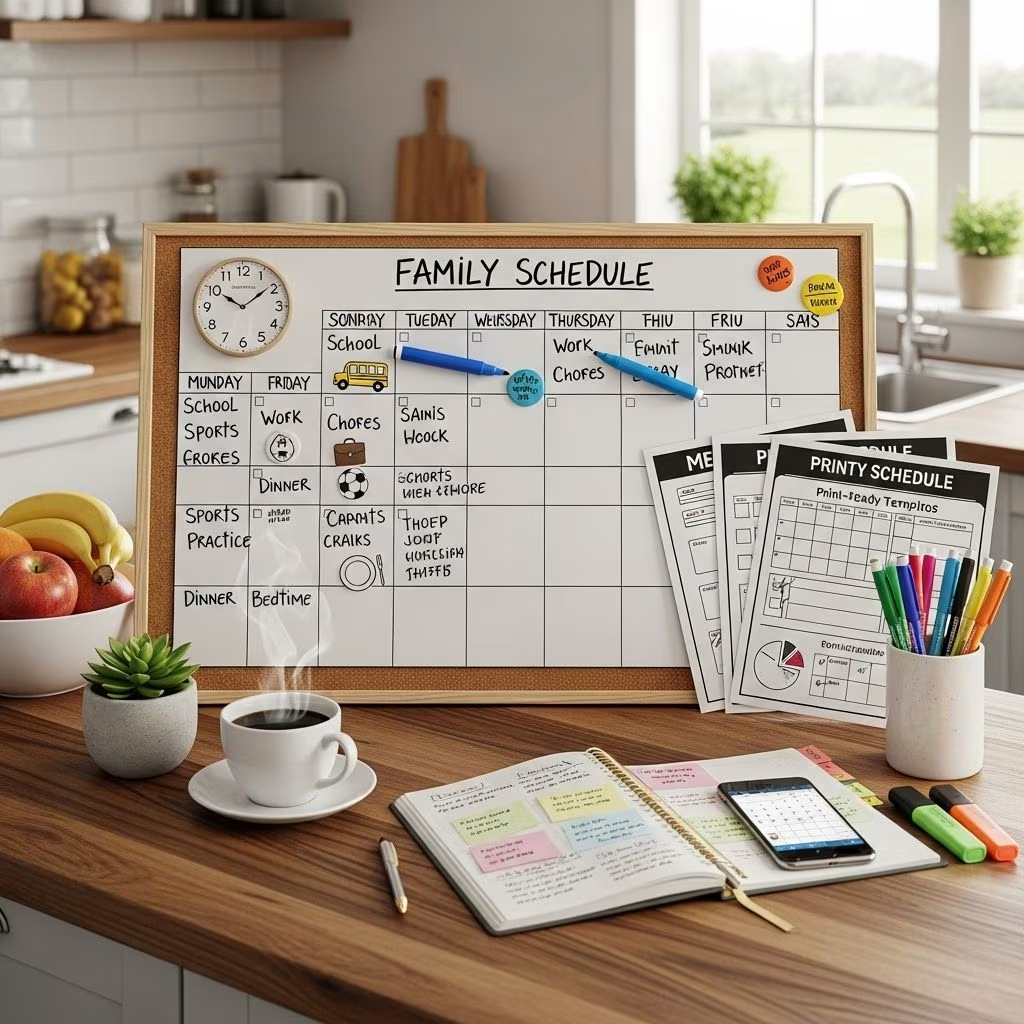
Pick a scheduling tool that matches your family’s style. Consider digital calendars (shared Google Calendar), printable templates, or a central dry-erase board in the kitchen ().
- Printable Planners: Offer structure, visual reminders, and are great for posting on the fridge or family wall.
- Digital Calendars: Enable notifications, color coding, and remote access for busy or tech-savvy families.
- Hybrid Approach: Use both printed templates for weekly overviews and digital tools for detailed scheduling.
4. Block Out Time for Each Activity
Assign time blocks for tasks, considering natural rhythms (e.g., most families benefit from having meals and bedtimes at consistent times). Start with essentials, then fit other activities around them ().
- Morning routines: wake up, breakfast, personal care
- Work/school slots
- Afternoon: homework, chores, appointments
- Evening: dinner, family time, relaxation
- Wind-down: bedtime prep, stories, quiet activities
5. Assign Responsibilities
Clearly distribute tasks so each family member’s responsibilities are clear. Use designated planners with columns for each member ().
- Parent(s): work tasks, household oversight, grocery shopping
- Children: homework, chores (age-appropriate), pet care
- Shared: meal times, clean-up, family outings
6. Review and Adjust Together
Meet regularly as a family to discuss what’s working and what’s not. Remain open to feedback—especially from kids—and modify your schedule as needed for maximum buy-in and realistic execution.
Templates & Tools for Family Scheduling
Pre-designed templates are invaluable—they save time and provide a foundation for customizing your own system.
- Weekly Planners: Offer a day-by-day view; ideal for tracking recurring appointments, school, & chores ().
- Monthly Planners: Useful for long-term goal tracking and upcoming events.
- Meal Planners: Streamline family meal prep and grocery shopping.
- Chore Charts: Assign responsibilities and rotate tasks fairly.
Recommended tools:
- Google Calendar (shareable events, alerts)
- Printable templates for planners, chore charts, meal plans
- Apps (Cozi, Planwiz, FamilyWall) for mobile scheduling and reminders
How to Use a Family Planner Template
- Find and download a template that suits your needs ().
- Customize fields: family member columns, dates, task lists.
- Edit regularly: update appointments, chores, and activities as plans shift.
- Collaborate: choose a format (Google Sheets, Microsoft Excel/Word, printable PDF) that allows everyone to contribute.
- Print and post: place in a prominent location for visibility.
Adapting to Changing Family Needs
A schedule is not static; it should grow with your family. Adjust for the start of a new school year, summer vacation, new job schedules, or developmental changes as children grow.
- Revisit regularly: Schedule periodic family meetings to review effectiveness.
- Modify for special events: Add new activities for holidays, school breaks, or recurring appointments.
- Flexible slots: Leave space for unexpected changes (illness, delaying plans).
Pro Tips for Scheduling Success
- Keep expectations realistic to prevent frustration ().
- Use color coding to identify each family member’s tasks.
- Automate reminders for digital schedules.
- Celebrate small wins: acknowledge completion of tasks to build motivation.
- Incorporate self-care and downtime; avoid overscheduling.
- Involve children in planning to foster responsibility and buy-in.
- Rotate chores to promote fairness.
- Balance busyness with quality time; ensure the schedule reflects fun.
Troubleshooting Common Scheduling Issues
Despite best efforts, scheduling conflicts and resistance can arise. Here’s how to handle frequent challenges:
| Problem | Potential Solutions |
|---|---|
| Overlapping obligations | Use visible planner; discuss priorities; adjust time blocks |
| Lack of buy-in from kids | Let children choose some tasks; offer rewards/incentives |
| Overscheduling (no downtime) | Intentionally add buffer times for rest and flexibility |
| Forgetting tasks | Automate reminders; post printed schedules; review daily |
| Resistance to chores | Make chores age-appropriate; rotate tasks; make it fun using themed templates |
Frequently Asked Questions (FAQs)
Q: How do I make sure everyone uses the family schedule?
A: Involve everyone in the planning process, offer choices where possible, and use visually appealing templates posted in a shared space ().
Q: What if my family’s schedule keeps changing?
A: Opt for flexible, editable digital planners; allow buffer time for unexpected shifts and update schedules weekly ().
Q: Are there free family planner templates available?
A: Yes; several sites offer free, customizable templates for printable or digital use. Try Google Docs, Canva, Calendar Labs, Planwiz, or TheGoodocs ().
Q: How do I prevent overscheduling and stress?
A: Prioritize routines, leave space for rest and fun, regularly review commitments, and adjust as needed for health and sanity ().
Q: What’s the best way to plan meals for a busy household?
A: Use a dedicated meal planner template, schedule shopping in advance, and involve family members in menu decisions ().
Conclusion
Creating a family schedule is a dynamic process—start with foundational routines, add unique family priorities, and revise often. Choose the format that fits your lifestyle, make it visible and engaging, and above all, keep it flexible to nourish both organization and togetherness. With the right methods and tools, your family can thrive in an environment of harmony, productivity, and joy.
References
- https://thegoodocs.com/freebies/family-planners/
- https://theincrementalmama.com/daily-family-schedule-cooped-up/
- https://www.calendarsquick.com/printables/household.html
- https://www.canva.com/planners/templates/weekly-schedule/
- https://create.microsoft.com/en-us/templates/schedules
- https://tryingtogether.org/dap/how-to-create-a-family-schedule/
- https://planwiz.app/family-planner-template/
- https://www.calendarlabs.com/family-calendar


