


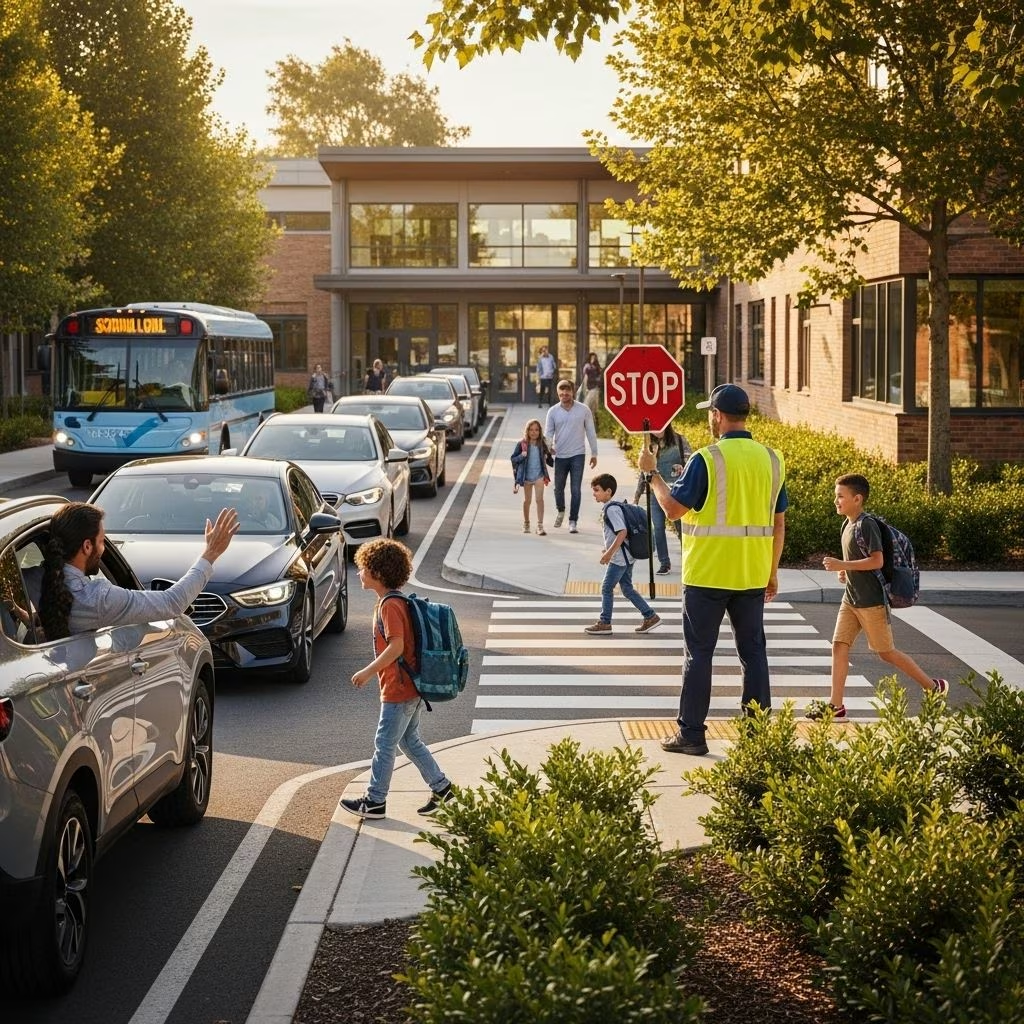
School drop-off and pick-up times are infamous for chaos, stress, and logistical headaches for parents, educators, and communities. For many families, the twice-daily ritual is not simply a matter of transportation—it affects job schedules, children’s well-being, school safety, and academic achievement. This comprehensive guide leverages the latest data and expert insights to explore the causes, impacts, and solutions for school drop-off and pick-up chaos in 2025.
Overview: The Scale of the Chaos
Recent surveys reveal that more parents than ever are driving their children to and from school, intensifying traffic congestion and logistical stress. In 2025, over half of parents (52%) who handle drop-offs or pick-ups describe the experience as frustrating, citing congestion, distracted drivers, and rising time demands as major annoyances.
This frustration is not limited to families; 81% of school administrators agree that traffic congestion during these times is a critical issue. The ripple effects are both immediate and long-lasting, affecting attendance, family well-being, and learning opportunities.
Core Causes of Drop-Off and Pick-Up Chaos
- Traffic Congestion: The surge in car usage—driven by increased distance from schools due to school-choice policies and suburban expansion—has made once-quiet school zones traffic hot spots.
- Distracted and Aggressive Drivers: Long waits and stress foster aggressive driving, risky behavior, and distracted driving, raising accident risks and tension among parents.
- Children’s Safety: Children running into the road or waiting unsupervised near busy streets increase the likelihood of injuries and parental anxiety.
- Double Parking and Law Breaking: In a bid to save time, some drivers double-park or break rules, further complicating traffic flow and endangering students.
- Infrastructure Limitations: Many schools lack adequate drop-off zones, crossing guards, and pedestrian pathways, compounding safety and congestion challenges.
- Bus Driver Shortages: Labor shortages mean fewer bus routes and increased reliance on parent-driven transport, worsening traffic flow and equity problems.
Common Parent Frustrations (2025 Survey Data)
| Annoyance | Percentage of Parents Reporting |
|---|---|
| Congestion | 61% |
| Distracted Drivers | 44% |
| Law Breaking | 44% |
| Children Running on Road | 38% |
| Double Parking | 30% |
| Insufficient Infrastructure | 24% |
| Lack of Crossing Guards | 20% |
| Children Take Too Long to Get Ready | 13% |
| Confusing Rules | 6% |
Impact on Families, Schools, and Communities
- Loss of Time: 44% of parents say drop-off and pick-up routines take valuable time away from work, household chores, and personal activities.
- Job and Opportunity Loss: Over one-third of parents have missed work because of transportation needs, and 11% have lost jobs entirely.
- Academic and Extracurricular Disruption: Transportation issues contribute directly to school tardiness and missed learning opportunities. Children relying on bus services are especially affected by delays and cancellations.
- Community Isolation: Car-centric drop-offs reduce connections between families, increase air pollution, and foster sedentary routines.
- Equity Challenges: Lower-income families and those without easy car access face greater obstacles, risking missed school meals, counseling, and activities.
Key Challenges in School Transportation
- Bus Driver Shortages: 80% of school administrators report bus driver shortages, and 46% say these are major issues for school operations and educational outcomes.
- Funding Shortfalls: 73% of administrators say limited budgets are restricting their ability to improve transportation infrastructure.
- Increased Demand: As more students qualify for free or subsidized transport, schools must serve expanding populations without adequate resources.
- Lack of Supplemental Services: Not all districts utilize supplemental school-arranged transportation, leaving gaps in service and equity.
- Pedestrian and Bike Infrastructure: Many schools lack safe walking or biking routes, limiting non-car alternatives and compounding car line congestion.
Proven and Promising Solutions
The complexity of school transportation means solutions must be multi-faceted, involving parents, schools, communities, and policymakers. Survey research highlights several approaches:
Infrastructure Improvements
- Strengthen pedestrian pathways around schools for safer, more attractive walking and biking options.
- Add and train more crossing guards to protect students navigating busy roads.
- Expand and improve school bus drop-off and pick-up lanes, centralizing locations to streamline traffic and supervise students safely.
Policy and Service Innovations
- Implement centralized bus stops for efficiency, reducing the number of vehicles crowding school entrances.
- Allow use of supplements—companies or district-run services—to fill gaps when bus drivers are unavailable.
- Designate specific time windows and signage to keep the flow predictable and prevent dangerous congestion.
Community-Based Solutions
- Organize carpool networks within school communities, cutting down traffic and fostering social bonds.
- Encourage ‘bike buses’—adult-supervised cycling groups to school—which can provide health benefits and ease congestion.
- Promote walking school buses or supervised walking groups, improving safety and reducing pollution.
Building an Effective Drop-Off and Pick-Up Routine
The foundation of an efficient school run lies in routine, preparation, and communication. Below is a guide for parents and caregivers.
Morning Drop-Off Routine Checklist
- Leave Early: Depart at least 15 minutes before the usual rush to minimize traffic stress.
- Prepare Bags and Lunches Night Before: Avoid morning scrambling to keep the schedule tight.
- Dress and Ready Children Promptly: Implement visual or sound cues for getting out the door quickly.
- Check for Traffic Updates: Use school district apps or local traffic reports for real-time congestion information.
- Review Safety Rules with Children: Remind children not to run across streets and to obey school personnel instructions.
- Park Legally and Safely: Do not double park or block driveways to prevent accidents and citations.
- Remain Calm: Model patience; stressed driving increases risk for everyone around you.
Afternoon Pick-Up Routine Checklist
- Arrive On Time: Respect the scheduled pick-up window, avoiding both overcrowding and late arrivals.
- Use Authorized Waiting Zones: Always wait in designated areas for safety and traffic flow.
- Plan an Alternative: If you’re delayed, arrange for another trusted adult to pick up your child—notify the school in advance.
- Monitor Children Carefully: Children should never cross between parked cars or play near moving vehicles.
- Communicate with School Staff: Check in if issues arise; cooperate with traffic staff and crossing guards.
Sample Weekly Routine Table
| Day | Drop-Off Time | Pick-Up Time | Transport Method | Contingency |
|---|---|---|---|---|
| Monday | 7:45am | 2:45pm | Carpool with neighbors | Grandparent if delayed |
| Tuesday | 7:45am | 2:45pm | School bus | Bus app notification |
| Wednesday | 7:45am | 2:45pm | Bike bus group | Parent backup |
| Thursday | 7:45am | 2:45pm | Walking group | School staff supervision |
| Friday | 7:45am | 2:45pm | Car | Friend’s parent |
How Schools and Policymakers Can Help
- Invest in Infrastructure: Schools should pursue grants and local funding for improved drop-off access, bus lanes, and pedestrian infrastructure.
- Implement Clear Policies: Standardize pick-up and drop-off procedures, provide clear maps and instructions, and train staff to address congestion and direct traffic
- Centralize Transportation Services: Use data-driven approaches to plan efficient bus routes and central pick-up points.
- Encourage Alternative Modes: Promote walking, biking, and carpooling through school newsletters and community meetings.
- Utilize Supplemental Transport: District-run or third-party transport services can fill gaps left by bus driver shortages, ensuring all students get to school safely.
Frequently Asked Questions (FAQs)
Q: Why is school drop-off and pick-up so chaotic in 2025?
A: A combination of increased car use, bus driver shortages, inadequate infrastructure, and shifting family routines has intensified traffic and logistical challenges. Schools and families often lack resources or clear systems, exacerbating the chaos.
Q: What practical steps can parents take to reduce stress?
A: Leaving early, preparing the night before, using carpool or alternative modes, learning traffic patterns, and cooperating with school policies can all help reduce chaos. Consistency and planning are key.
Q: How do transportation challenges affect student outcomes?
A: Students can miss class time, meals, and extracurriculars due to unreliable transportation. Disruptions impact academic achievement, attendance, and overall well-being, especially for children relying on subsidized bus services.
Q: What are the most promising solutions for schools?
A: Schools report success with centralized pick-up spots, infrastructure upgrades, adding crossing guards, supplemental transport services, and encouraging walking and biking. Engaging families and local government is crucial for long-term change.
Q: How can communities foster safer, more connected school runs?
A: By forming carpool networks, bike buses, and walking groups, communities can reduce traffic, increase safety, and help neighbors build relationships. Policies and parent-led initiatives are both effective.
References
- https://www.valuepenguin.com/school-dropoff-pickup-survey
- https://assets.ctfassets.net/gqa3p93n5wse/3pCoxDXX9lQLzaM43vFxu2/5f4c9e2afaf9da0a5d3462934bdaeefd/2025_State_of_School_Transportation_Report.pdf
- https://www.ehn.org/the-chaos-of-school-drop-offs-intensifies-as-more-parents-drive-their-kids
- https://www.k12dive.com/news/school-transportation-challenges-impacting-academics-attendance/759195/
- https://apnorc.org/projects/2025-state-of-school-transportation/
- https://www.morningstar.com/news/business-wire/20250903994901/new-data-bus-driver-funding-shortages-part-of-school-transportation-crisis-impacting-educators-parents
- https://www.hopskipdrive.com/2025-state-of-school-transportation-report/


