


What is Microneedling?
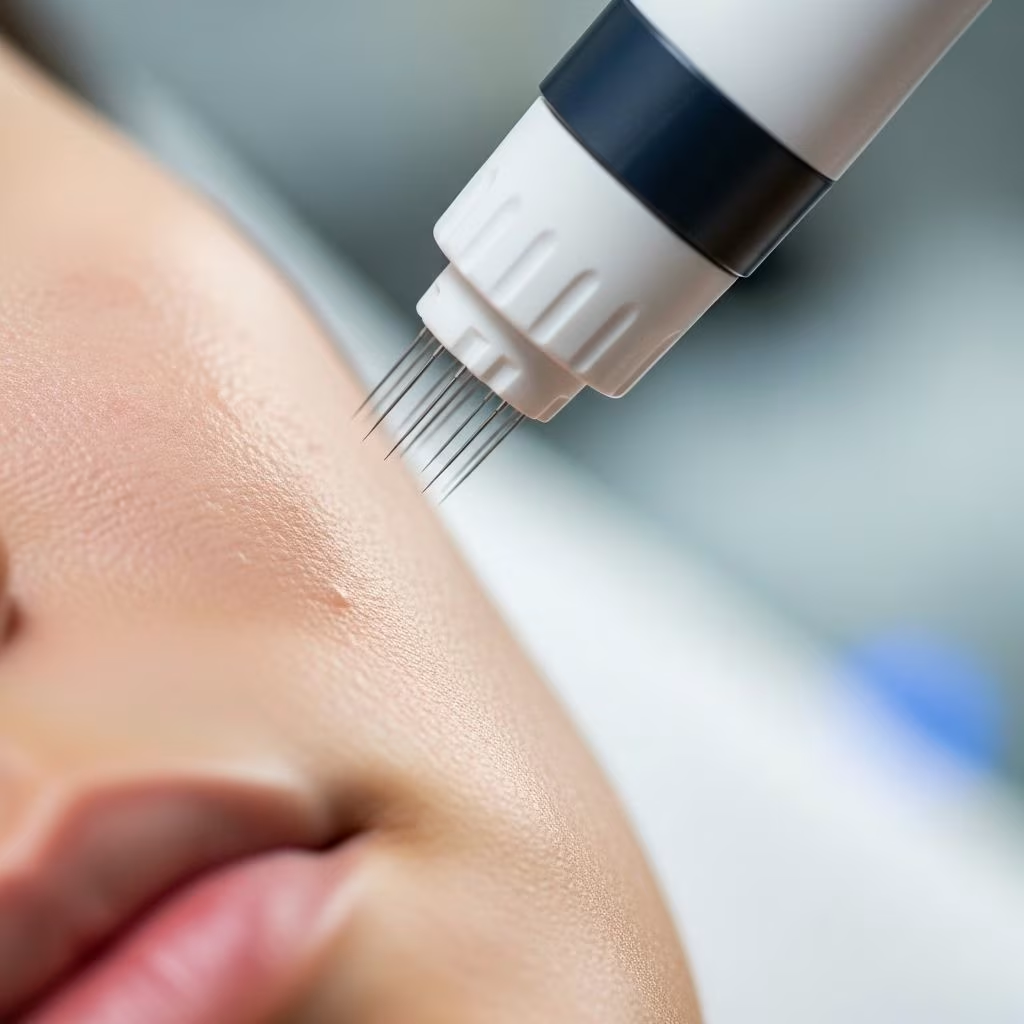
Microneedling, also known as percutaneous collagen induction therapy, skin needling, or dermarolling, is a minimally invasive cosmetic procedure that has gained significant popularity for treating various skin concerns, particularly acne scars. This innovative treatment uses fine needles to create controlled micro-injuries in the skin, triggering the body’s natural healing response and stimulating collagen production.
The procedure involves using a device equipped with multiple fine needles that penetrate the skin at specific depths, typically ranging from 0.5mm to 2.5mm, depending on the severity of the scarring and the area being treated. This controlled damage initiates a cascade of healing processes that ultimately lead to skin rejuvenation and scar improvement.
How Microneedling Works for Acne Scars
The mechanism behind microneedling’s effectiveness for acne scars lies in its ability to stimulate the skin’s natural regenerative processes. When the fine needles create micro-injuries in the skin, several biological responses are triggered simultaneously.
Collagen Stimulation: The primary mechanism involves the activation of fibroblasts, the cells responsible for producing collagen and elastin. These proteins are essential for maintaining skin structure, elasticity, and smoothness. As the skin perceives the micro-injuries as wounds that need healing, it ramps up collagen production significantly.
Tissue Remodeling: The healing process involves the breaking down of old, damaged tissue and the formation of new, healthy skin cells. This remodeling process helps to fill in depressed acne scars and improve overall skin texture.
Improved Blood Circulation: The micro-injuries also enhance blood flow to the treated area, bringing essential nutrients and oxygen that support the healing process and promote healthier skin cell turnover.
Effectiveness and Clinical Evidence
Multiple clinical studies have demonstrated the effectiveness of microneedling for acne scar treatment, with impressive results that support its use as a primary treatment option.
Research Findings: A comprehensive study published in the Journal of Cutaneous and Aesthetic Surgery found that microneedling improved the appearance of acne scars in 80% of study participants. Another significant study showed that patients experienced 51-60% improvement in acne scar appearance after three months of treatment.
Progressive Improvement: Clinical evidence reveals that improvement occurs gradually over time. Patients typically show mild improvement (15-20%) in post-acne scars appearance after one month of treatment, with more significant improvements (51-60%) observed after three months of consistent treatment.
Patient Satisfaction: Studies consistently report high patient satisfaction rates, with some research showing satisfaction levels reaching 80-85% after completing a full treatment course. This high satisfaction rate reflects both the visible improvements in skin appearance and the relatively comfortable treatment experience.
Combination Treatments: Research has shown that microneedling’s effectiveness can be enhanced when combined with other treatments such as vitamin C serums or platelet-rich plasma (PRP), leading to even better outcomes for acne scar improvement.
Types of Acne Scars That Respond to Microneedling
Understanding which types of acne scars respond best to microneedling is crucial for setting realistic expectations and determining treatment suitability.
Depressed (Atrophic) Scars: According to the American Academy of Dermatology, microneedling works best for depressed or atrophic acne scars rather than raised scars. This effectiveness is due to the collagen-inducing effects that help fill in the depressed areas.
| Scar Type | Description | Microneedling Effectiveness |
|---|---|---|
| Rolling Scars | Broad depressions with sloping edges | Good to Very Good Response |
| Boxcar Scars | Round or oval depressions with sharp edges | Good to Very Good Response |
| Ice Pick Scars | Deep, narrow, pitted scars | Moderate Response |
| Raised (Hypertrophic) Scars | Elevated scars with excess collagen | Limited Effectiveness |
Optimal Candidates: Patients with rolling and boxcar scars typically experience the best results from microneedling treatments. These scar types respond well because they benefit from the increased collagen production that helps fill in the depressed areas and smooth the skin surface.
Challenging Cases: Ice pick scars, while treatable with microneedling, often show only moderate improvement due to their deep, narrow nature. Deep atrophic scars may also show limited response and might require combination treatments or alternative approaches for optimal results.
The Microneedling Treatment Procedure
Understanding what to expect during a microneedling session helps patients prepare adequately and ensures optimal treatment outcomes.
Pre-Treatment Preparation: Before the procedure begins, the treatment area is thoroughly cleansed to remove any makeup, oils, or debris. A topical anesthetic cream is then applied and left on the skin for approximately 30-45 minutes to minimize discomfort during the procedure.
The Treatment Process: Once the skin is numbed, the practitioner uses a sterile dermaroller or automated microneedling device to create controlled micro-injuries across the treatment area. The device is moved in a specific pattern to ensure even coverage and optimal results. The entire procedure typically takes 30 minutes to one hour, depending on the size of the area being treated.
Treatment Frequency: Most patients require a series of treatments for optimal results. Clinical studies suggest that six sessions performed at two-week intervals provide significant improvement in acne scarring. However, the exact number of sessions may vary based on individual skin conditions and scar severity.
Post-Treatment Care: Immediately following the procedure, patients may experience facial edema and slight pain, which typically resolves within 24 hours. Mild erythema may persist for 1-2 days post-treatment. Patients are advised to avoid makeup and skincare products for at least 24 hours to allow proper healing.
Results and Timeline
Understanding the timeline for microneedling results helps set appropriate expectations and ensures patients remain committed to their treatment plan.
Immediate Post-Treatment: Immediately after treatment, the skin will appear red and may be slightly swollen, similar to a mild sunburn. This is a normal response and indicates that the treatment has successfully stimulated the skin’s healing processes.
One Month Results: Clinical studies show that patients can expect mild improvement (15-20%) in acne scar appearance and skin texture (20-25%) improvement after one month of treatment. While these changes may be subtle, they represent the beginning of the skin’s remodeling process.
Three Month Results: The most significant improvements typically become visible after three months of consistent treatment. Studies demonstrate that patients experience 51-60% improvement in acne scar appearance and 40-50% improvement in overall skin texture at this stage.
Long-Term Outcomes: The collagen remodeling process continues for several months after treatment completion, meaning that improvements may continue to develop even after the final session. Many patients report continued improvement in skin texture and scar appearance for up to six months post-treatment.
Side Effects and Safety
While microneedling is generally considered safe, understanding potential side effects and safety considerations is essential for informed decision-making.
Common Side Effects: The most frequent side effects include temporary redness, mild swelling, and slight discomfort at the treatment site. These effects are typically mild and resolve within 24-48 hours. Some patients may also experience minor pinpoint bleeding during the procedure, which is normal and expected.
Safety Profile: Microneedling is considered safer than many other acne scar treatments, particularly for individuals with darker skin tones. Unlike laser treatments, microneedling doesn’t damage or remove the outer layer of skin, reducing the risk of hyperpigmentation and other complications in darker skin types.
Minimal Downtime: One of the significant advantages of microneedling is its minimal downtime. Most patients can return to normal daily activities within 2 days of treatment. The recovery period is significantly shorter compared to more aggressive treatments like deep chemical peels or ablative laser procedures.
Risk Mitigation: To minimize risks, it’s crucial to have the procedure performed by qualified professionals using sterile equipment. Patients should follow all post-treatment care instructions and avoid sun exposure during the healing period.
Cost Considerations
The cost of microneedling for acne scars varies significantly based on several factors, making it important to understand the financial investment involved.
Treatment Costs: Professional microneedling sessions typically range from $200 to $800 per session, depending on the geographic location, practitioner expertise, and clinic reputation. Since most patients require multiple sessions, the total treatment cost can range from $1,200 to $4,800 for a complete treatment course.
Factors Affecting Cost: Several factors influence the overall cost of treatment, including the severity of scarring, the number of sessions required, the geographic location of the clinic, and whether combination treatments are recommended. Urban areas and high-end clinics typically charge more for these services.
Value Proposition: When compared to other acne scar treatments like fractional laser therapy or surgical procedures, microneedling often provides excellent value for money. The combination of effectiveness, safety, and relatively lower cost makes it an attractive option for many patients.
Microneedling vs Other Acne Scar Treatments
Comparing microneedling to other available treatments helps patients make informed decisions about their acne scar treatment approach.
| Treatment | Effectiveness | Downtime | Cost Range | Skin Type Suitability |
|---|---|---|---|---|
| Microneedling | Good to Very Good | 1-2 days | $200-800/session | All skin types |
| Fractional Laser | Excellent | 3-7 days | $500-1500/session | Limited for dark skin |
| Chemical Peels | Moderate to Good | 3-14 days | $150-600/session | Variable |
| Dermal Fillers | Immediate but temporary | None | $600-1200/session | All skin types |
Advantages of Microneedling: Microneedling offers several distinct advantages, including its safety for all skin types, minimal downtime, and relatively affordable cost. It also provides natural-looking results through the body’s own collagen production rather than relying on external substances.
Combination Approaches: Many dermatologists recommend combining microneedling with other treatments for optimal results. For example, combining microneedling with PRP or vitamin C can enhance outcomes while maintaining the safety profile of the individual treatments.
Frequently Asked Questions
Q: How many microneedling sessions do I need for acne scars?
A: Most patients require 4-6 sessions spaced 2-4 weeks apart for optimal results. The exact number depends on scar severity and individual healing response.
Q: Is microneedling painful for acne scar treatment?
A: With proper numbing cream application, most patients experience only mild discomfort during the procedure. Any pain typically resolves within 24 hours post-treatment.
Q: Can microneedling make acne scars worse?
A: When performed by qualified professionals using proper techniques, microneedling should not worsen acne scars. However, improper technique or inadequate aftercare could potentially cause complications.
Q: How long do microneedling results last for acne scars?
A: Results from microneedling can last several years as the treatment stimulates natural collagen production. Maintenance sessions every 6-12 months may help sustain optimal results.
Q: Can I do microneedling at home for acne scars?
A: While at-home devices are available, professional treatments using deeper needle depths are more effective for acne scars. Home devices may provide minimal improvement but cannot achieve the same results as professional treatments.
Q: What should I avoid after microneedling treatment?
A: Avoid makeup, harsh skincare products, sun exposure, and intense physical activity for 24-48 hours post-treatment. Use gentle, fragrance-free moisturizers and broad-spectrum sunscreen as recommended by your practitioner.
Q: Who is not a good candidate for microneedling?
A: People with active acne, skin infections, certain autoimmune conditions, or those taking blood-thinning medications may not be suitable candidates. A consultation with a qualified practitioner is essential to determine eligibility.
Conclusion: Microneedling has emerged as a highly effective, safe, and accessible treatment option for acne scars. With clinical evidence supporting its effectiveness and high patient satisfaction rates, it represents an excellent choice for individuals seeking to improve their skin texture and reduce the appearance of acne scarring. The combination of proven results, minimal downtime, and suitability for all skin types makes microneedling a valuable tool in the comprehensive treatment of acne scars.
References
- https://pmc.ncbi.nlm.nih.gov/articles/PMC4509584/
- https://www.healthline.com/health/microneedling-for-acne-scars
- https://www.miamiskinandvein.com/blog/is-microneedling-good-for-acne-scarring/
- https://www.leadingedgedermatology.com/post/microneedling-for-acne-scar-treatment
- https://pmc.ncbi.nlm.nih.gov/articles/PMC5418754/
- https://my.clevelandclinic.org/health/treatments/23113-microneedling
- https://www.cureus.com/articles/233020-efficacy-of-microneedling-and-co2-laser-for-acne-scar-remodelling-a-comprehensive-review
- https://www.stratumclinics.com/microneedling-for-acne-scars-effectiveness-side-effects-and-costs/


