


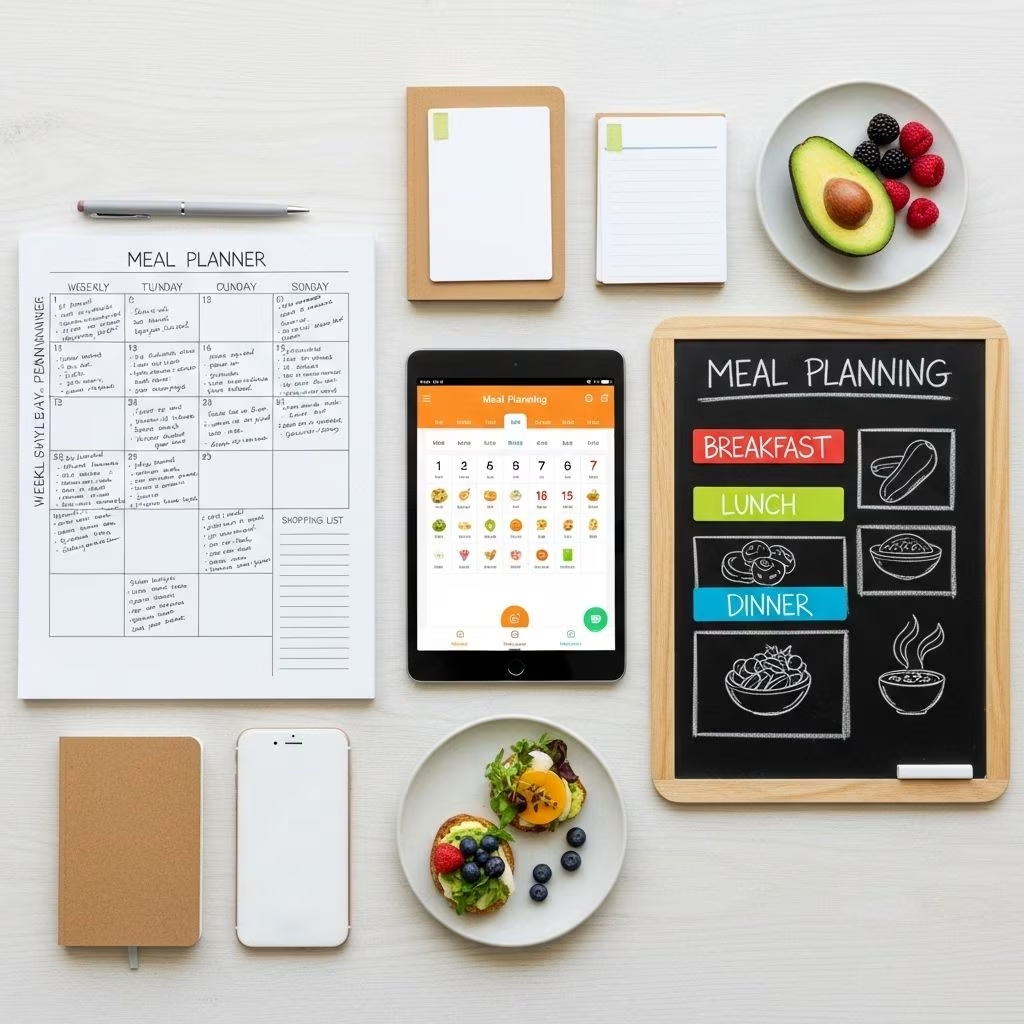
Introduction to Meal Planning Templates
Meal planning is a crucial aspect of maintaining a healthy and organized lifestyle, especially for busy families. It helps in saving time and money while ensuring that meals are nutritious and enjoyable. A well-structured meal plan template can significantly simplify this process by providing a clear outline for planning meals, grocery shopping, and food preparation. This article will explore the best formats for meal planning templates and how they can benefit busy families.
Benefits of Meal Planning
- Time Efficiency: By planning meals in advance, families can save time during the week when time is scarce.
- Cost Savings: Writing down meals helps avoid last-minute takeouts or dining out, reducing unnecessary expenses.
- Healthier Choices: Meal planning encourages preparing home-cooked meals, which are generally healthier than fast food.
- Reduced Stress: Knowing what’s for dinner can eliminate daily stress and decision fatigue.
Types of Meal Planning Templates
There are various types of meal planning templates available, each catering to different needs and preferences. Below are some of the most commonly used formats:
Weekly Meal Plan Templates
These are ideal for planning meals for a week. They often include columns for breakfast, lunch, dinner, and sometimes snacks, making it easy to organize meals from Monday to Sunday. Some templates also have a grocery list section to help with shopping preparations.
Monthly Meal Plan Templates
Monthly templates are useful for families who prefer a longer planning period. They help in maintaining variety by rotating a set of meal plans over four weeks, ensuring that meals do not become repetitive.
Customizable Templates
For families with specific dietary needs or preferences, customizable templates are available. These can be edited in Word or Google Docs to include family members’ names or different meal options.
Key Features of Meal Planning Templates
A good meal planning template should include several key features to ensure it is effective and user-friendly:
- Space for Meal Planning: Dedicated sections for planning breakfast, lunch, and dinner for each day of the week.
- Grocery List: A place to jot down the ingredients needed for the planned meals.
- Flexibility: The ability to adjust the template as needed, such as adding snacks or changing meal plans.
- Visual Appeal: Templates with attractive designs can make meal planning more enjoyable.
Creating Your Own Meal Plan Template
While many free templates are available, creating your own can be beneficial if you have specific needs not met by existing templates. Here’s how to create one:
1. Decide on a Format: Choose whether you want a weekly or monthly template based on your family’s needs.2. Determine the Structure: Include columns for breakfast, lunch, dinner, and snacks if needed. Add a grocery list section.3. Customize: Use a spreadsheet or document editor (like Google Docs or Microsoft Word) to create and customize your template.4. Make It Visually Appealing: Add colors or images to make the template engaging and easy to use.
Popular Tools for Meal Planning Templates
Several tools and platforms offer customizable meal planning templates:
- Canva: Offers a variety of customizable templates with photos and icons.
- Google Sheets/Docs: Provides editable templates that can be shared among family members.
- Microsoft Word: Allows for detailed customization and editing.
Implementing a Meal Plan Effectively
Once you have a template, implementing it effectively is crucial for success:
1. Plan Meals in Advance: Set aside time each week to fill out your meal plan template.2. Make a Grocery List: Use your meal plan to create a detailed grocery list.3. Shop Strategically: Buy ingredients in bulk when possible and avoid shopping when hungry.4. Prepare in Advance: Consider prepping ingredients or meals ahead of time to save time during the week.
Common Challenges and Solutions
While meal planning can be beneficial, there are common challenges that families may face:
Running Out of Ideas
Solution: Rotate meals seasonally or try new recipes to keep things interesting.
Managing Dietary Restrictions
Solution: Use customizable templates to plan meals around specific dietary needs.
Dealing with Last-Minute Changes
Solution: Keep a backup plan or emergency meals in mind for unexpected changes.
FAQs
Q: How do I get started with meal planning?
A: Start by picking a template that suits your family’s needs. Then, plan meals for the week, make a grocery list, and shop accordingly.
Q: What if I have dietary restrictions?
A: Use a customizable template to plan meals around your dietary needs. You can also search for specific dietary meal plans online.
Q: How do I keep meal planning interesting?
A: Try new recipes, plan meals seasonally, or rotate a set of favorite meals to keep things fresh.
Conclusion
Meal planning templates are a valuable tool for busy families seeking to maintain a healthy and organized lifestyle. By choosing the right template and implementing it effectively, families can enjoy stress-free meals and a more balanced diet. Whether you prefer a weekly or monthly template, the key to success lies in customization and consistency.
References
- https://www.101planners.com/meal-plan-template/
- https://kalynbrooke.com/personal-growth/habits-routines/monthly-meal-planner-template/
- https://www.livecrafteat.com/printable-weekly-meal-planner/
- https://www.simplyenough.net/meal-plan/
- https://themanylittlejoys.com/how-to-simplify-weekly-meal-planning-free-printable-templates/
- https://www.canva.com/menus/templates/meal-planner/
- https://habitsandhome.com/how-to-make-weekly-family-meal-plan/


