


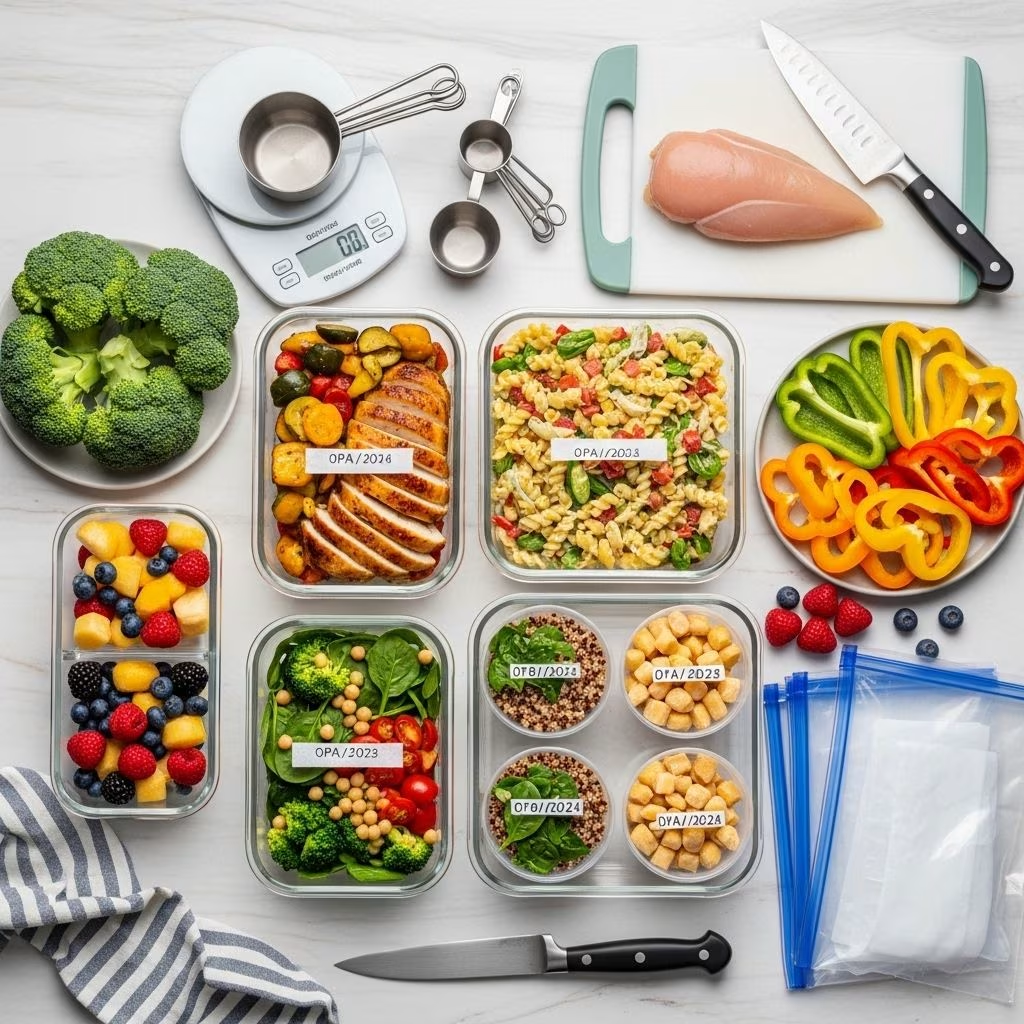
Freezer meal prep is one of the best ways to save time, reduce food waste, and ensure healthy home-cooked meals are always within reach. However, improper freezing techniques can lead to spoilage, foodborne illness, and reduced food quality. This comprehensive guide demystifies the science and art of freezing food safely, empowering home cooks to meal prep with confidence and care.
Why Freeze Food? Preserving Taste and Nutrition
Freezing is one of nature’s most effective food preserver. By lowering food temperature below 0° F (-18° C), freezing halts bacterial growth, locks in nutrients, and slows enzymatic reactions that degrade food quality over time.
- Nutrition: Freezing does not significantly reduce the nutrient content of most foods; vitamins and minerals remain largely intact.
- Flavor: Proper freezing preserves flavor and texture, especially when foods are tightly wrapped and quickly cooled.
- Shelf Life: Many meals can be safely frozen for three months or more, yet taste best when consumed within four months for freshness.
- Convenience: Having meals, snacks, and ingredients prepped in the freezer saves time and reduces reliance on processed options.
Preparation Essentials: Safety First
Food safety is paramount when freezing food for later consumption. Mishandled ingredients or poor cooling habits can open pathways for bacteria and toxins, even if food is eventually frozen. Adhere to these core guidelines for safe prep:
- Hygiene: Always wash your hands, utensils, and surfaces before preparing any food. Avoid cross-contamination between raw and cooked foods.
- Cool Before Freezing: Cool cooked foods slightly at room temperature—no more than 20–30 minutes for shallow pans—then complete cooling in the refrigerator before freezing.
- Do Not Delay: Refrigerate or freeze perishable foods immediately after cooking; never leave meats, dairy, eggs, or cut produce at room temperature for more than 2 hours (1 hour above 90° F/32° C).
- Use Fresh Ingredients: Only freeze foods while fresh; do not freeze items already near spoilage, as freezing does not kill bacteria but only halts their growth.
Tip: When meal prepping, separate portions for freezing before serving to avoid “picked-over” leftovers.
Choosing the Right Containers and Bags
Your container choice markedly affects food quality, freezer burn prevention, and storage efficiency.
- Use “Freezer” Labeled Containers/Bags: Freezer bags and containers are thicker and designed to keep air and moisture out, preserving texture and flavor.
- Airtight is Essential: Squeeze excess air before sealing to limit oxidation and freezer burn.
- Plastic Wrap & Foil: For extra protection, tightly wrap foods in plastic or foil before placing into freezer bags. For vacuum sealing, remove as much air as possible.
- Portions Matter: Use container sizes that match the meal you’ll want to thaw—smaller portions freeze/thaw more evenly and reduce waste.
| Container Type | Best For | Notes |
|---|---|---|
| Freezer Bags | Soups, stews, sauces, vegetables | Store flat for quicker freezing/thawing, stack when frozen |
| Rigid Plastic Containers | Leftovers, baked goods, casseroles | Leave headspace for expansion |
| Foil Pans | Lasagna, baked dishes | Double-wrap to prevent odors |
| Vacuum Sealers | Meats, produce, long-term storage | Maximizes shelf life, reduces freezer burn |
How to Freeze Food: Step-by-Step
- Cool Quickly: Divide large dishes into shallow containers. Limit food depth to 2 inches for fastest cooling.
- Chill in Fridge: Loosely cover and cool food in the refrigerator until cold—this prevents condensation, which causes freezer burn and ice crystals.
- Package Tightly: Transfer to your chosen freezer container, minimizing air inside. Double-wrap if needed for extra protection.
- Flatten Bags: For liquids, lay bags flat to create a thin “brick”—they’ll freeze and thaw faster and stack easily.
- Label: Mark contents, freeze date, number of servings, and any special instructions with a permanent marker or freezer label.
- Freeze Swiftly: Place packages in a single layer so air flows all around. Only stack once frozen solid—overcrowding slows freezing and risks bacteria growth.
Smart Portioning and Accurate Labeling
Proper portion sizing curbs food waste and makes meal planning effortless. Consider your household’s eating habits to choose the best sizes. For families, one to two-cup portions are typical; for sauces or herbs, tablespoon-size ice cube trays or silicone molds are ideal.
- Label Everything: Always include the food name, freeze date, portion size, and any special details (e.g., “spicy” or “contains nuts”).
- Inventory Regularly: Maintain a freezer log to keep track of what needs to be used soonest. Arrange older items in front.
Freezer Organization for Efficiency and Safety
Maximize freezer performance and make meal retrieval easy with these strategies:
- Never Overfill: Avoid crowding; air needs to circulate to freeze quickly and evenly.
- Stack Once Frozen: Place items in a single layer until solid, then arrange by frequency of use or food type.
- Store Flat and Upright: Flat bags stack best. Store liquids vertically once frozen to save space.
- Use Bins/Dividers: Group similar meals or ingredients with bins to prevent lost items.
- Thermometer Check: Keep an appliance thermometer in the freezer and aim for a temperature of 0° F (-18° C) or lower.
Defrosting and Reheating: Preventing Hazards
Thawing food incorrectly can undo your best safety efforts. Use these proven methods:
- In the Refrigerator: Move food from freezer to fridge 24 hours ahead; safest for all foods, especially meats and seafood.
- Cold Water Method: Submerge frozen bags (well-sealed) in cold water, changing water every 30 minutes. Never use warm water, as it promotes bacterial growth.
- Microwave: Use defrost settings for quick thawing, but cook immediately after.
- Avoid Countertop Thawing: Never thaw perishable foods on the counter – bacteria can grow rapidly at room temperature.
- Do Not Refreeze Thawed Foods: Once thawed, use promptly and do not refreeze unless you cook the food first.
Avoiding Common Freezing Mistakes
Avoid these typical pitfalls to get the most out of your freezer meal prep:
- Freezing Hot Food: Placing hot food in the freezer causes ice crystals and freezer burn, and raises freezer temperature for other foods.
- Poor Packaging: Using “storage” bags or containers instead of “freezer” types leads to stale, flavorless food.
- Neglecting Air Removal: Air is the enemy; always squeeze out as much as possible before freezing.
- Overfilling Freezer: Overcrowding blocks air circulation and slows freezing. Only freeze what your appliance can handle at once.
- Ignoring Food Type Limits: Some foods freeze poorly (lettuce, cream-based sauces, fried foods, raw eggs in shell); always check guidelines before freezing unusual items.
Frequently Asked Questions (FAQs)
How long can food safely stay frozen?
Food stored at or below 0° F remains safe indefinitely from bacteria, but quality peaks within 3–4 months for most cooked dishes. Use a vacuum sealer to extend shelf life.
Can I freeze food that’s already been cooked and reheated once?
It’s safest to freeze foods after the initial cook, before reheating. Minimize reheating cycles to avoid texture loss and bacteria risk.
Why does my frozen food get “freezer burn”? Is it still safe?
Freezer burn is caused by air exposure, leading to dry patches and flavor loss. It doesn’t make food unsafe, but does affect taste and texture. Trim freezer-burned spots if needed.
Can I freeze dairy products or eggs?
Some dairy (cheese, butter) freezes well, but cream-based sauces may split. Do not freeze eggs in their shells; beaten eggs or yolks can be frozen with added sugar or salt to prevent gumminess.
Do I need to thaw food before cooking?
Not always. Many casseroles, soups, and cooked proteins can be cooked straight from frozen; simply add extra time and ensure the internal temperature reaches a safe level (at least 165° F/74° C).
Further Resources
- USDA Food Safety Guidelines: Comprehensive advice on freezing and thawing safety
- FDA Freezing and Food Safety: Detailed standards and best practices for home cooks
- University Extension Programs: Free downloadable charts for freezer storage times
Key Takeaways for Meal Prep Success
- Always cool, portion, and package food properly before freezing to lock in freshness and flavor.
- Label everything with dates and clear names to cut down on food waste and confusion.
- Organize your freezer for consistent temperature and quick air circulation.
- Thaw with care—to refrigerator, cold water, or microwave—and never at room temperature.
- Freezer meal prep is a powerful ally for health, nutrition, and busy living—but only when done safely!
Master these freezing fundamentals to make meal prep your secret weapon for safe, nutritious, and delicious home-cooked meals—always ready, always healthy.
References
- https://www.soupercubes.com/blogs/blog/how-to-freeze-meal-prep-guide
- https://food.unl.edu/article/freezing-cooked-food-future-meals-freezer-bag-tips/
- https://niksharma.substack.com/p/the-smart-cooks-guide-to-freezing
- https://www.canr.msu.edu/news/keep_make_ahead_freezer_meals_safe
- https://www.youtube.com/watch?v=pNM8b0RS2gM
- https://www.katelymannutrition.com/blog/freezer-meal-prep-tips


