


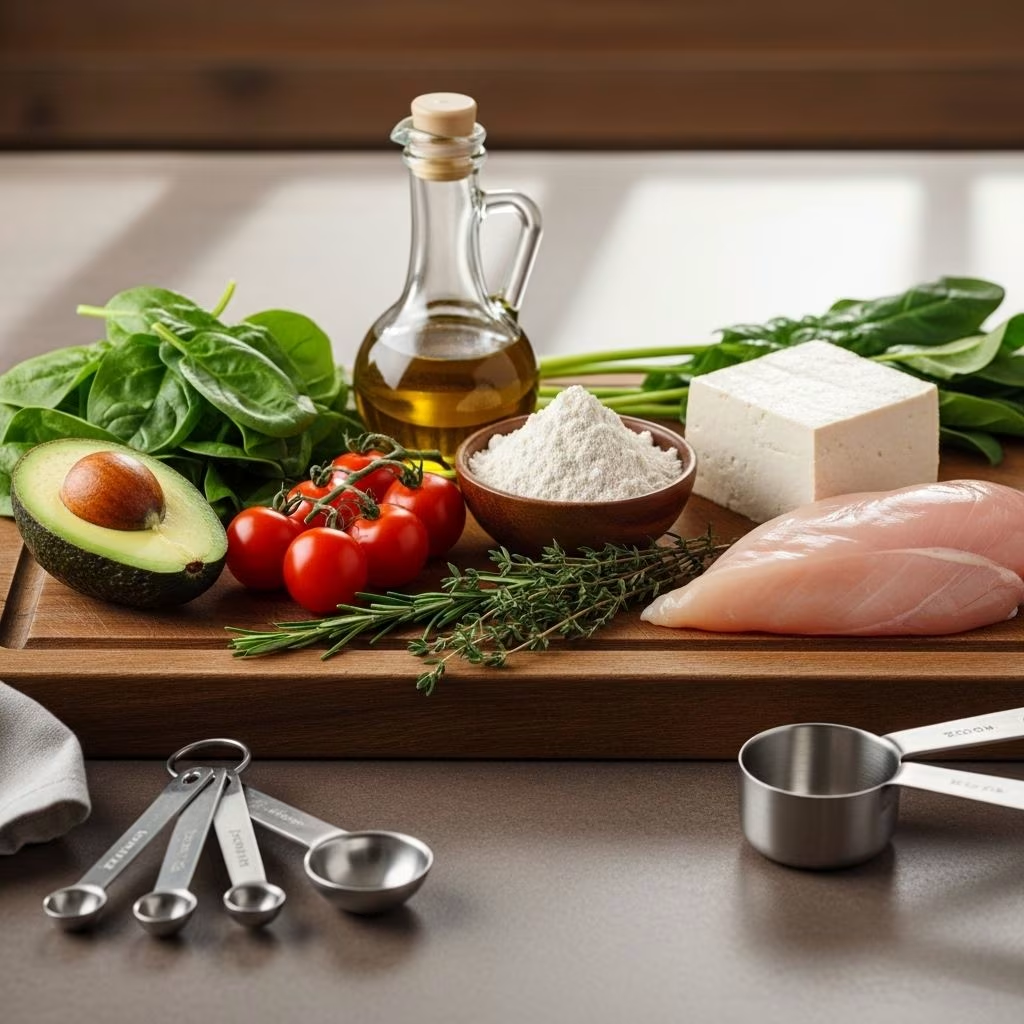
Healthy eating starts at home, and small recipe changes can make everyday meals much better for your family’s health. Whether you want to reduce added sugars, cut saturated fat, or boost the nutritional value of staples, this comprehensive guide shows parents how to make practical ingredient swaps, adjust cooking methods, and balance traditional flavors with well-being.
Why Modify Recipes?
Most traditional and convenience recipes are higher in saturated fats, added sugars, and sodium than recommended for optimal health—especially for growing children. By making informed swaps, parents can:
- Reduce chronic disease risk by lowering unhealthy fats, sugars, and salt intake.
- Increase nutritional value by boosting fiber, vitamins, and minerals through wholesome ingredients.
- Create lifelong healthy eating habits by teaching kids to love nutritious food from a young age.
- Respect dietary restrictions such as allergies, intolerances, and cultural needs with easy modifications.
Core Principles of Healthier Recipe Swapping
Smart recipe modification goes beyond simply cutting out ingredients—it’s about creative changes that maintain flavor, texture, and family appeal.
- Reduce, replace, add: Cut less healthy ingredients, substitute with better options, and add extra nutrition where possible.
- Balance flavor and nutrition: Use herbs, spices, and citrus to enhance dishes instead of relying on salt or sugar.
- Choose whole foods: Integrate more whole grains, fresh produce, lean proteins, and plant-based options.
- Adjust gradually: Make one or two changes at a time to help kids adjust and minimize resistance.
Simple Swaps by Category
The following are some of the most effective ingredient substitutions parents can use to make recipes healthier without sacrificing satisfaction.
Grains and Flours
- Swap white bread or rice for whole grain versions (whole wheat bread, brown rice, quinoa), to increase fiber and nutrients.
- Use whole grain pasta instead of white pasta for added fiber and a lower glycemic impact.
- Replace a portion of all-purpose flour with whole wheat flour (up to half, or use white whole-wheat flour for a lighter taste).
Sugars and Sweeteners
- Reduce added sugar by one-third to one-half in most baked goods and desserts (often no one will notice the difference).
- Use applesauce, mashed banana, or pureed dates in place of part of the sugar and fat in muffins, quick breads, or cakes—a double-duty swap for moisture and sweetness.
- Choose fruit canned in water or juice, not syrup; use unsweetened dried fruit or fresh fruit.
Salt and Sodium
- Reduce or skip added salt—especially if the recipe includes salty ingredients (like canned beans or broths).
- Rinse canned beans and vegetables under water to remove excess sodium.
- Season with herbs, spices, lemon juice, or vinegar instead of extra salt.
- Choose lower sodium versions of broths, soy sauce, and condiments.
Fats and Oils
- Replace butter or lard with healthier plant oils (olive, canola, sunflower) for most cooking.
- Use reduced-fat dairy or non-dairy alternatives (like low-fat yogurt for cream or sour cream).
- Choose lean cuts of meat; remove visible fat and skin before cooking; opt for legumes more often.
Proteins
- Add beans or lentils to meat dishes, soups, stews, or even pastas for extra fiber, minerals, and less saturated fat.
- Replace half or all of the meat in recipes with plant-based protein sources like tofu, chickpeas, or lentils.
Fruits and Vegetables
- Add extra vegetables to soups, stews, pasta dishes, and casseroles—grated carrots, zucchini, spinach, or bell peppers can boost nutrition and color with minimal flavor change.
- Use baked, grilled, or roasted fruit for dessert instead of pies or cakes made with excess sugar.
- Leave peels on apples, carrots, and potatoes for maximized fiber in baked goods or sides.
Healthy Cooking Methods
How you cook matters as much as what you cook. Switching to lower fat, lower calorie methods preserves nutrients, improves heart health, and can be just as delicious.
- Bake, broil, steam, or grill foods instead of frying.
- Use nonstick pans, parchment, or silicone baking mats to cut down on required fats.
- Swap deep-fried favorites for oven-baked versions (such as potato wedges or breaded chicken tenders).
- Reduce added fats by sautéing vegetables with a splash of broth or water instead of oil.
Accommodating Dietary Restrictions
It’s easy to adapt family favorites for allergies, intolerances, or ethical preferences—often with no impact on taste or texture when done thoughtfully.
- Gluten-free swaps: Use gluten-free flours like brown rice, chickpea, or buckwheat instead of wheat flour. Adjust other wet/dry ingredients for needed consistency.
- Dairy-free swaps: Replace cow’s milk with fortified unsweetened soy, oat, or almond beverage.
- Nut-free swaps: Substitute sunflower seed butter or tahini for peanut butter, or use roasted seeds in place of nuts for crunch.
- Vegetarian/vegan options: Use beans, tofu, tempeh, or lentils in place of meat; adapt cheese-heavy dishes with nutritional yeast or plant-based cheeses.
Navigating Family Traditions and Tastes
Many parents worry that swaps may “ruin” family favorites or clash with cultural traditions. In reality, thoughtful tweaks can honor heritage while supporting growing bodies.
- Incorporate traditional flavors and spices even when switching out salt, sugar, or certain fats—this keeps the dish’s identity intact.
- Mix familiar and new: Add family-traditional vegetables or protein sources to modern dishes for comfort and nutrition.
- Experiment with alternative ingredients when certain items are unavailable or need to be replaced—cassava, bok choy, or wild game can give a cultural twist while boosting variety.
- Involve kids in the process: Let them pick a new vegetable or help stir in a swap, making them more likely to try and enjoy new versions.
Practical Tips for Success
- Start with easier swaps (whole grains, reducing sugar, adding vegetables) before making more complex changes.
- Make it a family challenge: Encourage everyone to help find and taste-test new swaps; celebrate creative, healthy results.
- Try partial swaps first (half white flour, half whole wheat) for smoother transitions, especially in sensitive recipes like muffins or pancakes.
- Introduce only one or two changes per recipe; kids and picky eaters adapt better to gradual shifts.
- Keep favorite elements intact (like a favorite spice, sauce, or texture) to maintain acceptance.
- Read nutrition labels to choose lower-sodium, lower-sugar, higher-fiber alternatives when buying packaged items.
Sample Swaps Table
| Instead of… | Try this healthier swap | Benefit |
|---|---|---|
| White rice | Brown rice, quinoa, or barley | More fiber, longer-lasting energy, vitamins |
| Heavy cream in sauces | Low-fat yogurt or evaporated skim milk | Less saturated fat, lower calories |
| Ground beef in chili | Half lentils or black beans with lean ground meat | Increased fiber, less fat |
| Butter in baking | Applesauce or mashed banana (half of the amount) | Lower saturated fat, extra nutrients |
| Salt | Herbs, garlic, or lemon juice | Flavorful with less sodium |
| Peanut butter (for allergies) | Sunflower seed butter | Safe for nut-free homes |
| White flour (baking) | Half whole-wheat or oats, ground flax | Boosts fiber without heavy texture |
| Canned soup (cream-based) | Homemade with pureed veggies and broth | Lower sodium, more vitamins |
Frequently Asked Questions (FAQs)
Can I make swaps without changing the taste?
Gradual swaps—such as reducing sugar a little at a time or combining white and whole-wheat flours—rarely change the taste noticeably, especially for kids. Many swaps, like using herbs for extra flavor or adding finely shredded vegetables, can even enhance the overall appeal.
Are all swaps healthy for every child?
Some swaps—like using legumes, nuts, or certain grains—might not suit children with food allergies or digestive conditions. Always consult with a healthcare provider or registered dietitian when accommodating specific dietary needs, intolerances, or medical concerns.
How do I get picky eaters to accept healthier changes?
Involve kids in choosing and preparing swaps. Present new changes alongside familiar items and encourage tasting but avoid pressure. Gradual changes and positive family discussions about nutrition help foster acceptance over time.
What if the swap changes the recipe’s texture?
Some changes (such as shifting to whole grain flour or plant-based proteins) can slightly alter texture. Try starting with partial swaps and adjusting other elements of the recipe (like moisture or seasoning) to balance out the differences.
Is it safe to halve sugar or salt in any recipe?
For most baked goods, you can safely reduce sugar by one-third to one-half. For yeast breads, sugar supports rising and shouldn’t be completely removed. Salt also serves as a preservative in some cases, so be mindful when adjusting recipes meant for longer storage.
Conclusion: Building Lifelong Healthy Habits
Making recipes healthier doesn’t mean sacrificing flavor or family tradition. By using simple, strategic swaps and exploring new ingredients together, parents can put nutritious, satisfying meals on the table and lay the foundation for a healthier future. Remember: it’s the small, everyday choices that add up over time. Start today, one swap at a time!
References
- https://food-guide.canada.ca/en/cooking-skills/adjusting-recipes-meet-your-needs/
- https://www.eatforhealth.gov.au/eating-well/healthy-recipes/recipe-modification-tips
- https://dpi.wi.gov/sites/default/files/imce/community-nutrition/pdf/menu-planning-guide-web.pdf
- https://fairfield.osu.edu/sites/fairfield/files/imce/FCSPDFs/Modifying%20a%20Recipe%20to%20Be%20Healthier.pdf
- https://ohioline.osu.edu/factsheet/HYG-5543
- https://texas4-h.tamu.edu/wp-content/uploads/food_nutrition_food_challenge_altering_recipes.pdf
- https://www.foodafactoflife.org.uk/11-14-years/cooking-11-14-years/cooking-for-health-11-14-years/
- https://ccefm.com/upload/content/Recipe%20Substitutions_1.pdf
- https://www.betterhealth.vic.gov.au/health/healthyliving/healthy-cooking-tips
- https://d64-h.tamu.edu/files/2019/08/Ohio.pdf


