


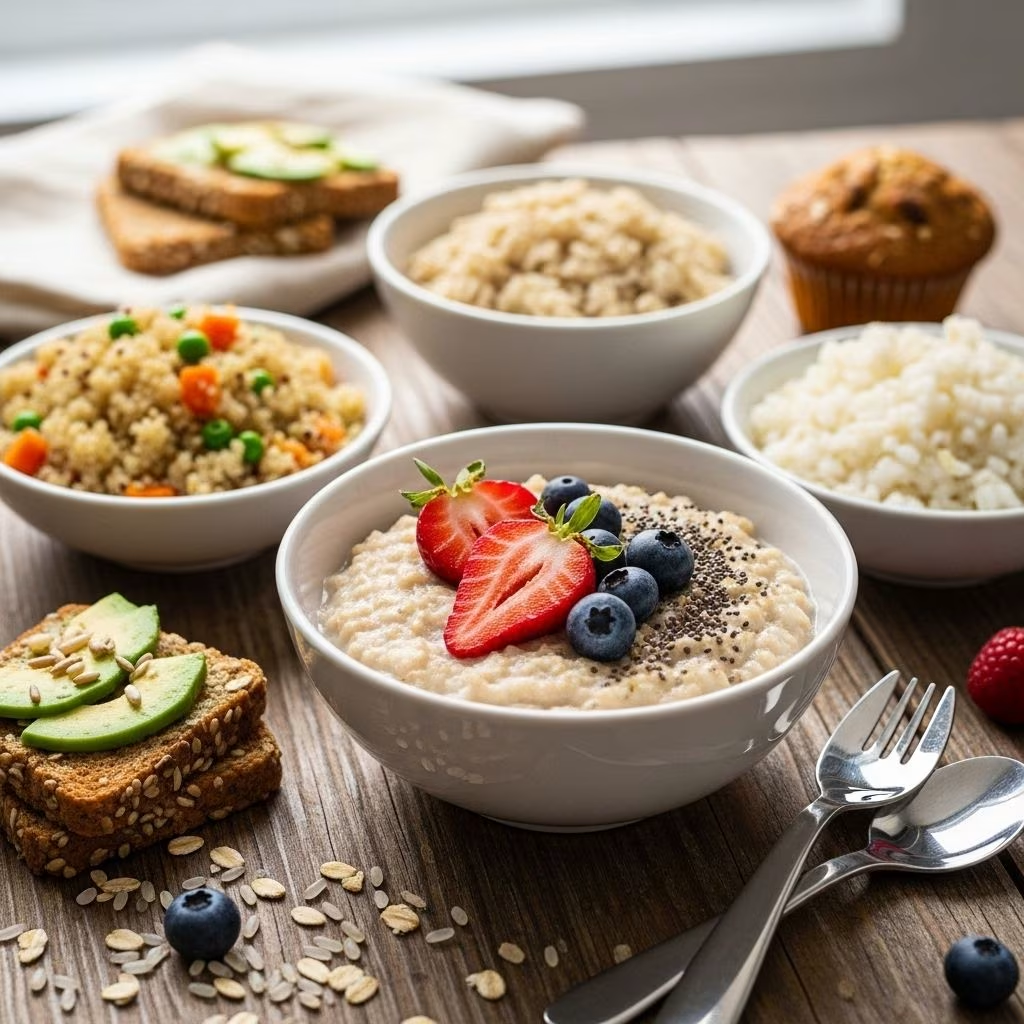
Introduction to Whole Grains
Whole grains are essential components of a healthy diet, especially for toddlers. Unlike refined grains, which are stripped of their nutrient-rich bran and germ layers, whole grains retain these layers, providing essential nutrients like fiber, vitamins, and minerals. For toddlers, whole grains are particularly beneficial as they support growth and development, while also promoting healthy eating habits from an early age.
Benefits of Whole Grains for Toddlers
Introducing whole grains early in a child’s diet can have long-term health benefits. Here are some key advantages:
- Nutrient Content: Whole grains are rich in fiber, B vitamins, vitamin E, magnesium, iron, and antioxidants, which are crucial for toddlers’ energy and immune system development.
- Health Benefits: Consuming whole grains consistently can help reduce the risk of heart disease, Type 2 diabetes, and certain cancers later in life.
- Healthy Eating Habits: Starting toddlers on whole grains early can instill healthy eating habits that may last into adulthood, influencing future food choices positively.
Refined Grains: Understanding the Differences
Refined grains undergo processing that removes the bran and germ, leaving only the starchy endosperm. While refined grains are often enriched with certain B vitamins and iron, they lack the fiber and nutrients present in whole grains.
Whole Grains to Refined Grains Ratio for Toddlers
The Dietary Guidelines for Americans suggest that toddlers should consume at least half of their grains as whole grains. For children aged 12 to 24 months, the recommendation is even more emphasized, with the suggestion that they make up to two-thirds of their grain intake whole.
Why This Ratio Matters
This ratio is crucial for toddlers because it ensures they receive the necessary nutrients for growth and development while minimizing exposure to processed foods that may lead to health issues like obesity and chronic diseases later in life.
Introducing Whole Grains to Toddlers
Introducing whole grains to toddlers can be done gradually and creatively:
- Start Early: Introduce whole grains as early as 6 months when starting solid foods, as they provide essential energy and nutrients.
- Be Creative: Use whole grains like oats, bulgur, millet, quinoa, and barley in various dishes.
- Make It Fun: Offer whole grain cereals or oatmeal for breakfast, and use whole grain bread for snacks.
Choosing Whole Grain Foods
When selecting whole grain foods, look for the following:
- Check the Label: Ensure that whole grains are listed at the top of the ingredient list.
- Variety is Key: Include a mix of whole grains such as brown rice, wild rice, and whole grain pasta in your child’s meals.
- Less Familiar Grains: Experiment with less common whole grains like polenta, amaranth, and bulgur to add variety.
Addressing Challenges in Introducing Whole Grains
Some parents may face challenges when transitioning their toddlers to whole grains:
- Palatability: Some children may resist the taste or texture of whole grains. Start with small portions mixed with familiar foods.
- Family Involvement: Encourage all family members to adopt whole grain habits to create a supportive environment.
- Education and Awareness: Educate older siblings about the benefits of whole grains to foster a positive attitude towards healthy eating.
Frequently Asked Questions (FAQs)
Q: At what age should I introduce whole grains to my toddler?
A: Whole grains can be introduced as early as 6 months when starting solid foods, as they provide essential nutrients and energy.
Q: How much of my toddler’s diet should consist of whole grains?
A: It is recommended that at least half of your toddler’s grain intake should come from whole grains, with the goal of reaching two-thirds for children aged 12 to 24 months.
Q: Are refined grains completely unhealthy for toddlers?
A: While refined grains lack the nutritional benefits of whole grains, enriched versions can provide some essential vitamins and minerals. However, they should be consumed in moderation.
Q: How can I make whole grains appealing to my toddler?
A: Use creative recipes and integrate whole grains into familiar dishes. Positive reinforcement and involving the whole family in the transition can also help.
Conclusion
Incorporating whole grains into a toddler’s diet is crucial for their health and development. By understanding the benefits and challenges associated with whole grains, parents can make informed decisions to create a balanced and nutritious diet for their children. As the Dietary Guidelines emphasize, making a significant portion of grain intake whole can set the stage for lifelong healthy eating habits.
References
For more detailed information and resources on whole grains and toddler nutrition, consider consulting the Dietary Guidelines for Americans or the Whole Grains Council website.
References
- https://pmc.ncbi.nlm.nih.gov/articles/PMC8826838/
- https://wholegrainscouncil.org/blog/2021/01/new-age-specific-dietary-guidelines-emphasize-whole-grains-kids
- https://www.myplate.gov/eat-healthy/grains
- https://babynama.com/blog/when-and-how-to-introduce-whole-grains-to-baby-and-children
- https://www.stanfordchildrens.org/en/services/nutrition-services/whole-grain.html
- https://www.fns.usda.gov/cacfp/grain-requirements-qas
- https://nutritionsource.hsph.harvard.edu/kids-healthy-eating-plate/
- https://www.heart.org/en/healthy-living/healthy-eating/eat-smart/nutrition-basics/dietary-recommendations-for-healthy-children


