


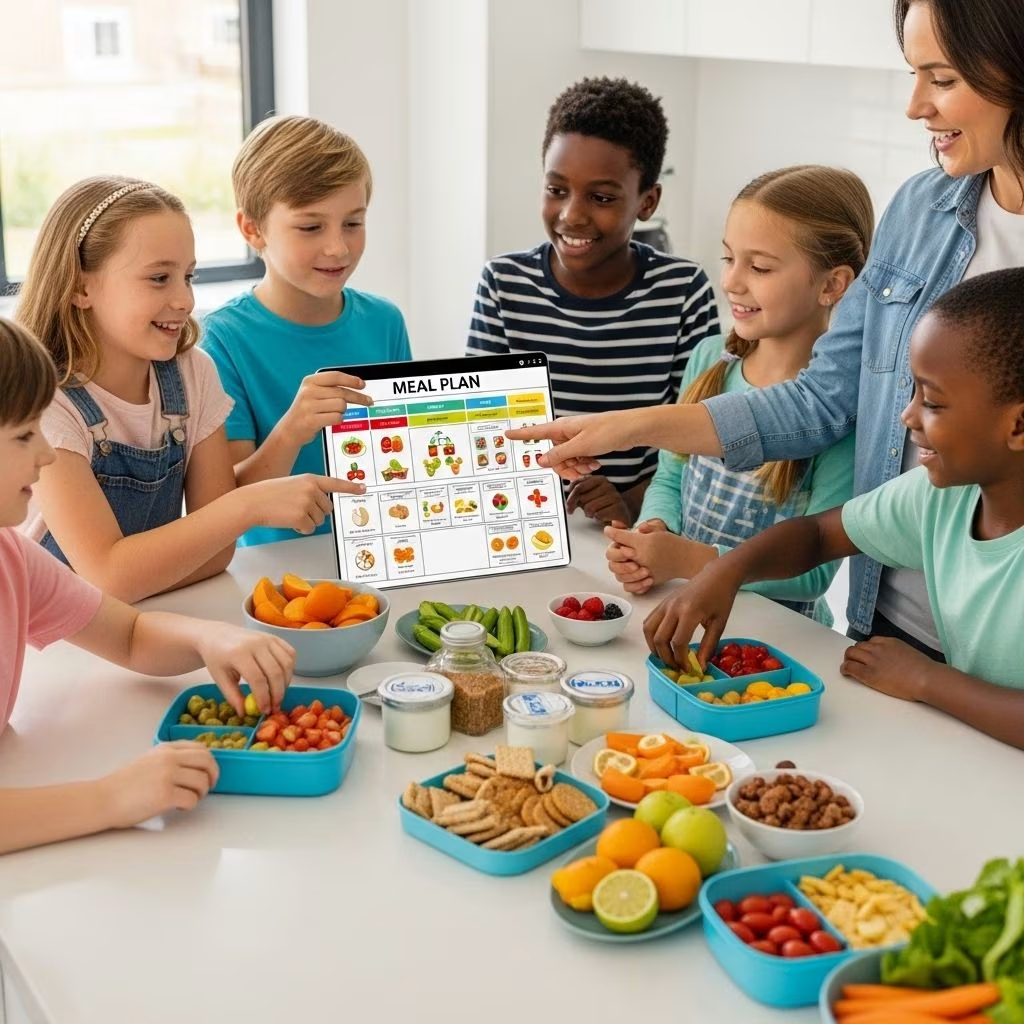
Managing mealtimes for children with ADHD and executive function challenges can feel overwhelming for many parents. The constant decisions about what to cook, when to eat, and how to maintain nutritional balance often create stress for both children and caregivers. Visual meal planning emerges as a powerful solution that transforms mealtime chaos into structured, predictable routines that help ADHD children thrive.
Children with ADHD typically struggle with executive function skills such as planning, organizing, time management, and decision-making. These challenges directly impact their ability to navigate daily routines, including mealtimes. Visual meal plans address these difficulties by providing concrete, easy-to-understand representations of what, when, and how meals will unfold throughout the week.
Understanding ADHD and Executive Function Challenges at Mealtime
Executive function encompasses the cognitive processes that help us plan, focus attention, remember instructions, and manage multiple tasks successfully. For children with ADHD, these mental processes often work differently, creating specific challenges during mealtimes. They may have difficulty sitting still during meals, remembering mealtime routines, transitioning from activities to eating, or making appropriate food choices.
The ADHD brain craves novelty yet simultaneously benefits from predictability and structure. This paradox makes mealtime particularly challenging. Children with ADHD may become distracted easily during meals, forget to eat altogether when hyperfocused on activities, or experience decision paralysis when faced with too many food choices. Visual meal plans bridge this gap by providing structure while allowing for some variety and choice within a predictable framework.
Research consistently demonstrates that children with ADHD benefit enormously from routine and predictability. Meal planning establishes regular meal times, contributing to a structured daily schedule that enhances a child’s sense of security and stability. When children know what to expect, their anxiety decreases, and their ability to cooperate and participate increases dramatically.
The Science Behind Visual Supports for ADHD
Visual schedules and supports work exceptionally well for children with ADHD because they leverage the brain’s natural preference for processing visual information. The human brain processes images 60,000 times faster than text, making visual cues an ideal tool for capturing and maintaining the attention of children with ADHD.
Visual meal plans promote independence and problem-solving skills. Children with ADHD may have difficulty keeping their attention span for more than a few minutes or trouble listening to verbal instructions and following through with multi-step tasks. Visual schedules provide a novel way to grab their attention while offering meaning and comprehension that helps them complete tasks more independently.
These visual tools also reduce power struggles by removing the personal element from adult demands. Instead of a parent repeatedly telling a child what to eat or when it is time for dinner, the visual schedule becomes the authority. This subtle shift can significantly decrease resistance and conflict around mealtimes.
Core Benefits of Visual Meal Planning for ADHD Children
Consistency and Routine: ADHD children flourish with routine and predictability. Meal planning establishes regular meal times, contributing to a structured daily schedule that enhances security and stability. When children can anticipate what comes next, they experience less anxiety and demonstrate better behavioral regulation.
Reduced Decision-Making Stress: Having a meal plan in place eliminates the stress associated with spontaneous decisions about what to cook. This benefit extends to the child as well, who no longer faces overwhelming choices at each mealtime. Decision fatigue is a real phenomenon that affects everyone but particularly impacts individuals with ADHD who already expend significant mental energy managing their symptoms.
Balanced Nutrition: Meal planning allows parents to ensure children receive a well-balanced and nutritious diet. This proves crucial for supporting overall health, cognitive function, and managing ADHD symptoms. Proper nutrition, including adequate protein, complex carbohydrates, and essential fatty acids, can positively impact ADHD symptoms and overall brain function.
Enhanced Time Management: Meal planning helps parents manage time more efficiently, making it easier to prepare meals and handle other responsibilities. For children with ADHD who struggle with time management themselves, participating in meal planning can teach valuable time management skills that transfer to other areas of life.
Minimized Food Waste: A clear plan for grocery shopping and cooking minimizes food waste. This practical benefit also teaches children about resource management and planning ahead, important executive function skills.
Creating an Effective Visual Meal Plan
Choose the Right Format
Visual meal plans come in various formats, and selecting the right one depends on your child’s age, preferences, and specific needs. Options include laminated paper schedules, magnetic boards on the refrigerator, digital apps on tablets or smartphones, or poster-sized calendars in the kitchen or dining area.
The most effective visual meal plans incorporate actual photographs of foods rather than generic clipart or drawings. Real food images prove more powerful in encouraging appetite and helping children understand exactly what to expect. If you have ever felt hungry looking at a restaurant advertisement, you understand the power of food photography.
Design for Your Child’s Developmental Level
Younger children benefit from simple visual schedules with large, clear images and minimal text. For preschool and early elementary-aged children, focus on just a few meals or snacks at a time rather than displaying an entire week at once.
Older children and teenagers can handle more complex visual meal plans that include additional information such as preparation times, ingredient lists, or nutritional information. Involving older children in creating and maintaining their visual meal plan builds ownership and increases compliance.
Implement a Predictable Structure
Creating a weekly meal calendar where each day is assigned a specific type of meal provides predictable routine while reducing daily decision-making. For example, designate Mondays for pasta dishes, Tuesdays for stir-fries, Wednesdays for tacos, Thursdays for soup and sandwiches, and Fridays for pizza. This pattern creates a comforting rhythm that children with ADHD find reassuring.
Within these categories, you can still offer variety. Pasta Monday might feature spaghetti with marinara one week, fettuccine alfredo the next, and mac and cheese the third week. This approach provides structure while preventing boredom from excessive repetition.
Ten Practical Strategies for ADHD-Friendly Visual Meal Planning
Strategy One: Simple and Repetitive Menus
Stick to meals with straightforward recipes and familiar ingredients in your weekly meal plans. Grilled chicken with steamed vegetables and brown rice could become a reliable go-to meal. Having variations of this meal throughout the week maintains simplicity and consistency while providing adequate nutrition. Simplicity reduces cognitive load for both parent and child.
Strategy Two: Visual Weekly Calendar
Post your visual schedule somewhere your child sees it often, with the kitchen or dining room being logical choices. Include variations for meals taking place outside the home, such as school lunches. Leave some flexibility in timing but keep the overall structure mostly set in stone. Consistency is key for children with executive function challenges.
Strategy Three: Incorporate Choice Systems
Use pictures as a choice system, letting your child choose from various photographs of different foods they can include in their meals. This strategy provides a sense of control and autonomy while maintaining the structure of pre-approved, healthy options. Limit choices to two or three options to prevent overwhelm.
Strategy Four: Prepare Ingredients in Advance
Dedicate time on weekends or less busy days to wash, chop, and portion ingredients. Store them in clear containers in the refrigerator so your child can see what is available. This advance preparation dramatically reduces the effort required during busy weekday evenings and makes following through with the meal plan much more likely.
Strategy Five: Use Color Coding
Assign different colors to different food groups or meal types. This visual distinction helps children quickly understand what type of meal to expect and ensures balanced nutrition. For example, green might represent vegetable-heavy meals, red for protein-focused dishes, and yellow for grain-based meals.
Strategy Six: Include Visual Timers
Children with ADHD often struggle with time perception. Include visual timers or time indicators on your meal plan to help children understand when meals will occur. This might be as simple as pairing meals with other daily activities they understand, such as after school or before bedtime.
Strategy Seven: Create Portable Visual Supports
Make smaller, portable versions of your visual meal plan that can travel with your child to school, therapy appointments, or when eating at restaurants. This consistency across environments reinforces the routine and reduces anxiety about eating in unfamiliar situations.
Strategy Eight: Build in Flexibility Markers
Routine changes are inevitable, and for children with unique learning needs, these changes can prove stressful. Include a special symbol or marker on your visual meal plan that indicates flexibility days or backup meals. Preparing your child for potential changes reduces meltdowns when the unexpected occurs.
Strategy Nine: Involve Children in Planning
Family involvement in meal planning encourages cooperation and strengthens family bonds. Involving ADHD children in choosing meals or helping with simple preparation tasks fosters a sense of responsibility. This participation also develops essential life skills including organization, planning, and cooking.
Strategy Ten: Celebrate Small Successes
Create a system for acknowledging when your child successfully follows the meal plan or tries new foods. This might involve stickers, checkmarks, or a reward system. Positive reinforcement proves far more effective than punishment for children with ADHD.
Establishing Consistent Mealtime Routines
Visual meal plans work best when paired with consistent mealtime routines. Structured mealtimes create an environment that nurtures family bonds, fosters positive social interactions, and encourages open communication. The predictability of regular mealtimes provides structural stability that children with ADHD desperately need.
Consistent dinnertime routines offer multifaceted benefits for children with ADHD, contributing to their overall well-being and development. These routines strengthen family relationships by providing a platform for children to share daily experiences, thoughts, and feelings. This dedicated time for connection promotes healthier communication patterns and deeper family bonds.
Assigning mealtime responsibilities such as setting the table or cleaning up fosters cooperation and teamwork. These tasks instill a sense of responsibility while providing opportunities for children to actively participate and contribute to family life. For children with ADHD, who often struggle with feelings of inadequacy, these meaningful contributions boost self-esteem and reinforce their value as family members.
Sample Visual Meal Plan Structure
Below is an example framework for creating your own visual meal plan. Remember to customize this based on your child’s preferences, dietary needs, and family schedule.
| Day | Breakfast | Lunch | Snack | Dinner |
|---|---|---|---|---|
| Monday | Oatmeal with berries | Turkey sandwich with carrot sticks | Apple slices with peanut butter | Spaghetti with meatballs and salad |
| Tuesday | Scrambled eggs and toast | Leftover spaghetti | Cheese and crackers | Chicken stir-fry with rice |
| Wednesday | Yogurt parfait with granola | Chicken nuggets with veggies | Banana with almond butter | Taco Tuesday: beef or bean tacos |
| Thursday | Whole grain cereal with milk | Leftover tacos | Trail mix | Tomato soup with grilled cheese |
| Friday | Pancakes with fruit | Mac and cheese with peas | Veggie sticks with hummus | Homemade pizza night |
| Saturday | Breakfast burrito | Quesadillas | Popcorn | Burgers and sweet potato fries |
| Sunday | French toast | Chicken salad | Fruit smoothie | Roasted chicken with vegetables |
Managing Mealtime Challenges with Visual Supports
Addressing Food Refusal and Picky Eating
Many children with ADHD also experience sensory sensitivities that contribute to picky eating. Visual meal plans help address this challenge by providing advance notice of what foods will be served, reducing surprise and anxiety. When children know what to expect, they feel more in control and often demonstrate greater willingness to try foods.
Include photographs of new foods alongside familiar favorites on your visual meal plan. This gradual exposure helps desensitize children to unfamiliar foods without the pressure of actually eating them immediately. Over time, repeated visual exposure can increase acceptance and willingness to try new items.
Dealing with Transition Difficulties
Children with ADHD frequently struggle with transitions, including the shift from activities to mealtime. Visual meal plans that incorporate countdown timers or transition warnings help prepare children for upcoming meals. Providing a five-minute and then a two-minute warning, paired with visual cues, eases the transition and reduces resistance.
Supporting School and Away-From-Home Eating
Extend your visual meal planning approach to school lunches and meals eaten outside the home. Create a portable lunch planning board where your child can select and pack their lunch components using picture cards. This autonomy increases the likelihood they will actually eat their lunch rather than trading it or throwing it away.
For meals at restaurants or friends’ houses, prepare your child by showing them pictures of the type of food they might encounter. Discussing these situations in advance and having a plan reduces anxiety and improves cooperation in unfamiliar eating environments.
Tools and Resources for Creating Visual Meal Plans
Numerous resources exist to help parents create effective visual meal plans. Free printable meal planners and grocery shopping lists provide starting templates. Magnetic meal planning boards offer flexibility and reusability. Digital apps designed specifically for visual schedules can be customized with your own food photographs.
Photography tools on smartphones make capturing images of your family’s actual meals simple and practical. These authentic representations prove more meaningful to children than generic stock photos. Over time, you will build a library of meal images that can be mixed and matched for future planning.
Laminating supplies protect paper-based visual schedules from spills and allow for easy cleaning. Velcro dots enable rearranging meal cards on boards, providing flexibility while maintaining structure. Clear plastic page protectors offer an economical alternative to lamination for frequently updated schedules.
Teaching Life Skills Through Visual Meal Planning
Involving children with ADHD in the meal planning and preparation process contributes to developing essential life skills including organization, planning, and cooking. These practical abilities serve them throughout their lives and directly address executive function deficits.
As children mature, gradually increase their responsibility in the meal planning process. Younger children might simply choose between two dinner options, while older children can plan entire days or weeks of meals with guidance. Teenagers can take charge of preparing one family meal per week, using the visual meal plan as their guide.
This scaffolded approach to skill development respects where children currently function while systematically building competence. The visual support of the meal plan serves as a constant reference point that reduces overwhelm and increases successful completion of tasks.
Adapting Visual Meal Plans as Children Grow
Visual meal plans should evolve as children develop and their needs change. What works for a kindergartener will differ significantly from what serves a middle schooler effectively. Regularly assess whether your current system still meets your child’s needs and be willing to adjust accordingly.
Younger children need more concrete, detailed visual supports with frequent parental guidance. As children mature and demonstrate mastery, gradually fade the intensity of visual supports while maintaining some level of structure. Some teenagers may transition to written meal plans or digital calendar systems while others continue benefiting from visual photographs.
The ultimate goal of visual meal planning is not lifelong dependence on the system but rather the development of internal organizational structures and habits. The external visual support acts as training wheels, providing stability while the child develops the executive function skills to eventually plan and manage meals more independently.
Nutritional Considerations for ADHD
While visual meal planning primarily addresses the organizational and executive function aspects of feeding children with ADHD, nutrition itself plays a crucial role in managing symptoms. Meal planning provides an excellent opportunity to ensure children receive brain-healthy nutrients that support optimal functioning.
Prioritize protein-rich foods at breakfast and lunch to support sustained attention and focus throughout the day. Complex carbohydrates provide steady energy without the crashes associated with simple sugars. Omega-3 fatty acids found in fish, walnuts, and flaxseeds support brain health and may help reduce ADHD symptoms.
Avoid or minimize artificial colors, flavors, and preservatives, which some research suggests may exacerbate ADHD symptoms in sensitive children. A visual meal plan makes it easier to be intentional about food choices and ensure nutritional balance across the week rather than making reactive decisions meal by meal.
Frequently Asked Questions
Q: How detailed should a visual meal plan be for a child with ADHD?
A: The level of detail depends on your child’s age and needs. Younger children benefit from simple pictures of complete meals, while older children may appreciate additional details like ingredients or preparation steps. Start simple and add complexity only if your child responds well and seems to benefit from more information.
Q: What if my child refuses to follow the visual meal plan?
A: Resistance often indicates the plan needs adjustment. Ensure your child has input in creating the plan and choosing meals. Start with just one meal per day rather than all meals at once. Make sure the expectations are realistic and age-appropriate. Consider whether sensory issues or other factors might be contributing to resistance.
Q: How do I handle unexpected changes to the meal plan?
A: Build flexibility into your system from the beginning. Include a special symbol or backup meal option that indicates flexibility. When changes occur, give your child as much advance notice as possible and explain why the change is necessary. Having a consistent way to communicate changes reduces anxiety about the unexpected.
Q: Should I include snacks on the visual meal plan?
A: Yes, including snacks is highly recommended. Children with ADHD often forget to eat or become hyperfocused and miss meals. Scheduled snacks ensure consistent energy and blood sugar levels throughout the day. Visual cues for snack times help children develop healthy eating rhythms.
Q: Can visual meal plans help with picky eating?
A: Visual meal plans can significantly help with picky eating by reducing surprise and anxiety around new foods. When children see what to expect in advance, they feel more in control. Gradually introducing new foods alongside familiar favorites on the visual plan increases acceptance over time through repeated exposure without pressure.
Q: How long does it take for a child to adjust to using a visual meal plan?
A: Adjustment periods vary by child, but most children begin showing positive responses within two to four weeks of consistent implementation. Initially, you may need to provide frequent prompts and reminders to reference the visual schedule. As the routine becomes established, children naturally begin checking the plan independently.
Q: What if multiple children in the family have different needs?
A: Create individualized visual meal plans that address each child’s specific requirements while maintaining some family meal overlap. Color coding can differentiate between children. Focus on shared family dinners when possible while allowing flexibility for other meals to meet individual needs and preferences.
Conclusion: Building Success Through Structure
Visual meal planning represents a powerful intervention for children with ADHD and executive function challenges. By providing external structure and support, these tools compensate for internal organizational difficulties while simultaneously teaching valuable life skills. The predictability and routine of meal planning reduce anxiety, minimize power struggles, and create opportunities for positive family interactions.
Implementing a visual meal planning system requires initial time and effort, but the long-term benefits for both children and families prove substantial. Reduced stress, improved nutrition, enhanced independence, and stronger family bonds all result from this structured approach to mealtimes. As children internalize these organizational strategies, they develop executive function skills that transfer to other areas of life beyond just eating.
Remember that every child is unique, and what works perfectly for one family may need adaptation for another. Approach visual meal planning with flexibility and patience, willing to adjust your system as you learn what resonates with your particular child. The goal is not perfection but rather progress toward more peaceful, predictable, and nutritious mealtimes that support your child’s development and overall well-being.
References
- https://www.theorganizedfamilyblog.com/2024/01/10-easy-tips-for-adhd-friendly-meal-planning-with-free-pdf/
- https://lifeskillsadvocate.com/blog/using-visual-schedules-supports-to-teach-healthy-eating/
- https://instituteofchildpsychology.com/visual-schedules-tips-and-tricks-for-supporting-a-child-with-adhd/
- https://www.skillpointtherapy.com/12-proven-adhd-routines-for-kids-that-work/
- https://centrednutritioncollective.com/meal-planning-with-adhd/
- https://adhdpirates.co.uk/eating-for-adhd-meal-planning-supplements-and-managing-impulsive-eating/
- https://www.additudemag.com/download/meal-planning-system-adhd-families/
- https://www.adhdcentre.co.uk/children-with-adhd-and-routines/


