


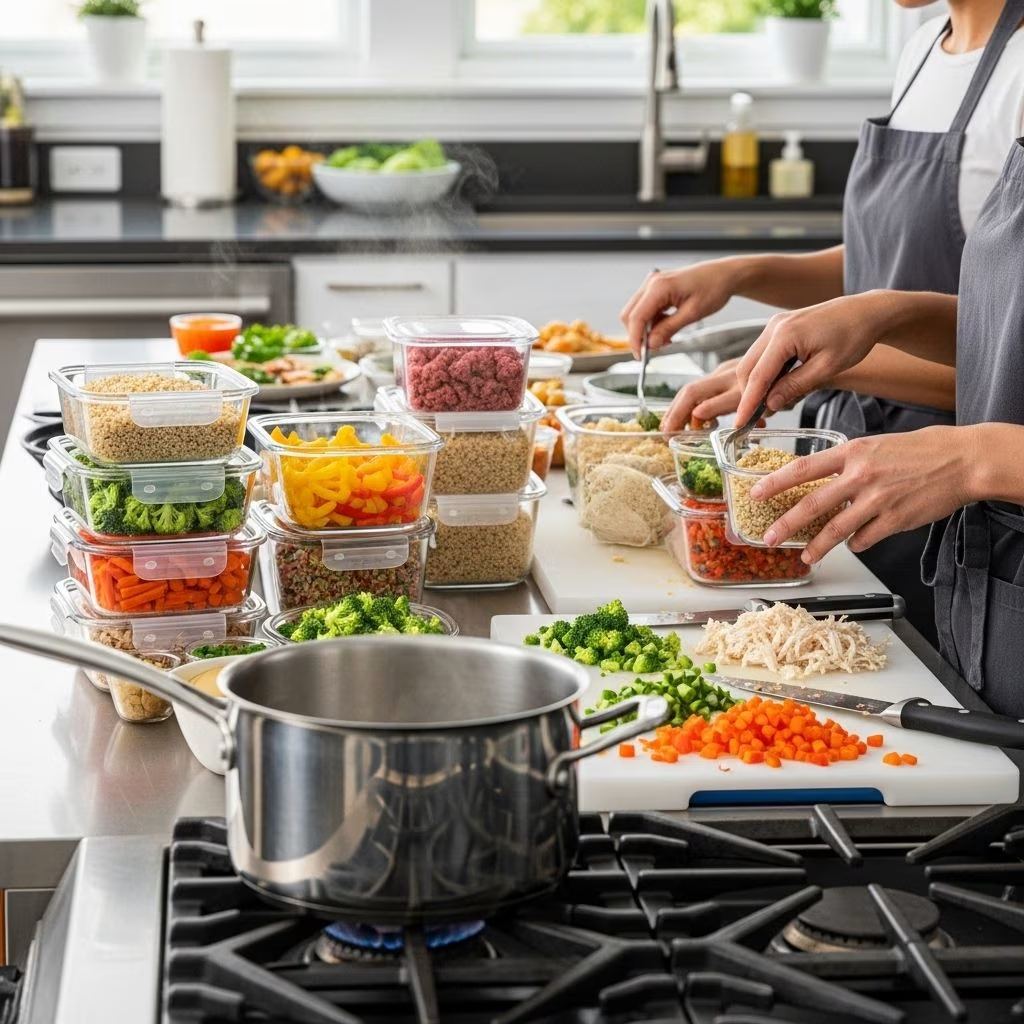
In today’s fast-paced world, finding time to prepare healthy, home-cooked meals can feel like an impossible task. Between work commitments, family responsibilities, and personal obligations, the dinner question often leads to expensive takeout or unhealthy convenience foods. The solution lies in a revolutionary approach called extreme batch cooking—a strategy where you cook once and enjoy the fruits of your labor for multiple meals throughout the week. This method transforms how you approach meal preparation, freeing up countless hours while ensuring nutritious food is always within reach.
Extreme batch cooking goes beyond traditional meal prep by maximizing efficiency through strategic planning, bulk preparation, and smart storage techniques. Instead of spending time in the kitchen every single evening, you dedicate one or two focused cooking sessions per week to prepare multiple complete meals. This approach not only saves precious time but also reduces decision fatigue, lowers grocery costs, and helps maintain consistent healthy eating habits. The beauty of this strategy is that it adapts to any lifestyle, whether you’re feeding a family of five or meal planning for yourself.
Understanding the Extreme Batch Cooking Philosophy
The core principle behind extreme batch cooking revolves around efficiency and planning. Rather than approaching each meal as a separate event requiring shopping, preparation, cooking, and cleanup, you consolidate these activities into concentrated sessions. This method recognizes that certain kitchen tasks—like chopping vegetables, browning meat, or cooking grains—take roughly the same amount of time whether you’re preparing for one meal or ten.
When you embrace extreme batch cooking, you shift from reactive to proactive meal management. Instead of scrambling at six o’clock wondering what’s for dinner, you open your refrigerator or freezer to find ready-to-heat options that rival any restaurant quality. This transformation reduces daily stress significantly and eliminates the decision paralysis that often leads to poor food choices. The strategy works because it acknowledges that motivation and energy fluctuate throughout the week, so you harness your peak energy during designated cooking sessions to set yourself up for success on busier days.
The financial benefits amplify the appeal of this approach. Buying ingredients in larger quantities typically costs less per unit, and when you shop with a specific plan, impulse purchases decrease dramatically. You’re purchasing ingredients intentionally rather than haphazardly, which naturally leads to smarter spending decisions. Additionally, having prepared meals waiting at home eliminates the temptation to order expensive delivery or grab fast food during weak moments.
The Multi-Pot Strategy for Flavor Variety
One common complaint about batch cooking is flavor fatigue—eating the same dish repeatedly until it loses all appeal. The solution lies in the multi-pot strategy, where you prepare at least two completely different large batches of food during each cooking session. These dishes should feature contrasting flavors, ingredients, and cooking methods to provide genuine variety throughout the week.
For example, you might prepare a large pot of hearty chicken curry alongside a completely different beef and vegetable stew. The curry offers warm, aromatic spices and creamy coconut flavors, while the stew provides savory, herb-infused comfort. By alternating between these two options throughout the week, you never eat the same meal two days in a row, preventing the monotony that causes many people to abandon batch cooking altogether.
This strategy extends beyond soups and stews. Consider preparing one pot of shredded barbecue chicken that can transform into sandwiches, salad toppings, or taco fillings, paired with a large batch of Italian-seasoned turkey meatballs that work with pasta, in subs, or alongside roasted vegetables. The versatility of each batch multiplies your meal options exponentially. You might also roast large trays of different vegetables—sweet potatoes and broccoli on one sheet, bell peppers and onions on another—creating mix-and-match components that keep meals interesting.
Essential Principles for Successful Batch Cooking
Strategic Menu Planning
Success begins long before you step into the kitchen. Dedicate time each week to plan your menu thoughtfully, considering nutritional balance, flavor variety, and ingredient overlap. Look for recipes that share common ingredients to maximize efficiency and minimize waste. If one recipe calls for half a bunch of cilantro, find another dish that uses the remainder. This strategic approach ensures you buy only what you need while using everything you purchase.
When planning your menu, consider how different dishes will complement each other throughout the week. Think about texture variety alongside flavor differences. If one batch is a hearty, thick chili, pair it with something lighter like lemon herb chicken with quinoa. Consider your schedule too—reserve quicker-reheating meals for your busiest nights and save dishes that benefit from slower warming for more relaxed evenings.
Efficient Grocery Shopping
Armed with your detailed menu plan, create a comprehensive shopping list organized by store sections. This preparation transforms grocery shopping from a time-consuming chore into a focused mission. You’ll breeze through the store collecting exactly what you need, avoiding the aimless wandering that leads to forgotten items and impulse purchases. Shopping once or twice weekly with a precise plan saves both time and money compared to frequent small trips for missing ingredients.
Buying in bulk becomes practical when you know exactly how you’ll use larger quantities. Purchase family-size packages of chicken breasts, ground meat, or whole grains that you’ll use across multiple recipes. Stock up on versatile staples like onions, garlic, and carrots that appear in numerous dishes. This bulk purchasing reduces your per-unit costs significantly while ensuring you have essential ingredients always available.
Kitchen Organization and Workflow
Before beginning your batch cooking session, organize your workspace strategically. Clear counter space, gather all necessary equipment, and arrange ingredients by recipe. This preparation prevents mid-cooking scrambles to find that one missing measuring cup or spice jar. Set up multiple cutting boards if you have them, designate specific areas for different tasks, and keep garbage bowls handy for efficient cleanup.
Develop a workflow that maximizes your oven and stovetop space. While one pot simmers on the stove, use the oven to roast vegetables or bake proteins. As those items cook, prep ingredients for your next batch. This overlapping approach transforms what might take eight hours of sequential cooking into a three or four-hour intensive session. Batch similar tasks together—chop all vegetables at once, brown all meats together, cook all grains simultaneously—to move through preparation more efficiently.
Storage Solutions and Food Safety
Proper storage determines whether your batch cooking efforts result in delicious meals or disappointing waste. Invest in quality airtight containers in various sizes to accommodate different portion needs. Glass containers work wonderfully because they’re microwave-safe, don’t absorb odors, and allow you to see contents at a glance. Label everything clearly with contents and preparation dates to maintain food safety and prevent mystery containers languishing in the back of your freezer.
Understanding which foods freeze well versus those best kept refrigerated is crucial. Soups, stews, curries, and casseroles typically freeze beautifully for up to three months. Cooked grains like rice, quinoa, and pasta freeze well when properly portioned. Most cooked proteins including chicken, beef, and pork maintain quality in the freezer. However, some items like crispy foods, cream-based sauces, and raw vegetables don’t freeze as successfully and should be refrigerated for consumption within three to five days.
Cool foods properly before storage to prevent bacterial growth and maintain food quality. Spread hot foods in shallow containers to accelerate cooling, then refrigerate or freeze once they reach room temperature. Never leave cooked food at room temperature for more than two hours. When reheating, ensure foods reach 165 degrees Fahrenheit throughout to kill any potential bacteria. These safety practices protect your health while preserving the quality of your carefully prepared meals.
Nutritional Benefits of Batch Cooking
Beyond convenience, extreme batch cooking delivers significant nutritional advantages. When you prepare meals at home, you control every ingredient, eliminating the hidden sugars, excessive sodium, preservatives, and low-quality oils that plague most convenience foods and restaurant meals. You can prioritize whole, unprocessed ingredients, ensuring your diet centers around vegetables, lean proteins, whole grains, and healthy fats.
Batch cooking makes consistent healthy eating achievable even during your busiest, most stressful periods. When exhaustion hits after a long day, you’re not fighting between your health goals and your immediate need for food. The healthy option is just as convenient as ordering pizza—actually more convenient since you don’t have to wait for delivery. This accessibility removes the primary barrier that derails most healthy eating attempts.
Portion control becomes natural with batch cooking. When you divide meals into individual servings during preparation, you create built-in portion awareness. You’re less likely to overeat when your meal comes in a predetermined container compared to serving yourself from a large pot while hungry. This structural advantage supports weight management goals without requiring constant willpower or decision-making.
Time Management and Stress Reduction
The time savings from extreme batch cooking extend far beyond the obvious reduction in daily cooking. Consider the cumulative time spent making small decisions—what’s for dinner, do we have ingredients, who’s cooking, what time should we start—that evaporate when meals are planned and prepared in advance. Decision fatigue is real, and eliminating these daily food-related choices preserves mental energy for more important matters.
Cleanup becomes dramatically simpler. Instead of facing a sink full of pots and pans every single evening, you have one intensive cleaning session per week after your batch cooking, then only plates and utensils daily. This reduction in daily kitchen maintenance frees up evening hours for family time, hobbies, relaxation, or whatever matters most to you. Coming home to a meal that’s ready in five to ten minutes rather than an hour of cooking and cleanup transforms your entire evening routine.
The stress reduction ripples through your entire household. Parents no longer field constant questions about what’s for dinner. Partners don’t negotiate who’s cooking tonight. The dinner hour becomes predictable and peaceful rather than chaotic and stressful. This reliability is especially valuable for families with children, where consistent meal times and reduced parental stress contribute to better family dynamics.
Cost Effectiveness and Waste Reduction
The financial benefits of extreme batch cooking compound over time. Restaurant meals and takeout typically cost three to five times more than home-cooked equivalents. When you multiply that difference across weeks and months, the savings become substantial. A family spending two hundred dollars weekly on convenience foods might reduce that to sixty or seventy dollars with batch cooking, saving over five thousand dollars annually.
Food waste decreases dramatically when you shop with specific recipes in mind and use ingredients purposefully. Instead of buying vegetables that wilt unused in the crisper drawer, you purchase exact amounts needed for planned recipes. When ingredients appear in multiple dishes, you use entire packages rather than partial amounts that spoil before you find another use. This waste reduction benefits both your budget and the environment.
Bulk purchasing and strategic shopping reduce per-unit costs significantly. A whole chicken costs substantially less per pound than pre-cut breasts, and you can use every part—roasting the meat for multiple meals, using bones for stock, and incorporating organ meats into dishes if desired. Buying larger quantities of pantry staples during sales and storing them properly ensures you always have essentials while paying the lowest possible prices.
Adapting Batch Cooking to Your Lifestyle
Extreme batch cooking isn’t one-size-fits-all. The strategy adapts beautifully to different household sizes, dietary needs, and schedules. A single person might batch cook every ten days, preparing four or five different recipes that rotate through freezer and refrigerator storage. A large family might dedicate Sunday afternoons to preparing enough food for the entire week, using two ovens and multiple stovetop burners simultaneously.
Dietary restrictions integrate seamlessly into batch cooking. Whether you’re vegetarian, following a low-carb diet, managing food allergies, or accommodating picky eaters, you simply adjust your recipes accordingly. The batch cooking method remains the same regardless of the specific dishes you prepare. In fact, special diets often benefit even more from batch cooking since finding compliant convenience foods proves difficult and expensive.
Your cooking frequency depends on available freezer space, household size, and personal preferences. Some people embrace monthly marathon cooking sessions, preparing thirty different meals in one exhaustive day. Others prefer twice-weekly sessions that keep food rotation faster and require less freezer storage. Experiment to discover what rhythm works best for your circumstances, recognizing that your approach might evolve as your life situation changes.
Sample Weekly Batch Cooking Plan
To illustrate how extreme batch cooking works in practice, consider this sample weekly plan. During a Sunday afternoon four-hour cooking session, you prepare two large pots plus several versatile components. The first pot contains a spicy chicken tikka masala serving six to eight meals. The second pot holds a beef and vegetable soup that yields another six to eight servings. Additionally, you roast two large sheet pans of vegetables—one with Mediterranean-seasoned zucchini, bell peppers, and onions, another with Asian-inspired broccoli and carrots.
You also cook a large batch of quinoa and brown rice, grill several pounds of chicken breasts with different seasonings, and hard-boil a dozen eggs. These components become building blocks for quick assembled meals. Monday features the tikka masala over rice. Tuesday brings beef soup with a side salad. Wednesday uses grilled chicken, roasted vegetables, and quinoa. Thursday returns to tikka masala. Friday showcases the grilled chicken transformed into Caesar salad wraps. This variety prevents boredom while requiring minimal daily effort.
The same proteins and components recombine in different ways throughout the week. Those roasted vegetables top grain bowls, fill omelets, or accompany any protein. The hard-boiled eggs become snacks, salad additions, or quick breakfasts. This flexibility means you’re not locked into rigid meal plans—you can adapt based on appetite and preference while still benefiting from advance preparation.
Overcoming Common Batch Cooking Challenges
Many people hesitate to try batch cooking because of perceived obstacles. The initial time investment feels daunting, but remember you’re trading three or four hours once weekly for seven separate cooking sessions. The net time savings become apparent quickly. Start small if a full weekly batch feels overwhelming—prepare just two dishes and experience the benefits before expanding your efforts.
Flavor fatigue concerns are valid but easily addressed through the multi-pot strategy and component-based cooking. By maintaining variety in your batches and using versatile proteins and sides that transform into different meals, you prevent the monotony that defeats many batch cooking attempts. Season differently, sauce creatively, and combine components in novel ways to keep meals interesting.
Limited storage space requires creativity but shouldn’t prevent batch cooking. Stackable containers maximize refrigerator efficiency. Flat freezer bags take less space than containers while freezing faster. Consider a standalone freezer if you have space and frequently cook large batches—the investment pays for itself through grocery savings and expanded cooking capacity. Even small freezers accommodate significant batch cooking when you pack efficiently.
Kitchen equipment limitations can be overcome gradually. You don’t need a professional kitchen to batch cook successfully, though certain items help enormously. A large stockpot or Dutch oven, quality chef’s knife, several cutting boards, and adequate storage containers form the essential toolkit. As you gain experience, you might add a slow cooker, instant pot, or extra sheet pans, but start with what you have and expand gradually.
Frequently Asked Questions
How long does batch-cooked food stay fresh?
Most properly stored batch-cooked meals remain safe and delicious in the refrigerator for three to five days. Frozen meals maintain quality for two to three months, though they remain safe indefinitely if kept at zero degrees Fahrenheit. Always label containers with preparation dates and practice first-in-first-out rotation to ensure optimal freshness.
Can I batch cook if I have a small kitchen?
Absolutely. Small kitchens simply require more organization and strategic workflow planning. Clear your workspace completely before starting, use vertical storage for ingredients during prep, and work in focused stages rather than preparing everything simultaneously. Many successful batch cooks operate in compact spaces by maximizing efficiency rather than square footage.
What if my family members have different food preferences?
Batch cooking actually accommodates diverse preferences beautifully. Prepare versatile base components like plain proteins, grains, and roasted vegetables, then let family members customize their meals with different sauces, seasonings, or combinations. You might also prepare one universally liked dish plus individual preferences in smaller quantities, giving everyone options without cooking entirely separate meals daily.
Is batch cooking cost-effective for single people?
Yes, individuals often see the most dramatic savings from batch coding. Restaurant meals and prepared foods cost significantly more per serving than home cooking, and single servings at grocery stores carry premium pricing. Batch cooking lets you buy regular-sized packages, use what you need across multiple recipes, and freeze portions for later, eliminating the single-person markup while reducing food waste.
How do I prevent freezer burn on my batch-cooked meals?
Freezer burn results from air exposure, so proper packaging is essential. Use airtight containers or freezer bags, removing as much air as possible before sealing. For liquids like soups, leave minimal headspace. For solid foods, wrap tightly in plastic wrap before placing in containers. Label everything clearly and use frozen meals within three months for best quality. Vacuum sealers virtually eliminate freezer burn if you batch cook frequently.
What are the best recipes for batch cooking beginners?
Start with forgiving recipes that improve with time—chilis, curries, stews, and soups all work wonderfully. These dishes typically involve straightforward techniques, require minimal precision, and actually taste better after flavors meld overnight. Slow cooker recipes are particularly beginner-friendly since they’re nearly impossible to ruin. As you gain confidence, expand to roasted proteins, grain bowls, and casseroles.
How can I keep batch-cooked meals from getting boring?
Variety comes from strategic planning and creative serving. Always prepare at least two completely different flavor profiles during each session. Use the same proteins but season them differently—one Italian, one Mexican, one Asian-inspired. Rotate your recipes monthly so you’re not eating the same dishes every single week. Serve with different sides, toppings, or sauces to transform the same base meal into something that feels fresh and different.
References
- https://www.cleaneatzkitchen.com/a/blog/the-benefits-of-batch-cooking-for-meal-prep
- https://levelupgameplan.com/mindful-parenting-resources/6794/what-are-the-benefits-of-batch-cooking-for-busy-working-parents
- https://mysolluna.com/2017/09/13/why-batch-cooking-works-and-why-you-should-try-it/
- https://becomingbetter.org/the-6-principles-of-delicious-and-nutritious-batch-cooking/
- https://neworleansmom.com/mom-hacks/the-benefits-of-batch-cooking-saving-your-dinner-time-sanity/
- https://hgic.clemson.edu/benefits-of-batch-cooking-for-busy-schedules-and-budget-savings/
- http://www.ispyplumpie.com/benefits-bulk-cooking/
- https://pmc.ncbi.nlm.nih.gov/articles/PMC7232892/


