


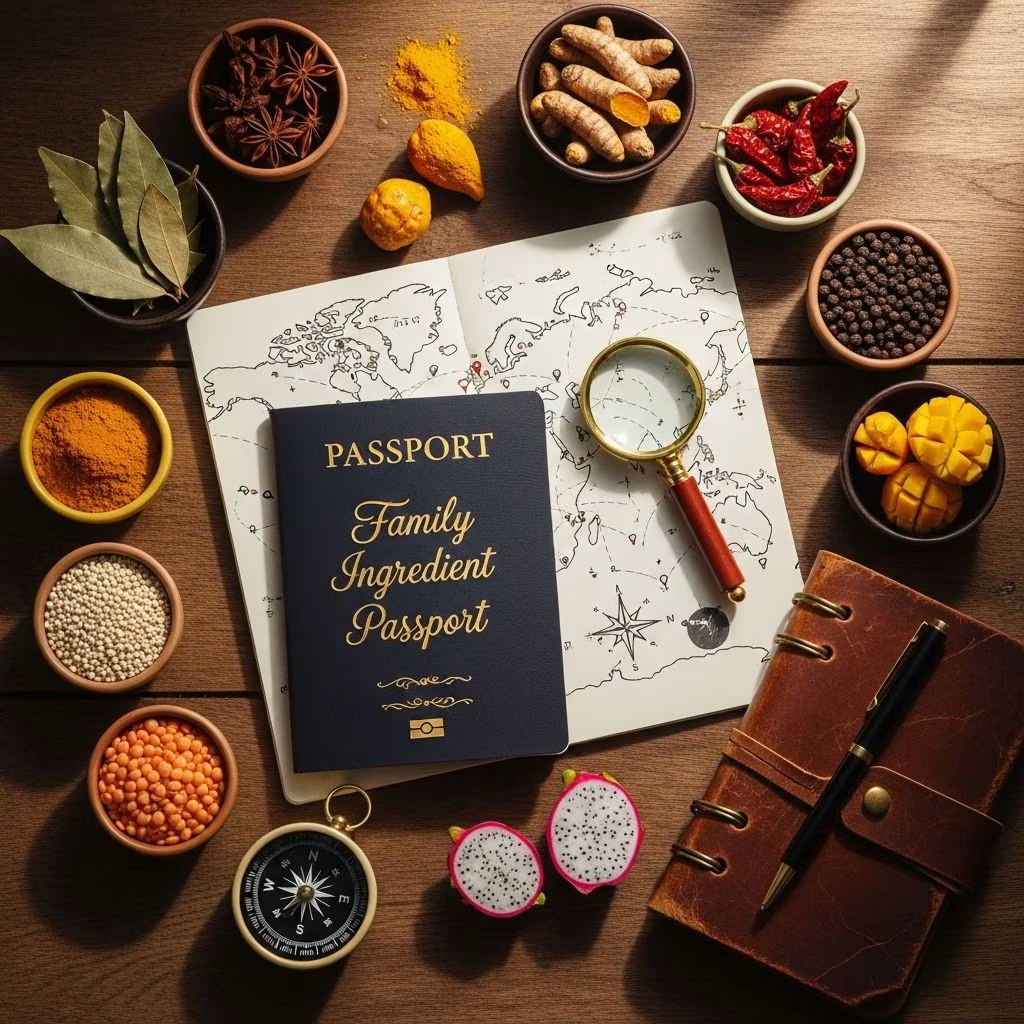
Family Ingredient Passport: Track New Foods Eaten
The modern family table is an opportunity for discovery, connection, and adventure. The Family Ingredient Passport is a delightful tool for tracking and celebrating new foods eaten, supporting families as they journey through diverse cuisines and ingredients. Whether encouraging picky eaters, cultivating global awareness, or simply seeking memorable mealtimes, a Family Ingredient Passport transforms food exploration into a shared, rewarding experience.
Introduction: What Is a Family Ingredient Passport?
A Family Ingredient Passport is a personalized notebook, printable document, or digital tracker used by families to document and celebrate the new foods they eat together. Inspired by actual travel passports, these records capture the culinary “journeys” undertaken—each page or stamp signifies a dish tried, ingredient tasted, or cuisine explored. The result is a growing chronicle of taste adventures, memories, and achievements.
- Can be physical (notebook, booklet) or digital (spreadsheet, app).
- Designed for all ages, helpful for picky eaters and adventurous families alike.
- Accompanies cooking, dining out, or travel experiences and encourages trying unfamiliar foods, especially from different cultures.
Why Track New Foods Eaten?
Documenting new foods encourages exploration, builds confidence, and connects families across cultural and generational lines. Key benefits include:
- Expanding Palates: Exposure to a variety of tastes, textures, and ingredients prepares children for a lifetime of adventurous eating.
- Building Knowledge: Families learn about the origin, history, and nutrition of foods from diverse cultures.
- Encouraging Nutrition: Trying new foods introduces unique nutrient profiles, raising awareness of global dietary diversity.
- Cultivating Independence: Children gain confidence by making choices and actively participating in food preparation and tasting.
- Creating Memories: Stamps, stickers, and recorded observations foster joyful recollection and a sense of accomplishment.
How to Create a Family Ingredient Passport
Making your own Food Passport is creative and simple:
- Choose the format: A passport-sized notebook (about 3.5″ x 5.5″), printable sheets, or digital documents (spreadsheets or apps).
- Decorate the cover: Use downloadable covers, stickers, or drawings to personalize the outside.
- Add an inside page: Include spaces for each family member’s name, birth date, photo, and “date of issue.” Treat this as a memory book.
- Prep interior pages:
- Columns for date, food or dish name, country of origin, and “stamp” (sticker, drawing, chef’s signature, or simply a tick).
- Extra sections for notes on taste, texture, or cultural experience.
Transforming Meals Into Family Adventures
Every meal is an invitation to explore together. Practical ideas include:
- Themed family nights: Choose a new cuisine, prepare dishes, play music, and decorate to match the theme.
- Dining out: Select restaurants that feature unfamiliar cultures and ingredients, recording every new dish tried.
- Traveling: Use the passport to document food experiences on family vacations—request a chef or server’s signature for extra excitement.
- At-home tastings: Organize periodic “food explorer” events to sample ingredients (spices, fruits, vegetables) and discuss impressions.
- Reward experiences: For reluctant eaters, stamps aren’t only for tasting; smelling, touching, or helping to prepare a dish also count as valid, celebrated encounters.
Strategies for Introducing New Foods
Success comes from thoughtful approaches tailored to your family’s preferences:
- Low-pressure introduction: Present new foods in a playful context—decorative plating, cocktail sticks, or games.
- Mini portions: Offer small tastes rather than heaping servings, allowing low-risk trial.
- Pair with favorites: Integrate unfamiliar ingredients with foods your children already love.
- Positive reinforcement: Celebrate every step, whether it’s tasting, smelling, or cooking.
- Share stories: Explore the background, traditions, and history of the dish—fostering curiosity beyond mere flavor.
Table: Sample Passport Entry Format
| Date | Food/Dish | Country/Region | Discovery Type | Notes |
|---|---|---|---|---|
| 2025-10-01 | Shakshuka | Northern Africa | Tasted & Cooked | Spicy, loved the poached eggs! |
| 2025-10-03 | Pad Thai | Thailand | Touched & Smelled | Liked the sweet aroma, hesitant on tasting. |
| 2025-10-06 | Chickpea Curry | India | Tasted | Discovered new spices, kids enjoyed with naan. |
Exploring Global Cuisine at Home
Food passports inspire families to “travel” with their taste buds and learn about world cultures without leaving home. Strategies include:
- Recipe exploration: Search online or in cookbooks for international dishes, focusing on easy-to-source ingredients.
- Ask for family recipes: Invite friends and relatives to share their cultural dishes, broadening the passport’s reach.
- Immersive experience: Pair food with music, artwork, and traditions from the culture being sampled.
- Virtual tours: Use documentaries and videos to supplement learning about food history, geography, and cooking methods.
Teaching Independence and Kitchen Confidence
Giving children a voice and role in kitchen activities is central to expanding their food boundaries. Passports reinforce lessons in:
- Cooking skills: Step-by-step recipe cards teach chopping, mixing, sautéing, and other basic kitchen techniques.
- Meal planning: Involve kids in choosing cuisine themes, making shopping lists, and scheduling “passport nights.”
- Ownership: Children who prepare dishes themselves are more likely to try unfamiliar foods and adopt new favorites.
- Table conversations: Use discussion prompts to guide conversation on taste, texture, culture, and history during family meals.
Tracking and Celebrating Food Discoveries
Regularly updating passports keeps the process fun and meaningful. Try:
- Visual progress: Colorful stamps, stickers, or doodles mark every new discovery, turning the passport into a vibrant scrapbook.
- Goal setting: Create challenges such as “try three new vegetables this month” or “sample a dish from every continent.”
- Reviewing milestones: Celebrate with a special dinner, a certificate, or a family “food explorer” award after reaching a certain number of stamps.
- Sharing achievements: Children can present their passport at school, inspiring peers to join their journey.
Recipe Ideas for Passport Stamps
Passport experience flourishes with varied and accessible dishes, for example:
- Shakshuka (Northern Africa) – eggs poached in spicy tomato sauce
- Pad Thai (Thailand) – stir-fried noodles with veggies, protein, and peanuts
- Veggie Tempeh Stir-Fry (Japan) – umami-rich, easy-to-make noodle dish
- Lentils with Spinach (Sri Lanka) – nutritious and mild for kids
- Chickpea Curry (India) – introduce warming spices and plant-based protein
- Tropical Tomato Pico de Gallo (Mexico) – fresh, tangy salsa for dipping or topping
Common Challenges and Solutions
- Ingredient availability: Substitute hard-to-find ingredients with accessible alternatives, blending authenticity and practicality.
- Reluctant eaters: Encourage participation in prep and non-tasting experiences; reward small steps toward trying.
- Time constraints: Use digital kits for flexible scheduling; choose recipes that fit your household pace.
- Budget concerns: Focus on common and affordable ingredients, cooking at home to reduce dining costs.
- Mess and clutter: Opt for digital resources or reusable notebooks to minimize waste and organize memories efficiently.
Resources for Enriching Food Exploration
- Food passports and cooking kits: Digital kits provide guides, timelines, and conversation starters to streamline the process.
- Recipe collections: Online sites like Doctor Yum and The Gingered Whisk offer multicultural dishes and tips for families.
- Books and videos: Supplement culinary learning with cookbooks, documentaries, and instructional videos for deeper engagement.
Frequently Asked Questions
Q: What ages are best for a Family Ingredient Passport?
All ages can benefit—toddlers enjoy stickers, older children record observations, and teens can research cultural backgrounds. Adapt the passport complexity for your family’s needs.
Q: Can passports work for picky eaters?
Yes. Passports reward not just tasting but prepping, smelling, or simply talking about new foods, building confidence without pressure.
Q: How do we track foods while traveling?
Bring your physical or digital passport, requesting restaurant staff signatures and noting local ingredients. Take photos to pair with entries for added memory value.
Q: Are physical kits or digital kits better?
Digital kits offer flexibility, less clutter, and instant access; physical passports add tactile, artistic value. Choose what fits your family’s style.
Q: Can this support homeschooling or remote learning?
Absolutely. Food passports connect geography, culture, nutrition, and language lessons, serving as fun enrichment for home education.
Final Thoughts
The Family Ingredient Passport is more than a food journal—it is a catalyst for conversation, confidence, and curiosity. By joyfully tracking new tastes and cultural encounters, families deepen bonds and create lasting memories, setting a foundation for life-long global citizenship and culinary openness. Transform your dinner table into a launching pad for adventure, one delicious passport stamp at a time.
References
- https://www.doctoryum.org/en/stories/food-passports-help-kids-try-ethnic-foods
- https://thegingeredwhisk.com/foodie-family-passports/
- https://health.ec.europa.eu/system/files/2023-10/ehn_guidelines_patientsummary_en.pdf
- https://www.stonewoodgrill.com/Pack-Your-Passport–Worldwide-Cuisine-Picks-for-Your-Next-Stonewood-Meal-1-9567.html


