


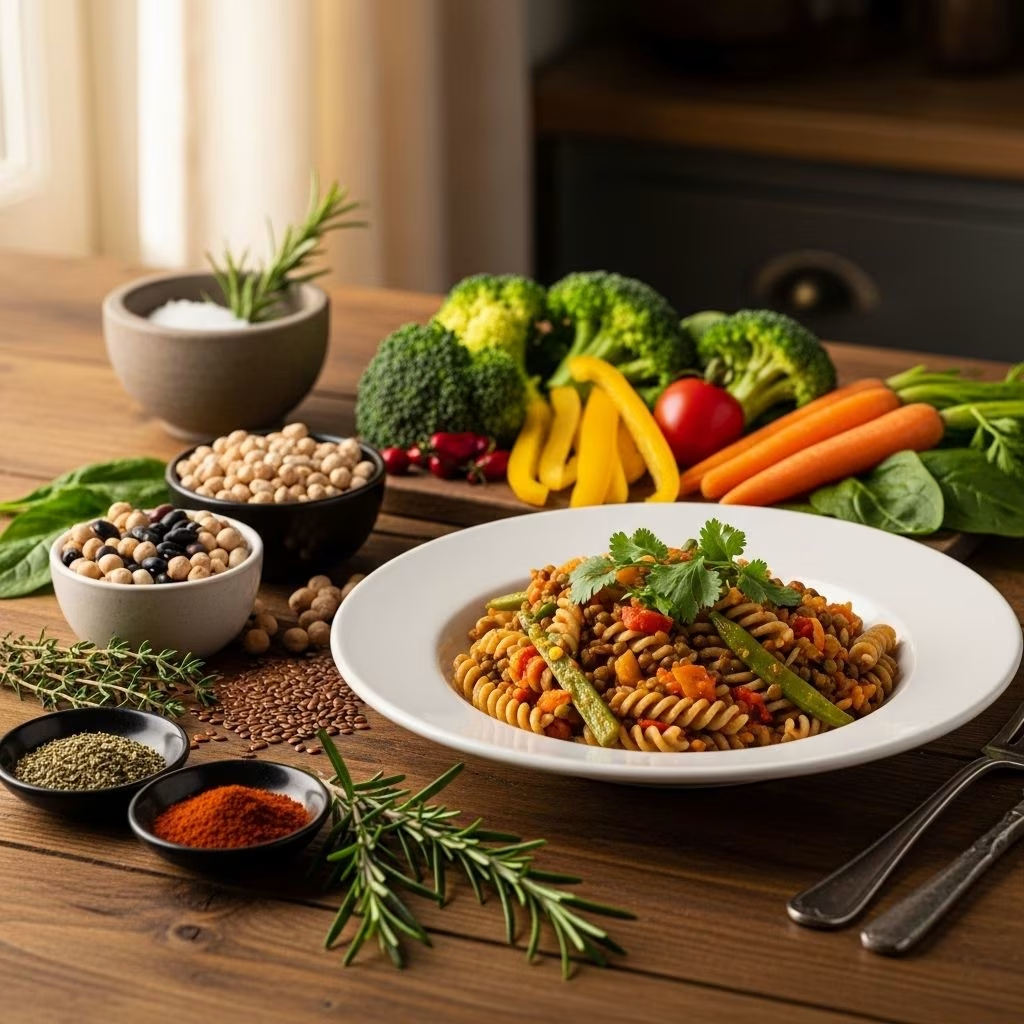
Introduction to Low-Sodium High-Fiber Cooking
Adapting traditional recipes to low-sodium and high-fiber diets is a great way to enhance your health while still enjoying your favorite dishes. High blood pressure and heart disease are significant health concerns that can be managed with dietary changes. Reducing sodium intake and increasing fiber consumption can help lower cholesterol levels, improve digestion, and support overall well-being. In this article, we will explore how to modify traditional recipes to fit these dietary needs, providing you with a comprehensive guide to healthier cooking.
Understanding Low-Sodium Diets
A low-sodium diet is crucial for individuals with hypertension or those at risk of developing high blood pressure. The American Heart Association recommends consuming no more than 2,300 milligrams of sodium per day and further reducing intake to 1,500 mg if possible. When adapting recipes, focus on using herbs and spices for flavor instead of salt. Ingredients like garlic, thyme, rosemary, and basil are excellent alternatives that add depth without the sodium.
Benefits of High Fiber Diets
High fiber diets are beneficial for digestive health and can help manage blood sugar levels and cholesterol. Soluble fiber, found in foods like oats, beans, and fruits, dissolves in water to form a gel-like substance that helps lower cholesterol and regulate blood sugar. Insoluble fiber, found in whole grains, vegetables (like carrots and peas), and fruits (like apples), helps prevent constipation and supports healthy bowel movements.
High Fiber Foods to Incorporate
- Whole Grains: Brown rice, quinoa, whole-wheat bread, and whole-grain pasta.
- Fruits: Apples, bananas, and berries.
- Vegetables: Carrots, broccoli, and leafy greens like spinach and kale.
- Legumes: Beans, lentils, and peas.
Adapting Traditional Recipes
Modifying traditional recipes to be low in sodium and high in fiber involves substituting high-sodium ingredients with low-sodium alternatives and adding fiber-rich ingredients. Here are some examples:
Chicken Salad Recipe Adaptation
Original chicken salads often include mayonnaise, which is high in sodium. To adapt this recipe, use low-sodium mayonnaise and add more vegetables like celery and carrots to increase the fiber content.
Ingredients:
- 3 ¼ cups cooked, cubed chicken breast
- 1/4 cup chopped celery
- 1/2 cup chopped carrots
- 1 tablespoon low-sodium mayonnaise
- 1 tablespoon lemon juice
- 1/2 teaspoon onion powder
Instructions:
- Combine chicken, celery, carrots, mayonnaise, lemon juice, and onion powder in a bowl.
- Mix well and serve.
Spinach Salad Recipe Adaptation
Add high-fiber ingredients like carrots and mushrooms to spinach salads and use vinaigrette dressings made with low-sodium vinegar options.
Ingredients:
- 1 cup fresh spinach leaves
- ¼ cup grated carrots
- ¼ cup sliced mushrooms
- 1 tablespoon low-sodium vinaigrette
Instructions:
- Combine spinach, carrots, and mushrooms in a bowl.
- Top with low-sodium vinaigrette.
Low-Sodium Seasonings
Creating your own seasonings can be an effective way to reduce sodium in your recipes. Mix herbs and spices to create flavorful blends without the added salt.
Hot N’ Spicy Seasoning Recipe:
- 1 ½ teaspoons white pepper
- ½ teaspoon cayenne pepper
- ½ teaspoon black pepper
- 1 teaspoon onion powder
- 1 ¼ teaspoons garlic powder
- 1 tablespoon dried basil
- 1 ½ teaspoons dried thyme
Instructions:
- Mix all ingredients in a bowl.
- Store in an airtight container.
High Fiber Breakfast Options
Starting your day with high-fiber breakfasts can set you up for success. Oatmeal with fruits and nuts is a filling and nutritious option.
Oatmeal Recipe:
- 1 cup plain oats
- 1 cup water (or low-sodium broth)
- Toppings: sliced banana, berries, or chopped nuts
Instructions:
- Cook oats according to package instructions.
- Top with fresh fruits and nuts.
Additional Low-Sodium High-Fiber Recipes
Rice Noodles with Broccoli-Almond Pesto
This vegan recipe uses broccoli, almonds, basil, garlic, olive oil, and lemon juice to create a pesto sauce served with rice noodles and topped with broccoli and almonds.
Red Beans and Sesame Salad
This high-fiber salad combines kidney beans, cucumbers, yellow onions, avocados, cherry tomatoes, lettuce, and alfalfa sprouts. Rinsing canned beans can reduce excess sodium.
Autumn Stew with Pumpkin and Chickpeas
This vegan stew features carrots, onions, chickpeas, pumpkin puree, and vegetable broth. It is rich in vitamin A from the pumpkin, supporting heart health.
Frequently Asked Questions (FAQs)
Q: What are some key ingredients to avoid in low-sodium diets?
A: Avoid using processed meats, canned goods (unless low-sodium), and high-sodium sauces like soy sauce and teriyaki sauce.
Q: How can I increase fiber in my diet?
A: Increase fiber by consuming more whole grains, fruits, vegetables, and legumes. Gradually add fiber-rich foods to avoid digestive discomfort.
Q: What seasonings can I use to reduce sodium in recipes?
A: Use herbs like thyme, rosemary, and basil, and spices like garlic powder and onion powder to add flavor without salt.
Conclusion
Adapting traditional recipes to low-sodium and high-fiber versions is a simple yet effective way to improve your diet and overall health. By incorporating more fiber-rich foods and reducing sodium, you can enjoy your favorite dishes while supporting heart health and digestive well-being. Experiment with different herbs and spices to enhance flavors, and explore new recipes that fit your dietary needs.
References
- https://www.med.umich.edu/1libr/CVC/Heart%20Failure/216HF7DayMenuandRecipes.pdf
- https://www.myhealth.va.gov/mhv-portal-web/ss20200806-popular-diets
- https://www.h2hhc.com/blog/low-sodium-recipes-for-elderly-parents
- https://www.healthline.com/health/low-sodium-recipes
- https://www.mayoclinic.org/healthy-lifestyle/recipes/low-sodium-recipes/rcs-20077197
- https://www.brightstarcare.com/about-brightstar-care/resources/seniors-low-sodium-meals/
- https://foodashealthalliance.ca.uky.edu/recipes
- https://lowsorecipes.com/category/high-fiber/


