


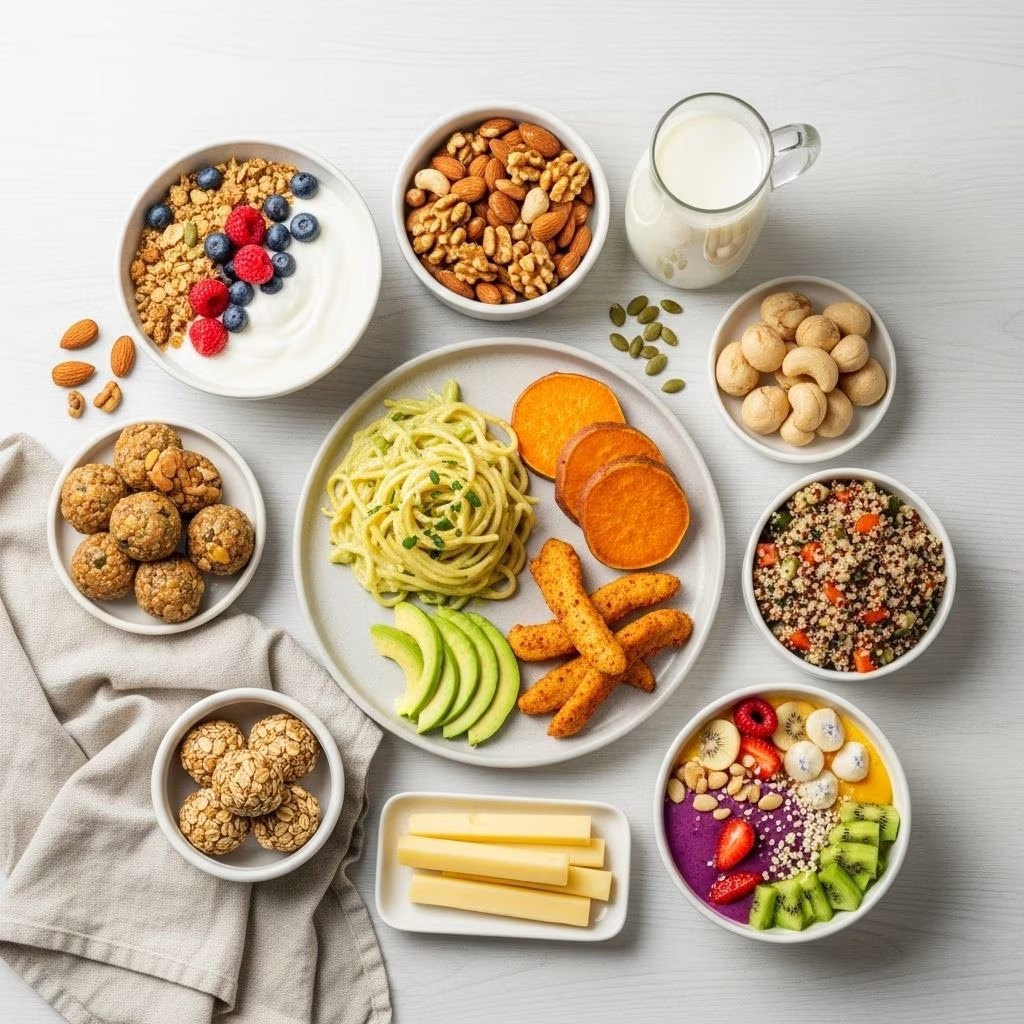
Helping underweight children achieve a healthy weight is a priority for parents, caregivers, and healthcare professionals. For many families, finding effective strategies and practical meal ideas that kids actually enjoy can be challenging. This guide explores the best evidence-based methods and meal plans to support healthy weight gain in underweight children, focusing on high-calorie, nutrient-dense foods that promote overall health and development.
Understanding Underweight in Children
Underweight in children can be identified through regular growth monitoring using percentile charts. Consistent drops in weight percentiles or plateaus in growth may indicate the need for nutritional intervention. Factors contributing to being underweight can include picky eating, high activity levels, chronic illness, digestive problems, or simply a smaller appetite.
Early intervention is important as sustained undernutrition can impact physical growth, cognitive development, and immune function. Consulting a pediatrician or registered dietitian is crucial to identify causes and formulate a safe, effective nutritional plan.
Principles of High-Calorie, Nutrient-Dense Diets
A high-calorie, nutrient-dense diet for underweight kids should prioritize foods that deliver both energy (calories) and essential nutrients (protein, vitamins, minerals) in every bite. The following basic strategies are recommended:
- Increase calories in small volumes by choosing foods with high energy density so kids with small appetites get more calories per mouthful.
- Include protein at every meal to support muscle growth and immune health.
- Use healthy fats and oils liberally, such as olive oil, avocado, nut butters, and full-fat dairy.
- Prioritize whole foods over processed foods wherever possible, to provide lasting nutrition, not just empty calories.
- Structure meals and snacks to avoid constant grazing — offer 3 main meals and 2–3 structured snacks daily.
Key High-Calorie Foods for Weight Gain
Certain foods offer concentrated sources of calories and nutrients ideal for promoting healthy weight gain in children:
- Full-fat dairy: Whole milk, cheese, Greek yogurt, cream, half and half
- Nut butters: Peanut, almond, cashew, sunflower seed (if no allergies)
- Avocado: Excellent source of healthy fat, vitamins, and fiber
- Eggs: Cooked in butter or oil, scramble with milk/cheese for more calories
- Dried fruits: Raisins, apricots, dates, figs, dried apples
- Starchy carbohydrates: Pasta, rice, potatoes (with added butter, olive oil, or cheese)
- Whole grain products: Granola, pancakes, waffles, muffins, cornbread
- Plant-based proteins: Tofu, hummus, full-fat soy or pea protein beverages
| Food | Calories per Serving | Easy Ways to Add |
|---|---|---|
| Peanut Butter (1 tbsp) | 100 | On toast, with fruit, mixed in oatmeal |
| Avocado (1/2 medium) | 120 | Smashed on toast, in smoothies, dip for veggies |
| Cheddar Cheese (1 oz) | 115 | Shredded on pasta, eggs, or sandwiches |
| Whole Milk (1 cup) | 150 | As a drink, for cereal, smoothies |
| Granola (1/4 cup) | 130 | Sprinkled on yogurt or fruit |
| Cream Cheese (1 tbsp) | 50 | Spread on bagels, crackers, celery |
| Dried Apricots (1/4 cup) | 80 | As a snack, diced in oatmeal |
Meal Planning and Portion Control
Meal planning for underweight children should focus on maximizing calories with minimal volume, considering young children’s small stomach capacities. Key planning tips include:
- Add extra calories to individual servings (e.g., extra oil/butter stirred into a portion of pasta just before serving to the child who needs it)
- Offer larger portions of energy-dense sides and snacks like cheese cubes, nut butters, or creamy dips
- Avoid filling up on low-calorie foods (raw veggies, broth soups) before higher calorie items are consumed
- Don’t use ‘low-fat’, ‘fat-free’, or ‘diet’ products — always use regular/full-fat versions for underweight kids
Sample Meal Ideas
Below are practical meal ideas that illustrate how to structure breakfast, lunch, dinner, and snacks for maximum calories and nutrients:
Breakfast
- Oatmeal cooked with whole milk, stirred with nut butter, honey, and diced dried fruit
- Scrambled eggs with cheese, buttered whole-grain toast, sliced avocado
- Full-fat Greek yogurt parfait with granola, banana slices, and a swirl of cream*
Lunch
- Peanut butter and jelly sandwich on whole grain bread, baby carrots with hummus, full-fat milk
- Pasta salad with olive oil, shredded rotisserie chicken, mozzarella cheese cubes, and cherry tomatoes
- Cheese quesadilla with sour cream, refried beans, and a side of guacamole
Dinner
- Grilled chicken breast with mashed potatoes (mixed with cream and butter), peas sautéed in olive oil
- Baked salmon with rice pilaf (cooked with broth and oil), and sautéed broccoli topped with grated cheese
- Beef or lentil chili with shredded cheese, sour cream, and cornbread
Snacks
- Trail mix with nuts, dried fruit, and chocolate chips
- Mini bagel with cream cheese, fruit nectar to drink
- Cottage cheese with pineapple in heavy syrup
- Homemade smoothie: whole milk, Greek yogurt, banana, peanut butter, honey
Snack and Supplement Strategies
Snacks are a great opportunity to introduce extra calories and nutrients between meals. Focus on pairing protein with healthy fats and carbohydrates in snack options. Examples include:
- String cheese and grapes
- Hard-boiled eggs with crackers
- Granola bars with nut butter drizzle
- Bagel halves with cream cheese
For children with ongoing difficulty gaining weight, pediatric nutritional supplements such as PediaSure, Boost Kid Essentials, or their plant-based equivalents can provide a calorie and nutrient boost (about 200 calories per 8 oz serving). These are best used as a supplement to food, not a substitute.
Tips for Overcoming Common Feeding Challenges
Feeding underweight children can be psychologically and practically stressful, especially with picky eaters or those lacking interest in food. The following evidence-based strategies are recommended:
- Make high-calorie versions only for the child who needs them — separate portions when needed so other family members aren’t overeating
- Offer foods they like, but enhance them with calorie boosters (add cheese, butter, oils)
- Avoid constant grazing; structure mealtimes to build hunger and support larger intakes at main meals
- Follow the “Division of Responsibility” in feeding: caregivers decide what, when, and where to offer food; the child decides whether and how much to eat
- Keep mealtimes positive and avoid putting pressure or drawing attention to eating amounts
- Experiment with small, fun packaging and finger foods to make eating appealing for little ones
Balancing Nutrients and Preventing Excess ‘Junk Food’
While high-calorie intake is essential, it must be balanced with other nutrients. Steer clear of using only sugar-laden, fried, or processed foods for weight gain. Instead, aim for meals that are:
- Rich in protein: lean meats, eggs, dairy, beans, tofu
- Balanced with healthy fats: olive oil, nuts, seeds, avocado
- High in vitamins and minerals: include fruits and vegetables in appealing forms
- Based on whole grains rather than just refined starches and sweets
Fatty, processed foods (chips, sweets, sodas) should be limited as they provide calories but lack essential nutrients. Drinks should generally be whole milk, water, or nutrient-dense shakes – avoid calorie-free and diet options for underweight children.
Frequently Asked Questions (FAQs)
Q: How quickly should my underweight child gain weight on a high-calorie diet?
A: Healthy weight gain should be gradual, aiming for a consistent upward trend on the growth chart. Rapid weight gain is not recommended, and regular follow-up with your child’s doctor is vital.
Q: Are high-calorie nutritional drinks safe for everyday use?
A: Specialized drinks (like PediaSure or Boost) are safe as supplements if recommended by your pediatrician, but they should not replace meals and whole foods long-term.
Q: What if my child refuses high-calorie foods?
A: Try offering a variety of options, use food boosters (butter, cheese, nut butters), present food in fun ways, and stay consistent without pressuring the child. If weight gain remains inadequate, consult with a dietitian.
Q: Are there risks to a high-calorie diet?
A: Risks are minimal if the calorie-rich foods are also nutrient-dense. Overusing junk foods or supplements while neglecting other nutrients can cause imbalances.
Q: My child is lactose intolerant or allergic to nuts. What alternatives exist?
A: Try lactose-free or plant-based milks, coconut yogurt, soy or pea protein drinks, and seed butters like sunflower seed for extra calories without common allergens.
Further Resources for Parents
- Consult your pediatrician or registered dietitian before starting any high-calorie diet changes.
- Refer to hospital and public health nutrition handouts for tailored guidelines and portion ideas.
- Explore online recipes for high-calorie, nutrient-dense meals and snacks for kids with special dietary restrictions.
Safe, gradual, and well-planned nutritional approaches provide the best path for supporting underweight kids toward healthy growth and happier mealtimes.
References
- https://blog.cincinnatichildrens.org/healthy-living/how-to-increase-calories-in-your-underweight-childs-diet-draft/
- https://www.choa.org/-/media/Files/Childrens/teaching-sheets/high-calorie-high-protein-diet-for-toddlers.pdf
- https://www.nationwidechildrens.org/family-resources-education/700childrens/2023/06/making-meals-and-snacks-count
- https://patient.uwhealth.org/healthfacts/195
- https://www.nhs.uk/live-well/healthy-weight/childrens-weight/how-to-help-your-child-gain-weight/
- https://childrenswi.org/publications/teaching-sheet/clinical-nutrition/1962-high-calorie-diet
- https://www.albertahealthservices.ca/assets/info/nutrition/if-nfs-adding-calories-protein-to-your-childs-diet.pdf


