


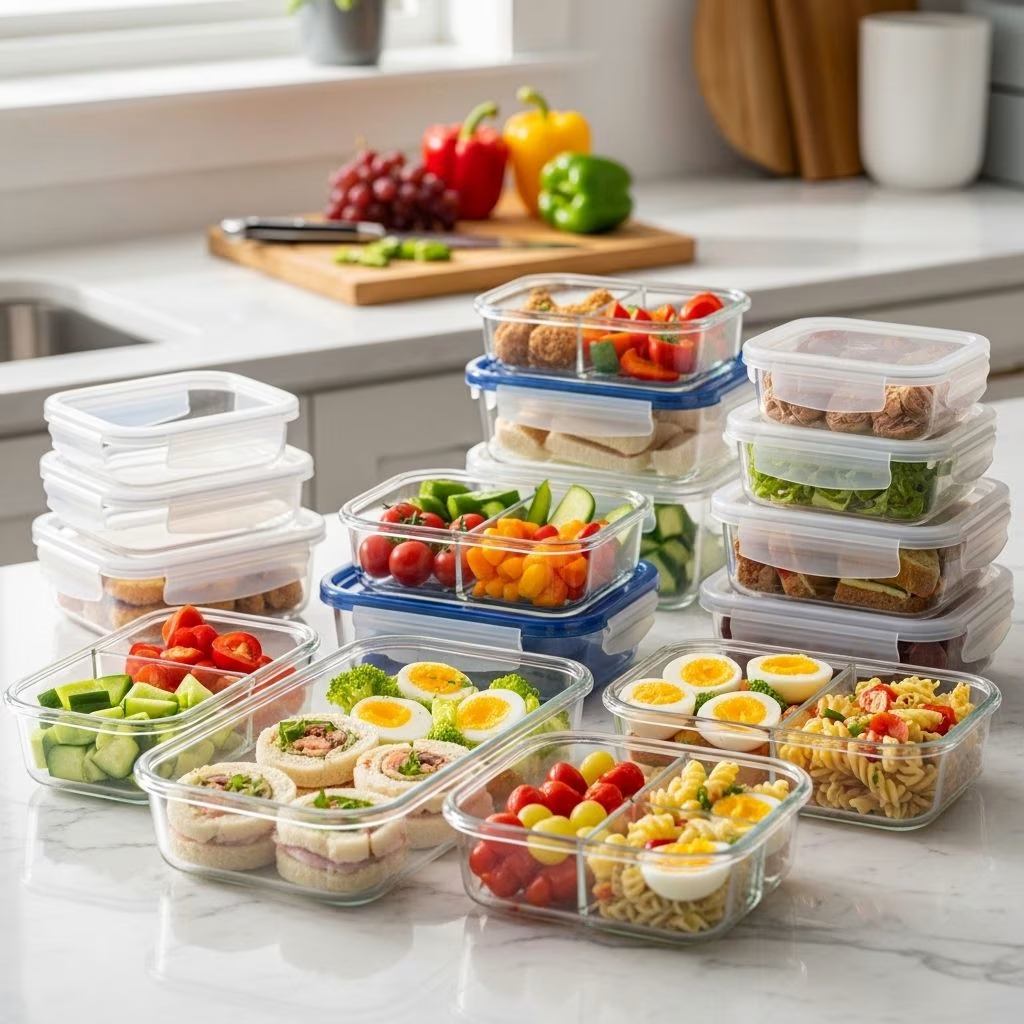
Why a Container System?
Packing lunches for school or work can feel like a daily chore, but with a quick prep container system, it becomes a streamlined, stress-free routine. This approach not only saves time but also encourages healthier eating habits for the whole family. By dedicating just one day—often Sunday—to planning, shopping, and prepping, you can set yourself up for a full week of grab-and-go lunches. The kids can even participate, learning responsibility while making choices they actually want to eat.
Planning Your System
Set a Weekly Lunch Planning Session
Start by involving everyone in the household in a weekly meal planning session. Discuss favorite foods, dietary needs, and any special requests. This not only ensures everyone gets lunches they’ll enjoy but also helps avoid the midweek “I don’t want that” dilemma.
Create a Shopping List
Based on your family’s preferences, make a detailed shopping list. Focus on versatile ingredients that can be mixed and matched throughout the week, such as whole grains, lean proteins, seasonal fruits, and plenty of veggies.
Batch Preparation
Designate a few hours on the weekend—typically Sunday—to batch-prepare components. Wash and chop fruits and vegetables, cook grains and proteins, and even bake muffins or other snacks in bulk. Store everything in clearly labeled containers to keep the fridge organized and accessible for daily packing.
Choosing the Right Containers
The success of your quick prep lunch system hinges on your container choices. The best containers are durable, easy to clean, stackable, and—most importantly—right-sized for your family’s needs.
Key Features to Look For
- Airtight, leakproof lids: Keeps food fresh and prevents spills in backpacks.
- Microwave, dishwasher, and freezer safe: For convenience and versatility.
- Divided compartments: Separate components to maintain texture and prevent sogginess.
- Stackable design: Saves space in your fridge and pantry.
- Glass or BPA-free plastic: For safety and sustainability.
Top Container Options
| Type | Best For | Benefits |
|---|---|---|
| Glass Meal Prep Boxes | Storing hot meals, reheating, single-dish lunches | Durable, microwave-safe, reusable, easy to clean |
| Bento Boxes | Portion-controlled, varied lunches with snacks | Separate compartments, easy to pack, visually appealing |
| Salad Containers | Keep salad ingredients fresh and crisp | Separate section for dressing, customizable, leakproof |
| Stainless Steel Containers | On-the-go, camping, or non-microwave use | Lightweight, indestructible, easy to clean |
Consider investing in a variety of sizes and shapes to accommodate different meal components—small ones for dips, medium for sides, and large for main dishes. Reusable options not only reduce waste but also cut down on costs over time.
Food Prep Strategies
The key to stress-free weekday lunches is advanced prep. Here’s how to maximize your time and keep food fresh:
Wash and Chop in Bulk
Clean and slice all fruits and vegetables as soon as you get home from the store. Store them in clear containers so they’re easy to grab and add to lunchboxes throughout the week. Durable produce like carrots, bell peppers, cucumbers, apples, and grapes hold up especially well.
Cook Proteins and Grains
Batch-cook proteins such as grilled chicken, turkey, or tofu, and grains like quinoa, rice, or pasta. These can be mixed into salads, wraps, or bowls during the week for variety.
Bake Snacks Ahead
Bake a double batch of muffins, bars, or other snacks. Freeze half for future weeks and keep the rest ready for lunchboxes. Homemade snacks are often healthier and more cost-effective than store-bought options.
Organize Your Fridge
Assign a dedicated shelf or drawer for lunch prep items. Use bins or trays to corral small containers, dips, and snacks. Labeling shelves or containers can help kids find what they need quickly.
Assembly-Line Lunch Packing
Once your ingredients are prepped, use an assembly-line approach to pack lunches for the entire week. Here’s how one family does it:
- Each child (and adult) has their own set of lunch containers—typically five, one for each weekday.
- On Sunday, everyone packs their containers using the prepped ingredients, selecting a protein, grain, fruits, veggies, and a snack.
- The filled containers are stacked in the fridge, ready to grab each morning. Adding an ice pack ensures everything stays fresh until lunchtime.
- Midweek, it’s easy to swap in fresh fruit or add a sandwich if needed, but the bulk of the work is already done.
This method not only saves time during busy mornings but also empowers kids to make their own choices, increasing the likelihood they’ll eat what they pack.
Sample Lunch Menus
Here are some easy, balanced lunch combinations that work well in a container system:
- Turkey roll-ups, grapes, pretzels
- Mini pita sandwiches, hummus, carrot sticks
- Pasta salad, clementines, string cheese
- Muffins (baked in bulk), apple slices, popcorn
- Grilled chicken with quinoa and chickpeas, veggie sticks, butternut squash soup (cold or microwaveable)
- Chicken and rice lettuce wraps with extra toppings and sauce in a separate container
- Burger bowls or Mediterranean salmon bowls, kept fresh with divided containers
Remember to rotate ingredients and flavors to prevent lunchbox burnout. Consider theme days (e.g., Taco Tuesday, Wrap Wednesday) for added fun.
Involving Kids in the Process
One of the biggest advantages of a container system is the opportunity to teach kids about meal planning, healthy choices, and responsibility. Here’s how to make it work:
- Start simple: Let kids choose between two healthy options for each category (protein, fruit, veggie, snack).
- Set up a “lunch station” with all the prepped ingredients and containers within easy reach.
- Use a checklist or visual guide to help younger children remember what to include.
- Gradually increase their involvement as they get older, until they can pack lunches independently.
When kids participate, they’re more likely to eat what they’ve packed and develop lifelong healthy habits.
Sustainability and Organization
Switching to reusable containers is not only better for the environment—it’s also more economical over time. To keep your system running smoothly:
- Store all containers, lids, and lunch bags in one dedicated cabinet. Keep lids with containers to avoid morning scrambles.
- Use bins or drawers to separate different sizes and types of containers.
- Label shelves or bins if needed, so everyone knows where everything goes.
- Wash and dry containers promptly after use so they’re ready for the next packing session.
Adapting for Dietary Needs
A container system is easily customizable for allergies, dietary preferences, or special diets. Here are some tips:
- Use separate containers or color-coding for allergen-free items.
- Prep plant-based proteins like beans, lentils, or tofu in addition to meat options.
- Keep gluten-free, dairy-free, or nut-free snacks in clearly labeled containers.
- Consult with family members or school policies to ensure safety and compliance.
Frequently Asked Questions
Q: Won’t food spoil if packed for the whole week at once?
A: Most fresh-cut vegetables, fruits, and heartier items like muffins or cookies stay fresh for five days if stored properly. For items that might wilt or soften, such as sandwiches or delicate berries, pack those midweek or use a separate container just for those items.
Q: Do I need to buy expensive containers?
A: You don’t need to spend a lot. Focus on airtight, stackable containers that fit your family’s needs. Glass and BPA-free plastic are both good options. Start with a basic set and expand as your system grows.
Q: How do I avoid lunchbox boredom?
A: Rotate ingredients, try new recipes, and let family members choose their favorites. Theme days or “build-your-own” lunches (e.g., taco bowls, salad bars) keep things interesting.
Q: How can I keep lunches cold all day?
A: Use insulated lunch bags and freeze a water bottle or special ice pack. Pack perishable items closest to the ice source. For hot items, use a thermos.
Q: What if someone doesn’t like what’s packed?
A: Involving everyone in meal planning and packing reduces this risk. Allow a “swap” option for one item per lunch, or keep a few easy alternatives on hand.
Final Thoughts
A quick prep container system transforms weekday lunch packing from a daily chore into an efficient, organized routine that benefits the whole family. By planning, prepping, and packing ahead, you’ll save time, reduce waste, and ensure everyone enjoys nutritious, satisfying lunches—even on the busiest mornings. Start small, involve your kids, and watch how this simple system can make a big difference in your household’s daily rhythm.
References
- https://systemsbysusie.com/my-school-lunch-system/
- https://therealfooddietitians.com/favorite-meal-prep-containers/
- https://tarateaspoon.com/easy-packed-lunch-ideas-and-containers/
- https://www.peanutbutterandfitness.com/how-to-pick-the-perfect-meal-prep-container/
- https://blackblum.com/collections/meal-prep-sets
- https://bentgo.com/collections/meal-prep-containers


